home dialysis infection prevention is an important part of planning safe home hemodialysis. Families researching home dialysis infection risk, home dialysis room setup, and home hemodialysis safety should understand how these issues connect with dialysis access infection prevention. The exact treatment, equipment and safety process should always follow the patient's nephrology and home dialysis team.
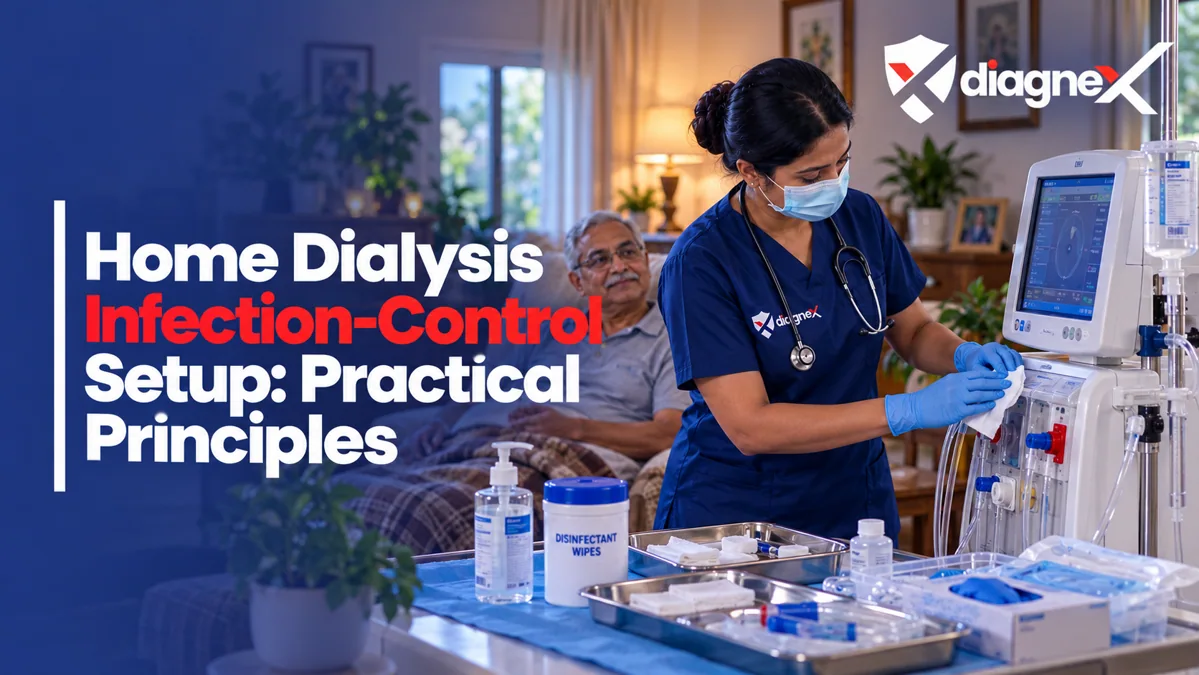
Home dialysis infection prevention begins with the way the treatment space, supplies, vascular access and cleaning routine are organised. The goal is not to turn the home into a hospital. It is to create a repeatable treatment process that keeps clean supplies protected, reduces unnecessary handling and makes it easier for the patient or care partner to follow the same safe steps every session.
Home hemodialysis programmes train patients and care partners in infection-prevention practices because dialysis involves repeated access to the bloodstream. Hand hygiene, correct vascular-access care, clean preparation surfaces, machine cleaning, safe supply handling and early recognition of infection signs all matter.
The exact procedure depends on the dialysis machine, vascular access and provider protocol. Families should therefore use this article as a practical framework and follow their own home dialysis programme for specific antiseptics, dressing methods, cleaning products and step-by-step access procedures.
Why Infection Prevention Matters in Home Hemodialysis
Hemodialysis requires blood to leave the body through a fistula, graft or catheter, pass through the dialysis circuit and return to the patient. Any process that involves repeated vascular access creates an opportunity for germs to enter if hand hygiene, access care or equipment handling is poor.
Dialysis-related infections can become serious because an infection at the access site can sometimes spread into the bloodstream. Prevention is therefore built into the entire treatment routine rather than treated as a separate cleaning task. The safest home programme is one in which the patient and care partner know what must stay clean, which surfaces can be touched during preparation, how the access is prepared and exactly when to stop and call the clinical team.
A Home Dialysis Room Does Not Need to Be Sterile
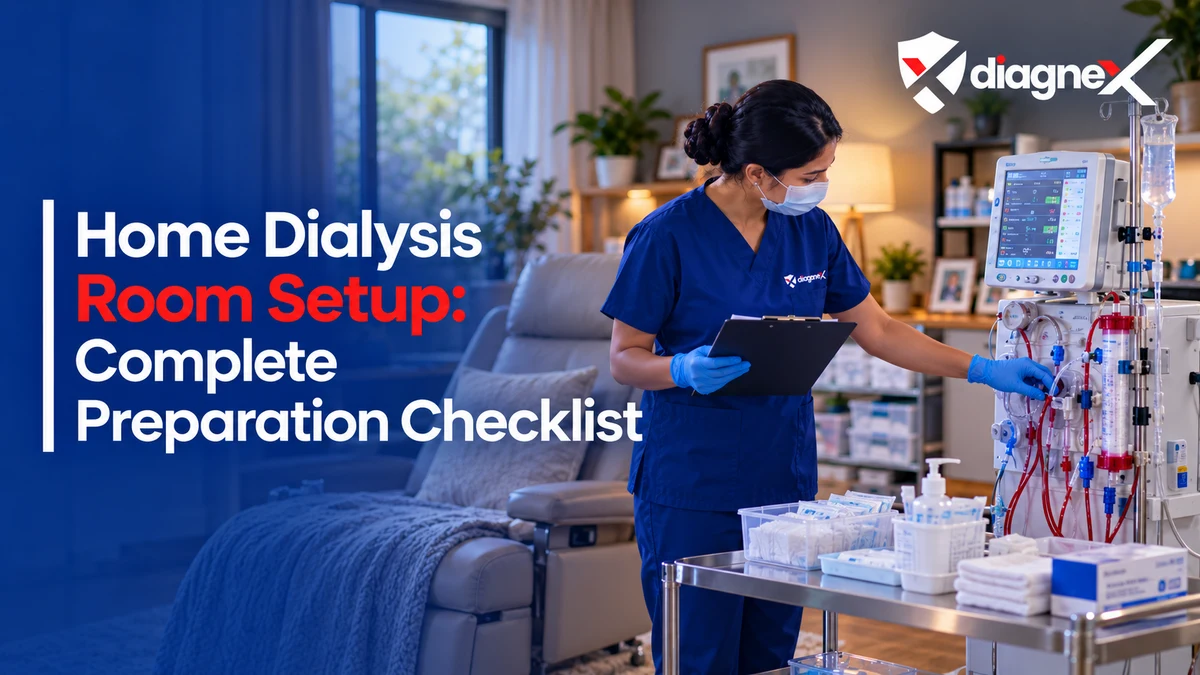
A home treatment area does not need to be a sterile room. It should, however, be an area that can be kept clean, uncluttered and reasonably protected from household activity during treatment.
A bedroom, spare room or another suitable area may work if there is enough space for the dialysis setup and the room can be kept organised. The home dialysis provider should assess the proposed treatment area and explain any machine-specific requirements. The main infection-control goal is consistency: clean the preparation surface, protect sterile supplies, limit unnecessary handling and keep obvious sources of contamination away from the treatment process.
Create a Clean Preparation Zone
It is useful to have one clearly defined surface for treatment preparation. This may be a clean table, trolley or other stable surface that can be wiped with the product approved by the home dialysis programme.
The preparation surface should not also be used for meals, pet supplies, dirty laundry, household chemicals or other tasks during treatment setup. Reducing competing uses makes it easier to keep the area predictable and clean.
Only the supplies needed for the treatment should be brought onto the preparation surface. The rest of the monthly stock can remain in its clean storage area.
Separate Clean and Used Areas
A simple clean-versus-used workflow can make infection prevention easier. Unopened sterile supplies remain in the clean area. Used tubing, dressings, gloves and other waste move directly into the designated disposal pathway rather than returning to the preparation surface.
The patient does not need colour-coded furniture or a complicated zoning system. What matters is that clean supplies and used treatment materials do not become mixed during the session.
Hand Hygiene Is the Foundation
Clean hands are one of the most important infection-prevention measures in dialysis. Patients, care partners and visiting healthcare professionals should follow the hand-hygiene method taught by the home dialysis programme before preparing treatment and before handling the vascular access.
Hands should also be cleaned again when they become contaminated during the workflow. Touching a phone, pet, waste bag, dirty surface or other non-treatment item can interrupt the clean sequence and may require hand hygiene before returning to the dialysis task.
Gloves do not replace hand hygiene. They are an additional barrier used for specific tasks according to the provider's protocol.
Know When Hand Hygiene Needs to Happen
The exact sequence is provider-specific, but the home programme should teach the patient when hand hygiene is required around treatment preparation, access care, glove changes, waste handling and post-treatment cleanup. A practical routine is easier to follow when soap, water or the approved hand-hygiene product is readily available and the patient does not need to leave the treatment area repeatedly during setup.
Fistula and Graft Care
For patients using a fistula or graft, the access skin needs careful preparation before needle insertion. Current patient guidance emphasises washing the hands and access area before dialysis and watching the access for signs such as redness, warmth, swelling, pain or drainage. For more on the practical service arrangements, review dialysis on wheels before deciding what information the care team needs.
The dialysis team should teach the exact skin-preparation method and needle technique. Patients should not substitute a different antiseptic or change the needle-placement routine simply because another patient uses a different approach.
The access should also be checked between treatments. A new skin change, unusual tenderness, drainage or other sign of possible infection should be reported early rather than waiting for the next scheduled session.
Catheter Care Requires Extra Discipline
Central venous dialysis catheters carry a higher infection risk than fistulas or grafts and require strict handling. The catheter dressing should remain clean, dry and secure, and the catheter should be opened or manipulated only according to the dialysis team's protocol.
A wet, loose, dirty or detached dressing should be reported to the dialysis team. Patients should not routinely remove catheter caps, disconnect the catheter or improvise dressing changes unless they have been specifically trained to do so.
Some catheter procedures also require masks and additional aseptic precautions. The home dialysis programme should define exactly when those measures are required.
Watch the Vascular Access Every Day
Daily access awareness can help detect problems earlier. A patient with a fistula or graft should know what is normal for the access and should report changes in appearance, pain, swelling, warmth, drainage or blood flow.
A patient with a catheter should know how the dressing normally looks and should report wetness, looseness, drainage, redness, swelling, pain, fever or chills. Home infection prevention is not only about preventing contamination during the session. It also includes recognising a possible problem between sessions.
Keep Sterile Supplies Sealed Until Needed
Needles, dressings, bloodlines, cartridges and other sterile supplies should generally remain in their original sealed packaging until the treatment sequence requires them to be opened. Opening several packs far in advance creates more opportunity for contamination. Treatment preparation should be organised, but sterile protection should be preserved for as long as practical. If packaging is torn, wet, punctured, opened unexpectedly or otherwise questionable, the item should be set aside and replaced according to the provider's instructions.
Do Not Place Sterile Supplies on Questionable Surfaces
A clean preparation surface should be used for supplies that are about to enter the treatment workflow. Beds, sofas, floors, kitchen counters used for food preparation and other uncontrolled surfaces should not become substitute treatment tables simply because they are nearby. If a supply is dropped or its sterile packaging becomes compromised, the patient should follow the provider's replacement process rather than trying to wipe the item clean.
Surface Cleaning Before Treatment
The preparation surface and any other area specified by the provider should be cleaned using the product and method approved for the home dialysis setup. The surface should be allowed to reach the condition required by the product instructions before clean supplies are placed on it.
Families should avoid mixing cleaning products or using strong household chemicals on medical equipment without approval. The machine manufacturer may restrict which products can be used on external surfaces.
Machine Cleaning and Disinfection
Dialysis machine infection control includes the external surfaces and, depending on the system, internal fluid pathways. Some machines use automated rinse or disinfection cycles. Others rely heavily on disposable fluid pathways and have a different cleaning routine.
The patient should complete the cleaning and disinfection process exactly as taught. A machine that has not completed a required disinfection or rinse cycle should not simply be used because the next treatment is due. Internal machine servicing and technical disinfection problems belong with the provider or authorised technical team.
Water-Treatment Equipment Also Needs Infection Control
If the home dialysis system uses an RO unit or another water-treatment pathway, that equipment has its own maintenance and disinfection requirements. Water systems can support microbial growth if they are not maintained correctly.
The patient may be trained to perform certain routine checks or disinfection steps, while scheduled testing and technical maintenance remain the responsibility of the provider. Water that looks clear is not proof that the dialysis water pathway is microbiologically safe.
Keep Food and Drinks Away From Treatment Preparation
Food and drinks can introduce spills, crumbs and additional hand contact into the preparation area. It is better to keep them away while sterile supplies are being opened and the vascular access is being prepared.
After the clean preparation phase is complete, the patient's programme may have its own rules about drinking or eating during treatment. Those clinical instructions should be followed separately.
Pets Should Stay Out of the Treatment Space During Dialysis
Pets can carry hair, dirt and microorganisms into the treatment area and may disturb tubing or supplies. Current home-dialysis guidance recommends using a treatment space that can be kept pet-free during treatment.
A room with a door can make this easier. If the home does not have a separate room, the family should still create a practical way to keep pets away from the clean setup and dialysis equipment during preparation and treatment.
Visitors and Household Traffic
The treatment area should not become a busy household pathway during setup. Fewer interruptions mean fewer opportunities for clean surfaces or supplies to be touched unnecessarily.
This does not mean the patient must be isolated. It means family members should understand when the clean preparation phase is happening and avoid placing phones, food, bags or unrelated household items on the treatment surface.
What if Someone in the Home Is Sick?
Respiratory and gastrointestinal infections can spread within households. If a care partner or household member is acutely unwell, the patient should follow the home dialysis programme's guidance on whether that person should participate in treatment.
Good hand hygiene, respiratory etiquette and limiting unnecessary close contact around the treatment setup can help reduce risk. If the usual care partner is too unwell to assist safely, the provider should be contacted rather than improvising with an untrained substitute.
Masks: Follow the Access-Specific Protocol
Masks can be part of infection-control practice during certain dialysis access procedures, particularly catheter connection or disconnection. Some home programmes may also use masks for other access-related tasks.
The correct approach depends on the access type and provider protocol. Families should follow their own training rather than assuming that a mask is either always required or never required.
Gloves: Use Them for the Right Tasks
Gloves may be required for vascular-access procedures, blood cleanup or waste handling depending on the task. They should be put on and removed according to the programme's technique.
A glove that touches a contaminated surface is no longer a clean glove. Continuing to touch treatment supplies with it can move contamination around the room. Hand hygiene should still be performed at the appropriate times before and after glove use. If the family is considering support at home, the Diagnex guide to home nursing explains the service pathway and its limits.
Keep Phones Out of the Clean Workflow
Phones are touched frequently and may be carried into kitchens, bathrooms, public transport and other environments. During the clean preparation phase, using a phone can interrupt the infection-control sequence. If the patient needs the phone for treatment records, telehealth or support, it can be kept nearby in a way that does not require handling it with clean or gloved hands used for access care.
Clean Storage Supports Infection Prevention
Home dialysis supplies should be stored in a clean, dry area protected from moisture, pests, excessive heat and household chemicals. Clean unopened stock should remain separate from used waste and cleaning equipment.
Storage does not need to be sterile. It needs to protect packaging so that sterile items remain intact until they are needed.
Do Not Overstock the Treatment Surface
Bringing the entire month's stock into the treatment area creates clutter and increases unnecessary handling. Only the items needed for the session should be placed in the preparation zone. A small, predictable treatment-day setup can make it easier to notice whether an item is missing, damaged or accidentally contaminated.
Waste Should Move Away From the Clean Zone
Used needles, tubing, dressings, gloves and other waste should follow the provider's disposal pathway immediately after use. Sharps should go directly into the approved sharps container. Used materials should not be placed back onto the clean preparation surface or mixed with unopened supplies.
Blood-Spill Management
Blood spills should be cleaned using the infection-control process taught by the home dialysis programme. Gloves or other protective equipment may be required, and the approved surface disinfectant should be used according to its instructions.
If there is active or uncontrolled patient bleeding, the patient's condition comes first. Follow the access emergency plan and seek urgent medical help when indicated.
Do Not Guess Disinfectant Concentrations
Different dialysis machines and surfaces may require different products, dilutions and contact times. Families should not create a stronger mixture because they think stronger means safer.
Use only the product, concentration and process approved for the machine or treatment area. Incorrect chemicals can damage equipment, leave residues or create exposure risks.
Laundry and Blood-Contaminated Fabrics
A towel, sheet or item of clothing that becomes contaminated with blood should be handled with care and kept away from the clean treatment setup. The provider can advise on household laundering precautions for the patient's programme. The family should avoid shaking contaminated fabric around the treatment area because this can spread material onto nearby surfaces.
Keep Cleaning Equipment Separate
Mops, dirty cloths, waste bins and household cleaning tools should not be stored with sterile dialysis supplies. A treatment area can be cleaned regularly without keeping contaminated cleaning equipment beside the medical stock.
Bathroom Use and Access Protection
Bathing and showering instructions depend strongly on vascular access. Fistula and graft care differ from catheter care, and catheter dressings usually need to remain clean and dry. Patients should follow the access-specific bathing instructions from the dialysis team rather than relying on generic home-care advice.
What Infection Signs Should Families Watch For?
Possible signs of vascular-access infection can include redness, warmth, swelling, pain, unusual drainage or pus around the access. Fever or chills can indicate a more significant infection and should be reported promptly.
A patient with a catheter should also contact the dialysis team if the dressing becomes wet, loose, dirty or detached, or if the catheter appears damaged or displaced. Patients should not wait for the next routine dialysis session when an access infection is suspected.
When Fever or Chills Occur Around Dialysis
Fever or chills can have many causes, but in a dialysis patient they deserve prompt attention, particularly when they occur with access redness, drainage or feeling unwell during or after treatment. The patient should contact the dialysis or medical team according to the programme's urgent-care pathway. Severe symptoms, fainting, breathing difficulty or rapidly worsening illness may require emergency assessment.
What if the Access Looks Red but the Patient Feels Well?
Local redness, warmth, swelling, pain or drainage can be an early sign of infection even before fever develops. The patient should report the change rather than continuing several treatments and waiting to see whether it resolves on its own.
Do Not Apply Unapproved Creams to the Access
Patients should not apply antibiotic creams, powders, herbal products or household antiseptics to the vascular access unless the dialysis team has specifically instructed them to do so. Products that seem harmless can interfere with dressings, irritate the skin or alter the clinical appearance of a developing infection.
What if a Sterile Item Falls on the Floor?
If the sterile item itself or its packaging is contaminated, it should be replaced according to the home dialysis programme rather than wiped and reused. Keeping a small reserve of critical supplies helps prevent pressure to use a questionable item when something is accidentally dropped or damaged.
What if the Care Partner Touches Something Dirty Mid-Procedure?
The safest response is to pause the clean sequence and repeat the hand-hygiene or glove-change step required by the provider before returning to the procedure. Trying to remember whether a contaminated hand touched the access or supply later is more difficult than correcting the break immediately.
Infection Control During Supply Delivery
Supply boxes can be handled by several people before reaching the home. Outer cartons should therefore remain separate from the clean treatment surface where sterile items are opened. The family can unpack supplies in the storage area, inspect the individual packages and bring only the required sealed items into the clean preparation zone.
Infection Control During Machine Maintenance
Technicians may need access to the machine or water-treatment system for servicing. After technical work, the patient should follow the provider's instructions for any required cleaning, disinfection or testing before the next treatment. Technical tools, removed filters or service parts should not be placed on the clean treatment-preparation surface.
What if the Treatment Room Is Also a Bedroom?
A bedroom can be used for home dialysis if the provider approves the setup. The important step is to create a dedicated clean preparation surface and a predictable routine that separates treatment supplies from ordinary bedroom clutter. Bedding, clothes and personal items should not cover the treatment table or the area used for access preparation.
What if the Treatment Space Is Small?
A small room can still support a clean workflow if storage, waste and preparation areas are organised deliberately. The family may use vertical shelving, a dedicated trolley or closed storage so that the treatment surface remains uncluttered. The home assessment should consider both infection control and safe movement around the machine.
A Practical Pre-Treatment Infection-Control Routine
A short, repeatable routine is usually easier to follow than a long set of rules. The exact sequence should come from the home dialysis programme, but the preparation principles include:
- Keep pets and unnecessary household traffic away from the treatment area
- Clean the approved preparation surface
- Perform hand hygiene
- Bring only the required sealed supplies into the clean zone
- Check packaging for damage or contamination
- Prepare the vascular access exactly as trained
- Keep waste containers ready but separate from clean supplies
A Practical Post-Treatment Infection-Control Routine
After treatment, the focus shifts from protecting sterile supplies to safely managing used materials and preparing the equipment for the next session. The post-treatment process may include: For care planning beyond this article, compare kidney care with the instructions already given by the treating professional.
- Dispose of sharps immediately in the approved container
- Place contaminated waste into the designated disposal pathway
- Perform access care as trained
- Clean the preparation surface
- Complete machine cleaning, rinse or disinfection
- Perform hand hygiene after waste handling
- Return unused sealed supplies to clean storage if they remain suitable
Home Dialysis Infection-Control Checklist
Before regular home hemodialysis begins, the patient and care partner should be able to confirm that: This detail should be confirmed with the home dialysis team because the exact process depends on the patient's machine, vascular access and prescription. This point is part of home dialysis infection prevention, and the exact home procedure should follow the patient's dialysis programme and selected equipment.
- A clean preparation surface is available
- Hand-hygiene supplies are easy to access
- Access-care technique has been formally taught
- Machine-cleaning and disinfection steps are understood
- Sterile supplies are stored clean and dry
- Pets can be kept away during treatment
- Sharps and contaminated waste have a separate disposal pathway
- The family knows which infection signs require a call to the dialysis team
- Clinical and technical support numbers are readily available
Common Infection-Control Mistakes to Avoid
Common mistakes include touching phones or pets during the clean setup without repeating hand hygiene, placing sterile supplies on uncontrolled surfaces, reopening or reusing single-use items, allowing pets into the treatment area, using unapproved cleaning chemicals and continuing treatment despite possible access infection signs. Another common mistake is trying to make the room excessively sterile while overlooking the basics. A complicated cleaning ritual cannot compensate for poor hand hygiene or incorrect vascular-access technique.
What Families Should Ask During Home Dialysis Training
Before the patient begins routine treatment at home, the family should ask: For home dialysis infection prevention, the safest approach is to follow the programme's training and selected equipment instructions rather than improvise at home. This point is part of home dialysis infection prevention, and the exact home procedure should follow the patient's dialysis programme and selected equipment.
- Exactly when should we wash or sanitise our hands?
- Which antiseptic is used for this vascular access?
- When are gloves required?
- When is a mask required?
- Which surfaces should be cleaned before treatment?
- Which product is approved for the dialysis machine?
- What should we do if sterile packaging is damaged?
- What signs of access infection require an urgent call?
- Who should we contact after hours?
The Bottom Line
Home dialysis infection prevention is built around a disciplined routine rather than a hospital-style sterile room. Clean hands, a controlled preparation surface, protected sterile supplies, correct vascular-access care, machine disinfection and safe waste handling are the core principles.
The vascular access deserves particular attention. Fistulas and grafts should be kept clean and checked for changes, while catheters require strict dressing and handling precautions because of their higher infection risk.
Families should not invent their own antiseptic, dressing or machine-cleaning process. The safest home infection-control setup is the one that follows the training for the actual machine and access type and makes it easy to recognise when something has gone wrong.
Frequently Asked Questions
Does a home dialysis room need to be sterile?
No. It should be a clean, organised treatment area with a dedicated preparation surface and a consistent infection-control routine. The home dialysis programme should define the specific cleaning and access-care steps.
What is the most important infection-prevention step in home dialysis?
Hand hygiene and correct vascular-access care are central. They work together with clean supplies, machine disinfection and safe waste handling.
Can pets stay in the room during home hemodialysis?
It is better to keep pets out of the treatment area during setup and dialysis so they do not contaminate supplies, disturb tubing or interfere with the clean workflow. This is also part of routine home dialysis safety, so any uncertainty should be clarified with the treating or home dialysis team before the next treatment.
How should a fistula or graft be protected from infection?
Follow the dialysis team's hand-hygiene, skin-preparation and needle technique. Check the access regularly and report redness, warmth, swelling, pain or drainage promptly.
How is catheter infection risk reduced at home?
Keep the dressing clean, dry and secure, follow the provider's aseptic connection and disconnection process, and avoid opening or manipulating the catheter outside the trained procedure. This detail should be confirmed with the home dialysis team because the exact process depends on the patient's machine, vascular access and prescription.
Can household disinfectant be used on the dialysis machine?
Only if the machine manufacturer and home dialysis programme approve it. Use the cleaning product and process specified for the equipment rather than choosing a stronger household chemical independently.
What should I do if sterile packaging is torn?
Set the item aside and replace it according to the provider's instructions. Do not assume that an item remains safe because it looks clean after the sterile barrier has been compromised.
When should possible infection symptoms be reported?
Report access redness, warmth, swelling, pain, drainage, a wet or loose catheter dressing, fever or chills promptly. Severe or rapidly worsening symptoms may require urgent medical assessment.
This point should be confirmed with the home dialysis team because the exact process can vary by patient, machine and programme..
Related Diagnex guides
Explore Home Dialysis services, other Home Dialysis guides and Home Dialysis Room Setup: Complete Preparation Checklist.
Diagnex publishes general healthcare information to support care planning. Individual decisions about diagnosis, prescriptions and treatment remain with the treating professional. Read our medical content policy and editorial standards.