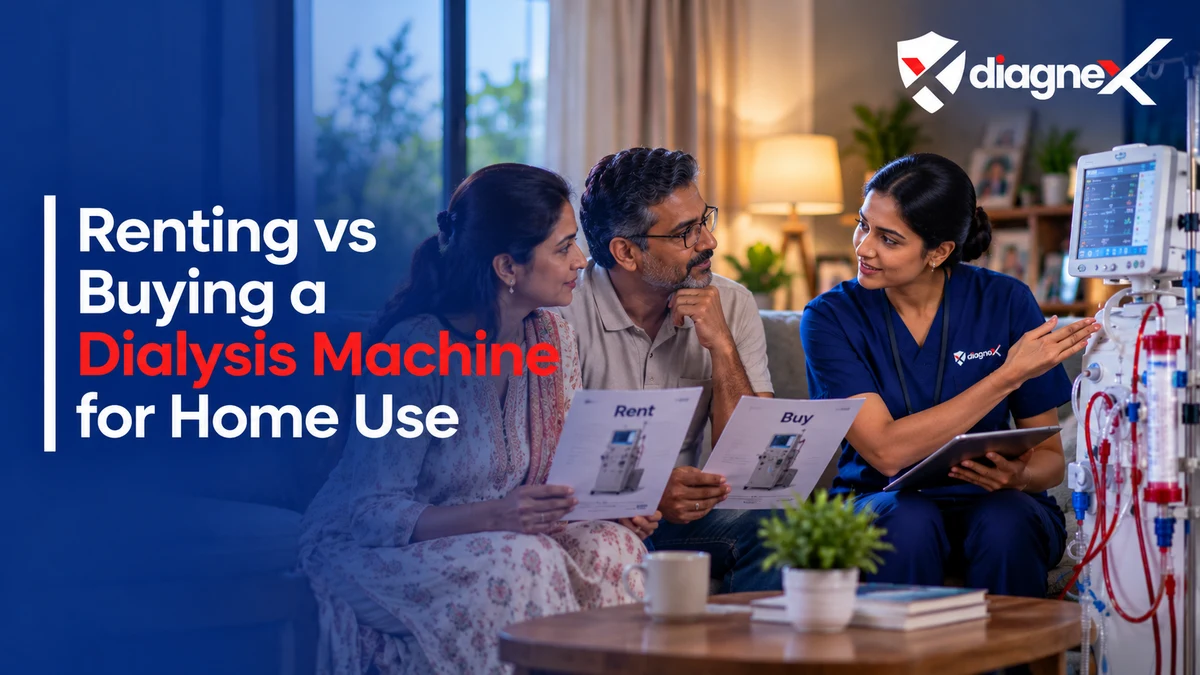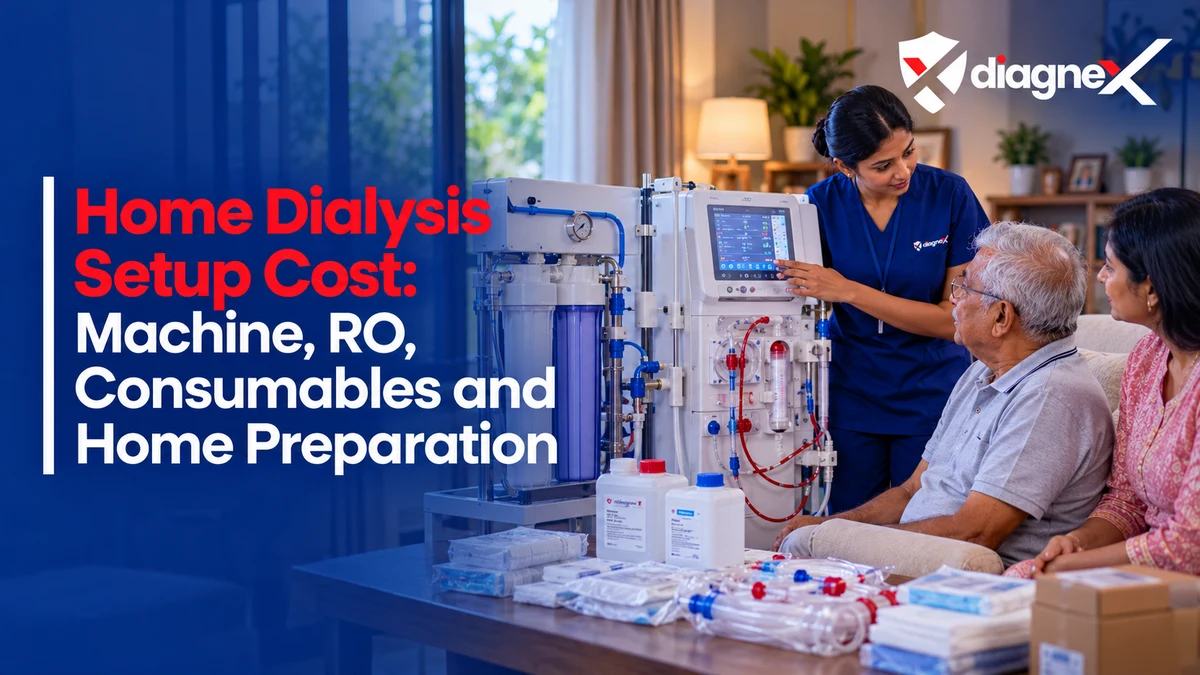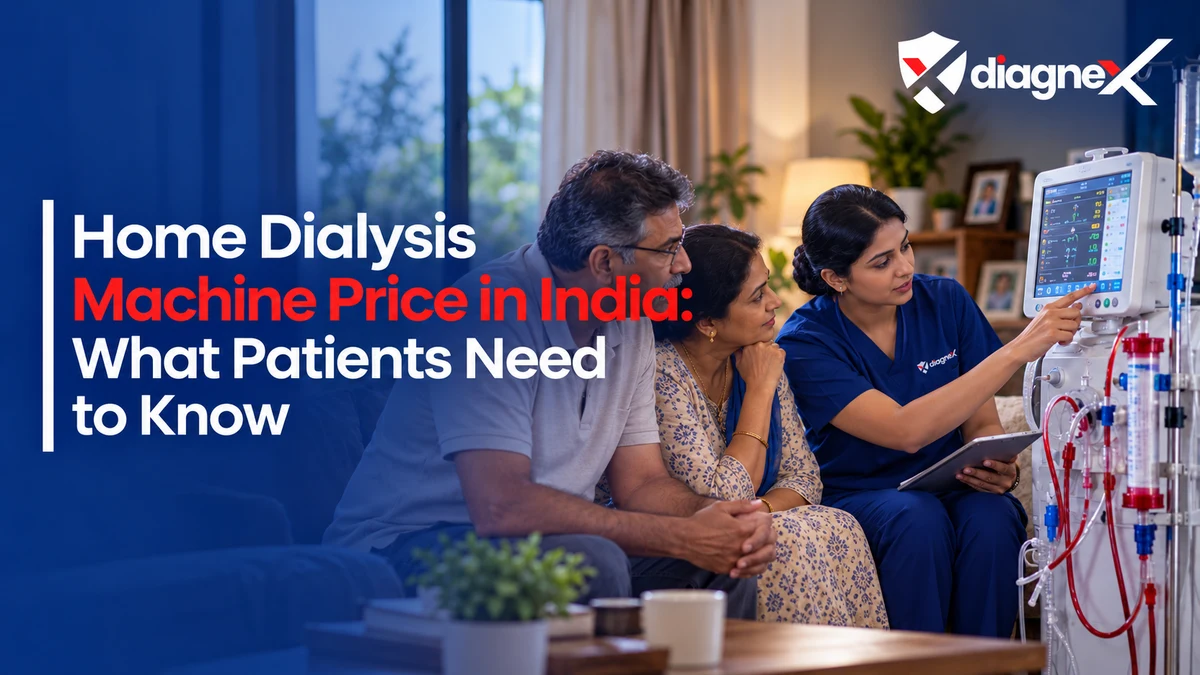
Families exploring home hemodialysis often begin by asking the price of the dialysis machine. That is understandable, but the machine price alone does not show the real cost of starting or running dialysis at home. A home hemodialysis machine must fit the patient's nephrologist-prescribed treatment, vascular-access plan, home water system, electrical supply, consumable availability, technical-support network and backup dialysis plan. For this reason, the most useful way to understand home dialysis machine price in India is to look at what changes the quoted price, what may or may not be included, and what additional costs are required before the machine can be used safely at home.
Why Is There No Single Home Dialysis Machine Price?
- Machine model and configuration
- Whether the machine is new, rented, leased or supplied through a managed programme
- Home-use compatibility
- Water-treatment requirements
- Included installation and commissioning
- Warranty and service coverage
- Consumable compatibility and availability
- Training and technical support
- Location and service-network coverage
The Machine Price Is Only One Part of the Home Dialysis Cost
- RO or other approved water-treatment equipment
- Plumbing and drainage
- Electrical work
- Power backup
- Initial dialysis consumables
- Monitoring equipment
- Professional installation
- Training or professional dialysis staffing
- Maintenance and servicing
1. Machine Model and Configuration
Different dialysis-machine models are designed for different operating environments and treatment programmes. Price may be influenced by features such as: Families should not choose a machine simply because it has more features. The relevant question is whether it supports the patient's prescribed treatment safely and reliably.
- Machine configuration
- Treatment capabilities
- Monitoring features
- Alarm and safety systems
- Compatibility with the prescribed dialysis programme
- Water and consumable requirements
2. Purchase vs Rental vs Managed Programme
- Outright purchase
- Monthly rental
- Lease arrangement
- Machine included in a managed home-dialysis programme
- Machine use bundled into the per-session charge
Should Families Buy or Rent a Home Dialysis Machine?
- Expected duration of home dialysis
- Provider programme structure
- Who handles maintenance
- Whether replacement equipment is available during breakdowns
- Whether consumables remain readily available
- Whether the patient may change dialysis modality or setting later
3. New vs Previously Used or Refurbished Equipment
- Service history
- Age and usage history where available
- Warranty status
- Availability of spare parts
- Technical-support coverage
- Whether the provider supports that specific unit for home use
- Whether required safety and functional checks have been completed
4. Home-Use Compatibility
- Physical size
- Electrical requirements
- Water-treatment requirements
- Drainage needs
- Available technical support
- Ease of installation in the proposed treatment area
5. RO or Water-Treatment Requirement
Many home hemodialysis systems require treated water for dialysis-fluid preparation. This means the machine price may not include the full water-treatment setup. Families should ask whether the quoted equipment price includes:
- RO or water-treatment unit
- Pre-filters
- Installation
- Water-line connection
- Drainage connection
- Initial testing
- Maintenance plan
Does a Home Dialysis Machine Always Need an RO Plant?
The exact requirement depends on the dialysis machine and home programme. Families should not assume that every system uses the same water arrangement or that an ordinary household RO purifier is suitable for dialysis. The water-treatment plan should be confirmed for the specific machine before equipment is purchased.
6. Installation and Commissioning
- Delivery
- Installation
- Connection to water and drainage
- Electrical verification
- Initial machine testing
- Technical commissioning
- Handover to the dialysis team
7. Warranty Coverage
- Warranty duration
- What parts and labour are covered
- Whether home service visits are included
- What exclusions apply
- What happens after the warranty period ends
8. Annual Maintenance and Service Contracts
- Routine servicing
- Preventive maintenance visits
- Replacement parts
- Emergency breakdown visits
- Software or technical updates where relevant
9. Availability of Spare Parts
- Are spare parts locally available?
- How quickly can a technician attend?
- Is the model actively supported?
- What happens if a repair takes several days?
- Is replacement equipment available?
10. Consumable Compatibility
- Dialysers
- Blood-line sets
- Machine-specific cartridges or disposable components
- Access-related supplies
- Cleaning and disinfection supplies
11. Availability of Consumables in the Patient's City
- Who supplies consumables
- How frequently they are delivered
- What minimum stock is maintained
- What happens during a supply delay
- Whether alternative compatible supplies are approved by the programme
12. Technical Support in the Patient's Locality
- Is home service available in the locality?
- What is the technical-response process?
- Are remote support and on-site visits available?
- Who should be called outside routine service hours?
- What backup plan applies if the machine cannot be repaired promptly?
13. Training Included With the Machine
- Machine preparation
- Routine equipment checks
- Alarm recognition
- Cleaning and disinfection
- Knowing when technical support is required
14. Delivery and Transportation Cost
- City and locality
- Distance from the service centre
- Building access
- Lift availability
- Special handling requirements
15. Electrical Requirements
- Suitable electrical outlets
- Electrical-load assessment
- Earthing improvements
- A dedicated circuit where required
- Safer cable routing
16. Power-Backup Compatibility
- UPS
- Inverter
- Battery backup
- Building generator support
17. Space Required for the Machine
- The patient and treatment chair or bed
- Water-treatment equipment where required
- Monitoring equipment
- Consumable storage
- The trained person supervising dialysis
- Safe access around the patient
Portable Dialysis Machine Price: What Does 'Portable' Mean?
- More compact than a conventional dialysis machine
- Designed to be moved more easily within a home or facility
- Transportable between selected locations
- Designed for a particular home-dialysis programme
Questions to Ask About a 'Portable' Dialysis Machine
- Is the machine approved and supported for the intended home-use model?
- What water system does it require?
- What power supply does it require?
- How much does the complete setup weigh and occupy?
- Which consumables does it use?
- Can it be serviced in the patient's locality?
- What does 'portable' mean for this specific model?
18. Home Machine Price vs Complete Home Dialysis Package
- Machine use
- RO or water-treatment setup
- Installation
- Consumables
- Professional staffing
- Technical maintenance
- Clinical coordination
- Backup dialysis planning
19. Machine Cost vs Total Cost of Ownership
- Purchase or rental cost
- Installation
- Water-treatment system
- Electrical and plumbing work
- Consumables
- Maintenance
- Spare parts
- Technical-service visits
- Utility use
- Replacement or upgrade needs over time
20. Machine Price Should Be Compared With Expected Duration of Use
- Return to in-centre dialysis
- Change dialysis schedule
- Change dialysis modality
- Require a different level of clinical support
What Is Usually Not Included in the Dialysis Machine Price?
- RO or water-treatment system
- Plumbing and drainage
- Electrical work
- Power backup
- Medical chair or bed
- Monitoring equipment
- Initial consumables
- Ongoing consumables
- Professional dialysis staffing
- Laboratory tests
- Nephrologist follow-up
- Backup dialysis-centre sessions
What Should Be Included in a Good Machine Quote?
- Exact machine model
- New, rented, leased or other equipment status
- Purchase or recurring price
- Delivery charges
- Installation charges
- Warranty
- Service coverage
- Maintenance charges
- Consumable requirements
- Water-treatment requirements
- Items explicitly excluded
Why Buying the Cheapest Dialysis Machine Can Be Expensive Later
- Consumables are expensive
- Consumables are difficult to source
- Technical support is limited
- Spare parts are difficult to obtain
- Warranty is weak
- The machine needs costly home modifications
- Breakdown support requires prolonged facility-based backup dialysis
Should Families Purchase a Machine From an Online Seller?
- The nephrologist and home-dialysis team support the selected machine
- Installation is available
- The correct water-treatment setup can be provided
- Technical service is available locally
- Consumables are reliably available
- Warranty terms are clear
- The equipment can be integrated into a complete home-dialysis programme
Can Families Use Any Dialysis Machine at Home?
- The patient's prescription
- Vascular-access plan
- Home water and power
- Monitoring and staffing
- Technical support
- Emergency backup
How Machine Choice Affects Home Dialysis Consumable Cost
- What is required for one treatment?
- Which components are single-use?
- How often supplies are delivered?
- Are supplies locally stocked?
- What happens if a particular consumable is unavailable?
How Machine Choice Affects Water and Electricity Cost
- Electrical load
- Water requirements
- Treatment duration
- Water-treatment efficiency
- Backup-power requirements
How Location in India Can Affect the Practical Machine Cost
- Delivery
- Installation
- Technician travel
- Spare-parts availability
- Consumable supply
- Backup dialysis options
Questions to Ask Before Buying or Renting a Home Dialysis Machine
- Has the nephrologist approved home hemodialysis?
- Does this machine support the prescribed dialysis programme?
- Is the machine intended and supported for the proposed home-care model?
- Is this a purchase, rental, lease or programme fee?
- What water-treatment system is required?
- What electrical and backup-power requirements apply?
- Are delivery and installation included?
- What warranty is included?
- What maintenance plan applies?
- Are spare parts locally available?
- What consumables are required per session?
- Are consumables reliably available in the locality?
- Who provides technical support?
- What happens if the machine breaks down?
- Where will the patient receive backup dialysis?
Home Dialysis Machine Price Comparison Checklist
- Machine model
- Equipment condition and supply model
- Purchase or recurring price
- Water-treatment requirement
- Installation
- Warranty
- Maintenance
- Spare-parts support
- Consumable availability
- Consumable cost
- Electrical requirements
- Power-backup requirements
- Local technical support
- Replacement-machine plan
- Items excluded from the quote
Do Not Compare Machine Price Without Comparing the Care System
The dialysis machine is only one part of home hemodialysis. A low-cost machine without reliable consumables, trained support, water treatment, servicing and backup dialysis can create significant operational risk and additional expense. The most useful equipment decision is the one that fits the patient's prescribed treatment and is supported by a complete home-dialysis system. Families considering Home Hemodialysis can speak with Diagnex to understand the assessment, home-readiness and care-planning process and discuss appropriate equipment and service requirements for their locality, subject to nephrologist approval, clinical suitability and service availability.