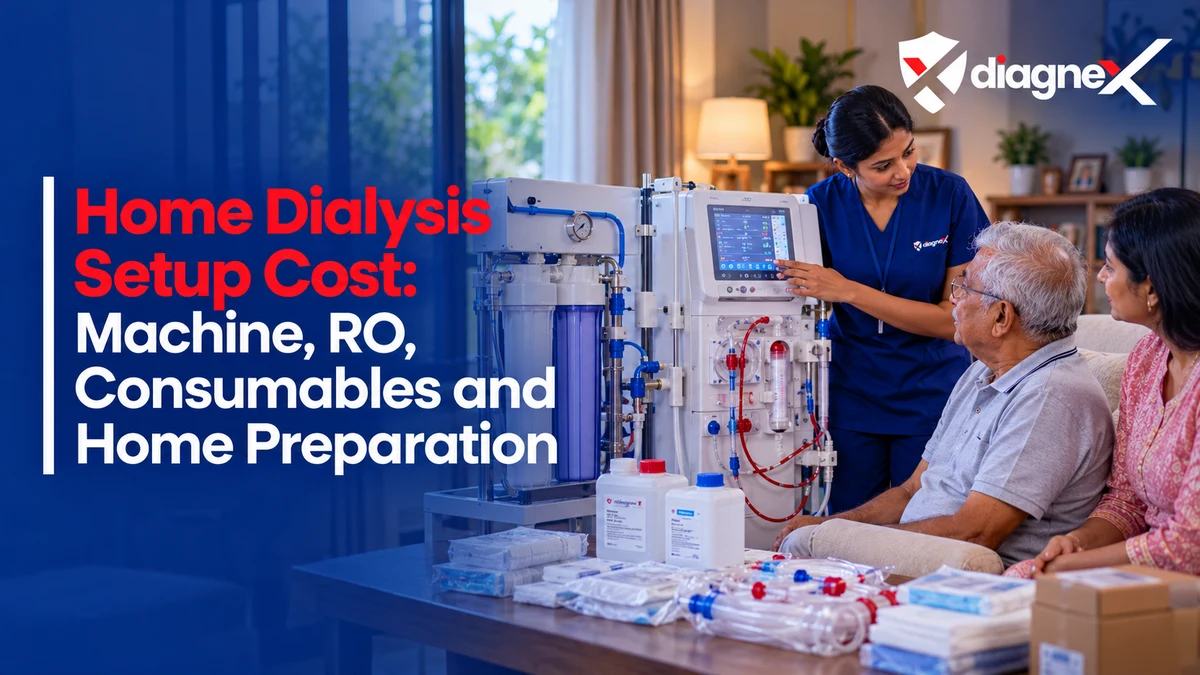
The setup cost for home hemodialysis can vary considerably because every home and every dialysis programme is different. Some patients may need only limited home modifications, while others may require a dialysis machine, water-treatment or RO system, plumbing work, electrical upgrades, backup power, storage, monitoring equipment and a regular supply of dialysis consumables. For families planning dialysis at home, the most useful approach is to separate one-time setup expenses from recurring treatment expenses. This prevents the initial installation cost from being confused with the ongoing cost of each dialysis session or the monthly treatment budget. This guide explains the main components that can affect home dialysis setup cost without relying on a generic national price that may not match the patient's actual prescription, equipment or home.
What Does Home Dialysis Setup Cost Include?
- Home-readiness assessment
- Dialysis machine purchase, rental or installation
- Water-treatment or RO system
- Plumbing and drainage modifications
- Electrical work
- Power backup
- Treatment-room preparation
- Monitoring equipment
- Storage for dialysis consumables
- Initial consumable stock
- Training or onboarding
- Technical installation and testing
Setup Cost Is Different From Per-Session Cost
The home dialysis setup cost is mainly the cost of creating the treatment environment. The per-session cost is the recurring cost of each dialysis treatment. Families should therefore ask for two separate estimates: A provider that gives only one combined figure may make it harder to understand which expenses will continue after the installation is complete.
- One-time or initial setup cost
- Recurring dialysis cost per session or per month
1. Home-Readiness Assessment
- Available treatment space
- Water source and pressure
- Plumbing and drainage
- Electrical supply and earthing
- Power-backup options
- Storage space
- Building access
- Emergency patient-transfer route
2. Dialysis Machine Cost
The dialysis machine is one of the most important components of the home setup. The financial model may differ by provider. Families may encounter: The machine should not be selected on price alone. It should match the nephrologist's prescribed treatment, available consumables, water system, electrical requirements, technical support and home-dialysis programme.
- Outright machine purchase
- Rental
- Lease
- Machine included within a managed programme
- Machine use bundled into the session price
What Should Be Checked Before Paying for a Dialysis Machine?
- Whether the machine is suitable for the patient's prescribed dialysis schedule
- What water-treatment system it requires
- What electrical supply it requires
- Whether compatible consumables are reliably available
- Who provides installation
- Who provides technical support
- What preventive maintenance is required
- What happens if the machine breaks down
3. Dialysis RO Plant or Water-Treatment System
Many home hemodialysis systems require treated water for dialysis-fluid preparation. Depending on the equipment, the home setup may require an RO or another approved water-treatment system. The initial cost may include: Families should not assume that an ordinary household RO purifier is suitable for dialysis. The required system should be selected according to the dialysis equipment and programme.
- Water-treatment equipment
- Installation
- Pre-filters or related components
- Connection to the water supply
- Connection to drainage
- Initial testing and commissioning
4. Water-Supply Preparation
- Water pressure
- Consistency of water availability
- Source of water
- Existing plumbing
- Location of the proposed treatment room
5. Drainage Modifications
- A new drain connection is required
- The treatment room has no nearby drainage
- Pipes need to cross long distances
- Building restrictions complicate installation
6. Electrical Setup Cost
- Additional sockets
- A dedicated electrical circuit where required
- Improved earthing
- Electrical-load assessment
- Safer cable routing
- Electrical work near the treatment area
7. Power-Backup Setup
Power backup may be an important part of the initial home dialysis setup. Depending on the machine and local electricity reliability, families may need to consider: Families should verify whether the backup system can support the actual dialysis machine and related equipment. A household inverter that powers lights and fans may not automatically be appropriate for dialysis equipment.
- UPS
- Inverter
- Battery bank
- Building generator
- Another equipment-approved backup system
8. Treatment-Room Preparation
- Rearranging furniture
- Medical chair or bed where required
- Additional lighting
- Storage cabinets or shelves
- Washable or easy-to-clean surfaces where practical
- Cable and tubing management
9. Medical Chair or Bed
- Patient comfort
- Mobility
- Ability to sit safely for the prescribed session
- Other nursing or medical needs
10. Monitoring Equipment
- Blood-pressure monitor
- Weighing scale
- Pulse oximeter where clinically indicated
- Thermometer
- Other patient-specific monitoring devices
11. Storage for Home Dialysis Consumables
- Dialysers
- Blood-line sets
- Needles or access-related supplies
- Dressings
- Disinfectants
- Syringes
- Machine-specific disposable items
- Other prescribed supplies
12. Initial Home Dialysis Consumables
- Dialysers
- Blood lines
- Access supplies
- Dressings
- Disinfectants
- Machine-specific disposables
- Cleaning supplies
13. Infection-Prevention Supplies
- Hand-hygiene products
- Surface-cleaning materials
- Access-care supplies
- Protective supplies where required
- Waste containers or sharps containers
14. Biomedical-Waste Preparation
- Sharps container
- Designated clinical-waste containers
- Collection arrangement where applicable
- Instructions for storage of used materials before collection
15. Training or Onboarding Cost
- Treatment-area preparation
- Machine use
- Infection prevention
- Vascular-access procedures appropriate to the programme
- Patient monitoring
- Alarm recognition
- Complication recognition
- Emergency escalation
16. Professional Staffing Setup
- Staff competency requirements
- Session scheduling
- Backup staffing
- Travel coverage
- Overnight staffing where prescribed
17. Technical Installation and Commissioning
- Machine installation
- Water-system installation
- Electrical check
- Initial functional testing
- Technical handover
- Confirmation of service contacts
18. Building or Landlord Permissions
- New plumbing
- Drainage connections
- Electrical changes
- External equipment placement
19. Emergency Access Preparation
- Lift access
- Stair access
- Wheelchair or stretcher movement
- Vehicle access
- Ambulance or transport availability
20. Backup Dialysis Planning
- Machine failure
- Water-treatment failure
- Power interruption
- Vascular-access problems
- Patient illness
One-Time vs Recurring Home Dialysis Costs
Common One-Time or Initial Costs
- Home assessment
- Machine purchase where applicable
- RO or water-treatment installation
- Plumbing modifications
- Electrical work
- Power-backup installation
- Room preparation
- Initial monitoring equipment
- Storage setup
- Initial training charges where applicable
Common Recurring Costs
- Dialysis session charges
- Consumables
- Professional staffing
- Machine rental or programme fee
- Water-treatment servicing
- Electricity
- Water
- Equipment maintenance
- Waste handling
- Laboratory tests
- Nephrologist follow-up
- Backup dialysis
What Can Make Home Dialysis Setup More Expensive?
- The treatment room is far from existing water and drainage
- Electrical capacity needs significant upgrading
- A larger power-backup system is required
- The home needs a dedicated water-treatment installation
- The patient requires additional medical equipment
- Building restrictions make installation more complex
- Professional technical installation involves substantial travel
What Can Keep the Setup Simpler?
- Adequate treatment space
- Nearby water supply
- Suitable drainage
- Adequate electrical capacity
- Reliable backup power
- Clean storage space
- Easy building access
Should Families Buy the Machine First?
Usually, no. Buying a dialysis machine before the nephrologist and home-dialysis team confirm the full setup can create unnecessary or incompatible expenses. Before paying for a machine, confirm:
- The patient is suitable for home hemodialysis
- The dialysis prescription is clear
- The selected machine supports the prescription
- Water and electrical requirements can be met
- Consumables are available
- Technical support and maintenance are available
- The home can physically support the equipment
Should Families Buy an RO Plant Before the Machine Is Selected?
Usually, the water-treatment requirement should be confirmed after the dialysis equipment and programme are known. Different systems can have different water and installation requirements. Buying an unsuitable water-treatment system may lead to additional replacement or modification costs later.
How Much Space Is Needed for Home Dialysis Equipment?
- The patient
- Dialysis machine
- Water-treatment equipment where required
- The trained person supervising treatment
- Monitoring equipment
- Safe movement around the patient
How Much Should Families Budget for Consumables at Setup?
- How many sessions the first delivery covers
- Which items are included
- How frequently deliveries occur
- What minimum emergency stock should be maintained
- How damaged or missing supplies are replaced
How to Compare Two Home Dialysis Setup Quotes
- Machine model and financial arrangement
- Water-treatment equipment
- Installation
- Plumbing
- Electrical work
- Power backup
- Monitoring equipment
- Initial consumables
- Training
- Technical-support coverage
- Maintenance plan
- Items explicitly excluded
Questions to Ask Before Accepting a Home Dialysis Setup Quote
- Is the home assessment included?
- Is the dialysis machine purchased, rented or included in a programme?
- Is machine installation included?
- What water-treatment or RO system is required?
- Is RO installation included?
- Are plumbing modifications included?
- Are electrical modifications included?
- What backup-power system is required?
- Is the backup-power system included?
- Are monitoring devices included?
- Is initial consumable stock included?
- Is training included?
- Who maintains the machine and RO system?
- What ongoing maintenance costs apply?
- What items are specifically excluded from the setup quote?
Home Dialysis Setup Cost Checklist
- Home assessment
- Dialysis machine
- Machine installation
- RO or water-treatment system
- Water-treatment installation
- Plumbing
- Drainage
- Electrical work
- Power backup
- Treatment chair or bed where required
- Monitoring equipment
- Storage
- Initial consumables
- Infection-prevention supplies
- Waste containers and disposal setup
- Training or onboarding
- Technical commissioning
- Maintenance plan
- Backup dialysis plan
The Setup Quote Should Reflect the Actual Home and Care Plan
A home dialysis setup should be designed around the patient's prescribed treatment and the actual home environment. A generic package may include equipment the patient does not need or omit infrastructure that the home requires. The most useful setup-cost estimate is therefore one prepared after nephrologist approval and a home-readiness assessment. Families considering Home Hemodialysis can speak with Diagnex to understand the assessment, home-readiness and care-planning process and discuss current setup components for their locality, subject to nephrologist approval, clinical suitability and service availability.