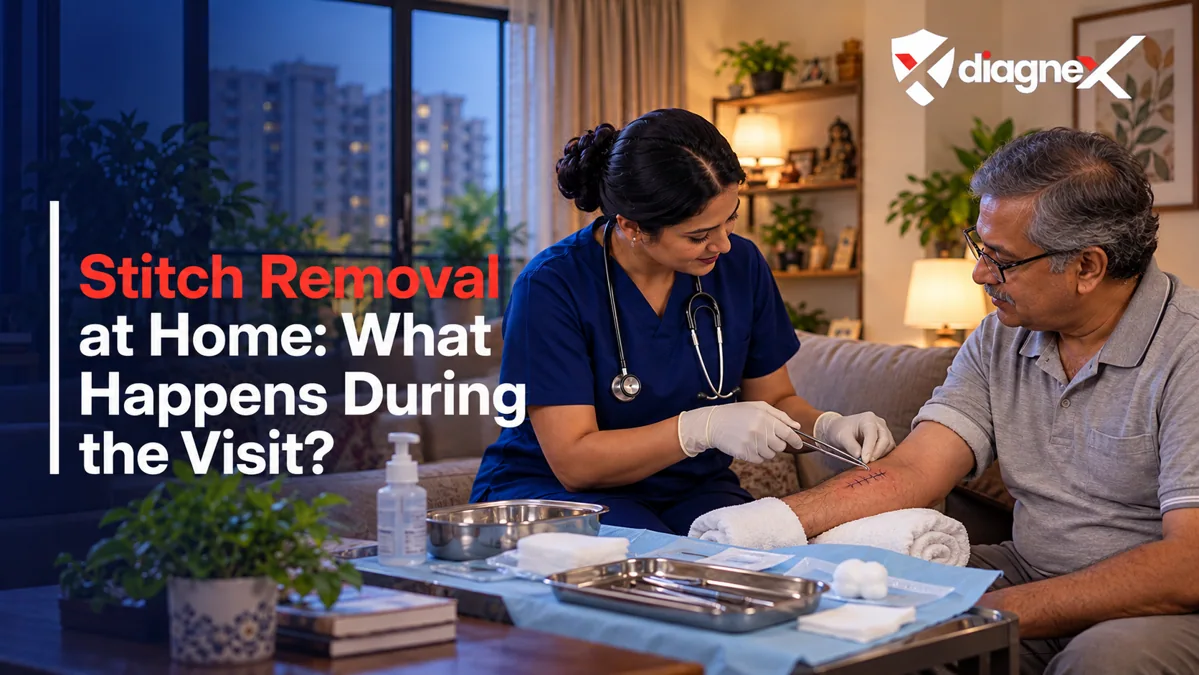
Preparing the home before a wound dressing visit can make the procedure safer, more efficient, and less stressful for the patient and family. The goal is not to turn the home into a hospital. It is to create a clean, organised area where the nurse can work without unnecessary interruptions or contamination.
For related context, read How Often Should a Wound Dressing Be Changed? and Stitch Removal at Home: What Happens During the Visit?.
For related context, read How Often Should a Wound Dressing Be Changed? and Stitch Removal at Home: What Happens During the Visit?.
For sterile wound dressing at home, the most important practical steps are simple: prepare a clean and dry work surface, keep all required supplies available, limit movement around the procedure area, keep pets away, make handwashing easy, and make sure the nurse can access the patient comfortably.
The exact dressing technique should follow the treating professional's plan. Some wound procedures require sterile technique, while others may use clean technique. Families should therefore prepare the environment carefully but allow the nurse to decide how the sterile field and dressing supplies are handled during the visit.
Why Home Preparation Matters for Wound Dressing
Every wound dressing involves contact with a wound that may be vulnerable to contamination. Good preparation reduces avoidable handling, delays, and movement during the procedure.
MedlinePlus recommends having all supplies ready and using a clean work surface before changing a dressing. Its sterile technique guidance also emphasises keeping work surfaces clean and dry and handling sterile supplies carefully.
A well-prepared room helps the nurse focus on the wound rather than searching for materials, moving furniture, or trying to create a clean surface after the procedure has already started.
Choose the Right Room for the Nurse Visit
The dressing does not need to be performed in a special room, but the area should be practical.
A suitable room should ideally be: • clean and dry; • well lit; • reasonably quiet; • free from unnecessary foot traffic; • large enough for the nurse to reach the wound comfortably; • close enough to a handwashing area where possible; • away from cooking, food preparation, and household clutter.
A bedroom can work well when the patient has limited mobility, provided there is enough space around the bed. A living room may be suitable if privacy can be maintained and movement through the room can be reduced during the visit.
Prepare a Clean and Dry Work Surface
The nurse needs a stable area for unopened supplies and other clean items. A bedside table, clean tray, or cleared table can work well if it is dry and free from clutter.
Before the visit: • remove unrelated objects; • wipe the surface using the household cleaning method normally used for that surface; • allow it to dry completely; • do not place food, drinks, phones, keys, or used items on it afterward.
The family does not need to create the sterile field in advance. The nurse should open and handle sterile supplies according to the procedure plan.
Make Handwashing Easy
Hand hygiene is one of the most important parts of wound care. The nurse may need to clean hands before the procedure, after removing the old dressing, and again after completing the dressing. For more on the practical service arrangements, review wound care at home before deciding what information the care team needs.
Make sure the nurse can access: • running water; • soap; • a clean towel or disposable paper towel; • alcohol-based hand rub if used as part of the nurse's normal procedure.
MedlinePlus advises handwashing before touching the dressing, again after removing the old dressing, and after completing wound care.
Keep All Dressing Supplies Ready but Unopened
If the family has been asked to arrange consumables, keep them together in one clean place before the visit. Do not open sterile packs in advance.
Depending on the wound plan, the supplies may include: • sterile or clean dressings; • gauze; • saline; • gloves; • tape; • prescribed wound products; • packing material; • waste bags; • protective pads; • any wound-specific consumables advised by the treating team.
Check expiry dates where relevant and avoid using damaged or wet packaging. If the treating team has prescribed a specific product, do not substitute another dressing simply because it looks similar.
Keep Pets Away From the Procedure Area
Pets should be kept out of the room during the wound dressing visit. Hair, dander, movement, and contact with surfaces can make it harder to maintain a clean work area.
Keep pets in another room before the nurse arrives rather than moving them only after the sterile supplies have been opened.
The same principle applies to unnecessary household movement. Children, visitors, and other family members should avoid walking through the procedure area unless they are needed for patient support.
Reduce Fans, Dust, and Unnecessary Air Movement
A clean room does not need to be sealed, but avoid activities that create dust or unnecessary movement during the procedure.
Before the visit: • finish sweeping or dusting well in advance; • avoid changing bedsheets during the dressing; • avoid shaking blankets or clothing nearby; • position strong fans so they are not blowing directly across the clean work area.
The objective is practical cleanliness, not an artificial hospital environment.
Make the Patient Easy to Position
The patient should be positioned so the nurse can see and reach the wound without unsafe bending, twisting, or repeated repositioning.
Depending on the wound location, this may mean: • lying comfortably on the bed; • turning to one side; • sitting in a chair; • elevating a leg; • exposing only the area that needs treatment.
Provide pillows or positioning support if these are already used in the patient's care plan. Avoid placing unnecessary bedding or clothing over the procedure area.
Protect Privacy Without Restricting Clinical Access
Privacy matters, especially for wounds on the abdomen, hip, sacral area, groin, or other sensitive locations.
Close doors or curtains where needed, but make sure there is enough room and light for the nurse to work safely. The patient should not be covered so heavily that the wound is difficult to access.
A family member may stay if the patient wants support and the nurse is comfortable with the arrangement.
Have Clinical Information Ready Before the Nurse Arrives
The nurse should not have to reconstruct the wound history from memory if documents are available.
Keep ready: • the discharge summary; • wound-care instructions; • prescription; • list of medicines; • allergy information; • previous wound measurements or photographs if available; • dressing schedule; • name of the treating doctor or surgeon; • details of any recent fever, drainage, bleeding, pain, or wound changes.
If the wound has changed since the last visit, tell the nurse before the dressing starts.
Separate Clean Supplies From Used Materials
Do not place new dressings and used materials on the same surface.
A practical setup can include: • one clean area for unopened supplies; • a separate waste bag for used dressings; • a separate place for the old dressing after removal; • another container or bag for used gloves and disposable materials. If the family is considering support at home, the Diagnex guide to home nursing explains the service pathway and its limits.
MedlinePlus advises placing used wound-care materials in a plastic bag and closing it securely before disposal.
Do Not Open Sterile Packs Before the Nurse Is Ready
Sterile supplies should generally remain sealed until the nurse is ready to use them. Opening packs early increases the chance that the contents will be touched, exposed, or accidentally contaminated.
MedlinePlus sterile technique guidance advises touching only the outside wrappers with bare hands and keeping sterile supplies within easy reach once the procedure starts.
Families can help most by keeping the packs clean, dry, unopened, and organised.
Keep Phones, Food, and Personal Items Away
Phones, remote controls, food containers, handbags, keys, and other frequently handled items should not be placed on the clean work surface.
If the nurse needs to use a phone for documentation or communication, the device should be kept separate from the sterile field and handled according to the nurse's infection-control process.
Avoid Applying Products Before the Visit Unless Instructed
Do not apply antiseptic, powder, cream, oil, herbal products, or antibiotic ointment before the nurse arrives unless the treating professional has instructed you to do so.
MedlinePlus advises against using products such as alcohol, peroxide, iodine, or other wound products unless directed because some can damage tissue or interfere with healing.
It is usually better for the nurse to assess the wound as it is and follow the prescribed cleansing and dressing plan.
Should the Old Dressing Be Removed Before the Nurse Arrives?
Usually, do not remove the old dressing unless you have been specifically instructed to do so.
The nurse may need to observe: • drainage on the old dressing; • odour; • the amount of saturation; • how well the dressing stayed in place; • whether there is bleeding or leakage.
Removing it early can also leave the wound exposed for longer than necessary.
What If the Dressing Becomes Wet or Soiled Before the Visit?
If the dressing becomes wet, contaminated, loose, heavily saturated, or soiled with urine or stool, contact the nursing provider or treating team for advice rather than automatically waiting for the scheduled visit.
A compromised dressing may no longer protect the wound properly.
For more detailed guidance on dressing intervals, see How Often Should a Wound Dressing Be Changed?
What Should Happen During the Nurse Visit?
A wound dressing visit may include review of instructions, hand hygiene, removal of the old dressing, wound observation, prescribed cleansing, application of the new dressing, documentation, and advice on follow-up.
The nurse should decide how the clean or sterile field is established and how supplies are opened and handled.
For a broader explanation of what happens during a home procedure visit, see How Does a Nurse Visit for a Home Procedure Work?
How Infection Control Works During the Procedure
Infection control during a home dressing visit depends on disciplined technique rather than simply using more supplies.
Important principles include: • hand hygiene; • clean preparation; • correct glove use; • avoiding unnecessary touching of the wound; • keeping sterile items separate from non-sterile items; • safe disposal of used materials; • using each dressing only once.
Diagnex's guide on How Infection Control Works During a Clinical Procedure at Home explains these principles in more detail.
When a Sterile Wound Dressing Visit May Need More Than Routine Nursing
A nurse may identify changes that require medical review rather than another routine dressing.
Contact the treating clinician if there is: • increasing redness; • worsening pain; • swelling; • bleeding; • increasing or foul-smelling drainage; • fever; • wound enlargement; • new black or dark tissue; • wound opening; • a sudden decline in the patient's general condition.
MedlinePlus advises contacting a healthcare provider for worsening redness, pain, swelling, bleeding, increasing drainage, bad odour, or a wound that becomes larger or deeper. For care planning beyond this article, compare surgery dressing at home with the instructions already given by the treating professional.
When Is Home Nursing More Appropriate Than a Single Dressing Visit?
A single wound dressing visit may be enough for a simple procedure. Ongoing nursing can be more suitable when the patient also needs repeated medicines, monitoring, catheter care, mobility support, pressure-relief assistance, or frequent wound observation.
In those situations, Home Nursing Services may be more practical than booking each clinical task separately.
Checklist Before the Nurse Arrives
Before the visit, confirm that: • the room is clean and well lit; • the work surface is clear, clean, and dry; • pets are outside the room; • children and unnecessary visitors will not interrupt the procedure; • handwashing facilities are available; • dressing supplies are ready but unopened; • the patient is positioned comfortably; • clinical instructions and prescriptions are available; • a waste bag is ready; • the old dressing is left in place unless instructed otherwise; • the nurse can access the wound safely.
This preparation usually takes only a few minutes but can make the visit considerably smoother.
How to Arrange a Sterile Wound Dressing Visit With Diagnex
If a patient needs sterile wound dressing at home, share the wound type, dressing instructions, required frequency, locality, and any recent changes in the wound.
Diagnex can review the requirement and route the enquiry to the appropriate Wound Care and Dressing, Clinical Procedures at Home, or nursing pathway depending on the wound, required professional, locality, and available clinical information.
For service coordination, use the Diagnex Contact page.
Frequently asked questions
Does the room need to be sterile before the nurse arrives?
No. The room should be clean, dry, well lit, and free from unnecessary traffic. The nurse will establish the appropriate sterile or clean field for the procedure.
Should I open the dressing packs before the nurse comes?
No. Keep sterile packs sealed until the nurse is ready to use them.
Can pets stay in the room during wound dressing?
It is better to keep pets in another room during the procedure to reduce movement, hair, and contamination around the work area.
Should I remove the old dressing before the nurse arrives?
Usually not, unless the nurse or treating team has specifically instructed you to remove it.
What should I do if the dressing gets wet before the visit?
Contact the nursing provider or treating team for advice. A wet, loose, contaminated, or saturated dressing may need earlier attention.
What supplies should I keep ready?
Keep the products listed in the wound-care plan ready, including dressings, gauze, saline, tape, gloves, prescribed wound products, and waste bags where applicable.
Can family members stay during the dressing?
Yes, when the patient wants support and their presence does not interfere with the procedure or sterile field.
References and further reading
This article provides general preparation guidance and does not replace the wound-specific instructions given by the treating healthcare professional. Clinical points were cross-checked against current MedlinePlus guidance on sterile technique and wound dressing care.
Related Diagnex services and guides
Explore the Clinical Procedures service pathway and the Clinical Procedures article library for more information.
Diagnex publishes general healthcare information to support care planning. Individual decisions about diagnosis, prescriptions and treatment remain with the treating professional. Read our medical content policy and editorial standards.