
Browse Diagnex Clinical Procedures articles on injections, IV care, nursing procedures, infection control and home treatment safety.
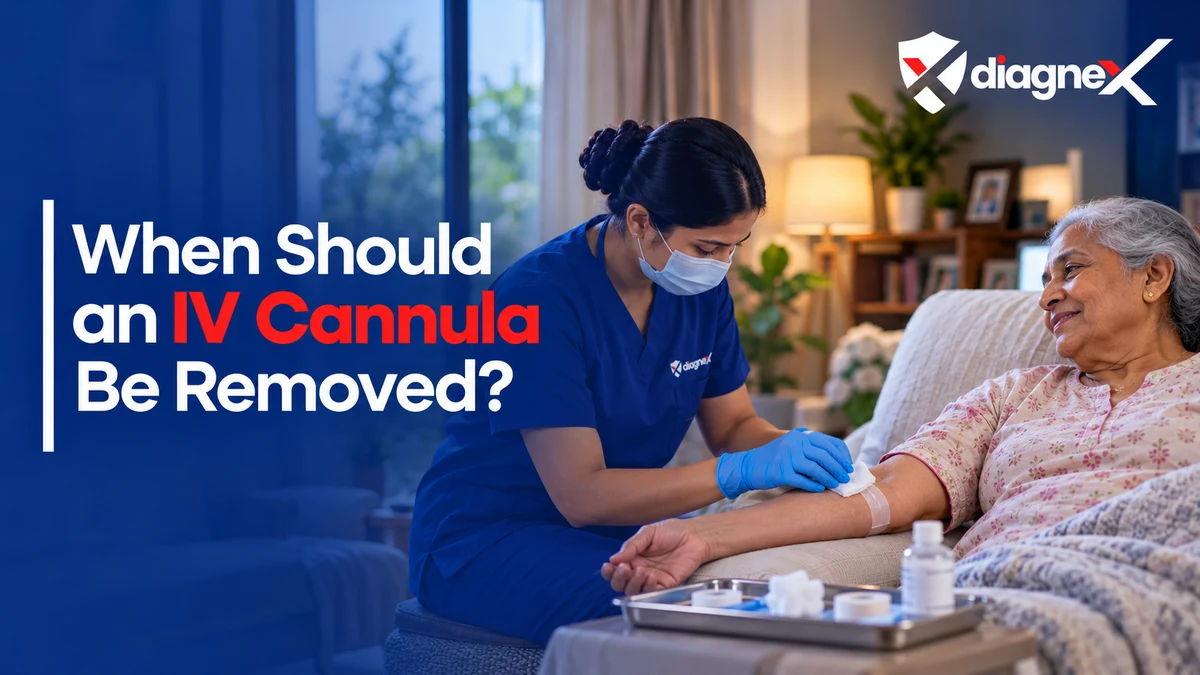
An IV cannula should be removed when it is no longer clinically needed, when the prescribed IV treatment is complete, or when the cannula develops a problem such as pain, phlebitis, suspected infection, infiltration…
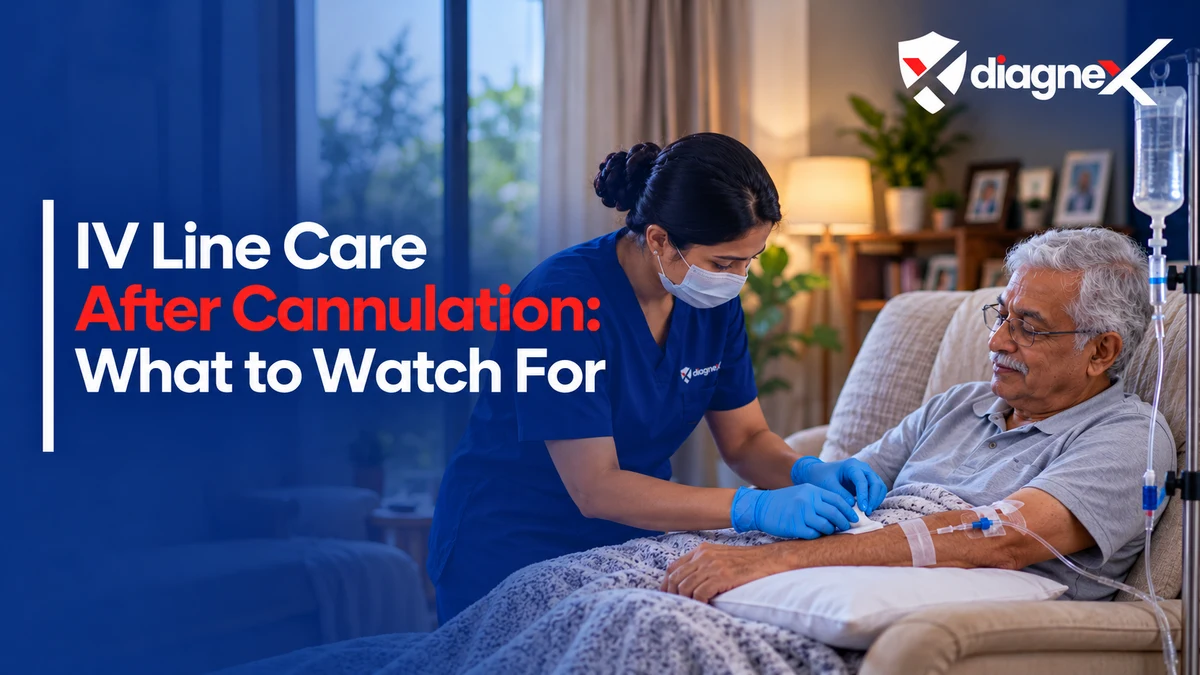
IV line care at home begins after the cannula has been inserted.

A long-duration IV infusion at home can allow selected patients to receive prescribed medicine, fluids or nutrition over several hours - or sometimes continuously - without remaining in hospital for the full treatment.
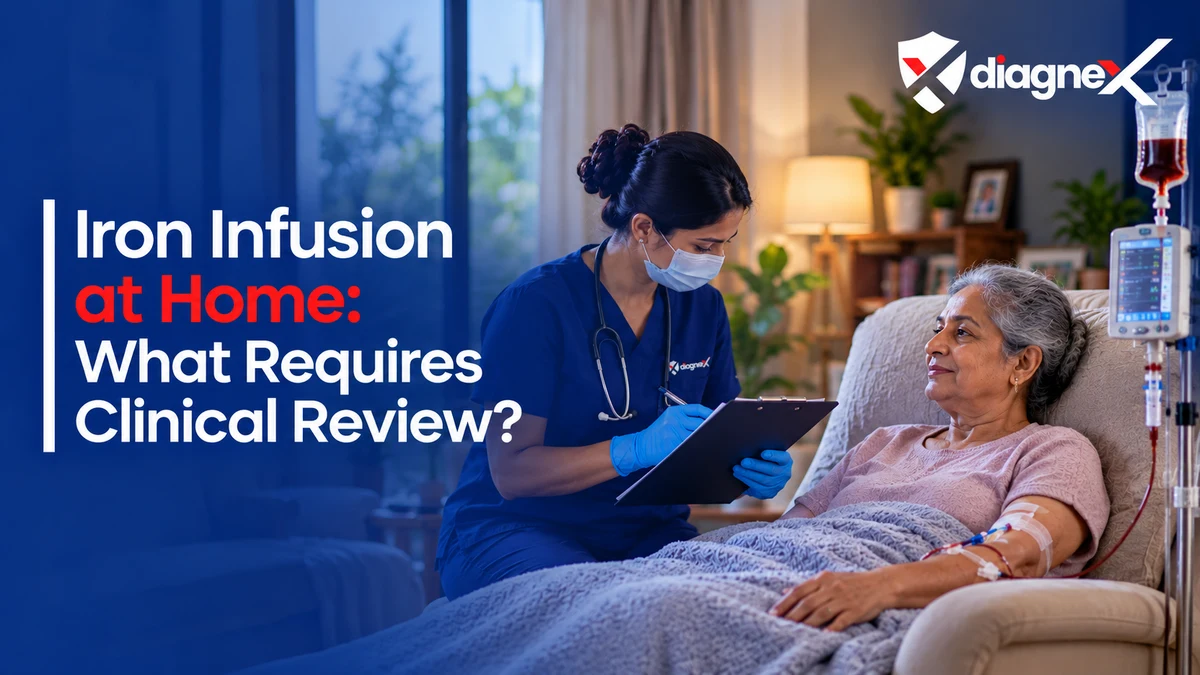
An iron infusion at home may be considered for selected patients with a confirmed need for intravenous iron, but it requires more clinical review than a routine saline drip or simple nurse IV visit.

A saline drip at home may be prescribed when a patient needs intravenous fluid and is clinically stable enough for the treatment to be delivered safely outside a hospital.

The cost of an IV drip at home is not one fixed nursing fee.

Yes. Selected patients can receive prescribed IV antibiotics at home when the infection, antibiotic, vascular access, monitoring plan and home-care support are appropriate.
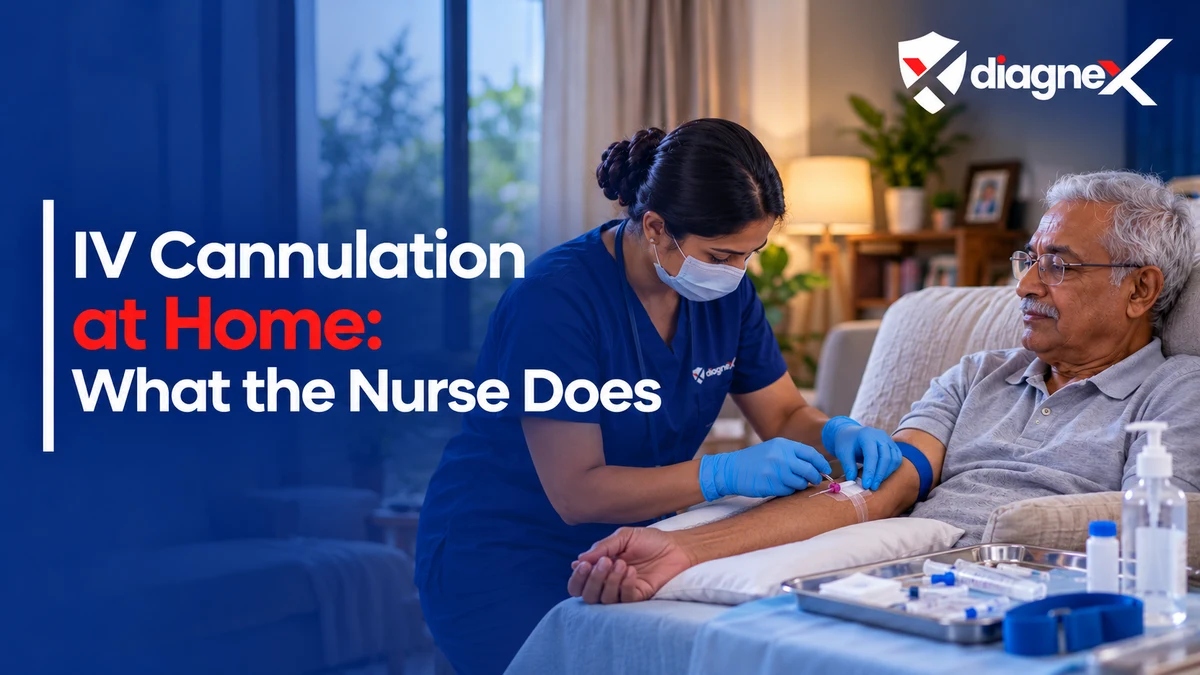
IV cannulation at home is the placement of a short intravenous catheter into a suitable vein so prescribed IV medicines or fluids can be given without the patient travelling to a clinic or hospital.

An IV infusion and an IV injection both deliver treatment through a vein, but they are not the same type of administration.
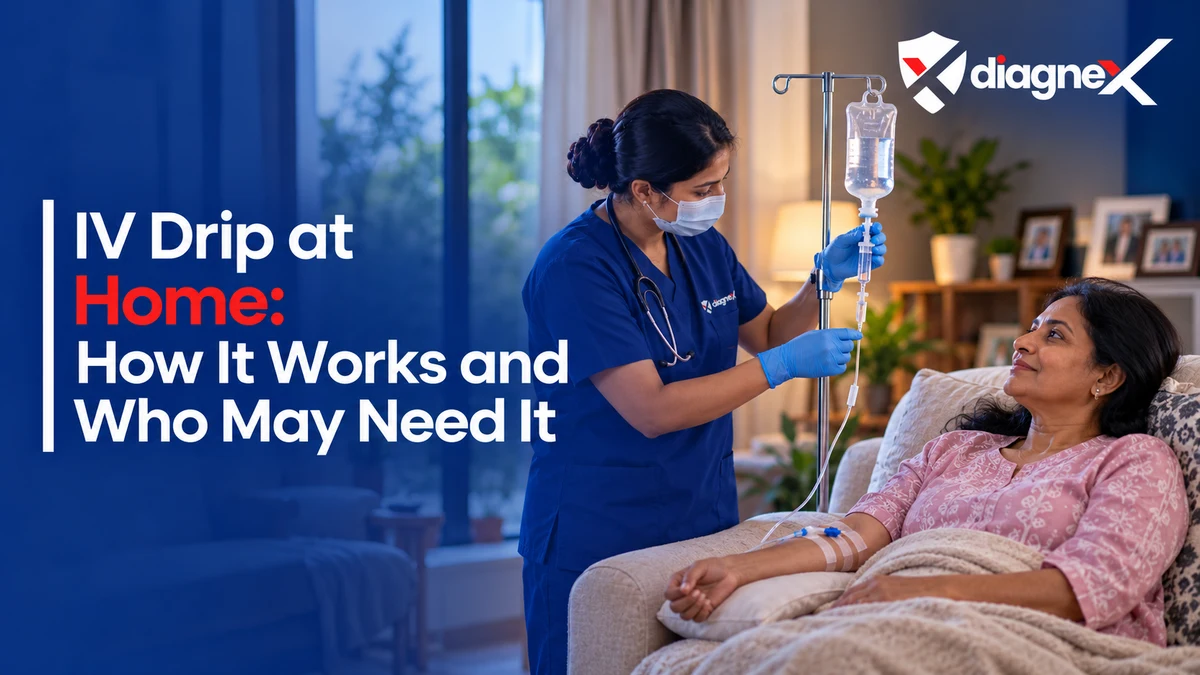
An IV drip at home may be appropriate when a patient has a clear clinical reason for intravenous fluids or medicine, is stable enough for treatment outside a hospital, and an appropriately qualified professional can…

An antibiotic injection at home may be appropriate when a doctor has already assessed the infection, the injectable antibiotic is clearly prescribed, the patient is stable enough for home care, and an appropriately…

Vitamin B12 and vitamin D injections may sometimes be prescribed for people who need replacement treatment but cannot or should not manage the treatment in the usual oral form. When an injection is prescribed, having a…
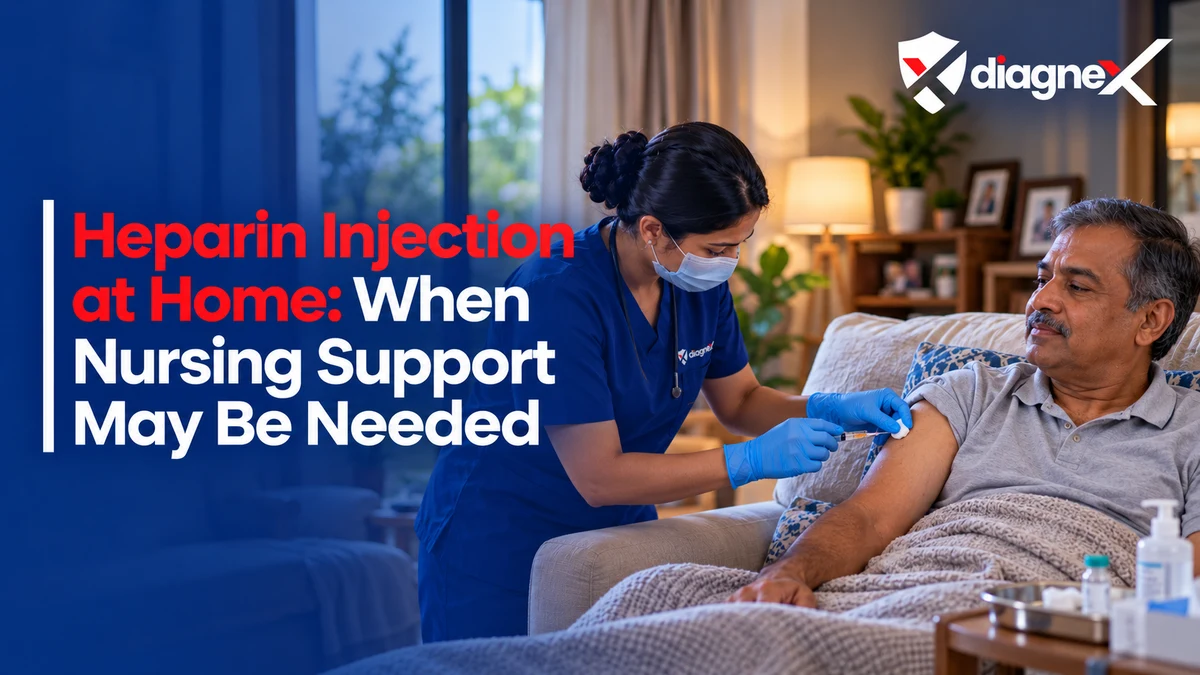
A heparin injection at home may be appropriate when an anticoagulant has already been prescribed, the patient is clinically stable, the dose and schedule are clear, and the treatment has been assessed as suitable for…

Insulin injection support at home can help patients who have already been prescribed insulin but need assistance administering it safely, organising the routine, recording glucose readings or training a family caregiver…
The cost of an injection at home is not one universal fee.
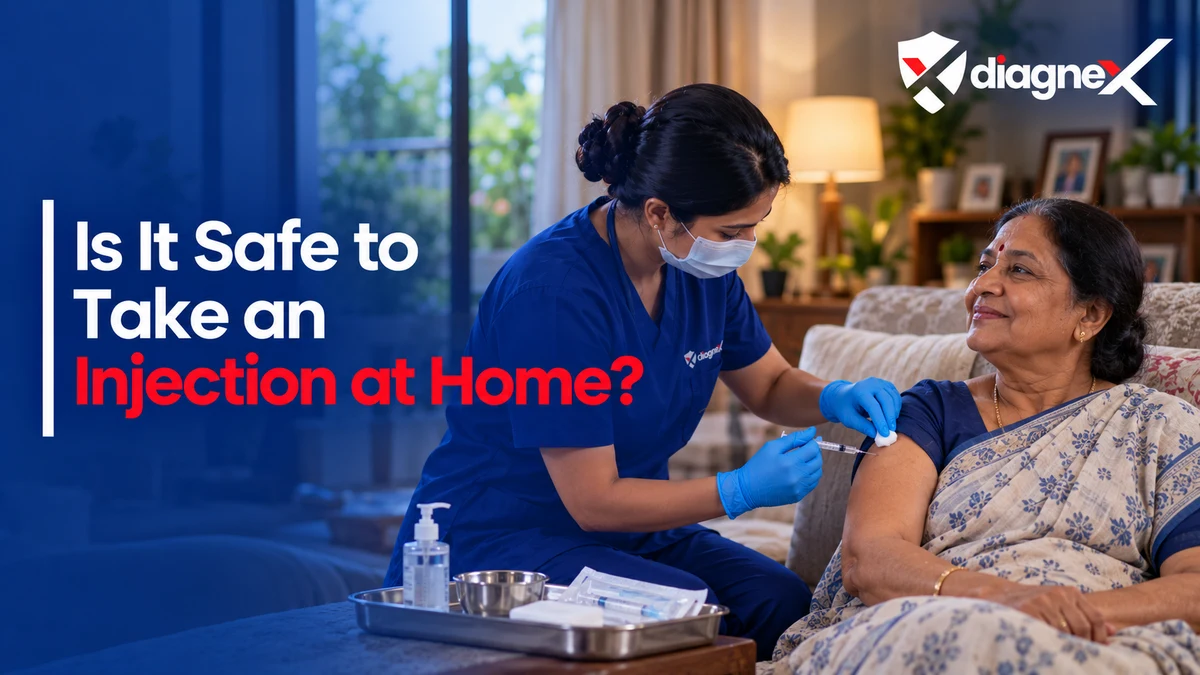
Yes, many prescribed injections can be given safely at home when the patient is clinically suitable, the medicine and route are clearly prescribed, an appropriately qualified professional performs the injection, safe…
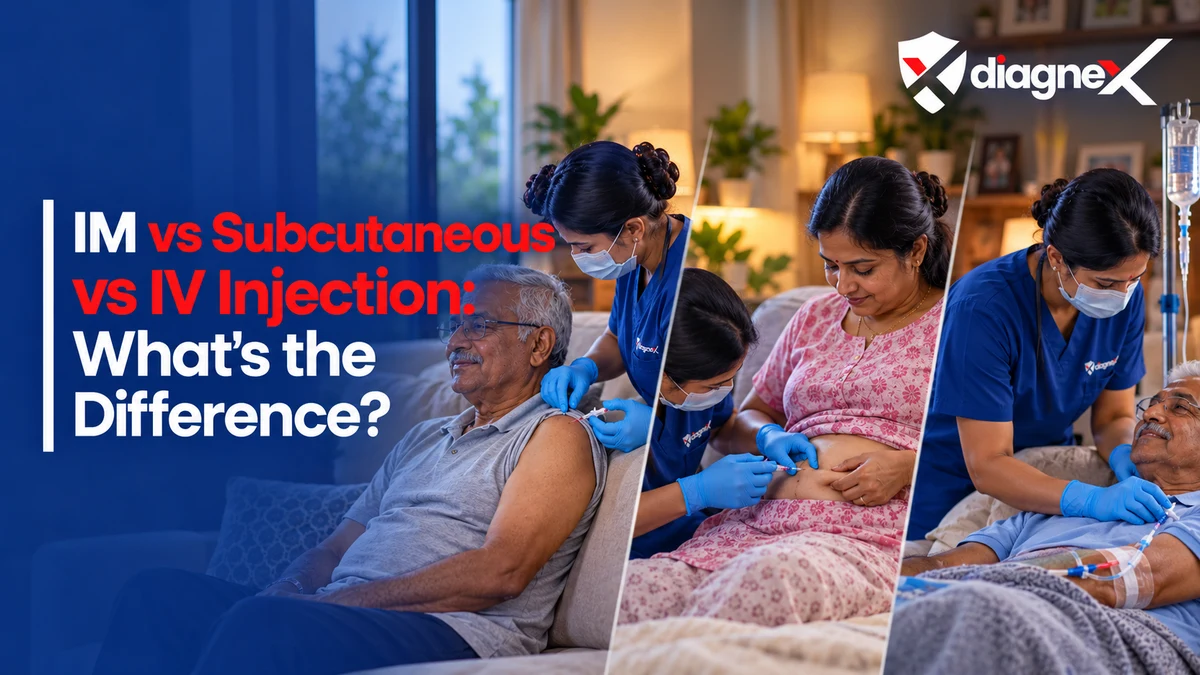
IM, subcutaneous and IV injections deliver medicine to different parts of the body.
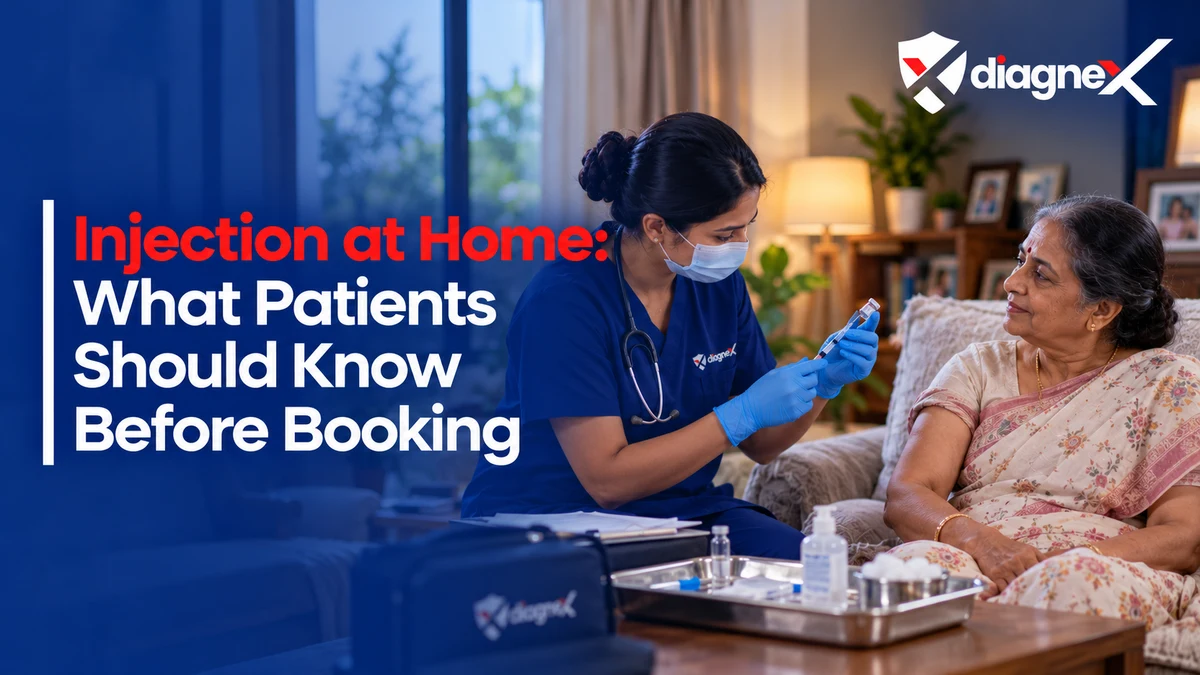
An injection at home can be a practical option when a patient already has a clear treatment plan and needs an appropriately qualified professional to administer a prescribed injection without travelling to a clinic or…

A short-visit nurse is usually appropriate when a stable patient needs one clearly defined nursing procedure - such as a wound dressing, prescribed injection, catheter-related procedure, blood sample collection or…

A clinical procedure at home for an elderly patient can reduce difficult travel and help continue care in a familiar environment when the patient is stable and the procedure is appropriate for home delivery.

A home procedure for a bedridden patient is often part of a wider care plan rather than an isolated visit.
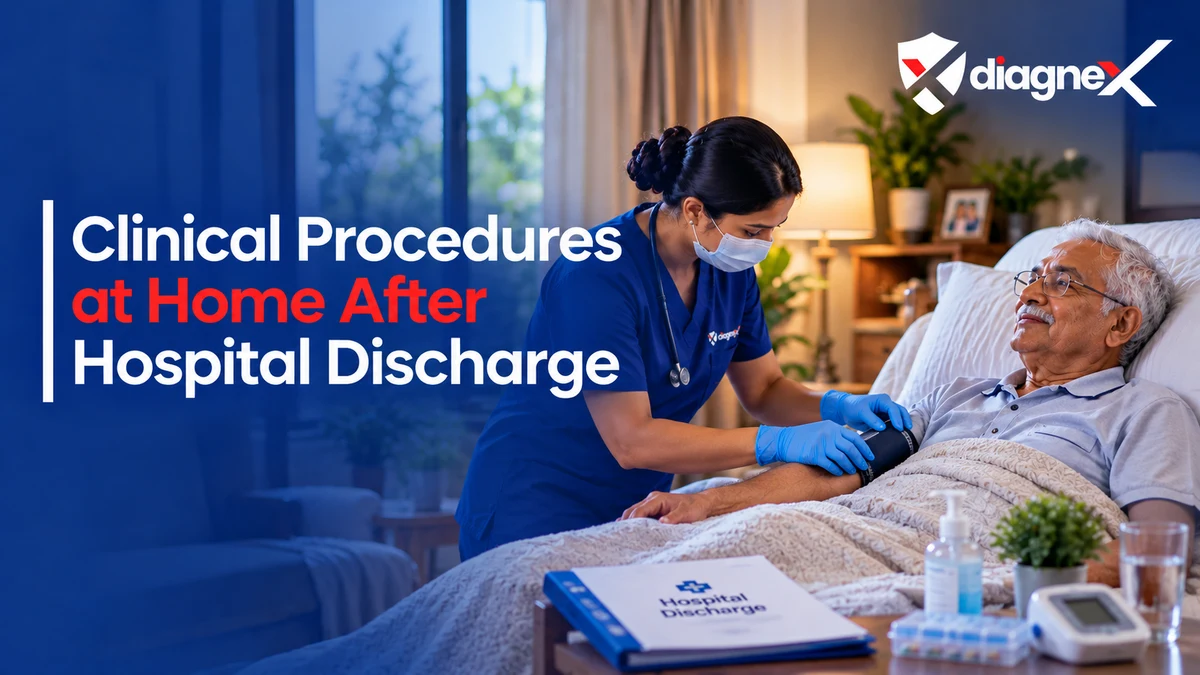
A clinical procedure at home after hospital discharge can help continue a treatment plan without requiring the patient to return to a hospital for every dressing, injection, blood test, catheter procedure or selected IV…
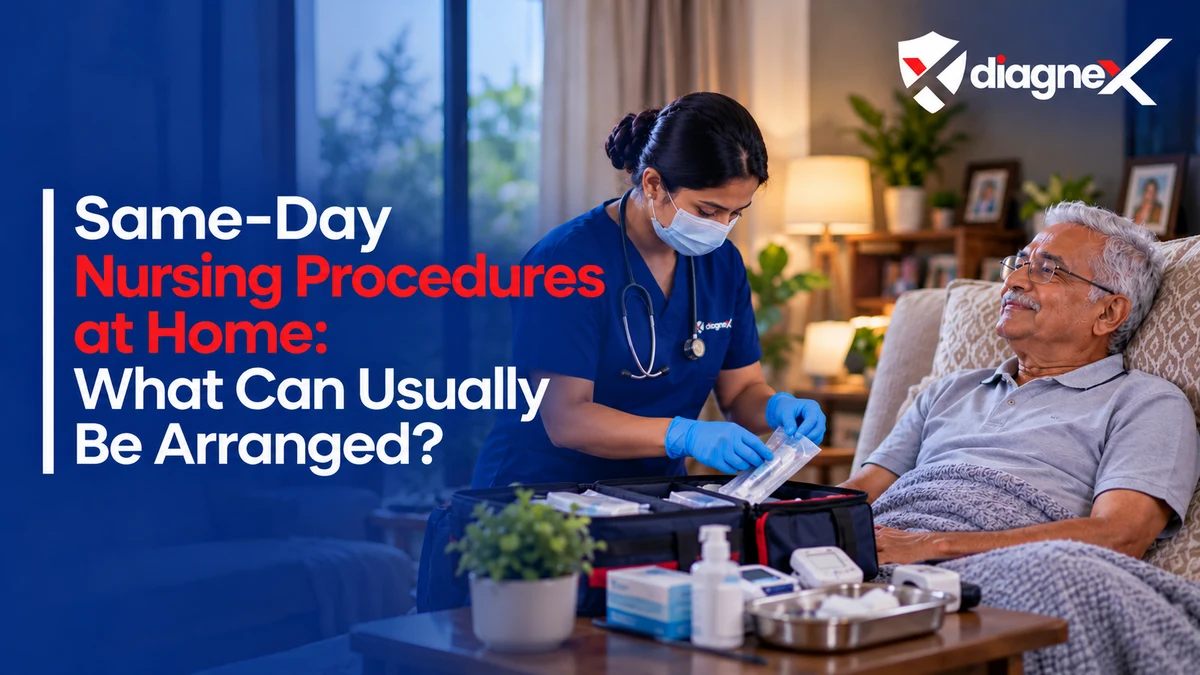
A same-day clinical procedure at home may be possible when the patient is stable, the required procedure is clear, the correct nurse or other professional is available, the necessary prescription or clinical instruction…
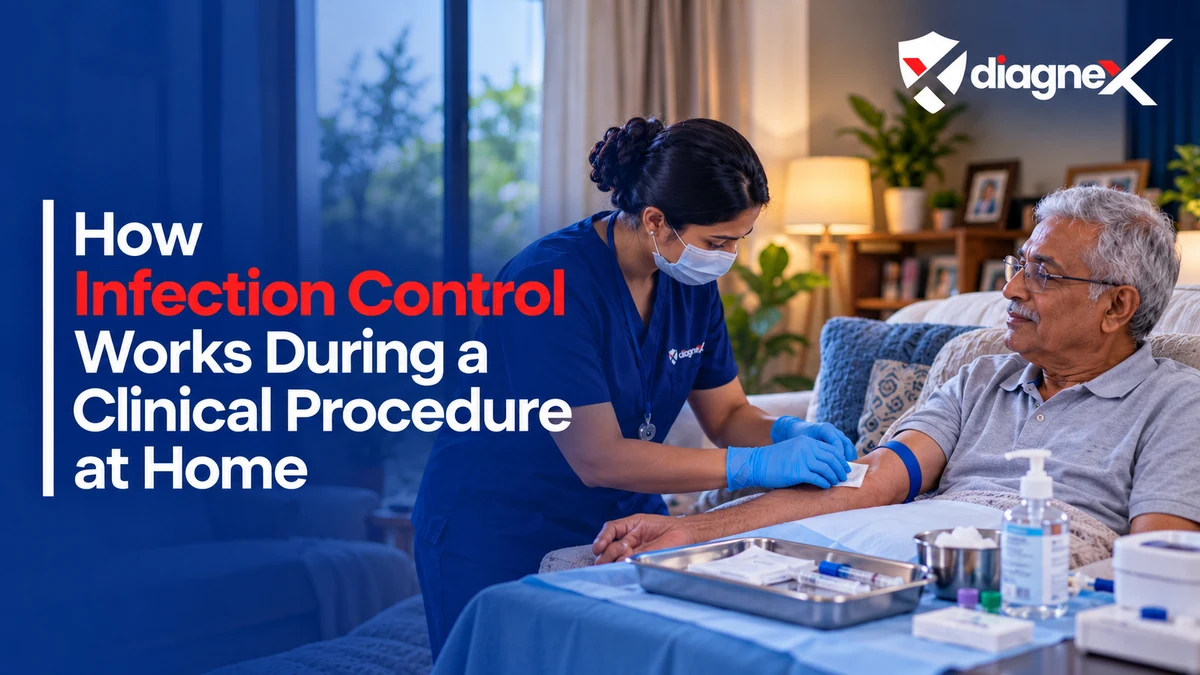
Infection control during a clinical procedure at home follows the same core principle as infection control in a hospital: reduce the chance that germs move from hands, surfaces, equipment, medicines, waste or one body…
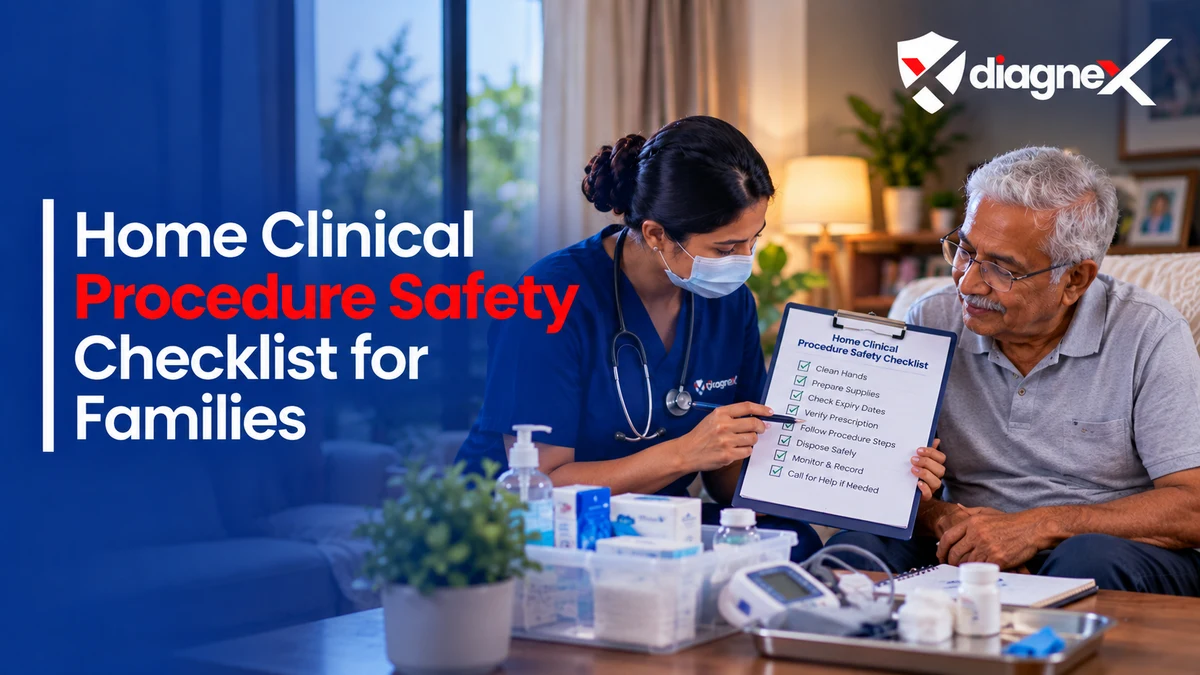
A home procedure safety checklist can help families prepare for a wound dressing, injection, IV-related treatment, catheter procedure, tube-related procedure or another nurse visit at home without trying to become the…
Sometimes yes, but not every clinical procedure at home requires the same kind of document.
A medical procedure may be suitable at home when the patient is clinically stable, the procedure can be performed safely without hospital-only resources, the correct professional and equipment are available, and there is…

A nurse visit for a procedure at home usually follows a clear sequence: the requirement is confirmed before the visit, relevant clinical instructions are checked, the nurse verifies the patient and planned procedure…
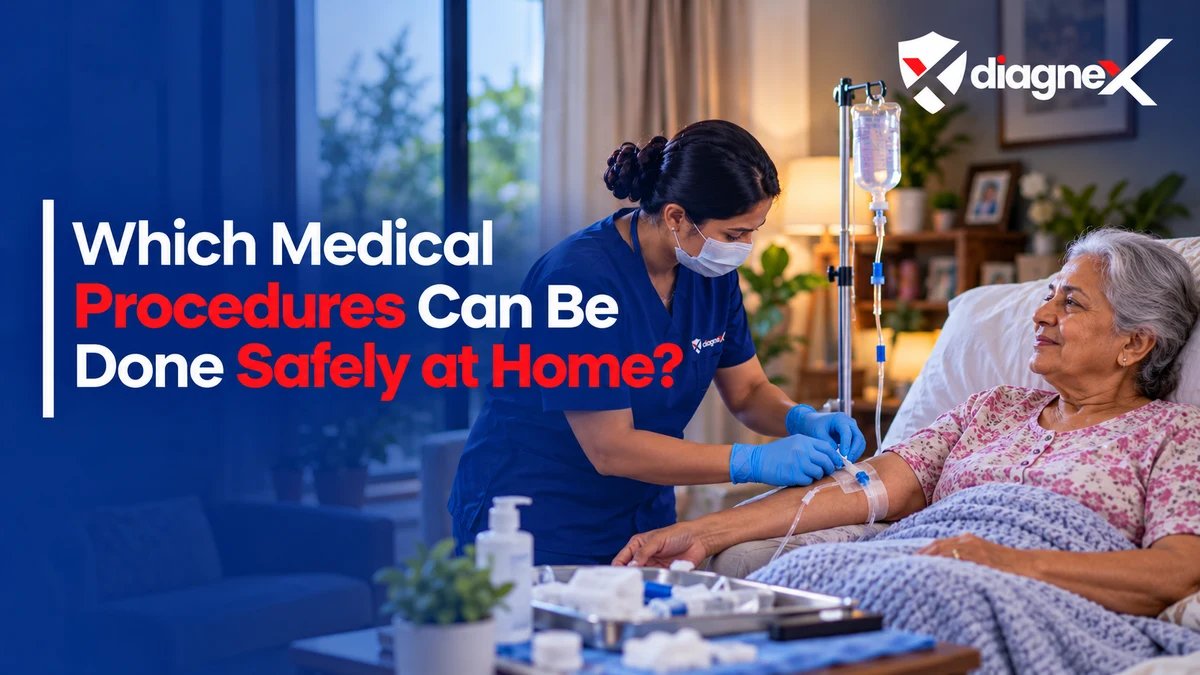
Many medical procedures can be done at home when the patient is clinically suitable, the procedure does not require hospital-only resources, the correct professional is available, and there is a clear plan for monitoring…
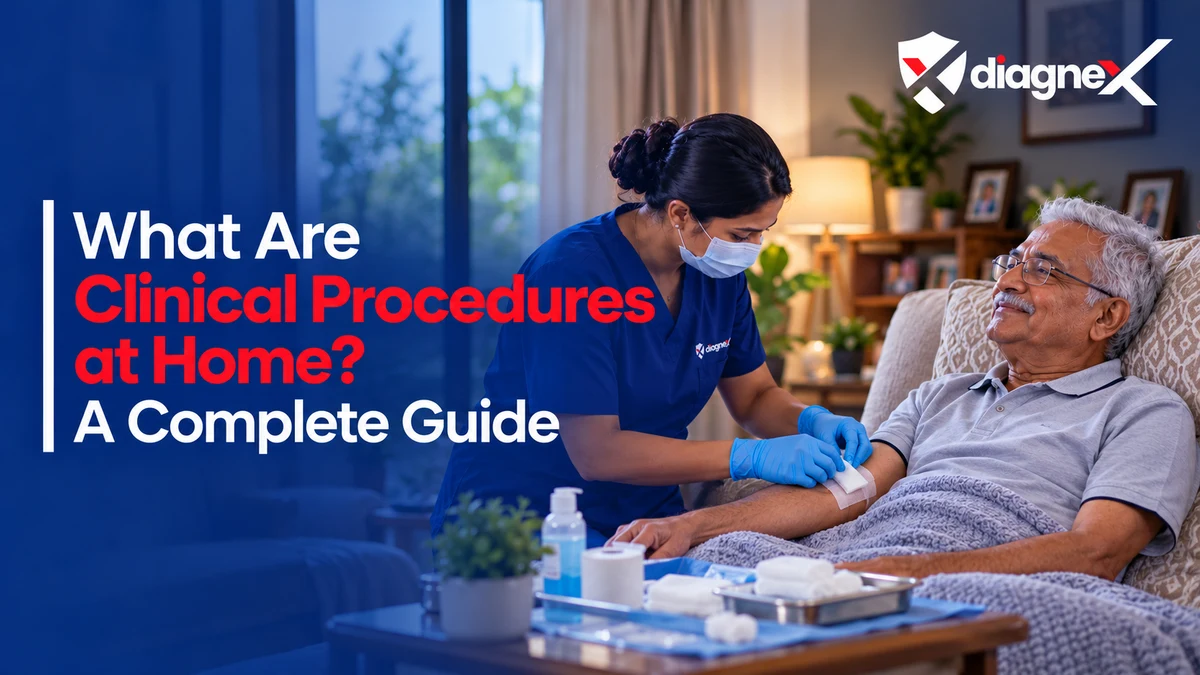
Clinical procedures at home are healthcare interventions carried out in a patient’s residence by an appropriately qualified professional when the patient, the procedure, the home setting and the clinical plan make home…