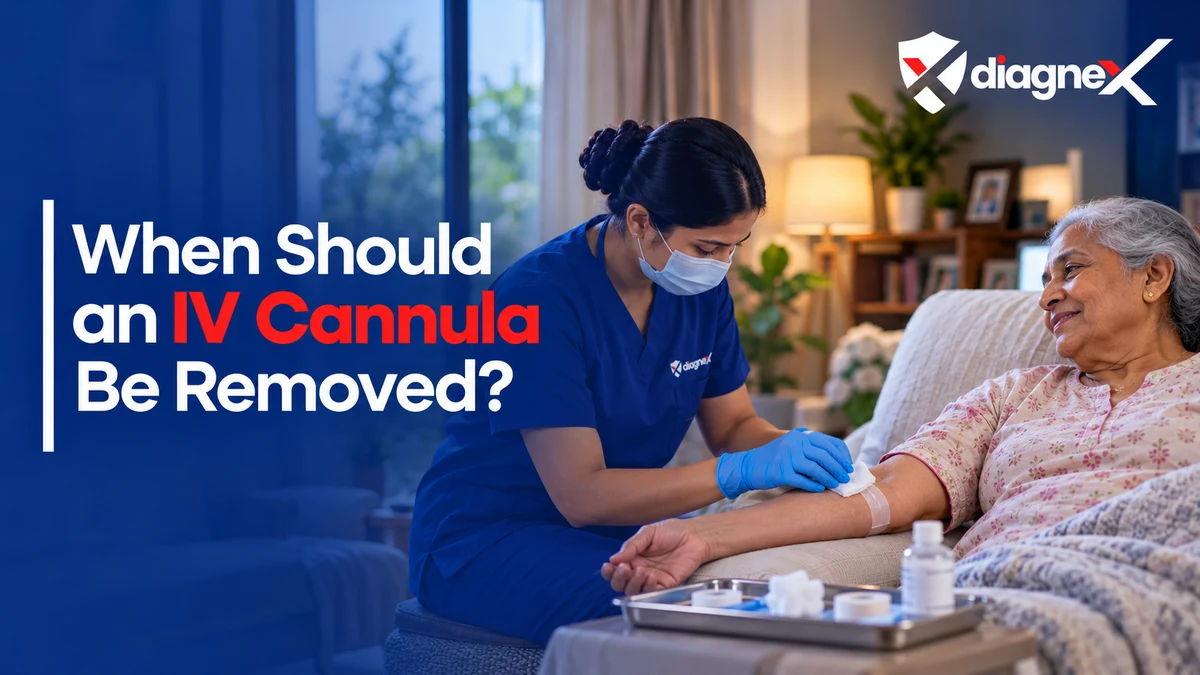
An IV cannula should be removed when it is no longer clinically needed, when the prescribed IV treatment is complete, or when the cannula develops a problem such as pain, phlebitis, suspected infection, infiltration, leakage, displacement or malfunction. The decision should not be based only on how long the cannula has been in place. Current WHO guidance allows either scheduled replacement or clinically indicated removal of peripheral IV cannulas, depending on the care setting and protocol. It also recommends that peripheral cannula sites be inspected at least daily for signs of inflammation and infection. CDC guidance similarly recommends removing a peripheral venous catheter when phlebitis, infection or catheter malfunction develops.
For families, the practical rule is straightforward: Keep a peripheral IV only while it is still needed, functioning and free from complications. A cannula should not be kept “just in case” after treatment is finished simply to avoid another insertion later. For broader aftercare guidance, see IV Line Care After Cannulation: What to Watch For.
The Short Answer: When Should an IV Line Be Removed at Home?
- The IV treatment is complete
- No further IV medicine or fluid is planned
- The cannula is painful
- The site becomes red, warm or tender
Swelling develops. The IV is leaking. The cannula is blocked or no longer functioning. The dressing or device has become unsafe to maintain. The cannula is partially or fully dislodged.
There are signs of local infection. Phlebitis is suspected. Infiltration or extravasation is suspected. The treating team changes the vascular-access plan. The line should also be reassessed regularly even when none of these problems are obvious. Removal is not a treatment failure. It is part of safe IV care.
What Is a Peripheral IV Cannula?
A peripheral IV cannula is a short flexible catheter inserted into a vein, usually in the hand or arm, to provide temporary intravenous access. The needle used for insertion is removed after placement. The flexible catheter remains in the vein until it is no longer needed or until a complication means it should be removed. Those devices have different removal requirements and should not be removed using peripheral-cannula guidance. For the insertion process, see IV Cannulation at Home: What the Nurse Does.
- IV medicines
- IV antibiotics
- Prescribed fluids
- Short infusions
- Other authorised treatments
- A PICC line
- A central venous catheter
- An implanted port
- A dialysis catheter
1. Remove the Cannula When IV Treatment Is Complete
- The prescribed IV medicine course is complete
- The one-time infusion has finished
- No additional IV dose is planned
No other IV therapy is expected. then the cannula may no longer have a clinical purpose. CDC recommends promptly removing intravascular catheters that are no longer essential. A line should remain because it is needed - not because another IV treatment might possibly be requested later.
- Phlebitis
- Infection
- Infiltration
- Bleeding
- Dislodgement
Should a Cannula Stay In After a One-Time IV Drip?
Usually not if no further IV treatment is planned. the cannula will often be removed once the treatment is finished and the patient no longer needs IV access. The treating or home-care team should decide based on the actual plan. For one-time IV fluid use, see Saline Drip at Home: When It May Be Prescribed.
- One prescribed saline infusion
- One short IV medicine dose
- One completed infusion visit
2. Remove the Cannula if the Site Becomes Painful
New or increasing pain is a warning sign. A newly inserted cannula can be mildly tender initially. Persistent or worsening pain is different. The line should be assessed before another dose is given. If pain is significant, the cannula may need removal even if it still flushes or appears to work. A line that “still works” is not automatically a safe line.
- Phlebitis
- Infiltration
- Extravasation
- Catheter movement
- Local irritation
- Infection
3. Remove the Cannula if Phlebitis Develops
Phlebitis means inflammation of the vein. Continuing to use an inflamed vein can worsen discomfort and increase complication risk. Choose another access site if IV treatment is still necessary. Escalate for medical review if symptoms are significant.
- Warmth
- Tenderness
- Redness
- Pain
- Swelling
- A firm or cord-like vein
- CDC specifically recommends removing peripheral venous catheters when phlebitis develops
- Remove the cannula
- Assess the site
- Document the finding
4. Remove the Cannula if Infection Is Suspected
- Increasing redness
- Warmth
- Pain
- Swelling
- Drainage
- Pus
- Increasing tenderness
- Fever
- Chills
- Red streaking
- Clinical deterioration
- Cannula removal
- Clinical review
- Further assessment for another infection source
- Blood tests or treatment depending on the situation
5. Remove the Cannula if Infiltration Is Suspected
Infiltration occurs when IV fluid or a non-vesicant medicine leaks out of the vein into surrounding tissue. A cannula that has infiltrated should not continue to be used. Use a new access site if treatment must continue. The exact aftercare depends on what fluid or medicine was being infused.
- Swelling
- Coolness
- Tightness
- Pain
- Leakage
- Slow or stopped infusion
- Stop the infusion
- Remove the cannula
- Assess the limb
6. Remove the Cannula if Extravasation Is Suspected
Extravasation is leakage of an IV medicine that can damage surrounding tissue. This requires prompt clinical assessment. The response can be medicine-specific. Remove the line independently unless instructed, because some extravasation protocols require the catheter to remain briefly for aspiration or other treatment. Contact the clinical team promptly. The key point is that the line should no longer be treated as routine usable access.
- Burning
- Severe pain
- Swelling
- Blistering
- Skin colour change
- Tightness
- Poor flow
- Massage the area
- Force the infusion to continue
7. Remove the Cannula if It Stops Working Properly
- Require repeated positional adjustment
- CDC recommends removal when a peripheral catheter is malfunctioning
- Do not force fluid through a blocked cannula
- If continued IV treatment is required, the nurse should assess whether new access is needed
- Stop flowing
- Become blocked
- Leak
- Repeatedly trigger occlusion alarms
- Fail to flush
- Cause pain during use
- Kinking
- Catheter movement
- Clotting
- Infiltration
- Mechanical failure
8. Remove the Cannula if It Becomes Dislodged
- Do not reinsert it
- Apply clean pressure if there is bleeding
- Contact the nurse if ongoing IV access is still required
- A removed cannula is not reusable
- More catheter visible than before
- Loose dressing
- Bleeding
- Pain
- Leakage
- Loss of flow
9. Remove the Cannula if the Dressing or Site Can No Longer Be Maintained Safely
A dressing that is wet, loose, visibly soiled, or no longer securing the catheter needs attention. Sometimes the dressing can be replaced and the cannula retained if the site remains healthy and the device is still secure. If the catheter has moved, the insertion site has become contaminated, the dressing cannot be restored safely, or there are signs of inflammation or infection, the cannula may need removal. The decision depends on the actual site assessment.
10. Remove the Cannula if the Treatment Plan Changes
- IV treatment can stop
- The medicine can switch to oral treatment
- Another access device is more appropriate
The patient needs hospital treatment instead. The treatment course is shorter than originally planned. When the IV indication ends, the peripheral cannula should not remain simply because it was originally expected to be needed longer.
Can a Cannula Stay In Between Doses?
- Further IV treatment is definitely planned
- The site remains healthy
- The line is functioning
The dressing is intact. The device is secure. The provider's protocol allows continued use. This is common in some short home IV courses. But the line should be checked before each use. For home antibiotic treatment, see Can IV Antibiotics Be Given at Home?
Can a Cannula Stay In Overnight?
- Ongoing access is still clinically needed
- The site is healthy
- The patient can protect the line
The dressing is secure. There is an appropriate monitoring plan. Extra caution may be needed when the patient: Is confused. Is likely to pull the line.
Has fragile skin. Takes anticoagulants. Cannot report pain or swelling reliably. The presence of a cannula overnight should have a clear purpose.
How Long Can an IV Cannula Stay In?
There is no one universal duration that applies to every patient and every service. WHO notes that common scheduled replacement practice is often within 72 to 96 hours, while also recognising clinically indicated removal as an accepted approach. Local provider policies may differ.
- Scheduled removal
- Clinically indicated removal
- It also recommends at least daily inspection of the site for signs of inflammation and infection
Why the 72- to 96-Hour Rule Is Not the Whole Story
Older protocols often emphasised routine replacement every 72 to 96 hours. Current evidence is more nuanced. WHO's current guidance allows either scheduled or clinically indicated removal depending on context. The practical patient-facing message is: The line should be reviewed regularly.
The line should come out when no longer needed. The line should come out when complications develop. Local policy may still specify a maximum routine duration.
- Removing every line automatically without considering the patient
- Leaving a line indefinitely because it still appears usable
What Does “Clinically Indicated Removal” Mean?
Clinically indicated removal means the line is removed when there is a clinical reason rather than only because a fixed time has elapsed. Loss of clinical need. Ongoing assessment remains essential.
- Treatment completion
- Pain
- Phlebitis
- Infiltration
- Extravasation concern
- Infection concern
- Malfunction
- Dislodgement
- “No time limit.”
- “No site checks.”
- “Keep the line until it fails.”
Who Should Remove an IV Cannula at Home?
- A nurse
- Another appropriately trained clinical professional
- A trained patient or caregiver only within a formal programme that specifically authorises it
- Hand hygiene
- Dressing removal
- Catheter removal
- Checking the catheter appears intact
- Applying pressure
- Inspecting the site
- Documenting removal
What Happens During IV Line Removal?
- Confirms the cannula is ready to be removed
- This should be quick in uncomplicated cases
- This article does not provide technical removal instructions for untrained self-removal
- Stops any infusion
- Removes the securing dressing
- Withdraws the catheter
- Checks the site
- Applies clean pressure
- Covers the site if needed
- Documents removal
- Explains what to watch for afterwards
What Should the Site Look Like After Removal?
- Bleeding should stop with appropriate pressure
- There may be mild temporary tenderness
- A small bruise may appear
- The puncture site should close
- These changes should be reported
- Persistent bleeding
- Increasing pain
- Increasing redness
- Swelling
- Warmth
- Drainage
- Fever
How Long Should Pressure Be Applied After Removal?
- Takes anticoagulants
- Has a bleeding disorder
- Has low platelets
Bleeds easily. The nurse should ensure bleeding has stopped before leaving. Persistent bleeding needs further review.
What if Part of the Cannula Appears Missing?
A peripheral IV catheter should be checked after removal to confirm it appears intact. If there is concern that part of the catheter is missing or has broken: Do not ignore it. Do not probe the site. Seek prompt medical assessment. This is uncommon but requires appropriate review.
What if the Patient Still Needs IV Treatment After Removal?
- A new peripheral IV cannula
- A more experienced IV nurse
- Ultrasound-guided access where available
- A midline
- A PICC
- Another vascular-access device
- Hospital or clinic administration
- Duration
- Medicine
- Vein quality
- Patient condition
- Previous access failures
When Repeated Cannula Replacement May Be a Sign to Reassess the Access Plan
- Failed access
- Phlebitis
- Infiltration
- Poor veins
- Long treatment duration
When those access problems recur, the treating team may need to reconsider the vascular-access strategy. CDC guidance suggests considering a midline or PICC rather than a short peripheral catheter when IV therapy is likely to extend beyond several days. That does not mean every long treatment needs a PICC. It means the access plan should match expected duration and treatment characteristics.
When Removal Should Not Be Delayed Until the Next Scheduled Visit
- Increasing pain
- Swelling
- Redness
- Leakage
- Blocked flow
- Cannula movement
- Wet or contaminated dressing
- Fever with site changes
- Suspected infiltration
- Suspected phlebitis
When Hospital or Urgent Review May Be Needed
- Severe spreading redness or swelling
- High fever with clinical deterioration
- Severe limb swelling
- Severe pain
- Suspected bloodstream infection
- Significant extravasation injury
- Uncontrolled bleeding
- A suspected retained catheter fragment
- Breathing difficulty
- Collapse
- Another acute clinical change
Can Families Remove an IV Cannula Themselves?
In some structured home-infusion programmes, patients or caregivers may be trained to remove a peripheral IV. That does not mean self-removal should be routine for everyone. For most families, especially when: The patient is elderly. The patient is anticoagulated.
The line is painful or swollen. There is bleeding. There is suspected infection. The patient is confused. professional removal is safer. If a provider expects the family to remove the line, training and clear written instructions should be part of the programme.
What Should You Ask the Nurse Before the Cannula Is Left In?
Ask: Why is the cannula staying? When is the next planned dose? How long is the line expected to remain? Who checks it before the next use?
What symptoms mean it should be removed? Who do we call if it becomes painful? What if the dressing gets wet? What if it comes out? Who removes it when treatment finishes? Does this provider use scheduled or clinically indicated replacement? These questions make the removal plan clear before the nurse leaves.
How Does IV Line Removal at Home Affect Cost?
- Included within another nursing visit
- Included with the final infusion
- Priced as a separate short procedure
- Bundled into a course of home IV therapy
Cost can differ when: The site needs clinical assessment. Bleeding is prolonged. A replacement cannula is required. Another infusion must continue. The patient requires a longer nurse visit. For broader IV pricing, see IV Drip at Home Cost: What Changes the Price?
How Diagnex Should Handle IV Line Removal Enquiries
For an IV line removal at home enquiry, Diagnex should first confirm: Is this a short peripheral IV cannula? Why was it inserted? Is IV treatment finished? When was the last dose?
Is another IV dose planned? Is there pain? Is there redness or swelling? Is the dressing wet or loose? Is the line blocked?
Has the line moved? Is there bleeding? Does the patient have fever? Is the patient taking anticoagulants? Was the line inserted by a hospital or home nurse?
If the patient has a PICC, central line, port or dialysis catheter, the enquiry should not be handled as routine peripheral-cannula removal. If there is suspected infection, significant swelling, severe pain or another complication, the request should be triaged as a clinical assessment rather than a simple removal procedure. If the family is unsure which service fits, use Find the Right Care.
For broader line maintenance, read IV Line Care After Cannulation: What to Watch For. For insertion, read IV Cannulation at Home: What the Nurse Does. For extended infusion therapy, read Long-Duration IV Infusions at Home: What Families Should Plan.
Frequently Asked Questions
When should an IV cannula be removed?
Can an IV cannula stay in overnight?
How long can an IV cannula stay in?
Should a cannula be removed if it hurts?
Should a cannula be removed if the site is red?
Can a blocked IV cannula be left in place?
Should the cannula be removed after the last IV antibiotic dose?
Can I remove an IV cannula at home myself?
What should I do if the cannula comes out on its own?
When does IV-site redness or swelling become urgent?
The Bottom Line
- Treatment is finished
- The line is no longer needed
- Infiltration or extravasation is suspected
The line leaks, blocks or stops functioning. The catheter becomes displaced. Time matters, but time alone is not the whole decision. Current WHO guidance supports both scheduled and clinically indicated peripheral-cannula removal depending on context, with regular site inspection. For families, the safest approach is not to count days in isolation. It is to know why the line is still there, check whether the site remains healthy, and remove it promptly when the indication ends or complications begin.
- Pain increases
- Phlebitis develops
- Infection is suspected
- The site swells
Sources and Medical References
This article provides general health information and is not a substitute for patient-specific medical advice, diagnosis or treatment. Peripheral IV removal should follow the treating or home-care team's protocol. PICCs, central lines, ports and dialysis catheters require device-specific clinical management.