
Browse Diagnex Elder Care articles on caregivers, geriatric care, home safety, daily routines and support for ageing parents.

Wheelchair transfers can become a major safety issue when an elderly parent has weakness, poor balance, pain or reduced mobility. A safe transfer is not simply a matter of lifting the person from one surface to another.…
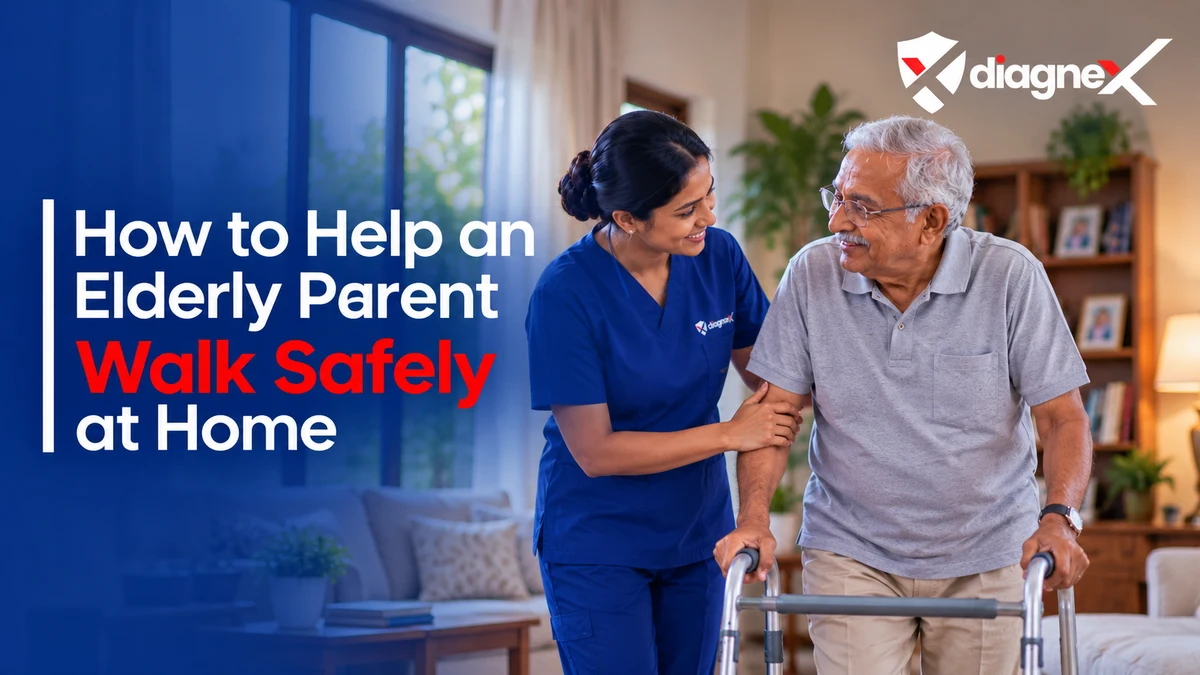
Walking assistance for elderly parents should make movement safer without creating unnecessary dependence. The aim is to give only the level of support the person needs, while helping them use appropriate footwear…

Night-time falls can be especially dangerous for older adults because they often happen when a person is sleepy, the home is dark, walking aids are out of reach or the person is rushing to the bathroom.

Age-related changes in balance, strength, vision and mobility can make ordinary bathroom routines more difficult.
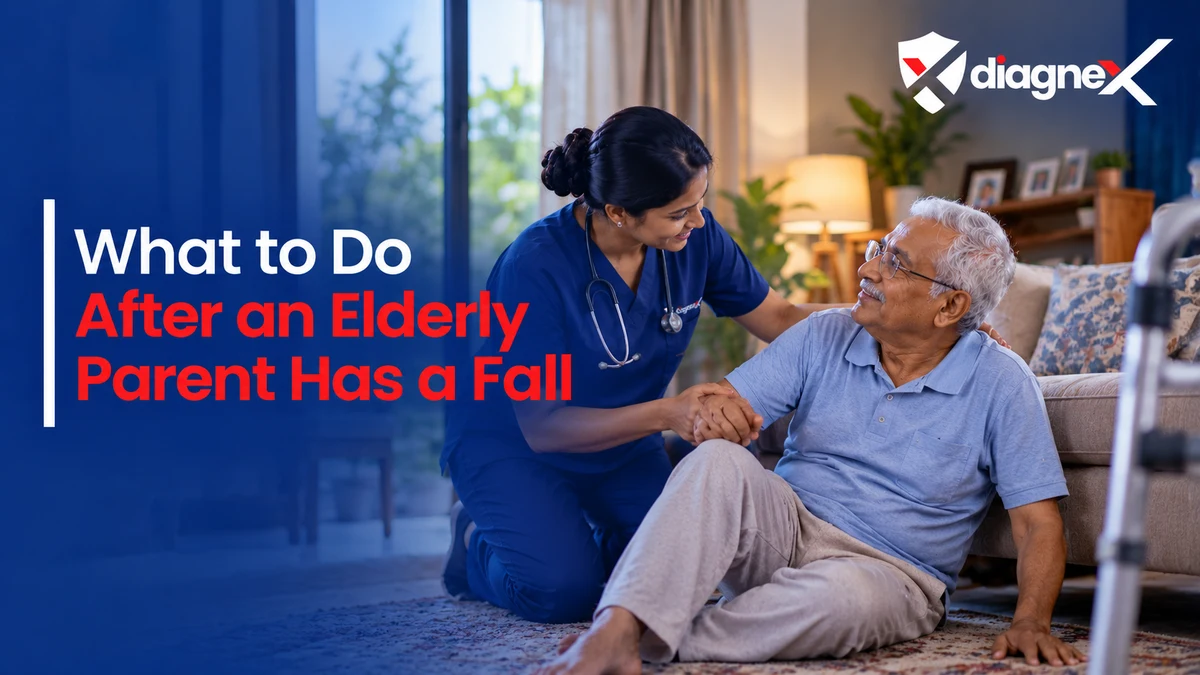
A fall in an elderly parent should be taken seriously, even when there is no obvious injury. The first priority is to check for signs that need urgent medical attention. After the immediate situation is safe, families…
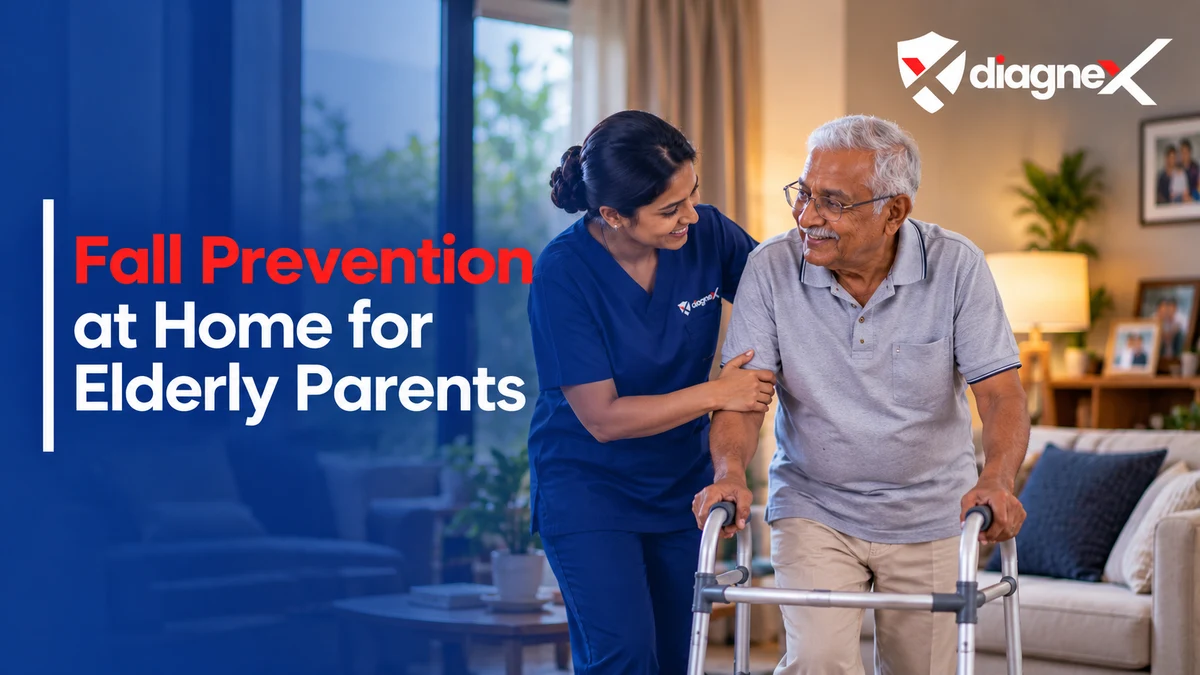
Falls are one of the most important safety concerns for older adults living at home. Preventing falls is not only about removing rugs or adding grab supports. A meaningful elderly fall prevention plan should also…
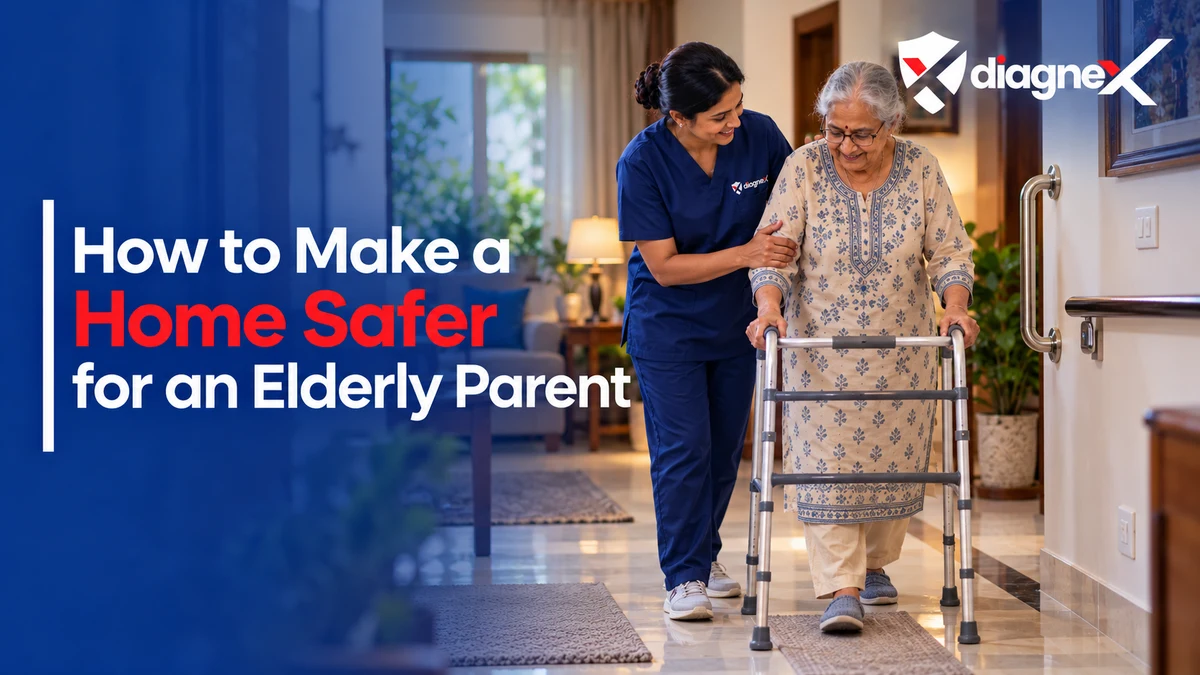
Making a home safer for an elderly parent is about reducing avoidable risks without making the home feel restrictive. Small changes to lighting, flooring, bathrooms, furniture, pathways and emergency access can make…

A safe daily routine for an elderly parent can make everyday life more predictable, comfortable and manageable. The goal is not to fill every hour with tasks. It is to create a rhythm that supports hygiene, meals…
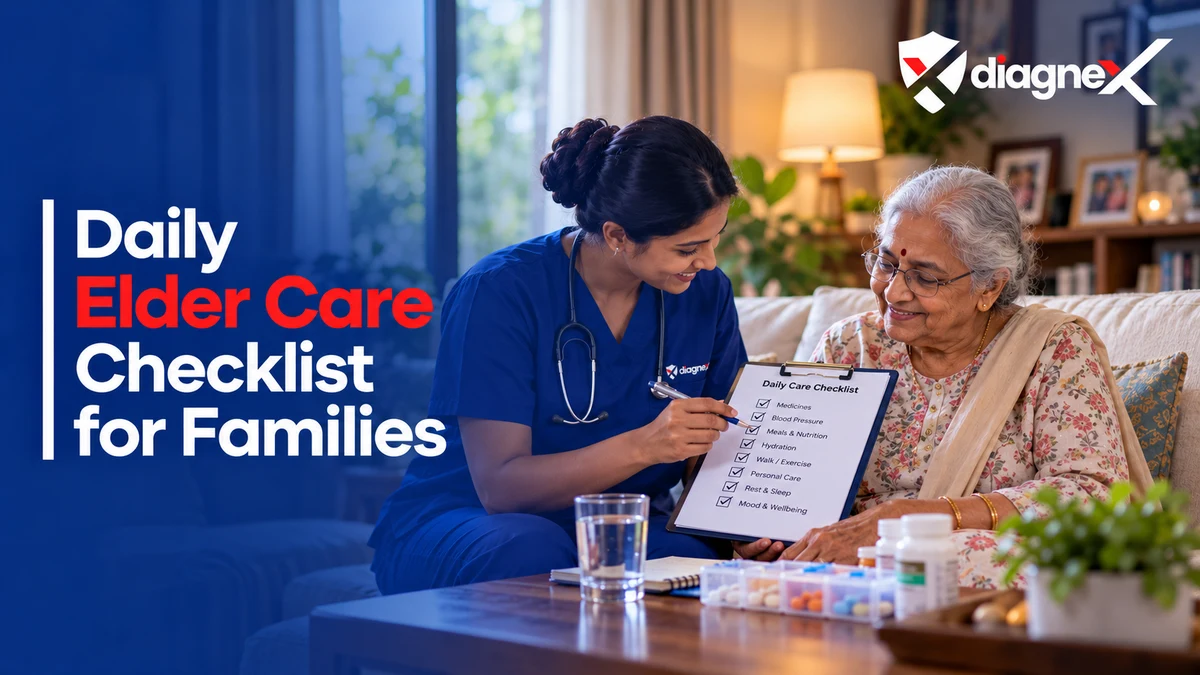
A daily elder care checklist helps families and caregivers follow a consistent routine without relying on memory or scattered instructions. It can make everyday care safer, reduce missed tasks and make it easier to…
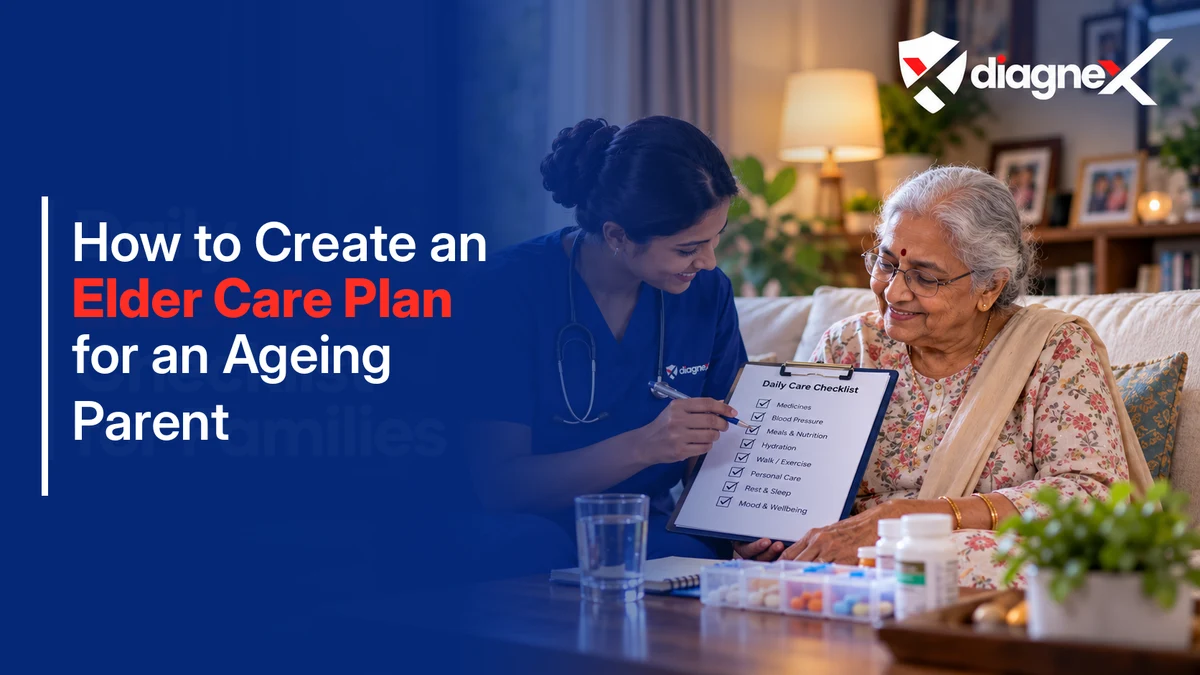
An elder care plan is a practical document that explains what support an ageing parent needs, who is responsible for each task, what should happen if something changes and how the family will review the arrangement over…

Families often wonder when an elderly parent needs a geriatrician rather than only routine medical follow-up. A geriatrician is a doctor who focuses on the health and functional needs of older adults, especially when…
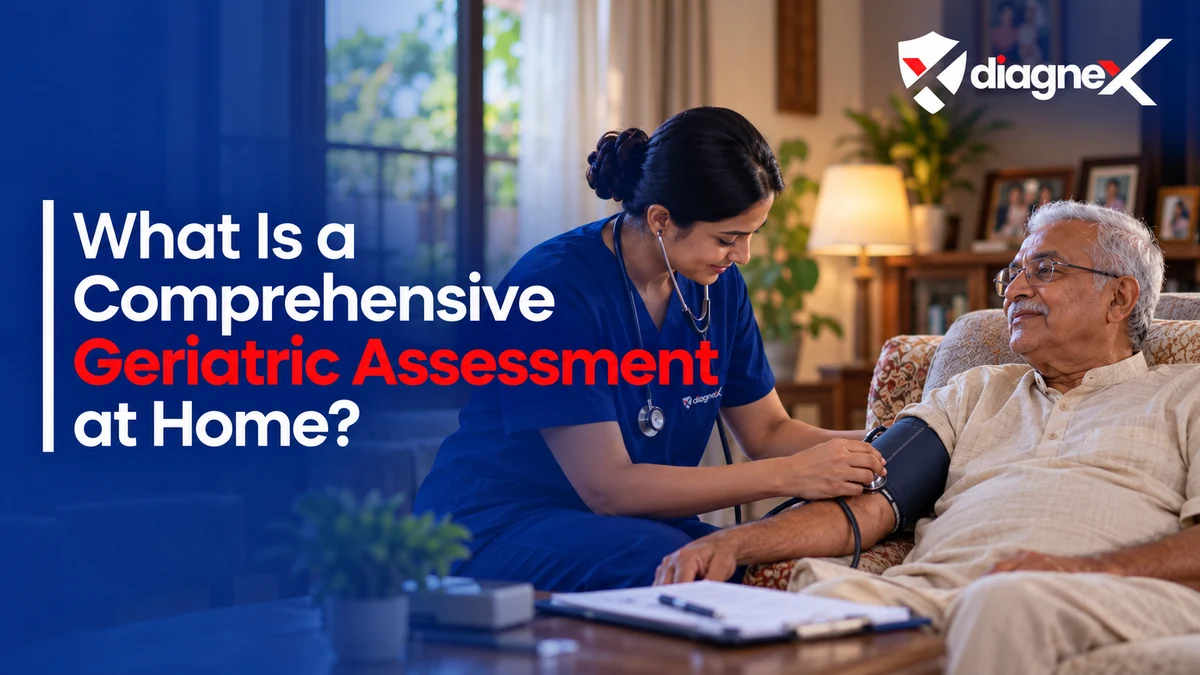
A comprehensive geriatric assessment, often shortened to geriatric assessment, is a multidimensional evaluation designed for older adults with complex or changing needs.
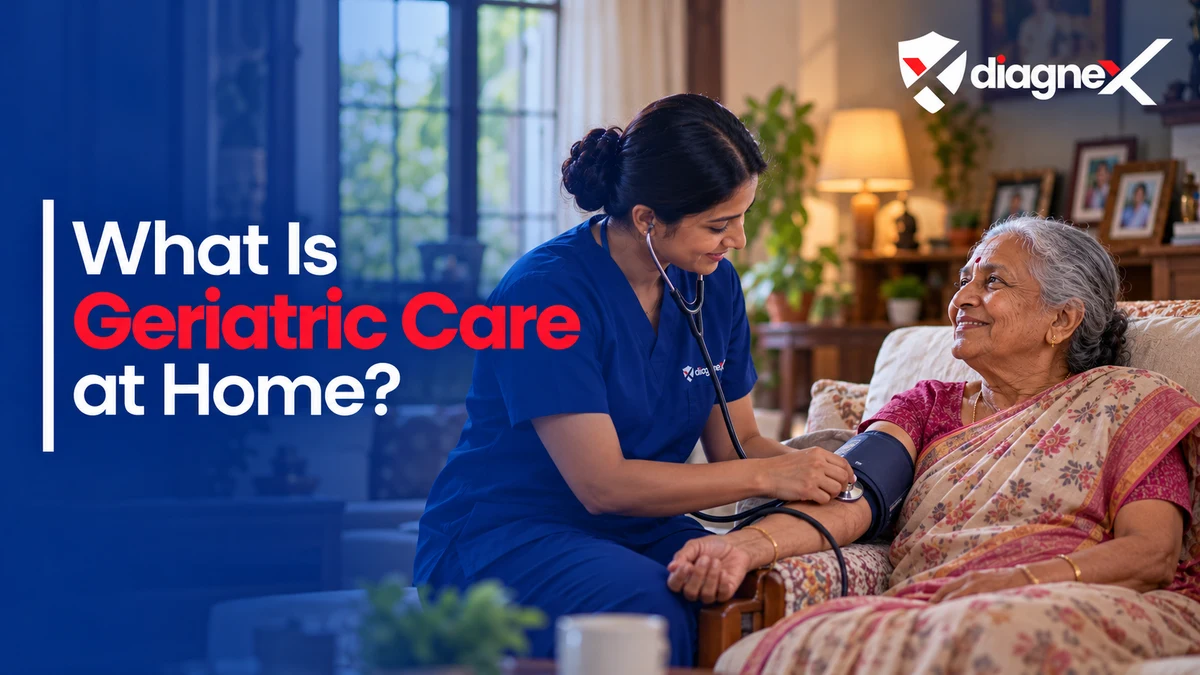
Geriatric home care brings this older-adult-focused approach into the person's home.
Many older adults want to remain in their own homes as they age. Familiar surroundings, established routines, nearby neighbours and a sense of independence can make home feel more comfortable than moving to a new care…
Families comparing home care vs assisted living for elderly parents are deciding between two different ways of organising everyday support. Home care allows an older person to remain in their own residence while…

Families deciding between elder care at home and an old age home are choosing between two different care settings, not simply two versions of the same service. Home care allows an older person to remain in familiar…
Respite care for elderly family members is temporary support arranged so that the person who normally provides care can take a break, attend to work or family responsibilities, travel, recover from illness, or simply…
Families arranging elderly home care often need to decide not only how many hours of support are required, but also how long the care arrangement is likely to continue. Some older adults need temporary elder care for a…
Families often begin elder care with a few hours of help each day. Over time, however, an ageing parent's needs may increase, creating a new question: is part-time elder care still enough, or is full-time elder care more…
Families arranging elder care at home often hear two options described as if they are the same: a live-in caregiver and 24-hour shift care. They can both provide extensive support, but the staffing model, rest…
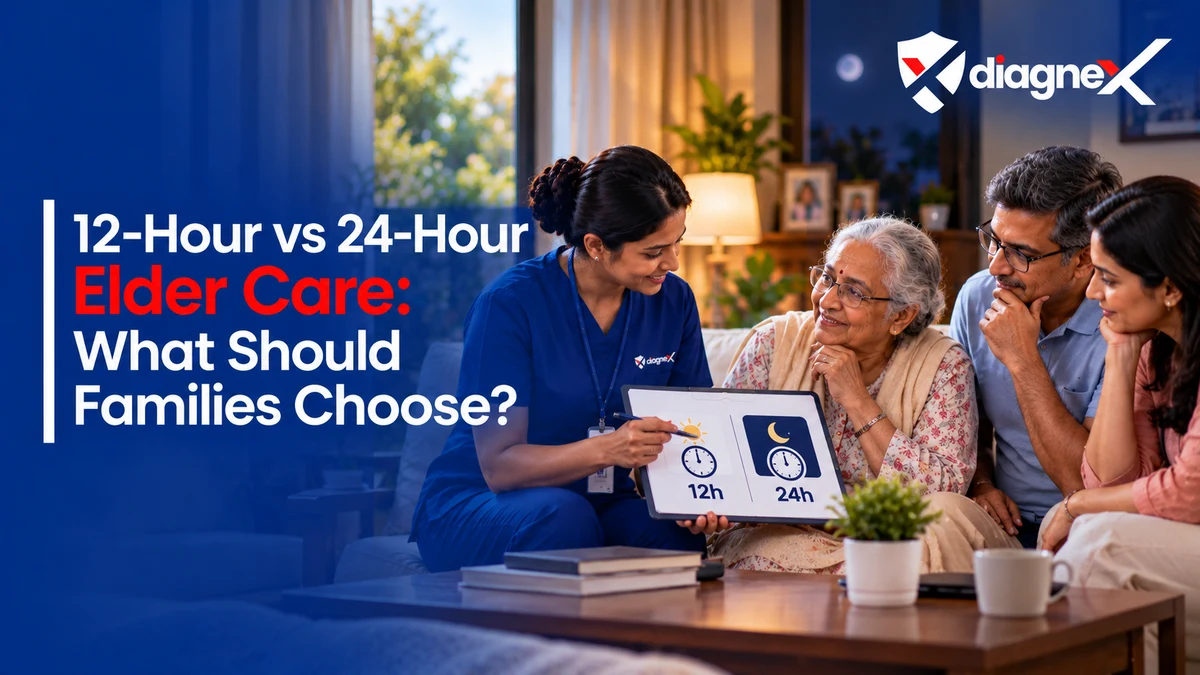
Families arranging elder care at home often reach a point where the main question is no longer whether support is needed, but how many hours of support are appropriate. A 12-hour caregiver may be enough for an older…
Families arranging home care for an ageing parent are often unsure whether they need a home attendant for elderly care or an elderly nurse at home. The two roles may work alongside each other, but they are not the same.
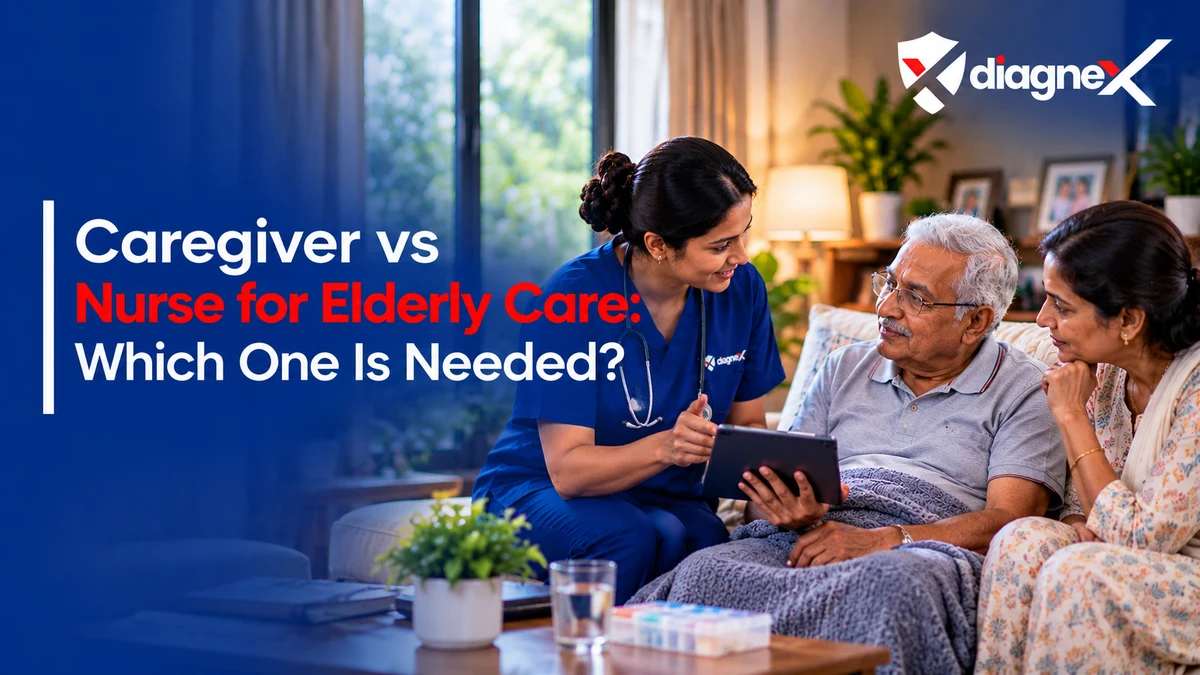
Families arranging care for an ageing parent often face a basic question: does the person need a caregiver at home, a nurse, or both? The answer depends on whether the main need is everyday assistance or clinical care.
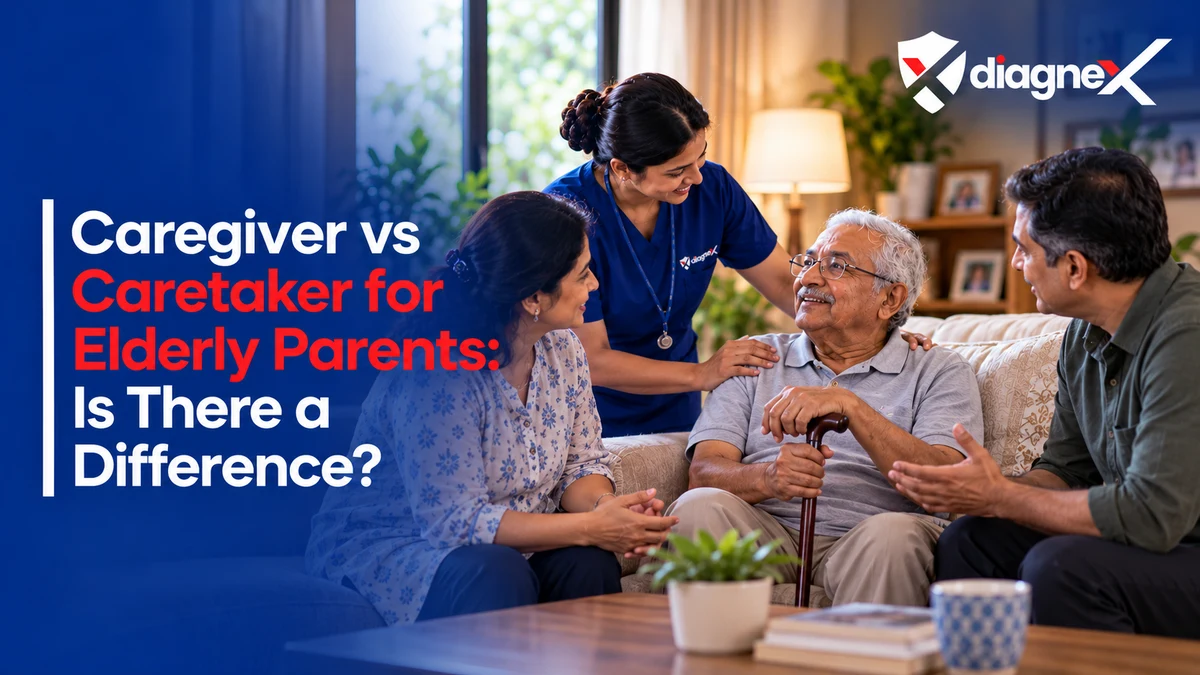
In ordinary usage, both caregiver and caretaker may refer to a person who helps an older adult with everyday activities at home. Different families and service providers may use the terms differently.
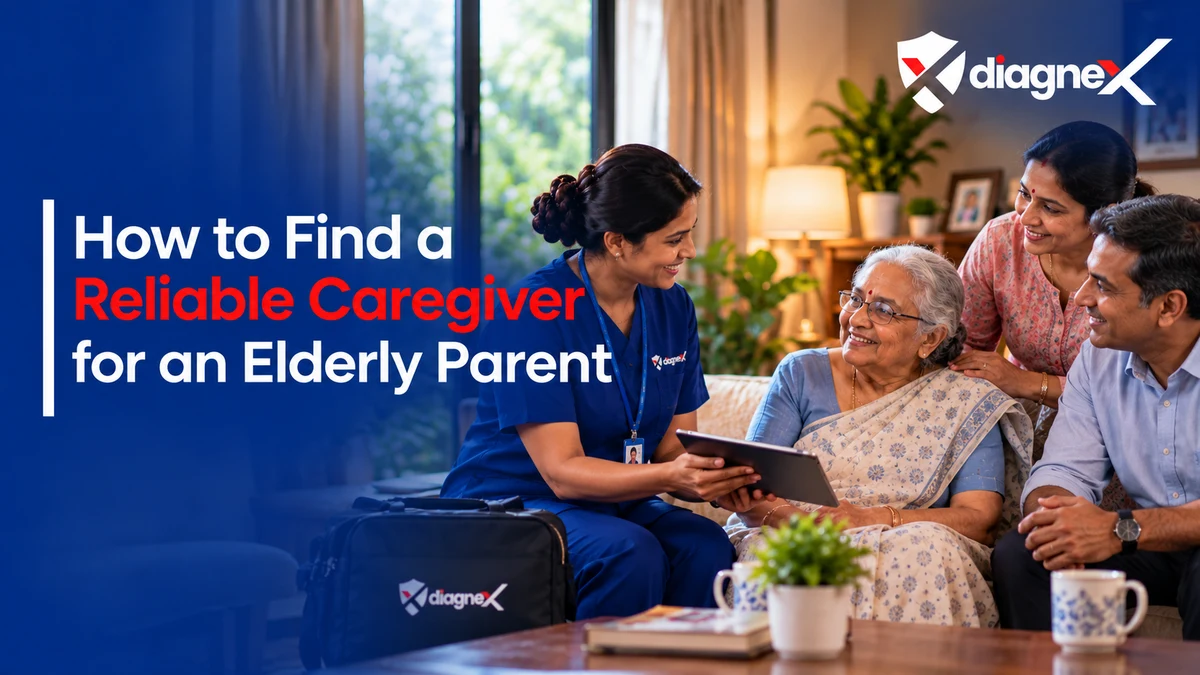
Finding a caregiver for an elderly parent is not simply a matter of hiring someone who is available. The caregiver may be helping with bathing, mobility, meals, toileting, medication reminders, appointments or long…

Choosing elder care for a parent is different from hiring ordinary household help. The person may be assisting with bathing, mobility, meals, medication routines, appointments or other parts of daily life that directly…

It is not always obvious when an elderly parent needs help at home. Many older adults want to remain independent and may adapt quietly when everyday activities become more difficult. Families may therefore notice the…

Elder care at home may be appropriate when an older adult begins needing regular support to remain safe, comfortable and as independent as possible in their own home. This does not mean that every elderly person needs a…

One of the most common parts of elder care is help with activities of daily living.
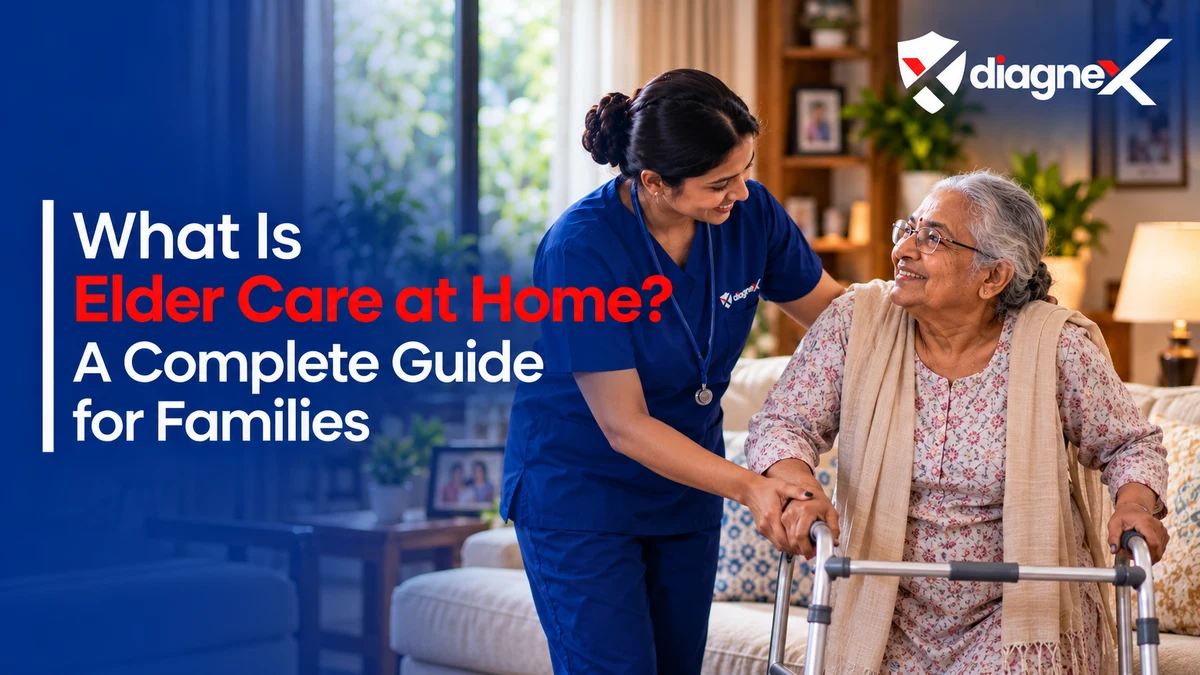
Elder care at home is a structured way of helping an older adult remain as safe, independent and well-supported as possible in their own home.