Falls are one of the most important safety concerns for older adults living at home. Preventing falls is not only about removing rugs or adding grab supports. A meaningful elderly fall prevention plan should also consider strength, balance, vision, footwear, medicines, dizziness, toileting, walking aids and how safely the person moves through everyday routines. The aim is to reduce avoidable risk while helping the older person remain as mobile and independent as possible.
Why Do Elderly People Fall at Home?
- Reduced strength
- Poor balance
- Dizziness
- Vision problems
- Unsafe footwear
- Medication side effects
- Urgent toileting
- Loose rugs or clutter
- Poor lighting
- Incorrect use of walking aids
What Is a Fall Risk Assessment for Elderly People?
- Previous falls
- Walking pattern
- Balance
- Leg strength
- Transfers
- Vision
- Medicines
- Blood-pressure symptoms
- Footwear
- Home hazards
Who Should Have a Fall Risk Assessment?
- Had one or more recent falls
- Experienced near-falls
- Started using furniture for support
- Developed new weakness
- Become fearful of walking
- Started using a new walking aid
- Experienced dizziness
- Had a recent hospitalisation
1. Review Previous Falls
- Where did it happen?
- What was the person doing?
- Was it day or night?
- Was the floor wet?
- Was the person rushing to the bathroom?
- Was dizziness involved?
- Was a walking aid being used?
2. Improve Strength and Balance
Reduced strength and balance can increase fall risk, but simply telling an elderly person to “be careful” is not enough. A physiotherapist may recommend appropriate exercises based on the person's abilities. Balance and strength work may focus on: Exercises should be appropriate for the individual and should not be started aggressively without considering medical and mobility limitations.
- Standing control
- Leg strength
- Walking
- Transfers
- Confidence with movement
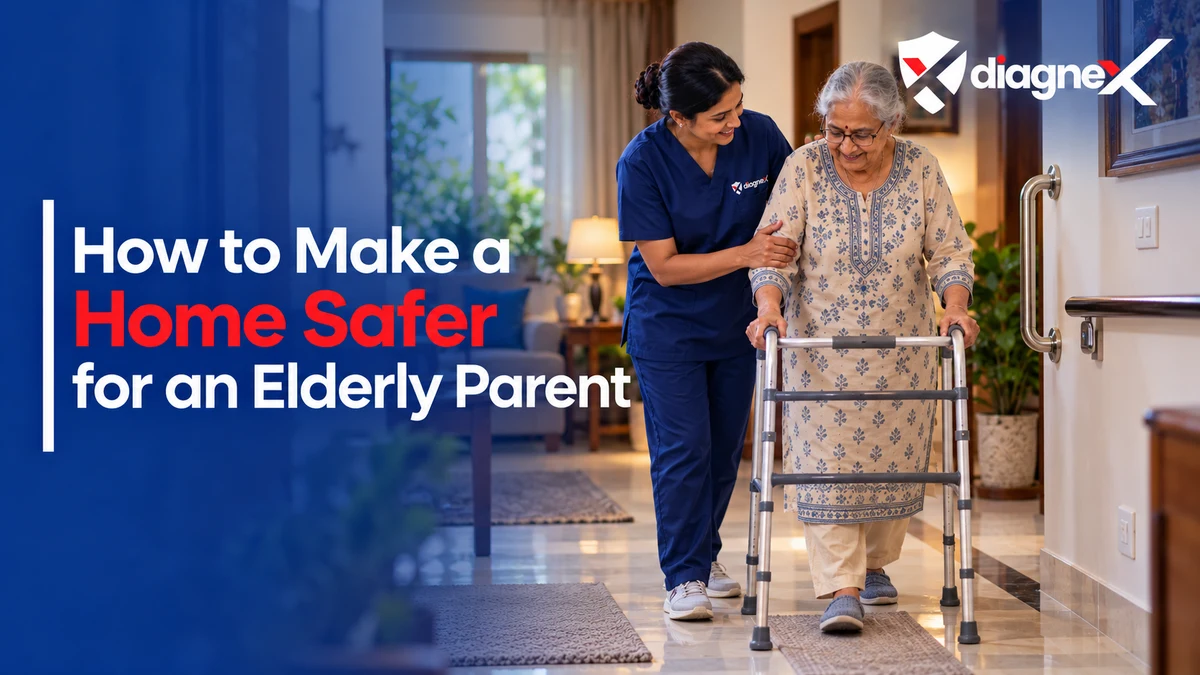
3. Use Walking Aids Correctly
- The device is the wrong height
- The person forgets to use it
- The aid is placed out of reach
- Technique is poor
- The aid is unsuitable for the person's needs
4. Review Footwear
- Secure
- Properly fitted
- Supportive
- Appropriate for the floor surface
5. Improve Lighting
- Hallways
- Stairs
- Bathroom routes
- Bedroom at night
- Entrances
6. Remove Trip Hazards
- Loose rugs
- Electrical cables
- Clutter
- Low furniture
- Uneven flooring
- Objects left on stairs
7. Make the Bathroom Safer
- Non-slip surfaces
- Secure supports
- Shower seating if needed
- Safe toilet transfers
- Good lighting
- Dry floors
8. Make Night-Time Toileting Safer
- Lighting
- Bed-to-bathroom pathway
- Walking aid access
- Footwear
- How often the person needs toileting help
9. Review Medicines When Falls Increase
Some medicines can contribute to dizziness, drowsiness or blood-pressure changes. If falls increase after a medication change or the person seems unusually sleepy or unsteady, discuss this with the prescribing clinician. Do not stop or alter medicines independently.
10. Take Dizziness Seriously
- Dehydration
- Medication effects
- Blood-pressure changes
- Illness
- Other medical conditions
11. Check Vision
12. Review Transfers
- Pushes up safely
- Needs arm support
- Becomes dizzy
- Requires caregiver assistance
- Has enough space to stand
13. Avoid Rushing
14. Keep Frequently Used Items Within Reach
15. Reduce Fear of Falling
After a fall, some older adults become afraid to move. This can lead to less activity, loss of strength and even greater fall risk over time. Safe, supported movement and appropriate rehabilitation may help rebuild confidence.
16. Encourage Safe Activity
- Strength
- Balance
- Endurance
- Confidence
17. Review Nutrition and Hydration
- Meal intake
- Fluid intake
- Weight changes
- Appetite
18. Watch for Sudden Changes
- New weakness
- New confusion
- Repeated dizziness
- New walking difficulty
- New severe pain
Fall Prevention for Elderly Parents With Dementia
- Consistent furniture layout
- Clear pathways
- Simple visual cues
- Supervision when needed
- Reduced night-time hazards
Fall Prevention After Hospital Discharge
- Caregiver assistance
- Walking aid use
- Physiotherapy
- Bathroom transfers
- Night-time support
- Home hazards
Fall Prevention for Elderly Parents Living Alone
- Can the person get up safely after sitting?
- Can they reach the bathroom safely?
- Can they call for help?
- Are falls happening when no one is present?
- Would additional caregiver hours reduce risk?
What Should a Caregiver Do to Reduce Fall Risk?
- Keeping pathways clear
- Making walking aids accessible
- Assisting with transfers
- Supporting safe walking
- Watching for new instability
- Reporting falls or near-falls
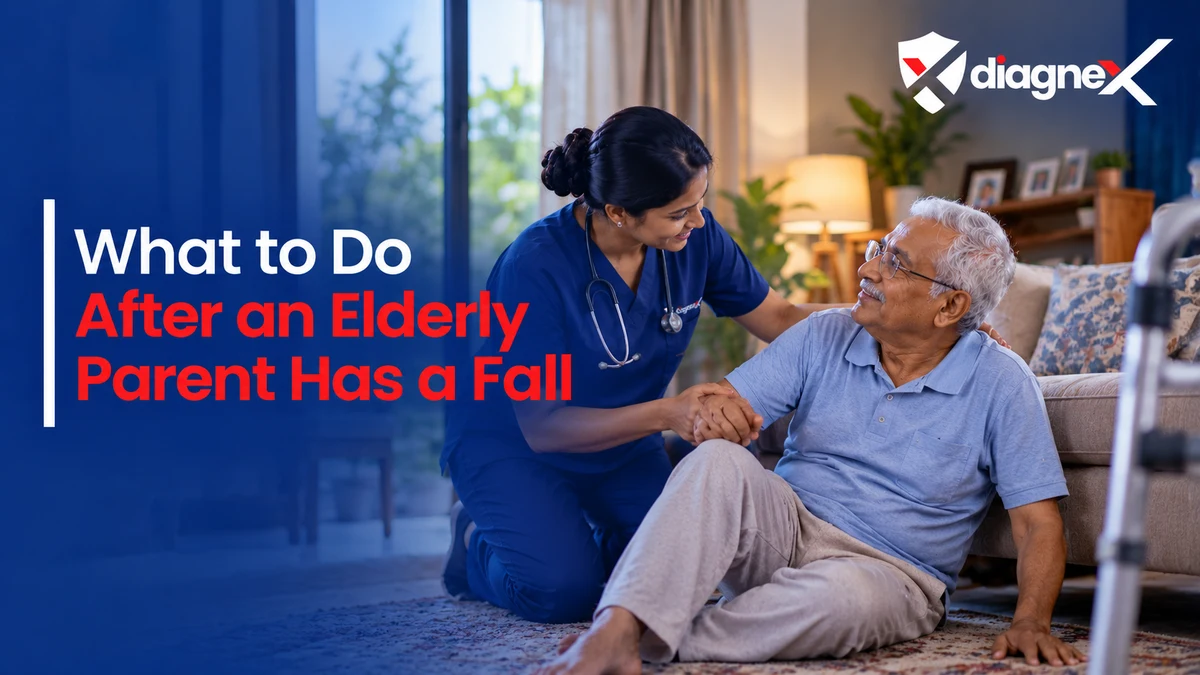
What Should Families Do After a Fall?
- Where the fall occurred
- Whether the person hit their head
- Whether there is new pain
- Whether walking has changed
- Whether dizziness was present
- Whether medicines recently changed
- What environmental factors contributed
When Is Urgent Medical Care Needed After a Fall?
Balance Exercises for Elderly People
- Standing balance
- Leg strength
- Weight shifting
- Walking
- Transfers
A Simple Elderly Fall Prevention Checklist
- Recent falls or near-falls
- Walking stability
- Balance
- Strength
- Walking aid use
- Footwear
- Lighting
- Bathroom safety
- Night-time toileting
- Medication concerns
- Dizziness
- Vision
The Bottom Line
So, how can families reduce falls at home for elderly parents? Use a broad approach. Remove hazards, improve lighting and bathroom safety, review footwear and walking aids, support appropriate activity, and take dizziness, medication effects, weakness and repeated falls seriously.
A fall risk assessment can help identify which factors matter most for the individual. The aim is not to stop the older person from moving. It is to make movement safer and more confident while addressing medical or functional problems that may be increasing risk.
Frequently Asked Questions
What is the best way to prevent falls in elderly people at home?
What is a fall risk assessment for an elderly person?
Are balance exercises safe for all elderly people?
Not necessarily. Exercises should match the person's mobility and medical condition. Higher-risk individuals may need physiotherapy assessment before starting a balance programme.
Can medicines cause falls in elderly people?
What should families do after an elderly parent falls?
How can night-time falls be reduced?
Does fall prevention mean the elderly person should walk less?
No. Avoiding unnecessary movement can contribute to weakness. Safe, appropriate activity should generally be maintained according to the person's abilities and healthcare guidance.