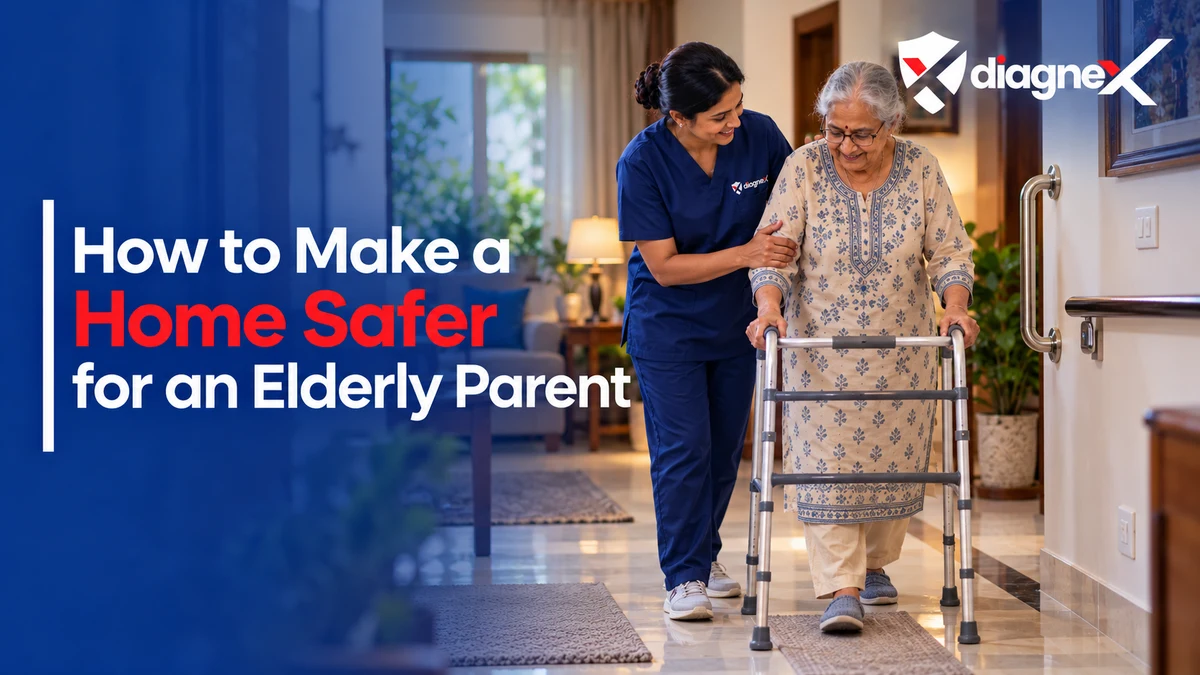
Making a home safer for an elderly parent is about reducing avoidable risks without making the home feel restrictive. Small changes to lighting, flooring, bathrooms, furniture, pathways and emergency access can make everyday movement easier and help lower the risk of falls and injuries. An elderly home safety checklist should be based on how the person actually moves through the home. The safest setup for one senior may be very different from another depending on mobility, balance, vision, cognition and whether a caregiver is present.
Why Home Safety Matters for Elderly Parents
Ageing can affect balance, strength, vision, reaction time and confidence with movement. A home that felt easy to navigate for many years can gradually become more difficult or risky. Common risks include: A home safety assessment helps identify which risks are relevant to the individual rather than making generic changes everywhere.
- Slippery bathroom floors
- Poor lighting
- Loose rugs
- Cluttered walkways
- Unsafe stairs
- Low or unstable furniture
- Items stored out of reach
- Difficult entrances and thresholds
Start With the Routes Used Most Often
- Bed and bathroom
- Bedroom and kitchen
- Living room and bathroom
- Front door and main living areas
- Frequently used seating and storage areas
1. Improve Lighting Throughout the Home
- Bright, even lighting in hallways
- Easy-to-reach switches
- Night lights near the bed and bathroom
- Lighting at staircases
- Reducing glare where possible
2. Remove Loose Rugs and Trip Hazards
- Loose mats
- Carpet edges
- Electrical cables
- Low stools
- Decorative objects in walkways
- Uneven flooring
3. Make the Bathroom Safer
- Non-slip flooring or mats designed for wet areas
- Secure grab supports where appropriate
- A stable shower seat if needed
- Easy access to toiletries
- Adequate lighting
- A clear route to the toilet
- A door arrangement that allows help to enter if required
4. Review Toilet Height and Transfers
- A raised toilet support
- Secure hand support
- More space for caregiver assistance
- A safer approach to transfers
5. Make the Bedroom Easier to Navigate
- Bed height
- Clear space beside the bed
- Lighting within reach
- Walking aid placement
- Easy access to the bathroom route
- Secure footwear
6. Review Bed Height
A bed that is too low or too high can make transfers harder. The ideal height depends on the older person's strength, leg length and transfer ability. If getting in or out of bed has become difficult, professional assessment may help.
7. Make Chairs Safer
- Stable
- Firm enough to push up from
- Appropriate in height
- Positioned where there is clear space to stand
8. Make Stairs Safer
- Handrails
- Lighting
- Clear step edges
- Loose carpeting
- Objects left on stairs
- Whether the person can safely use the staircase at all
9. Improve Entrance and Doorway Safety
- Doorway lighting
- Threshold height
- Step stability
- Hand support
- Space for a walking aid or wheelchair
10. Keep Frequently Used Items Within Easy Reach
- Kitchen cabinets
- Bedroom storage
- Bathroom shelves
- Living-room storage
11. Make the Kitchen Safer
- Keeping frequently used items within reach
- Reducing clutter
- Providing stable seating for food preparation if needed
- Keeping walkways dry
- Using clear storage labels where helpful
- Ensuring the person can switch appliances off safely
12. Reduce Slip Risk
- Bathrooms
- Kitchen
- Balconies
- Entrance areas
13. Review Footwear
- Secure
- Properly fitted
- Supportive
- Appropriate for the floor surface
14. Keep Walking Aids Accessible
If the person uses a cane, walker or another mobility aid, it should be within reach when they stand up. Do not place walking aids across the room or behind furniture. If the person is using an aid incorrectly, a physiotherapist may need to review technique and fit.
15. Check Electrical Cables and Charging Leads
- Route cables along walls
- Avoid extension leads across pathways
- Keep charging points close to where devices are used
16. Review Balcony and Window Safety
- Rail stability
- Floor condition
- Furniture placement
- Whether supervision is needed
17. Make Night-Time Movement Safer
- A clear bed-to-bathroom route
- Low-level lighting
- Walking aids within reach
- A phone or call system nearby
- No loose mats or furniture in the pathway
18. Think About Emergency Access
- Who has a key
- Whether the main door can be opened quickly
- Whether the person can reach a phone
- Whether emergency contacts are visible
- Whether a caregiver knows the escalation plan
19. Use Clear Visual Cues Where Helpful
- Clear labels
- Contrasting edges
- Easy-to-read signs
- Consistent placement of important items
20. Avoid Overcrowding the Home With Equipment
Bathroom Safety Checklist for Elderly Parents
- Non-slip surface
- Secure grab support
- Adequate lighting
- Shower seating if needed
- Safe toilet transfers
- Clear doorway
- Accessible toiletries
- Dry floor after use
Bedroom Safety Checklist
- Bed height
- Clear floor space
- Night lighting
- Walking aid access
- Safe footwear
- Easy bathroom route
- Stable bedside furniture
Living Room Safety Checklist
- Chair stability
- Furniture spacing
- Loose rugs
- Electrical cables
- Lighting
- Clear paths between seating and exits
Kitchen Safety Checklist
- Frequently used items within reach
- Dry flooring
- Stable seating
- Appliance safety
- Good lighting
- Clear pathways
Stair and Hallway Safety Checklist
- Handrails
- Lighting
- Loose carpeting
- Step visibility
- Clutter
- Whether stair use remains appropriate
When Is a Formal Home Safety Assessment Useful?
- Repeated falls
- New mobility limitations
- Difficulty with transfers
- Recent hospitalisation
- A new walking aid
- Cognitive changes
- A recent move to a different home
How to Fall-Proof a Home Without Taking Away Independence
Fall prevention should support confidence, not create unnecessary restrictions. Avoid removing activities the person can still do safely. Instead, focus on: The goal is safer independence, not total dependence.
- Safer pathways
- Better lighting
- Appropriate support
- Correct equipment
- Reducing avoidable hazards
Home Safety for an Elderly Parent With Dementia
- Clear pathways
- Consistent furniture layout
- Simple visual cues
- Safer kitchen access
- Balcony and exit safety
- Supervision if wandering is a concern
Home Safety After Hospital Discharge
- Bed access
- Bathroom transfers
- Walking routes
- Seating
- Equipment placement
- Caregiver assistance
What Should Families Do After a Fall?
- Where the fall happened
- What the person was doing
- Lighting
- Footwear
- Walking aid use
- Medication or dizziness concerns
- Whether mobility has changed
When Home Modifications Are Not Enough
- A caregiver
- More caregiver hours
- Physiotherapy
- Nursing
- A different living arrangement
Elderly Home Safety Checklist
- Walkways are clear
- Lighting is adequate
- Loose rugs are removed or secured
- Bathroom flooring is safer
- Grab support is appropriate where needed
- Bed and chair heights are suitable
- Walking aids are accessible
- Stairs are well lit and uncluttered
- Frequently used items are within reach
- Electrical cables are out of pathways
- Night-time routes are clear
- Emergency contacts are easy to access
The Bottom Line
So, how do you make a home safer for an elderly parent? Start with the routes they use most, then review lighting, flooring, bathrooms, bedrooms, stairs, furniture, kitchens, entrances and emergency access. A good elderly home safety checklist focuses on the person's actual risks rather than making every possible modification. If falls, mobility problems or cognitive changes are increasing, a formal home safety assessment can help determine whether additional equipment, rehabilitation, caregiver support or another care arrangement is needed.
Frequently Asked Questions
What are the most important home safety changes for elderly people?
How do I fall-proof a home for an elderly parent?
What should be included in an elderly home safety checklist?
What is a home safety assessment for an elderly person?
Who can perform a home safety assessment?
How can I make the bathroom safer for an elderly parent?
Should all elderly people use grab bars and walking aids?
No. Equipment should match the person's actual needs and, where appropriate, professional assessment. Unnecessary or poorly fitted equipment can create new problems.