
Browse Diagnex Home ICU articles on suitability, setup, equipment, safety, post-ICU recovery and advanced care planning at home.
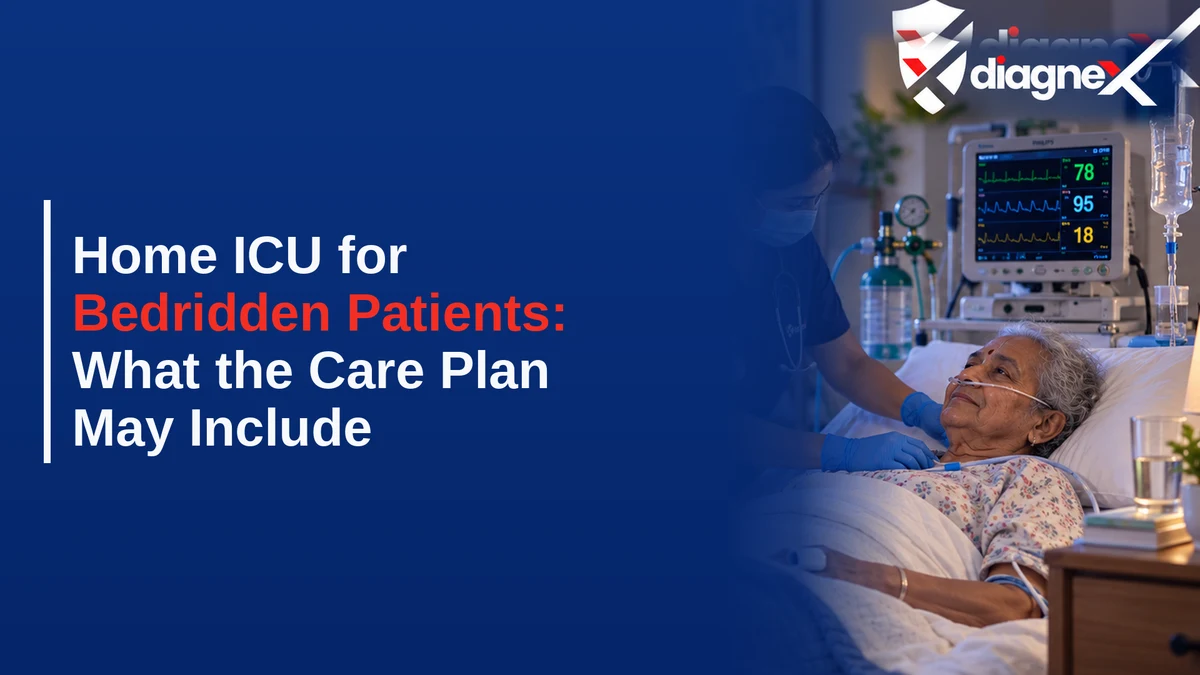
A bedridden patient may need much more than a medical bed at home. Limited mobility can affect skin health, breathing, nutrition, hygiene, circulation, toileting, comfort and the person's ability to respond if something…
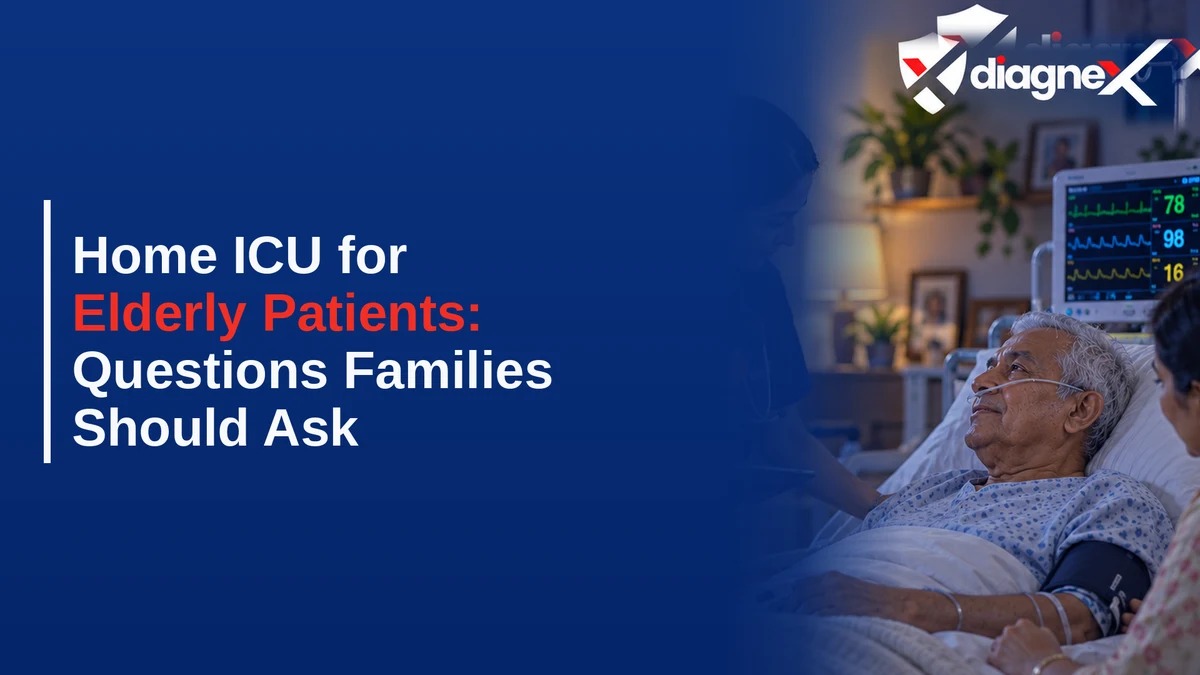
When an older adult remains medically dependent after an ICU stay or serious illness, families may be asked to consider whether advanced care can continue at home. A home ICU for elderly patients may be appropriate for…
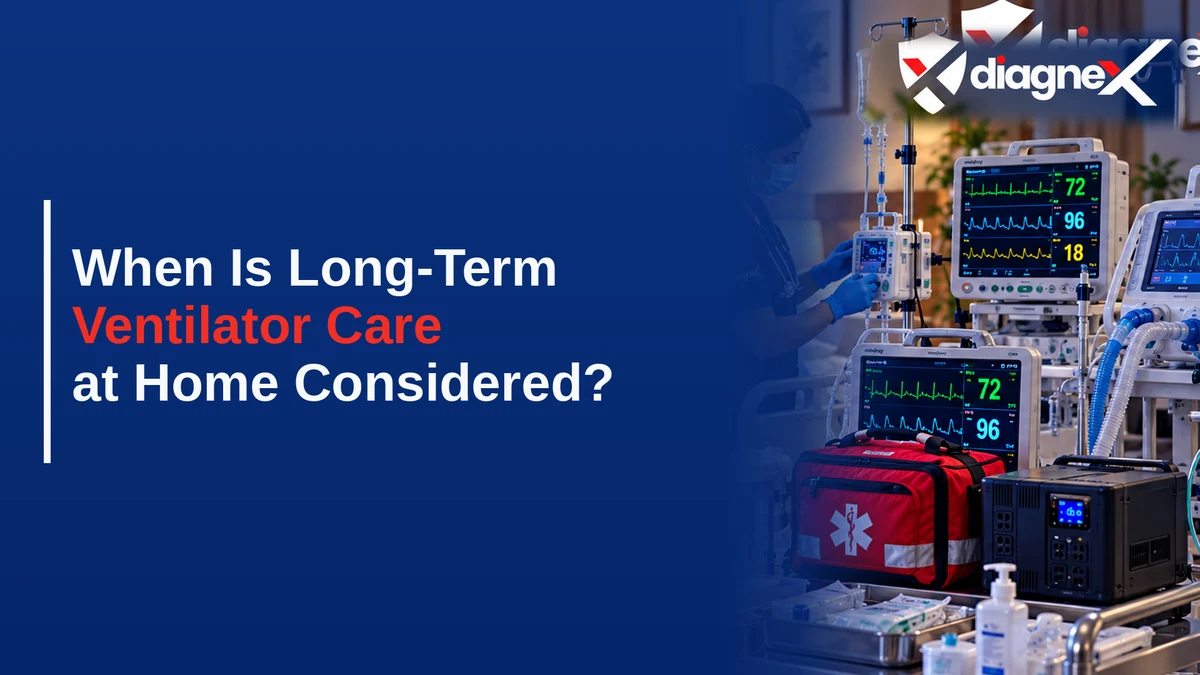
Long-term ventilator care at home may be considered for selected patients who continue to need mechanical or other prescribed ventilatory support after the acute hospital phase has passed.
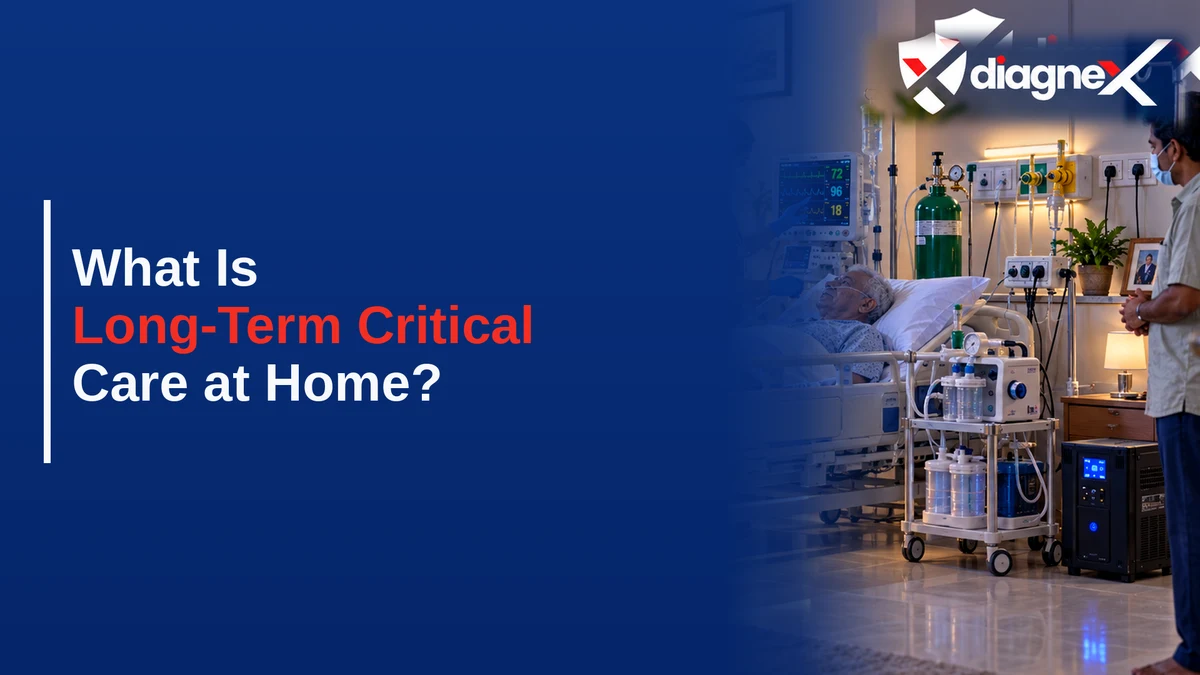
Long-term critical care at home generally describes ongoing, higher-dependency care for a patient who remains medically complex after the acute hospital phase.
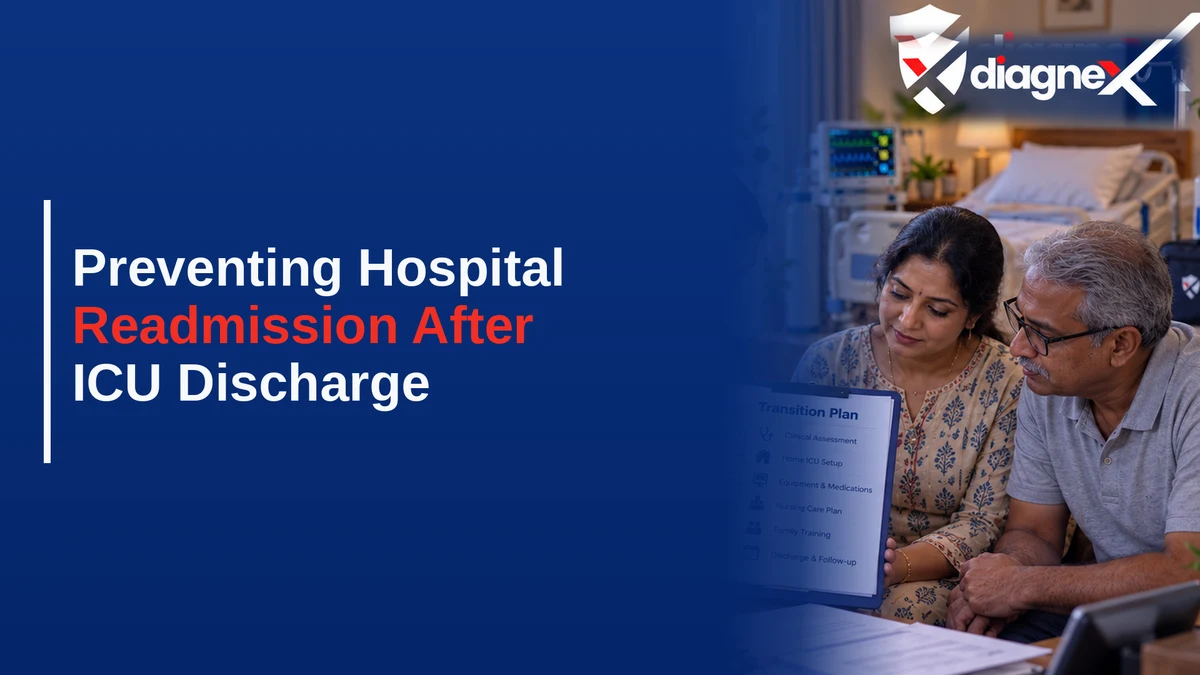
Returning home after an ICU stay is an important milestone, but the early recovery period can still involve significant clinical risk. Medication changes, infection, weakness, poor intake, breathing problems, equipment…
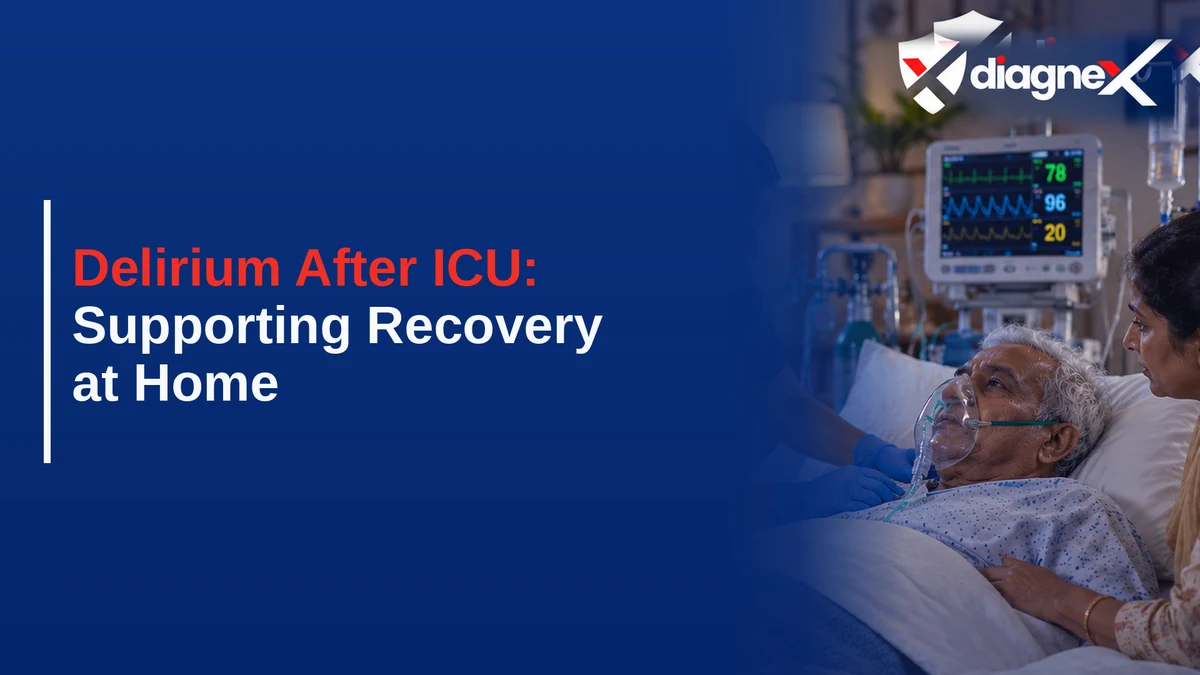
Some patients return home after an ICU stay with lingering confusion, poor attention, altered sleep, memory difficulties or changes in behaviour. Families may hear the term delirium used during the hospital stay and…
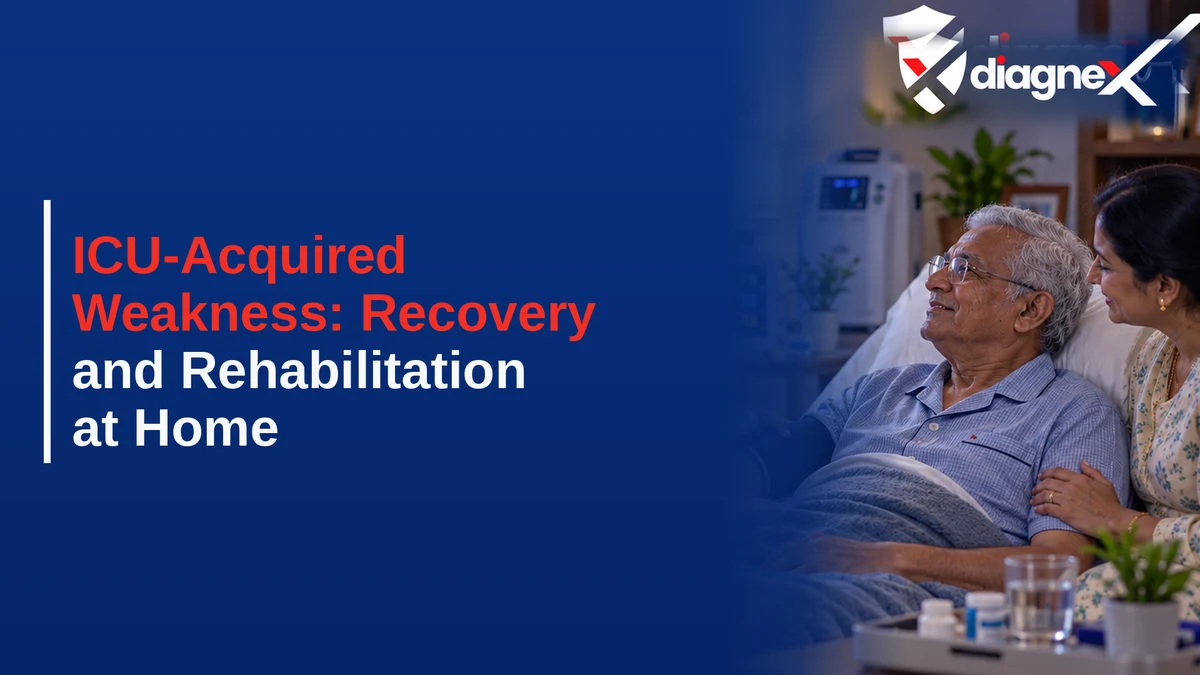
Many patients leave the ICU weaker than they were before becoming critically ill. They may struggle to sit up, stand, walk, climb stairs, use their arms normally or complete basic daily activities without help.
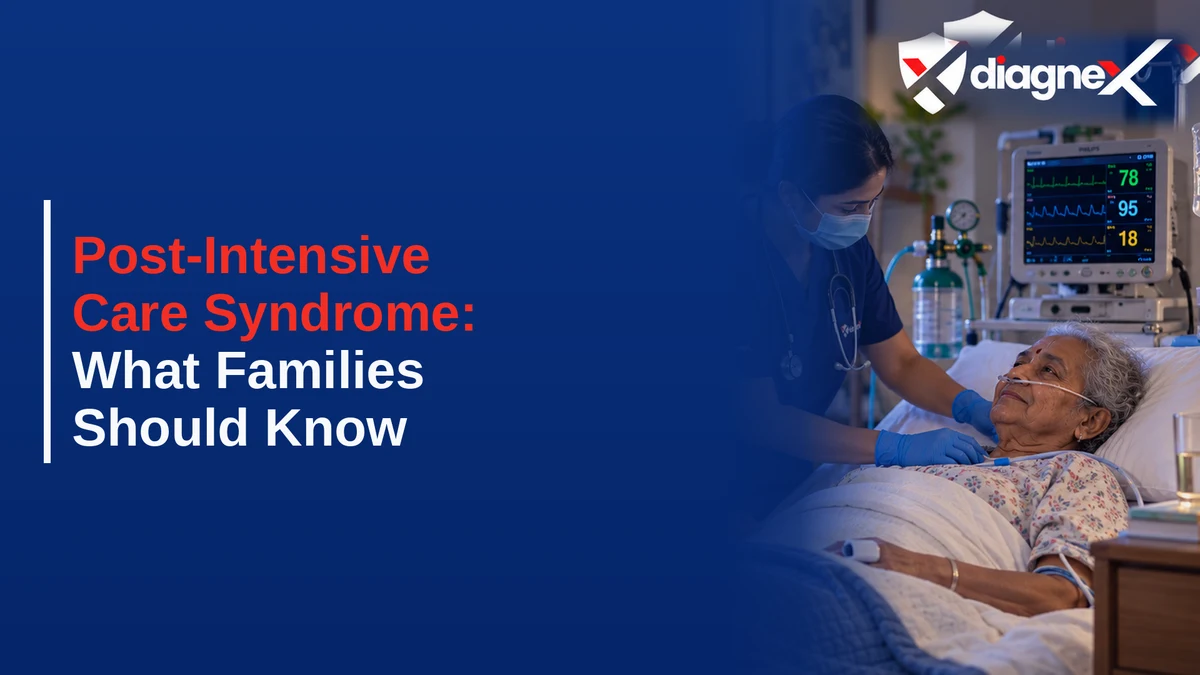
Leaving the ICU does not always mean that the effects of critical illness are over. Some patients continue to experience physical weakness, problems with memory or concentration, anxiety, low mood, sleep disturbance or…
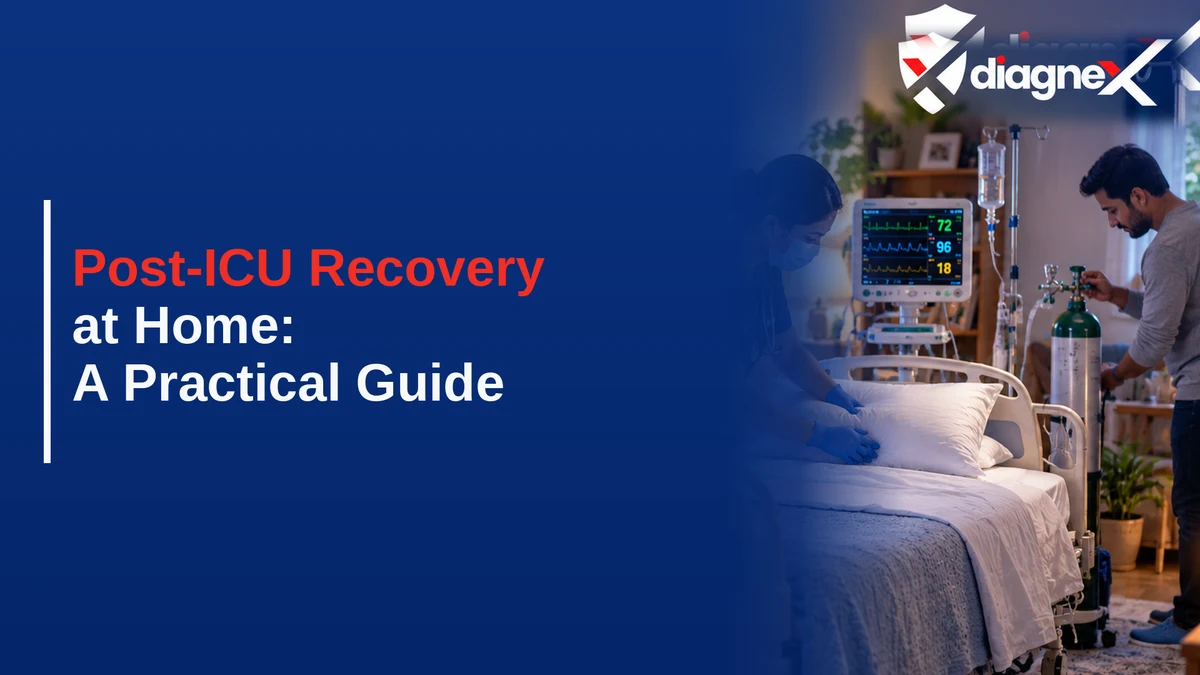
Recovery after an ICU stay can continue for weeks or longer after the patient returns home. Even when the acute illness has improved, many people remain weak, easily fatigued, less mobile, dependent on family or nursing…
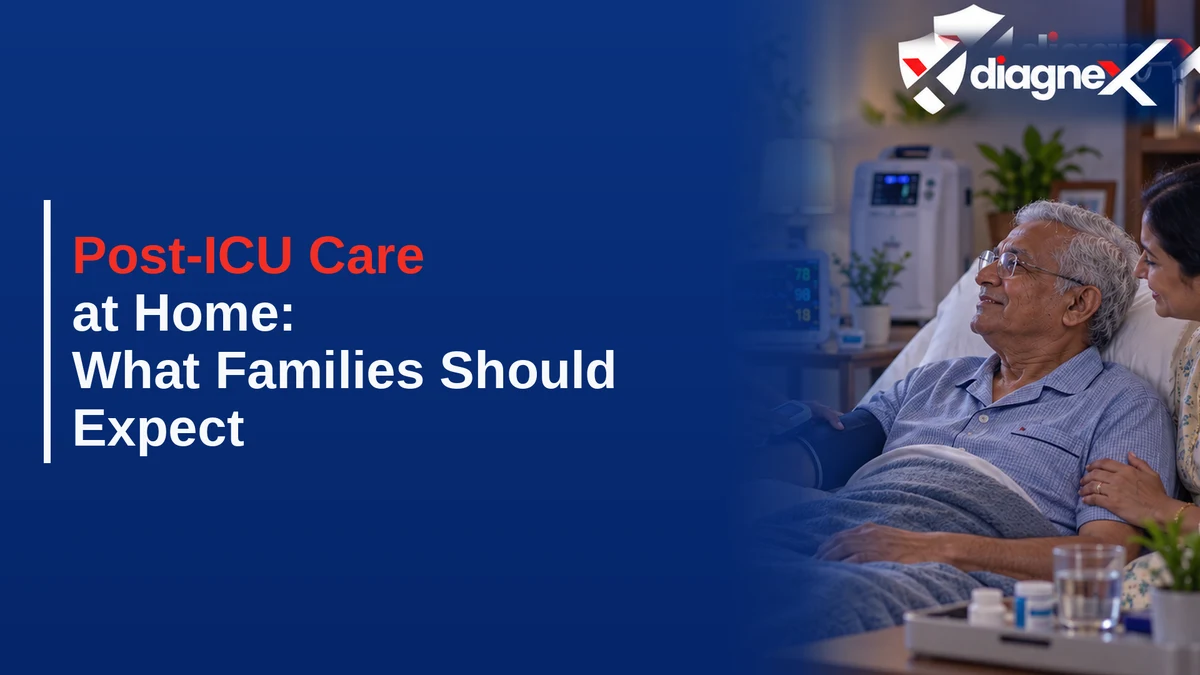
Leaving the ICU is an important step, but it does not always mean that recovery is complete. Many patients return home with weakness, reduced mobility, changes in appetite or sleep, ongoing medicines, oxygen needs…
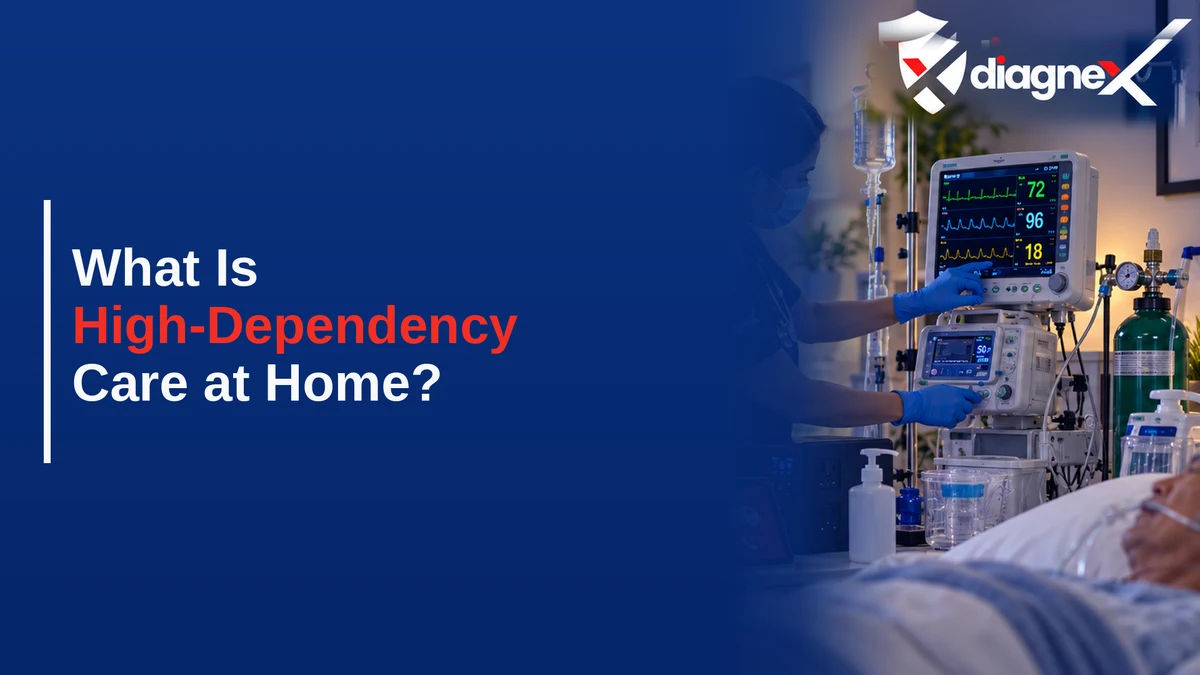
In practical terms, high-dependency care at home refers to a structured level of support for a patient who remains medically dependent and requires closer observation or more skilled care than a person receiving routine…
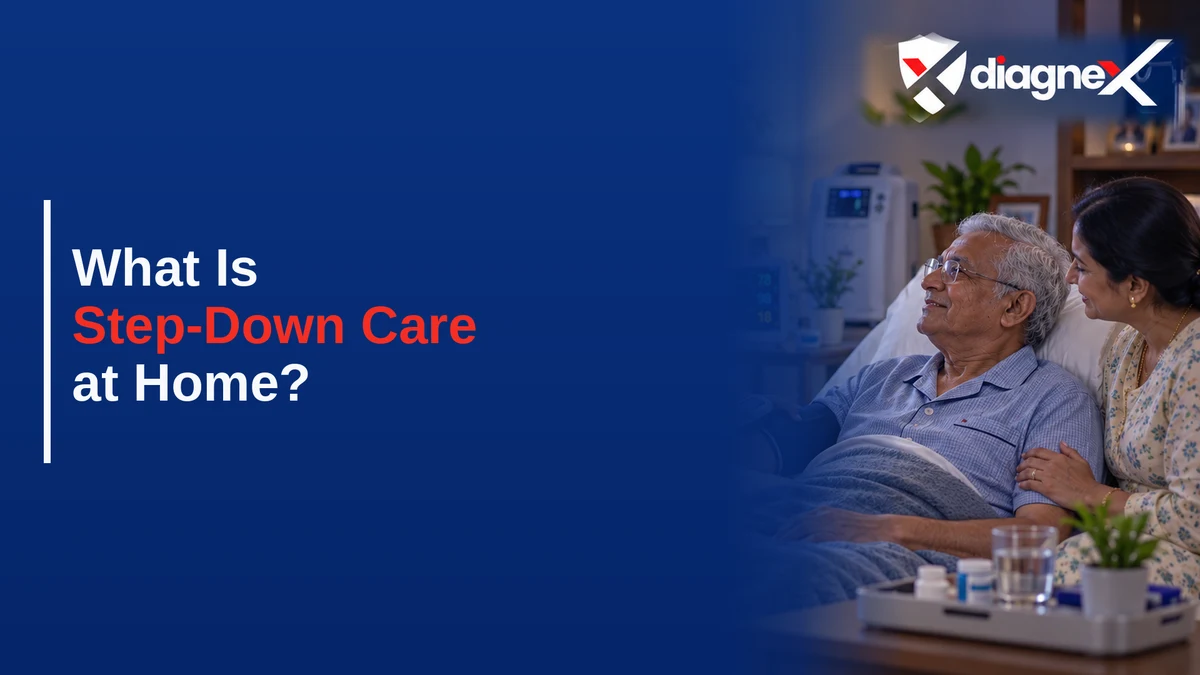
In simple terms, step-down care is the stage between intensive hospital care and lower-intensity recovery or routine home support.
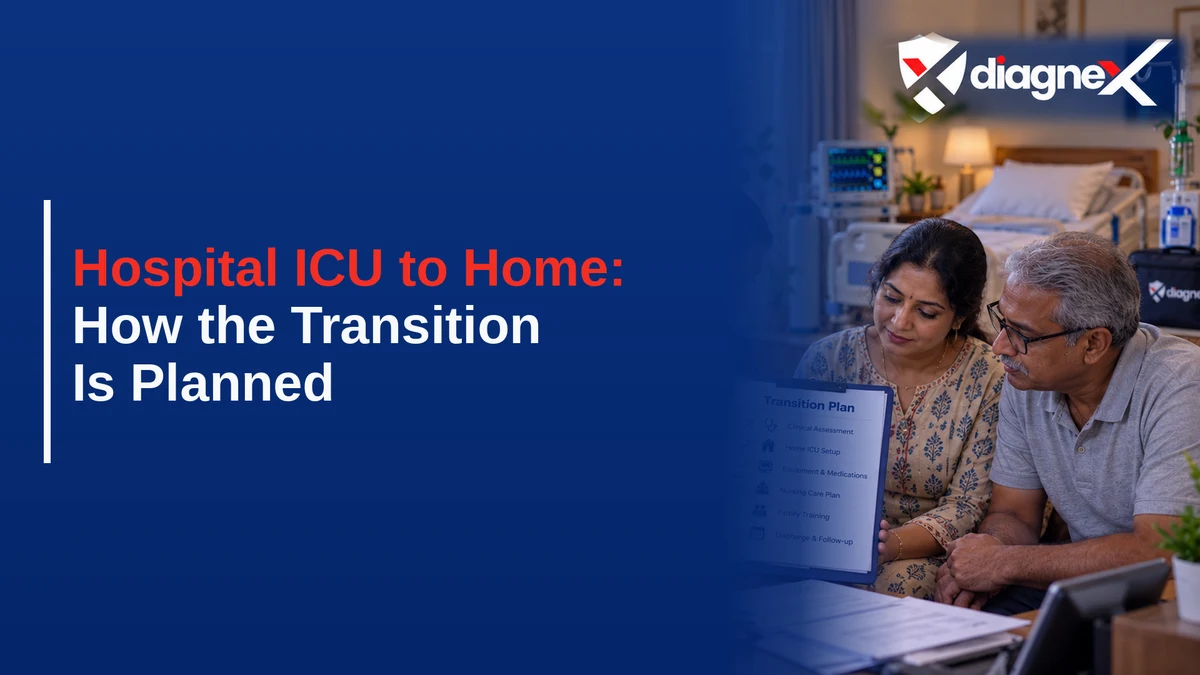
Moving a patient from a hospital ICU to home is not simply a discharge followed by equipment delivery. It is a coordinated transition in which the treating team, home-care team, patient and family need to agree on what…
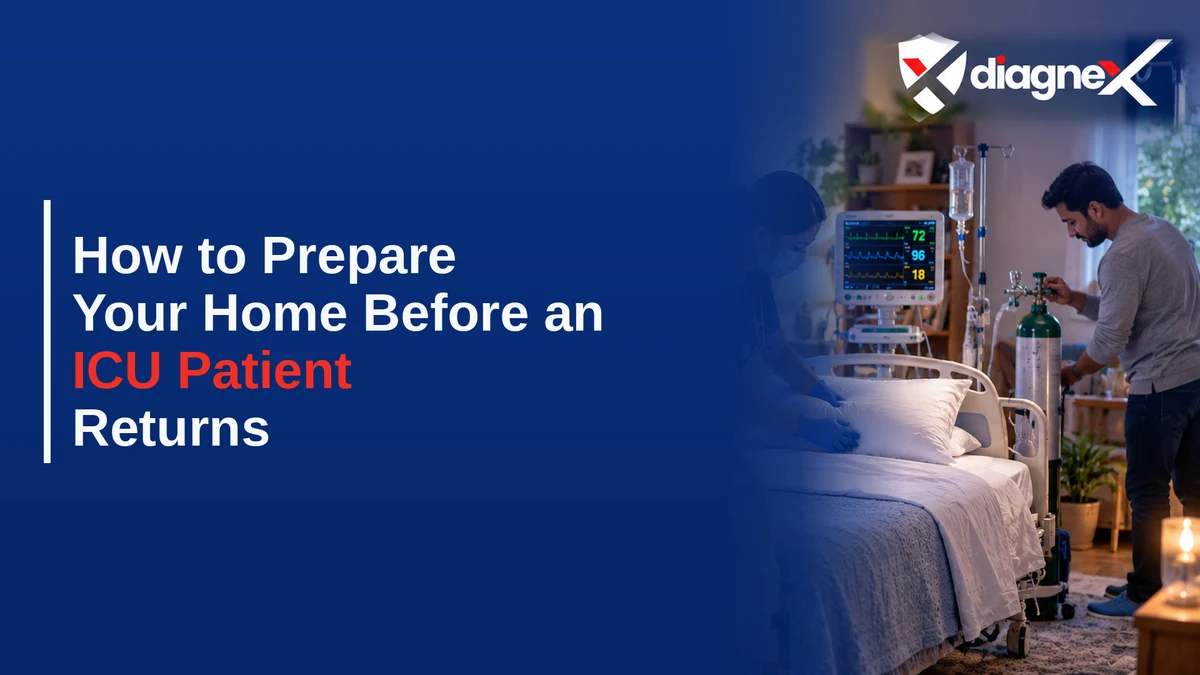
Bringing an ICU patient home after hospital discharge requires more preparation than arranging a bed and a few medical devices. The home needs to be ready for the patient's current clinical needs, prescribed equipment…

When a patient is receiving ICU-level or advanced care at home, emergencies should not be handled by deciding everything in the moment. The family, nurse and treating team should already know who to contact, what…
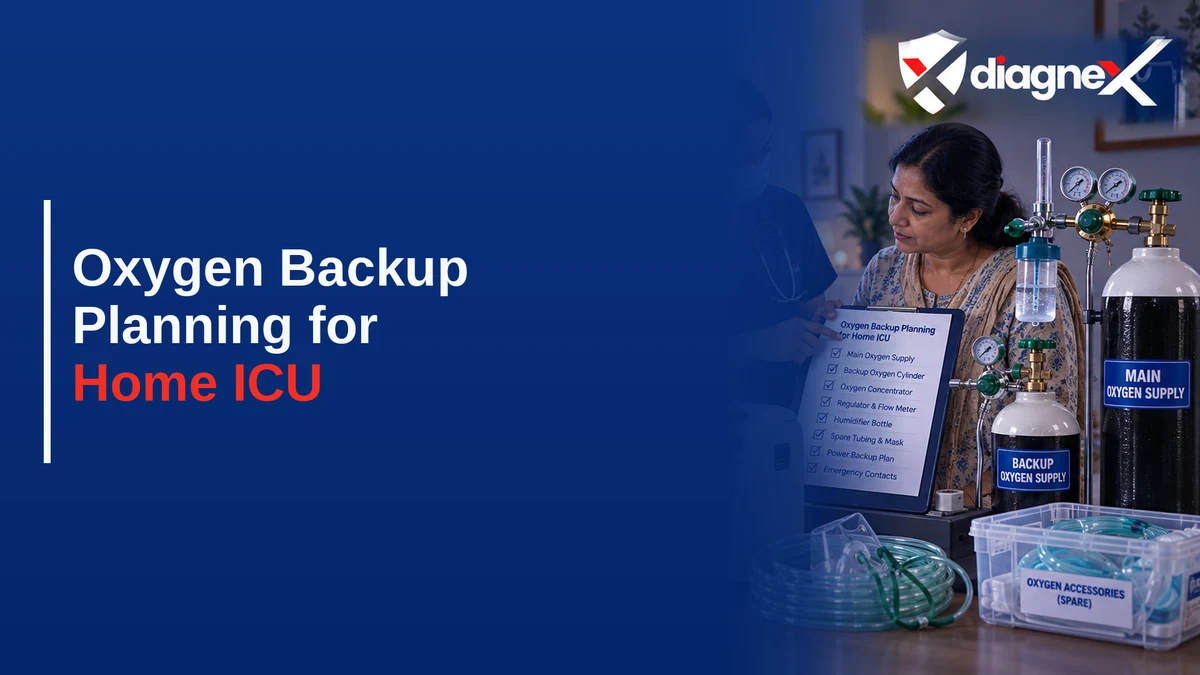
For a patient who has been prescribed oxygen at home, backup planning is an important part of a home ICU or advanced-care setup. An oxygen concentrator may depend on electricity, a cylinder may eventually run out, and…
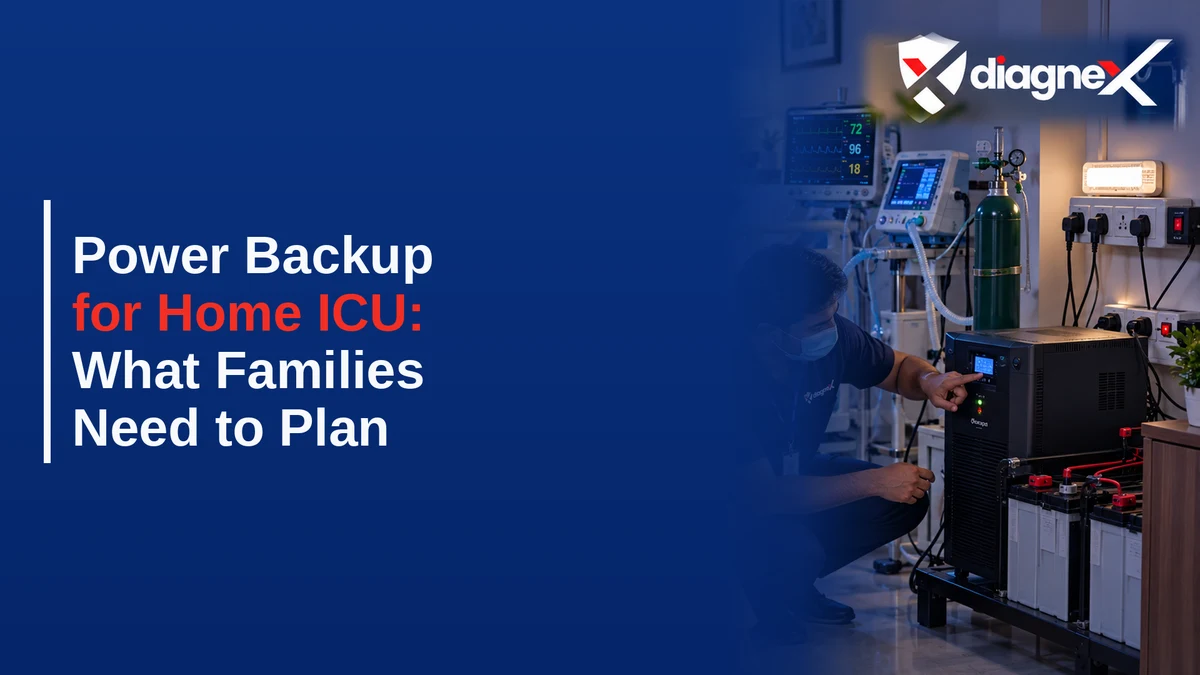
When a patient depends on electrically powered medical equipment at home, a power cut can become more than an inconvenience. Ventilators, oxygen concentrators, monitors, suction machines, infusion pumps and other devices…
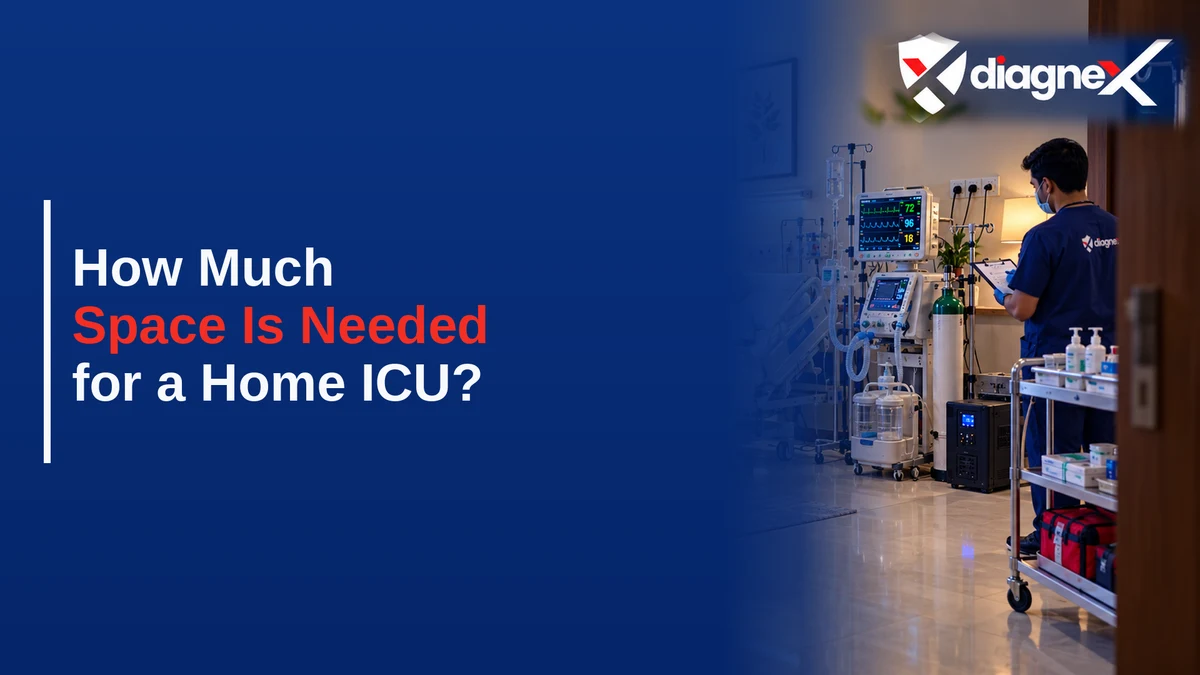
Families planning ICU-level or advanced care at home often want a simple answer to one question: how much space is required for a home ICU? In practice, there is no single room-size number that applies safely to every…
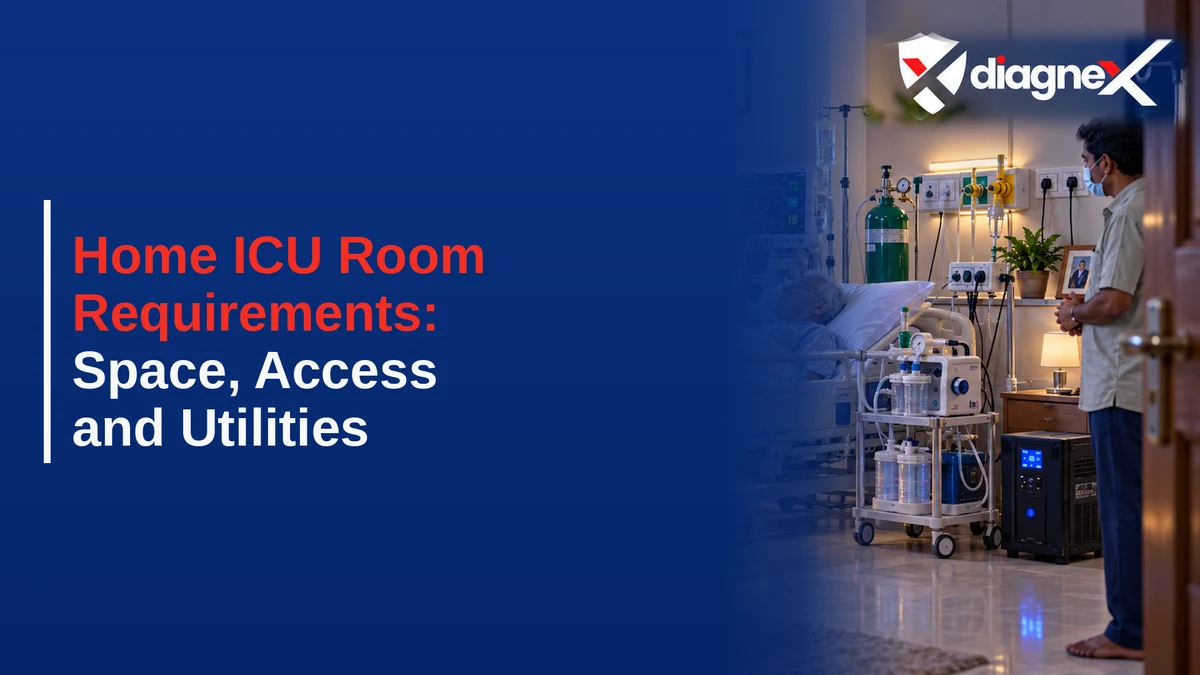
Preparing a room for ICU-level or advanced care at home involves more than placing a medical bed in a bedroom. The space must allow healthcare professionals to reach the patient safely, accommodate prescribed equipment…
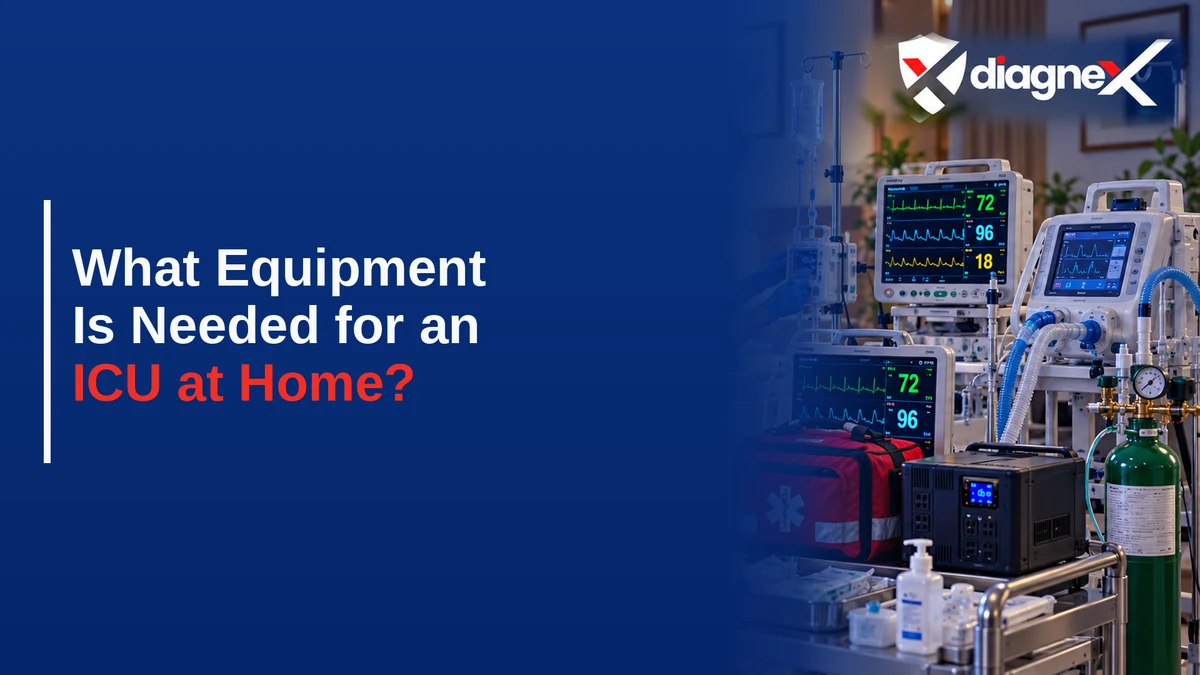
Setting up an ICU at home may involve equipment for monitoring, oxygen support, respiratory care, medication delivery, patient positioning and other clinical needs. However, there is no single home ICU equipment list…
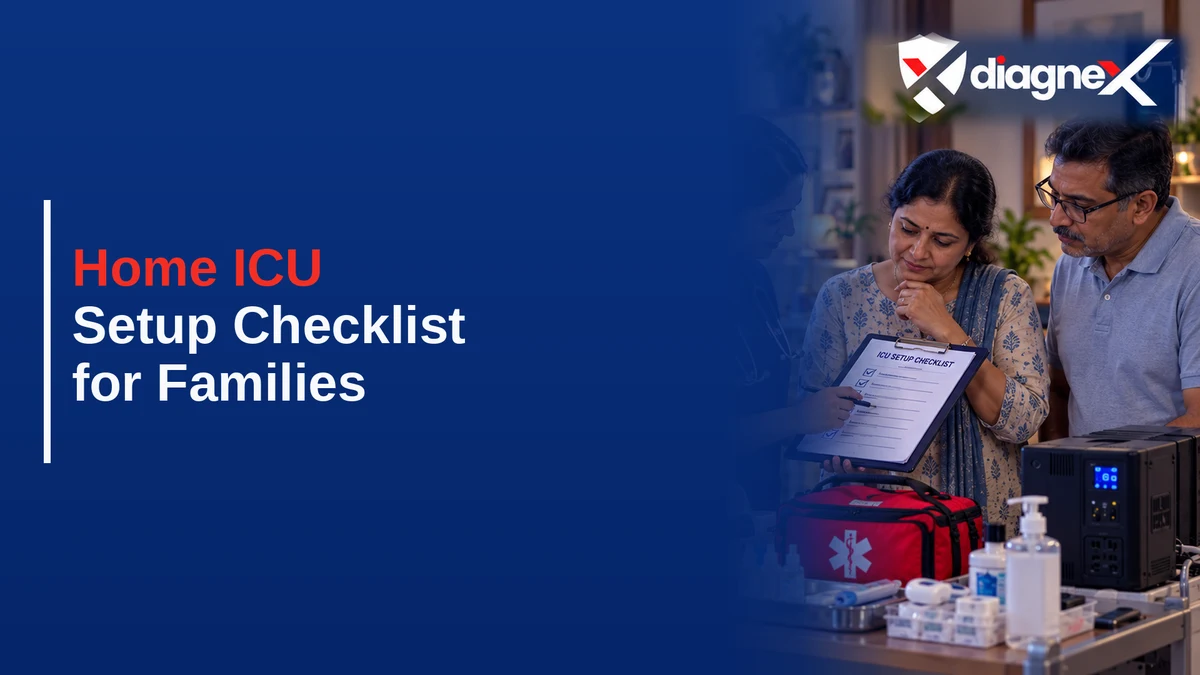
Setting up an ICU at home involves much more than bringing medical equipment into a bedroom. The home environment must be assessed for safety, space, power supply, infection control, accessibility and the level of…
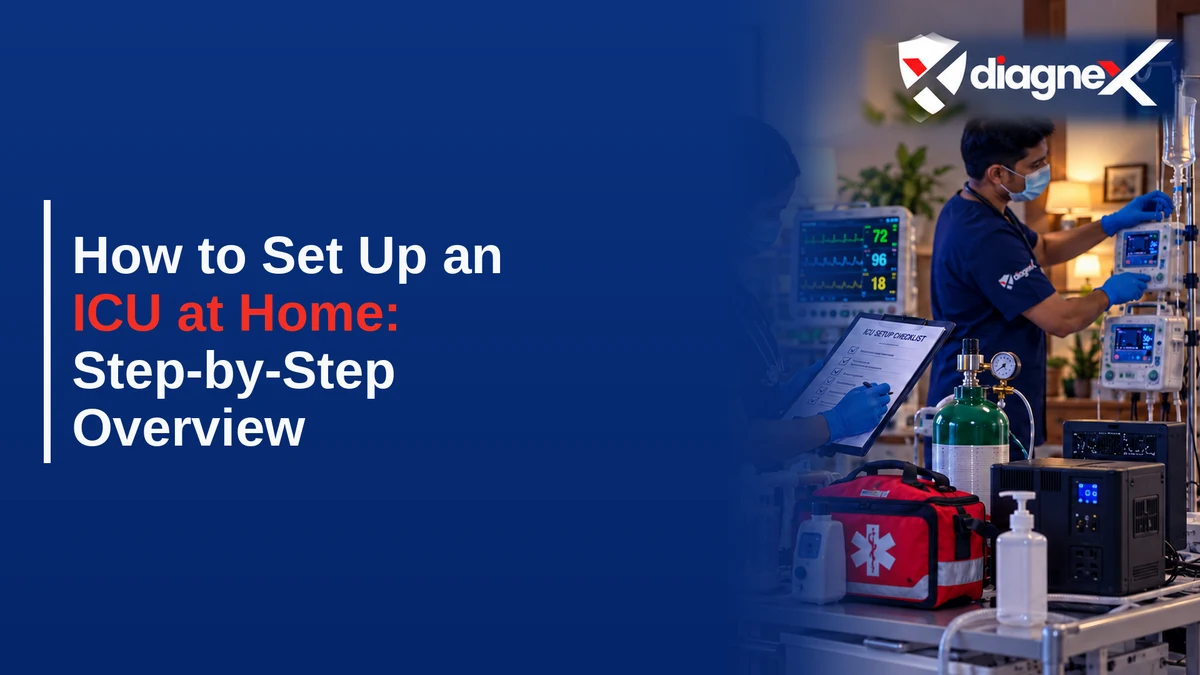
Setting up an ICU at home is not mainly an equipment-shopping exercise.
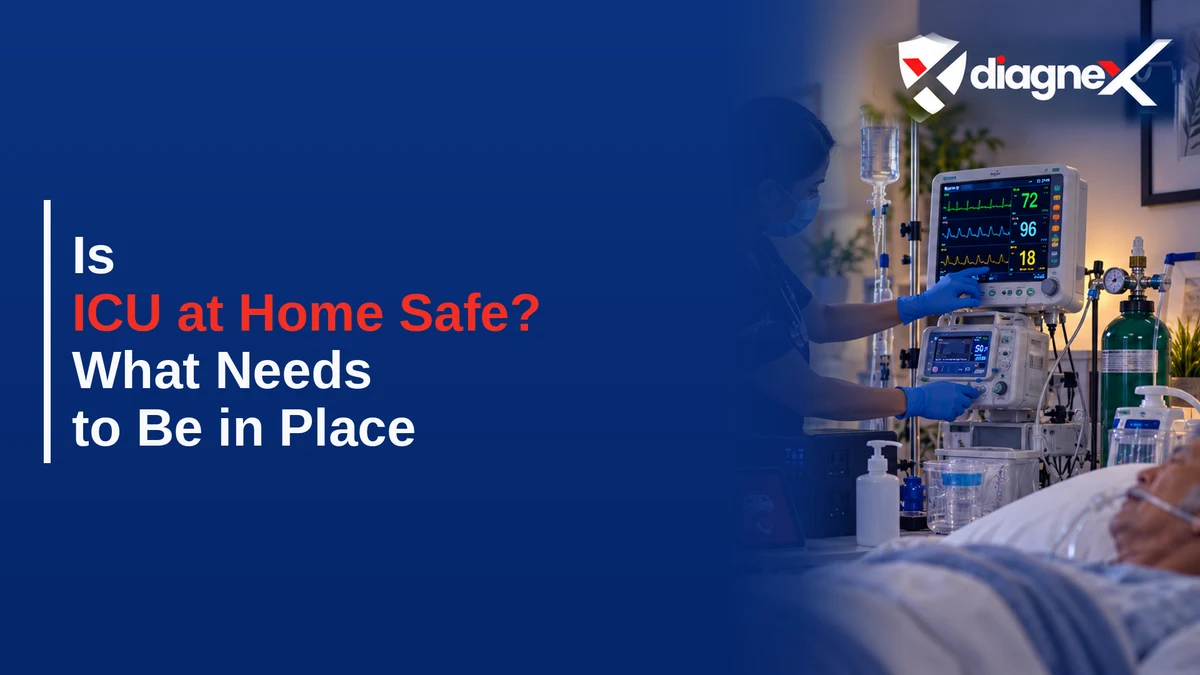
ICU-level or high-dependency care at home can be appropriate for selected patients when the clinical team has confirmed that the patient's needs can be managed safely outside the hospital and the required medical…
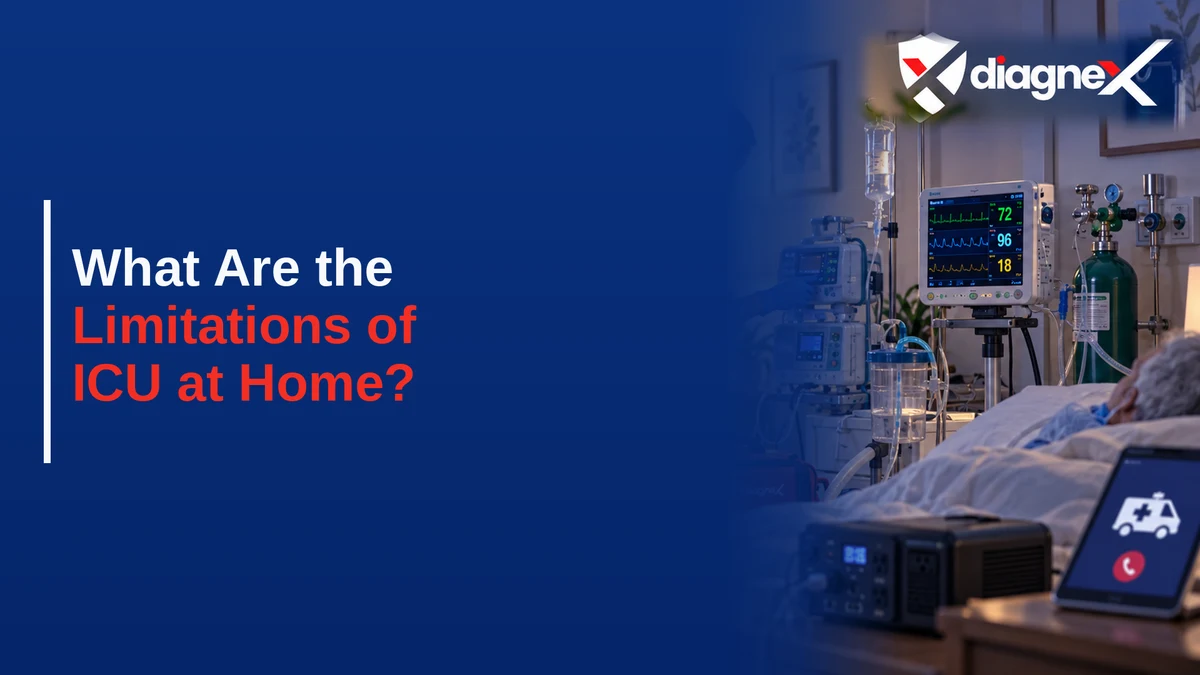
The main limitation of ICU at home is that a home cannot automatically reproduce the full hospital system around an intensive-care bed.
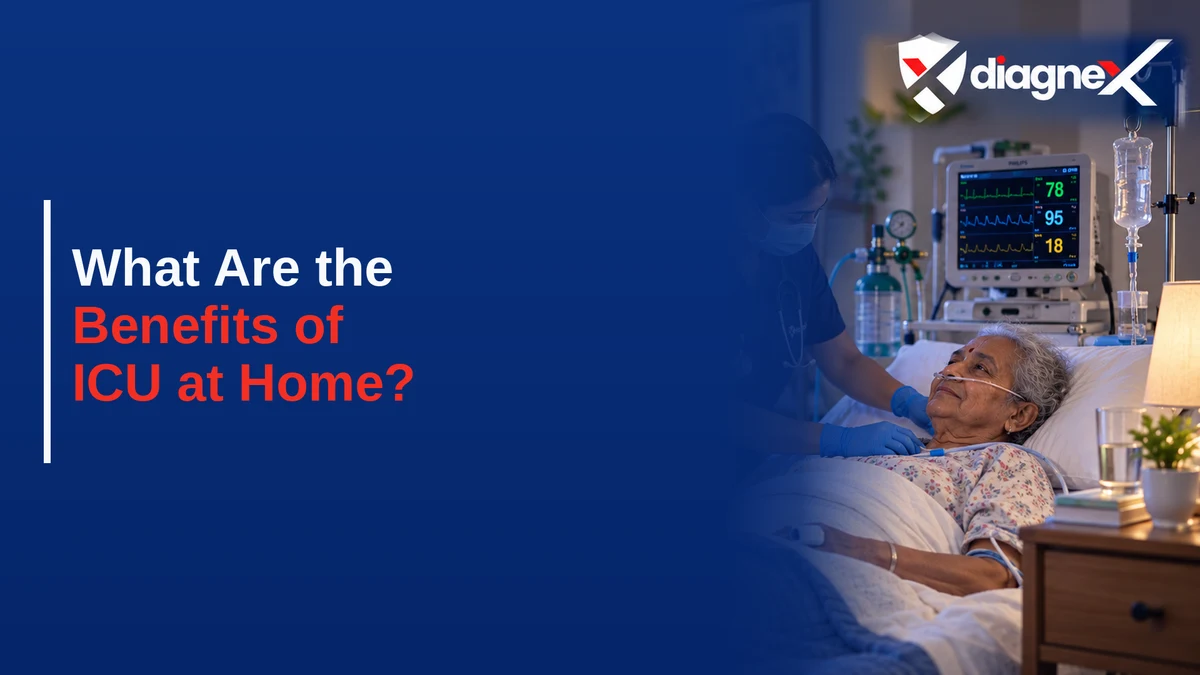
The main benefit of ICU at home is not that it turns a house into a hospital ICU.
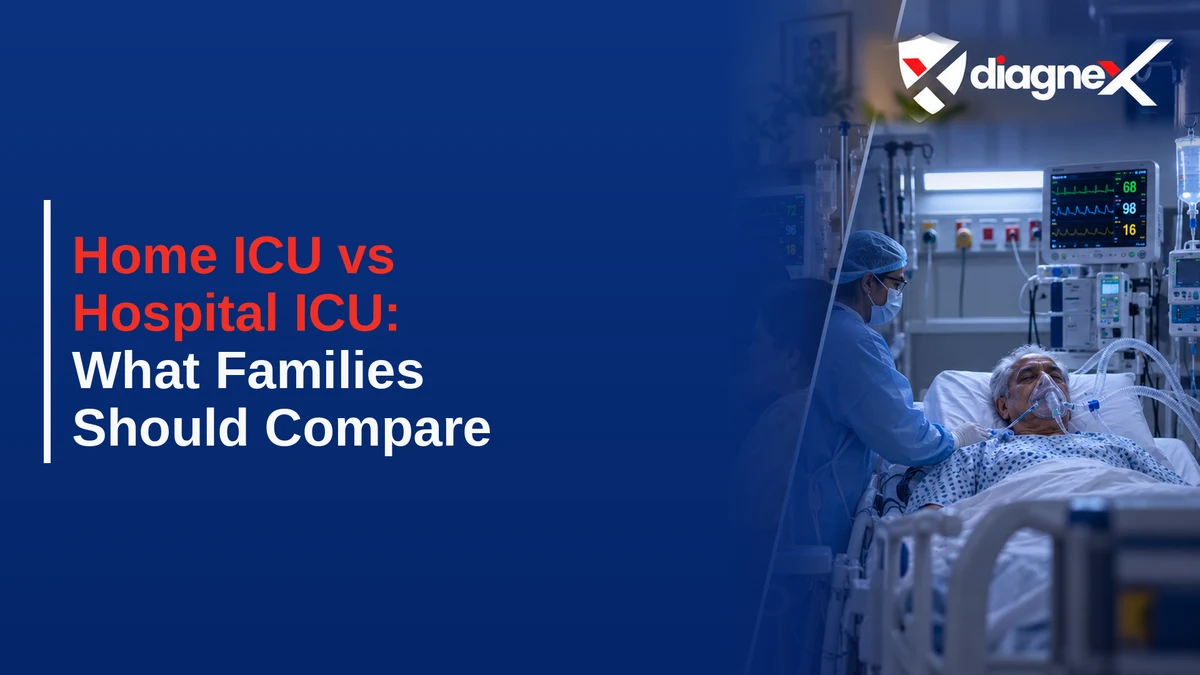
Home ICU and hospital ICU can overlap in some visible ways. Both may involve trained nurses, oxygen, ventilatory support, monitors, infusion pumps, suction equipment, wound or catheter care and repeated clinical…
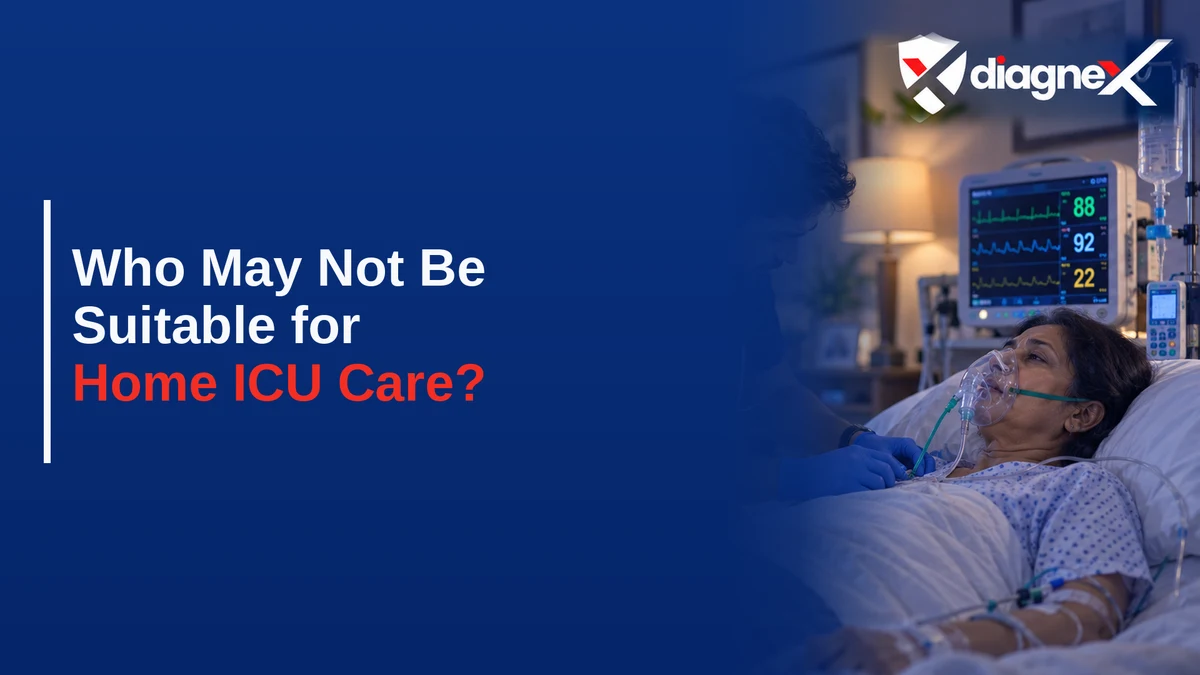
Home ICU care can support selected patients who need advanced nursing, monitoring, respiratory support or medical equipment at home. But some patients are safer in a hospital ICU because their condition is too unstable…
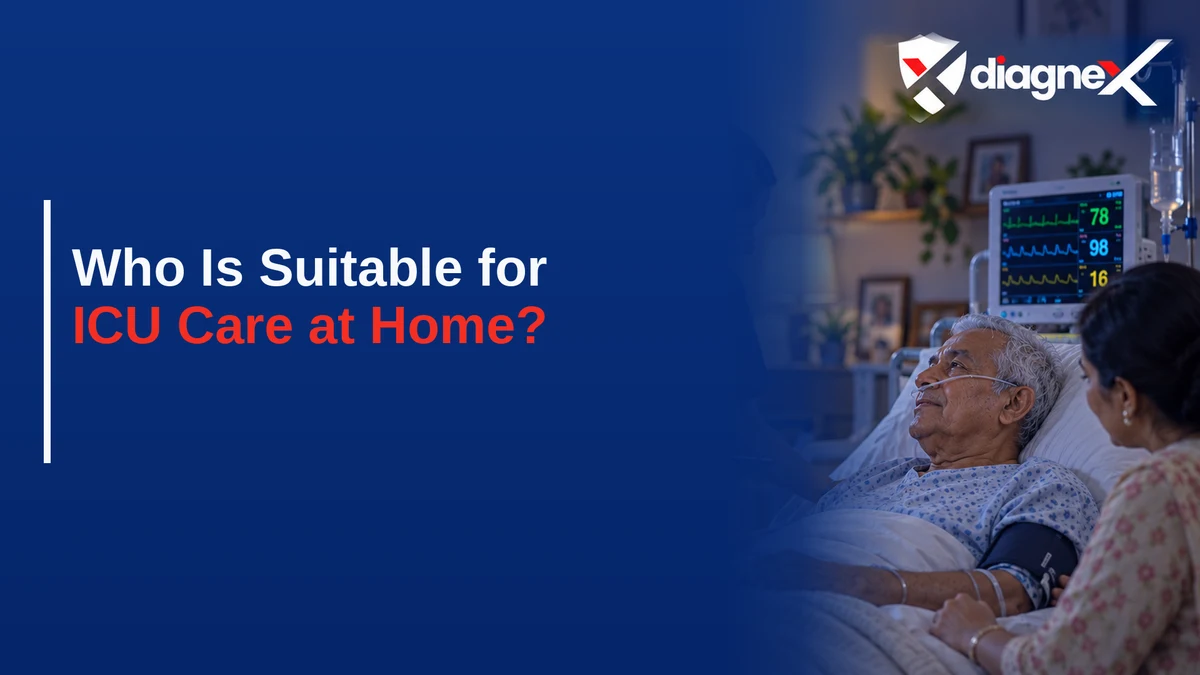
ICU care at home may be suitable for selected patients who still need advanced nursing, monitoring, respiratory support, medical equipment or repeated clinical procedures but are stable enough that their required care…
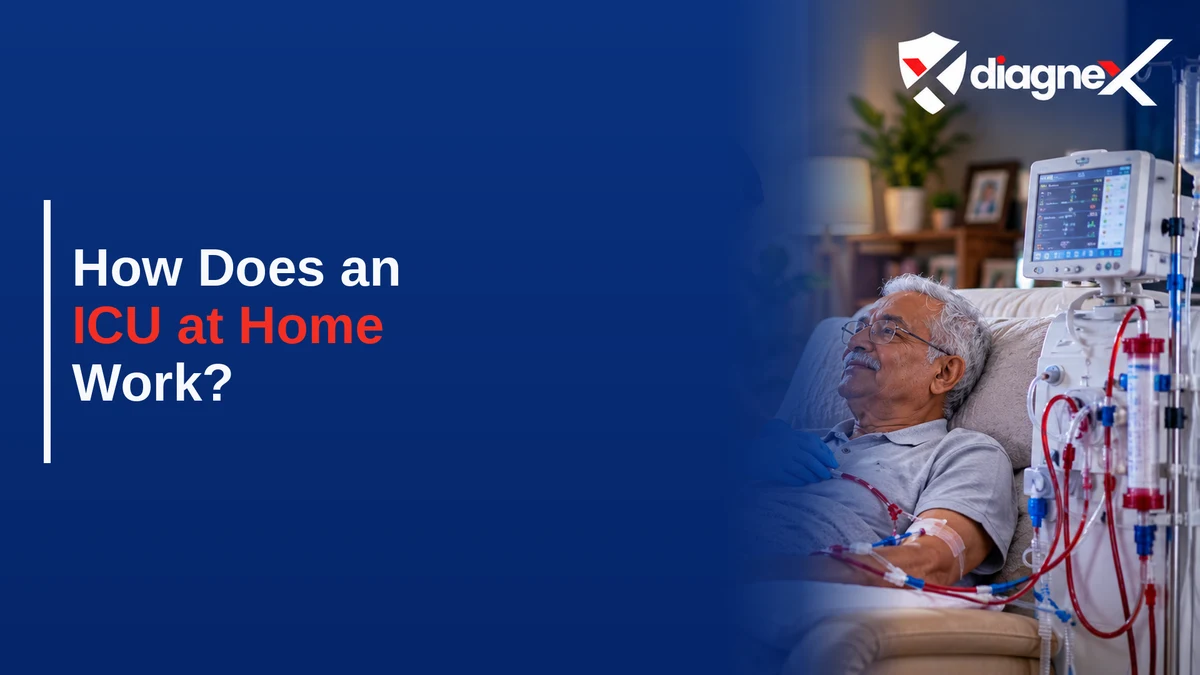
An ICU at home works by moving selected parts of high-acuity care - such as trained nursing, monitoring, oxygen or ventilatory support, suction, infusion equipment and repeated clinical procedures - into the patient’s…
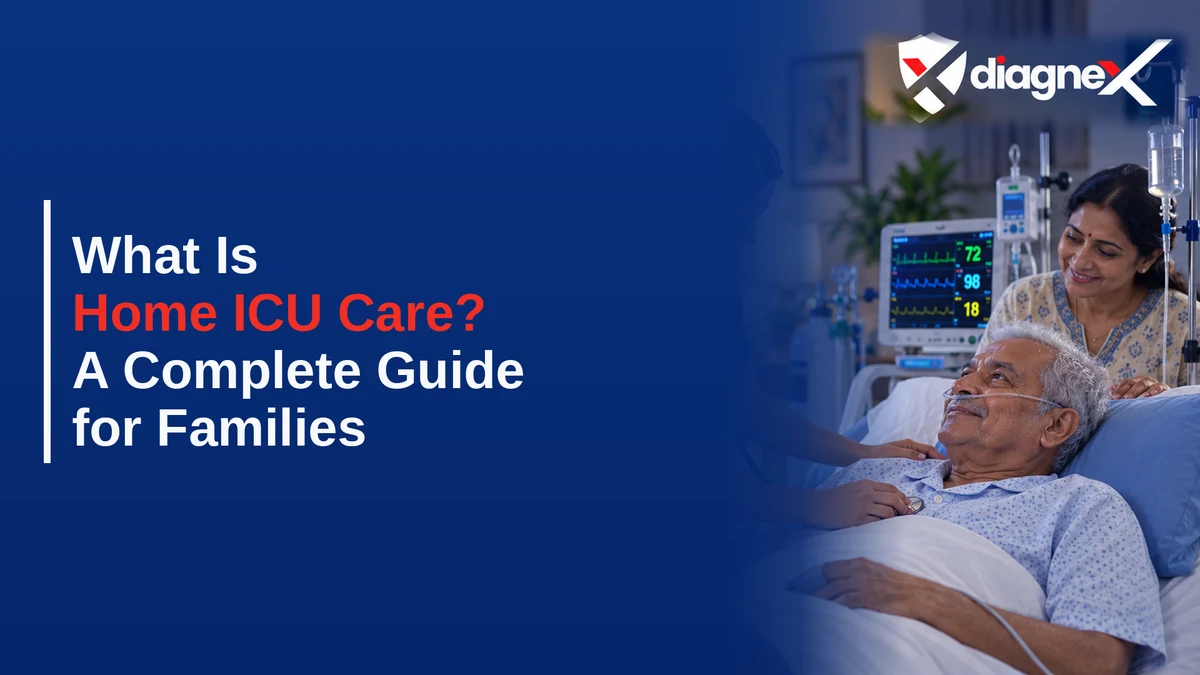
Home ICU care is a structured form of advanced care at home for selected patients who still need significant nursing, monitoring, respiratory support, medical equipment or repeated clinical procedures but do not…