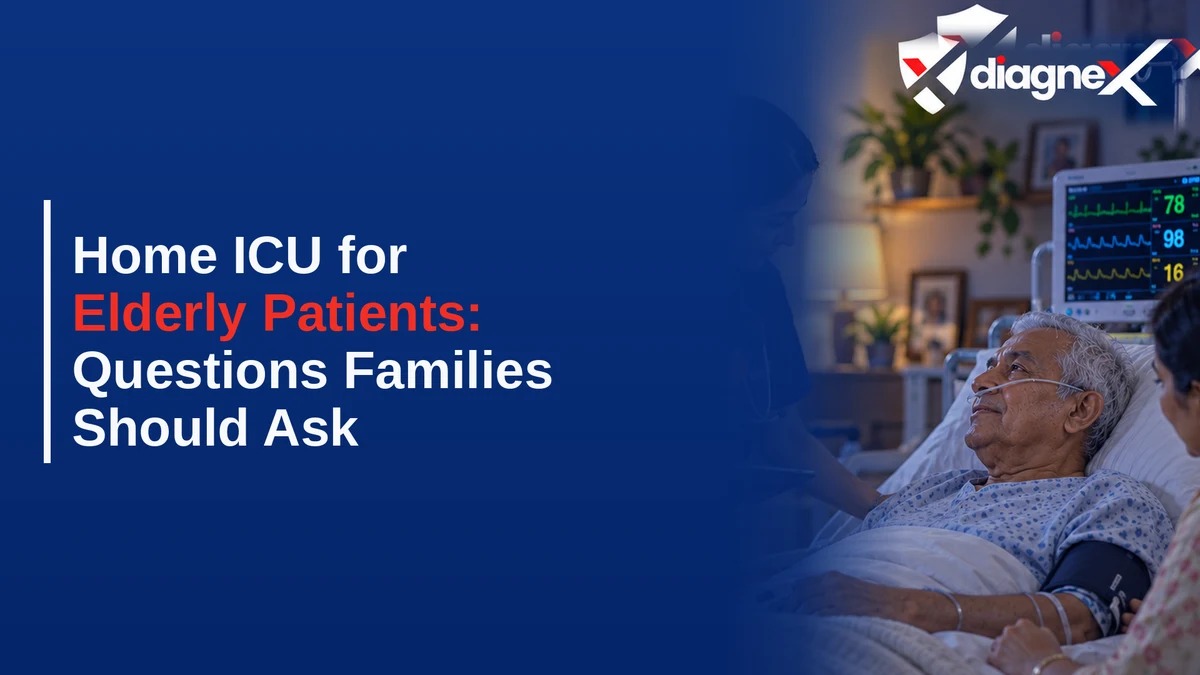
When an older adult remains medically dependent after an ICU stay or serious illness, families may be asked to consider whether advanced care can continue at home. A home ICU for elderly patients may be appropriate for some people, but age alone should never decide the answer. The decision should be based on the patient's current clinical stability, frailty, cognition, mobility, respiratory or equipment needs, expected recovery, family capacity, home environment and the goals of care discussed with the treating team. For families, the most useful approach is to ask clear questions before arranging equipment or committing to a complex home-care plan.
Is Home ICU Care Different for Older Adults?
The basic principles of safe home ICU care are the same for adults of any age: clinical suitability, trained professionals, appropriate equipment, monitoring, backup systems and a clear escalation plan. However, older adults may be more likely to have multiple conditions or vulnerabilities that affect the plan, such as: These factors do not automatically rule out care at home. They simply make individual assessment more important.
- Frailty
- Reduced mobility
- Cognitive impairment or delirium risk
- Multiple medicines
- Swallowing or nutrition problems
- Higher risk of falls or pressure injury
- Chronic heart, lung, kidney or neurological conditions
- Greater dependence on family or professional caregivers
1. Is the Patient Clinically Stable Enough for Home Care?
This is the first question families should ask. The treating team should explain whether the patient's current condition can be supported reliably outside the hospital. Important considerations may include: The fact that a patient is elderly should not be used either to push for home care or to exclude it. Clinical suitability should remain the deciding factor.
- Breathing stability
- Oxygen or respiratory-support needs
- Blood pressure and cardiovascular stability
- Frequency of acute deterioration
- Need for invasive procedures
- Medication and infusion complexity
- Ability to transfer back to hospital if the condition worsens
2. What Is the Main Goal of Care at Home?
- Recovery after critical illness
- Step-down care after ICU discharge
- Rehabilitation and rebuilding function
- Management of long-term medical dependency
- Support for chronic respiratory or neurological illness
- Comfort-focused care according to the treating team's plan
3. What Was the Patient's Function Before the Illness?
- Walking ability
- Ability to bathe and dress independently
- Ability to eat independently
- Memory and decision-making
- Need for caregiver help before admission
- Use of oxygen, mobility aids or medical devices before illness
4. Is Frailty Part of the Assessment?
Frailty is not the same as simply being older. It describes reduced physiological reserve and greater vulnerability to illness, stress and loss of function. A frailty assessment can help the clinical team understand: Families should ask how frailty affects the expected home-care needs and recovery plan.
- How much support the patient may need
- How easily the patient may become deconditioned
- Fall and mobility risk
- Nutrition risk
- Whether rehabilitation goals should be adjusted
5. Is the Patient Recovering From Delirium or Cognitive Changes?
- Whether delirium was present in hospital
- Whether confusion is still fluctuating
- What the patient's usual cognitive baseline was
- Whether close supervision is required
- What changes require urgent reassessment
6. How Much Nursing Support Is Required?
- Clinical observations
- Medication administration
- Oxygen or respiratory care
- Feeding support
- Wound care
- Catheter, tube or device care
- Repositioning and pressure care
- Documentation and escalation
7. What Monitoring Is Actually Needed?
More monitoring does not automatically mean safer care. The treating team should define which parameters need to be checked and how frequently. Depending on the patient, this may include: Families should also know what change in those observations should trigger clinical review.
- Heart rate
- Blood pressure
- Oxygen saturation
- Respiratory rate
- Temperature
- Fluid intake or urine output where relevant
- Other patient-specific observations
8. Does the Patient Need Oxygen or Respiratory Support?
- What respiratory support is prescribed
- When it should be used
- What equipment is required
- What power backup is needed
- Whether backup oxygen is required
- What symptoms or changes require escalation
9. Is Ventilator Care Being Considered?
- How dependent the patient is on the ventilator
- What airway and suction care is required
- What trained staffing is needed
- What backup power is required
- What happens if the ventilator fails
- How emergency hospital transfer will occur
10. Is the Patient at Risk of Aspiration or Feeding Problems?
- Whether oral feeding is safe
- Whether a modified food or fluid consistency is required
- Whether assisted feeding is needed
- Whether tube feeding is prescribed
- What position is required during feeding
- What symptoms should prompt review
11. What Is the Nutrition Plan?
- Meal or feeding schedule
- Hydration guidance
- Any dietary restrictions
- Nutritional supplements where prescribed
- How intake or weight should be monitored where advised
12. How Much Mobility Can the Patient Manage?
- Sit independently
- Stand safely
- Transfer between bed and chair
- Walk with or without assistance
- Use the bathroom safely
13. What Rehabilitation Is Realistic?
- Improving bed mobility
- Sitting out of bed
- Standing with support
- Walking short distances
- Improving transfers
- Regaining selected daily activities
14. How Will Falls Be Prevented?
- Clear walking paths
- Adequate lighting
- Removal of loose rugs and clutter
- Prescribed walking aids
- Assistance during transfers
- Easy access to the commode or bathroom
15. How Will Pressure Injury Risk Be Managed?
- Regular repositioning
- Skin checks
- Pressure-relieving mattress or cushions where indicated
- Moisture and hygiene management
- Nutrition support
16. Are Medicines Too Complex for the Home Routine?
- Medicine name
- Dose
- Route
- Timing
- Medicines that were stopped
- Medicines that were newly started
17. Has the Home Environment Been Assessed?
- Usable space around the medical bed
- Equipment placement
- Electrical supply
- Backup power
- Ventilation and lighting
- Bathroom access
- Doorway and corridor width
- Lift or staircase access
- Emergency patient-transfer route
18. Can the Patient Be Safely Transferred Back to Hospital?
- How an ambulance or appropriate transport will be arranged
- Whether the patient needs oxygen or other support during transport
- Whether a stretcher can reach the room
- Whether the lift or stairs can accommodate transfer
- Which hospital the patient should go to if escalation is required
19. Does the Family Have the Capacity to Support the Plan?
- Who coordinates appointments and supplies
- Who is available overnight where needed
- Who communicates with doctors and nurses
- Who can assist with non-clinical daily activities
- What happens when the primary family caregiver is unavailable
20. What Are the Patient's Preferences and Goals?
- The patient's priorities
- Expected recovery or long-term dependency
- Tolerance for treatment burden
- Preferred place of care where clinically appropriate
- Previously discussed goals or advance-care preferences, where relevant
21. What Would Make Home ICU Care No Longer Appropriate?
- Increasing clinical instability
- Increasing respiratory or oxygen needs
- New treatment requirements that cannot be delivered reliably at home
- Repeated equipment or power failures
- Inability to provide the required skilled staffing
- Unsafe transport or emergency access
- The patient's goals or condition changing significantly
22. How Often Will the Care Plan Be Reviewed?
- Clinical stability
- Medicines
- Oxygen or respiratory support
- Mobility and rehabilitation
- Nutrition
- Cognition
- Nursing requirements
- Equipment needs
- Family and caregiver capacity
Home ICU vs Step-Down Care for Elderly Patients
Not every older adult leaving the ICU needs full home ICU-level care. Some patients may be better suited to step-down care at home, which can include nursing, monitoring, oxygen, rehabilitation and medical follow-up at a lower level of intensity. The right level depends on the patient's current dependency, not on the fact that they were previously treated in an ICU.
Home ICU vs High-Dependency Care for Elderly Patients
- Monitoring frequency
- Respiratory support
- Nursing intensity
- Number and complexity of medical devices
- Risk of sudden deterioration
When May Hospital-Based Care Be More Appropriate?
- Persistent clinical instability
- Rapidly changing respiratory or cardiovascular needs
- Need for hospital-based diagnostics or interventions
- Inability to maintain essential power, oxygen or equipment support
- Lack of required skilled staffing
- Unsafe or impractical emergency transfer
- The treating team recommending continued facility-based care
Questions Families Should Ask Before Choosing Home ICU for an Elderly Patient
- Why is home ICU care appropriate for this patient now?
- What is the main goal of care?
- What was the patient's pre-illness level of function?
- How does frailty affect the plan?
- Is delirium or cognitive impairment present?
- What nursing coverage is required?
- What should be monitored?
- Does the patient need oxygen or ventilatory support?
- What feeding and nutrition support is required?
- What rehabilitation is realistic?
- What equipment and backup systems are needed?
- What are the major risks at home?
- What should trigger hospital transfer?
- How often will the plan be reviewed?
- What role is expected from the family?
Home ICU for Elderly Patients Checklist
- Clinical suitability has been assessed
- The goals of care are understood
- Frailty, cognition and mobility have been considered
- The required nursing level is defined
- Monitoring instructions are clear
- Oxygen or respiratory support is planned where required
- Feeding and nutrition needs are addressed
- Falls and pressure-care risks are addressed
- Medicines are reconciled
- The home environment has been assessed
- Power and oxygen backup are arranged where required
- The patient-transfer route is practical
- Family roles are realistic
- Emergency escalation and hospital transfer are planned
- Regular review is scheduled
Age Alone Should Never Decide the Care Setting
The decision about home ICU care for an elderly patient should not be reduced to age. What matters is the patient's clinical condition, level of dependency, potential for recovery, preferences, home environment and the ability to provide reliable professional care. A well-planned approach gives families a clearer view of what home care can realistically provide and where its limits are. Families considering Home ICU / Advanced Care at Home can speak with Diagnex to understand the assessment and care-planning process and discuss appropriate next steps, subject to clinical suitability and service availability.
Frequently Asked Questions
Can elderly patients receive ICU care at home?
Is home ICU safer than hospital ICU for an elderly patient?
There is no universal answer. The safer setting depends on the patient's current condition and what level of monitoring, treatment and emergency support is required. Some patients can be supported at home, while others still need hospital-based care.