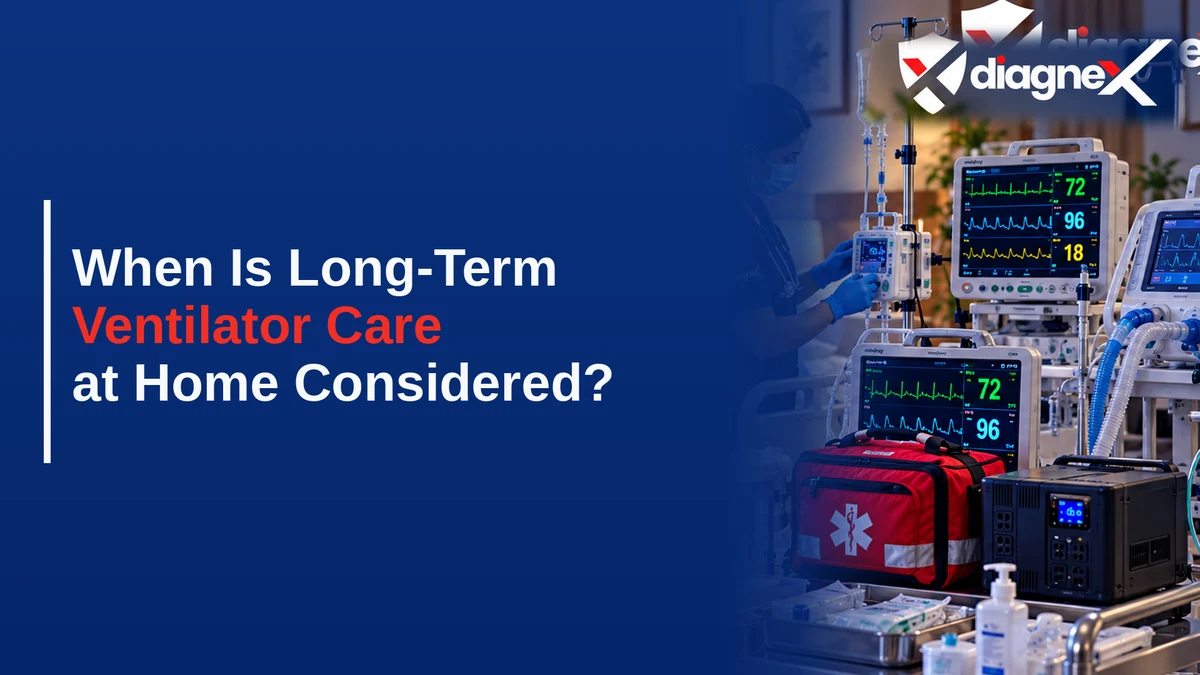
Long-term ventilator care at home may be considered for selected patients who continue to need mechanical or other prescribed ventilatory support after the acute hospital phase has passed. The decision is not based only on whether a ventilator can physically be installed at home. It depends on clinical stability, the expected duration of ventilatory support, airway and secretion-management needs, trained caregiving, equipment reliability, power backup, emergency planning and the ability to transfer the patient back to hospital if required. For families, the most important question is not simply “Can a ventilator be used at home?” but “Can this patient's full respiratory and clinical care plan be supported reliably in the home environment?”
What Is Long-Term Ventilator Care at Home?
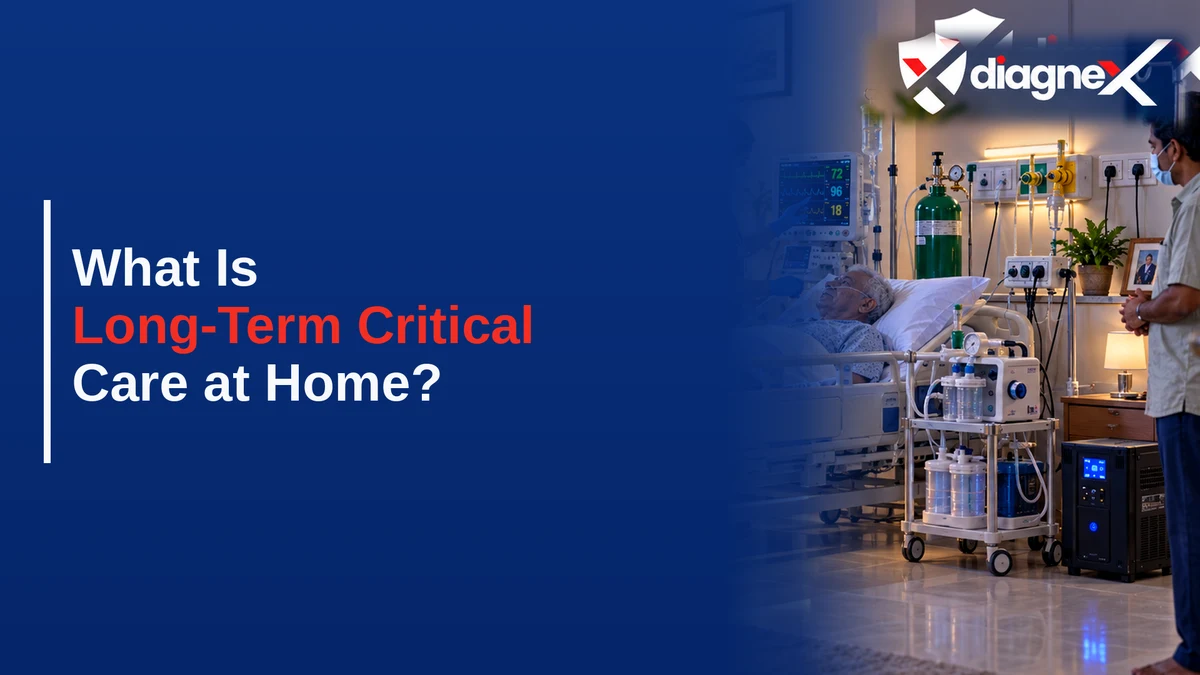
Long-term home ventilator care is a structured care plan for a patient who remains dependent on prescribed ventilatory support beyond a short acute-care period. Depending on the patient, support may be delivered through an appropriate mask interface or through an artificial airway such as a tracheostomy. The exact device, interface and respiratory plan are determined by the treating respiratory and medical teams. Home ventilator care may also involve:
- Skilled nursing or trained caregiving
- Airway and secretion management
- Suction equipment where clinically indicated
- Prescribed oxygen support where required
- Monitoring according to the care plan
- Nutrition and feeding support
- Medication management
- Mobility, positioning and pressure care
- Backup power and equipment support
- A written escalation and hospital-transfer plan
Who May Be Considered for Long-Term Ventilator Care at Home?
Home ventilation may be considered for selected patients whose respiratory support needs are expected to continue and whose overall condition can be managed safely outside the hospital. Examples may include patients who: The diagnosis alone does not determine eligibility. The patient's actual respiratory dependency, clinical stability and home-care infrastructure matter more.
- Remain ventilator-dependent after a prolonged ICU stay
- Have chronic respiratory failure requiring prescribed ventilatory support
- Have selected neuromuscular conditions with long-term respiratory support needs
- Have selected neurological or spinal conditions affecting independent breathing
- Need long-term non-invasive ventilation according to a specialist plan
- Require prolonged respiratory support during step-down or long-term critical care
1. The Patient Should Be Clinically Stable Enough for Home Care
- Respiratory stability
- Frequency of acute deterioration
- Need for hospital-based interventions
- Oxygen requirements
- Airway and secretion burden
- Medication and infusion needs
- Other organ support requirements
- Overall risk of sudden instability
2. The Need for Ventilation Should Be Expected to Continue
- Long-term
- Part of a prolonged recovery process
- Used only during certain periods such as sleep
- Used for a greater portion of the day
- Required continuously
3. The Ventilator Plan Must Be Clearly Prescribed
- Which ventilator and interface are prescribed
- When the ventilator is expected to be used
- Which alarms require immediate attention
- Who is authorised to manage device settings
- What routine checks trained users should perform
- Who to contact for clinical or equipment problems
4. Airway Management Must Be Feasible at Home
- Tracheostomy care where applicable
- Airway suctioning where clinically indicated
- Secretion management
- Humidification according to the prescribed setup
- Required airway consumables
- Signs of airway obstruction or respiratory deterioration
5. Secretion Burden Should Be Assessed
- How often airway care may be required
- Who is trained to perform it
- Which equipment and consumables are required
- What changes in secretions require medical review
- What happens if suction equipment fails
6. Trained People Must Be Available
- Skilled nursing
- Trained caregivers
- Family members who understand their defined support role
- Clinical supervision and review
- Backup staffing when the usual caregiver is unavailable
7. Family Training Should Have Clear Limits
- The normal care routine
- How to recognise important alarms
- Who to call for equipment problems
- How to support positioning and comfort
- What warning signs require escalation
8. The Home Must Support the Equipment Safely
- Bed position
- Access around the patient's head and airway
- Equipment placement
- Electrical supply
- Cable and tubing routes
- Ventilation and room environment
- Doorway and corridor access
- Patient-transfer route
9. Power Backup Is Essential to the Plan
- The ventilator's internal battery capability
- External backup power required
- How UPS or inverter support fits into the plan
- What longer-duration backup is available where appropriate
- Which other critical devices share the backup system
- When a prolonged outage should trigger hospital transfer
10. A Respiratory Backup Plan Must Be Defined
- What device or equipment backup is required
- What emergency respiratory support is part of the patient's plan
- Who is trained to use the prescribed backup
- Who to contact for urgent equipment replacement
- When the patient must be transferred to hospital
11. Oxygen Backup May Also Be Required
- The primary oxygen source
- The prescribed oxygen delivery
- Backup oxygen where clinically required
- Power dependence of the oxygen equipment
- How backup availability is checked
- What change in oxygen need requires medical review
12. Suction Equipment May Need Its Own Backup Plan
- Whether backup suction equipment is required
- Power requirements
- Required consumables
- Who is trained to perform suction
- When airway difficulty requires emergency escalation
13. Monitoring Should Match the Patient's Dependency
- Oxygen saturation
- Heart rate
- Respiratory observations
- Other prescribed parameters
14. Nutrition and Feeding Needs Should Be Planned
- Oral feeding with prescribed precautions
- Assisted feeding
- Enteral feeding where prescribed
- Positioning during feeding
- Nutrition review
- Monitoring for feeding-related problems
15. Positioning and Pressure Care Are Important
- Regular repositioning
- Skin assessment
- Pressure-relieving mattress or cushions where indicated
- Positioning that supports comfort and respiratory care
- Mobility or physiotherapy where appropriate
16. Equipment Maintenance Must Be Sustainable
- Routine servicing arrangements
- Supplier contact details
- Battery maintenance
- Consumable replacement process
- What to do if an alarm or fault cannot be resolved by trained users
17. Consumables Need a Reliable Replenishment Process
- Ventilator circuit-related consumables
- Masks or interfaces where applicable
- Suction supplies
- Tracheostomy-related supplies where applicable
- Feeding supplies
- Gloves and other procedure-specific items
18. The Patient Needs a Written Emergency Plan
- Patient-specific respiratory warning signs
- Important ventilator or equipment alarms
- What trained caregivers should do within their role
- Who to contact for clinical help
- Who to contact for equipment support
- Power and oxygen backup arrangements
- Ambulance or transport contacts
- The receiving hospital or escalation destination
19. Transport Back to Hospital Must Be Practical
- Bedroom doorway and corridor access
- Lift or staircase constraints
- Stretcher access
- Need for respiratory support during transport
- Who arranges emergency transport
- Which records and equipment information travel with the patient
20. The Care Plan Should Be Reviewed Regularly
- Whether ventilator dependence is increasing or decreasing
- Whether respiratory support remains appropriate
- Whether nursing intensity should change
- Whether monitoring should change
- Whether equipment still matches the patient's needs
- Whether rehabilitation goals have changed
- Whether the home remains the right care setting
Long-Term Non-Invasive Ventilation at Home
- Clinical suitability
- Correct prescribed equipment and interface
- Monitoring
- Skin and interface care
- Power backup
- Equipment support
- Escalation if the patient's respiratory needs increase
Long-Term Ventilation Through a Tracheostomy
Some patients receiving long-term ventilation may have a tracheostomy. This adds airway-care requirements beyond the ventilator itself. The care plan may need to address: The exact tracheostomy and airway-care plan must come from the responsible clinical team.
- Tracheostomy care
- Secretion and suction management
- Humidification according to the prescribed plan
- Required consumables
- Emergency airway planning
- Training and staffing
Does Long-Term Ventilator Care Always Mean 24-Hour Nursing?
- Degree of ventilator dependence
- Ability to communicate distress
- Airway and secretion needs
- Frequency of clinical interventions
- Mobility and overall dependency
- Risk of sudden deterioration
- Availability and training of family support
What Makes a Home Suitable for a Ventilator-Dependent Patient?
- Adequate space around the bed and airway
- Reliable electricity
- Appropriate backup power
- Safe placement of the ventilator and related devices
- Oxygen storage where prescribed
- Suction access where required
- Organised storage for respiratory consumables
- A clear patient-transfer route
- Reliable communication with clinical and equipment teams
When May Long-Term Ventilator Care at Home Not Be Appropriate?
- Persistent clinical instability
- Rapidly changing respiratory support needs
- Frequent acute events requiring hospital-based intervention
- Airway needs that cannot be managed safely at home
- Inability to provide trained staffing
- Unreliable electricity or backup power
- Inability to maintain required oxygen or suction support
- Unsafe or impractical emergency transfer
- The treating team recommending facility-based care
Questions Families Should Ask Before Long-Term Home Ventilation
- Why is long-term ventilation at home being considered?
- Is the patient's condition stable enough for home care?
- How dependent is the patient on the ventilator?
- What airway and suction care is required?
- What level of nursing or trained caregiver coverage is needed?
- What equipment and consumables are required?
- What power backup is required?
- What oxygen backup is required where prescribed?
- What happens if the ventilator fails?
- What warning signs require urgent escalation?
- How will the patient be transferred to hospital if needed?
- How often will the respiratory and care plan be reviewed?
Long-Term Ventilator Care at Home Checklist
- Clinical suitability has been assessed
- The ventilator and respiratory plan is clearly prescribed
- Airway and secretion-management needs are understood
- Trained professionals or caregivers are available
- The home environment has been assessed
- Ventilator and related equipment are installed and checked
- Power backup is in place
- Oxygen backup is planned where prescribed
- Suction backup is planned where required
- Required consumables are available
- Equipment service contacts are documented
- Emergency respiratory and escalation instructions are documented
- Ambulance and hospital-transfer arrangements are understood
- Regular clinical review is planned
Home Ventilation Is a Clinical System, Not Just a Device
Long-term ventilator care at home is safest when the ventilator is only one part of a coordinated respiratory and critical-care plan. The patient may also depend on trained people, airway care, suction, monitoring, oxygen, power backup, supplies, equipment servicing and a clear emergency pathway. Families considering Home ICU / Advanced Care at Home can speak with Diagnex to understand the assessment and care-planning process and discuss appropriate next steps, subject to clinical suitability and service availability.
Frequently Asked Questions
When is long term ventilator care at home considered?
Can a ventilator-dependent patient be cared for at home?
Does home ventilator care always require a tracheostomy?
No. Some patients receive long-term non-invasive ventilation through a mask or other interface, while others may require ventilation through a tracheostomy. The appropriate approach is determined by the treating team.
Does a ventilator-dependent patient always need 24-hour nursing?
What backup is needed for a home ventilator?
What happens if the home ventilator fails?
Can family members change home ventilator settings?
When should a ventilator-dependent patient return to hospital?
SEO Details
SEO Title: When Is Long-Term Ventilator Care at Home Considered? Meta Description: Learn when long term ventilator care at home may be considered, including clinical suitability, airway care, trained support, power backup, equipment planning and emergency transfer. Primary Keyword: long term ventilator care at home Secondary Keywords: ventilator dependent patient care at home, home ventilator care, critical care at home Suggested URL: /blog/when-is-long-term-ventilator-care-at-home-considered