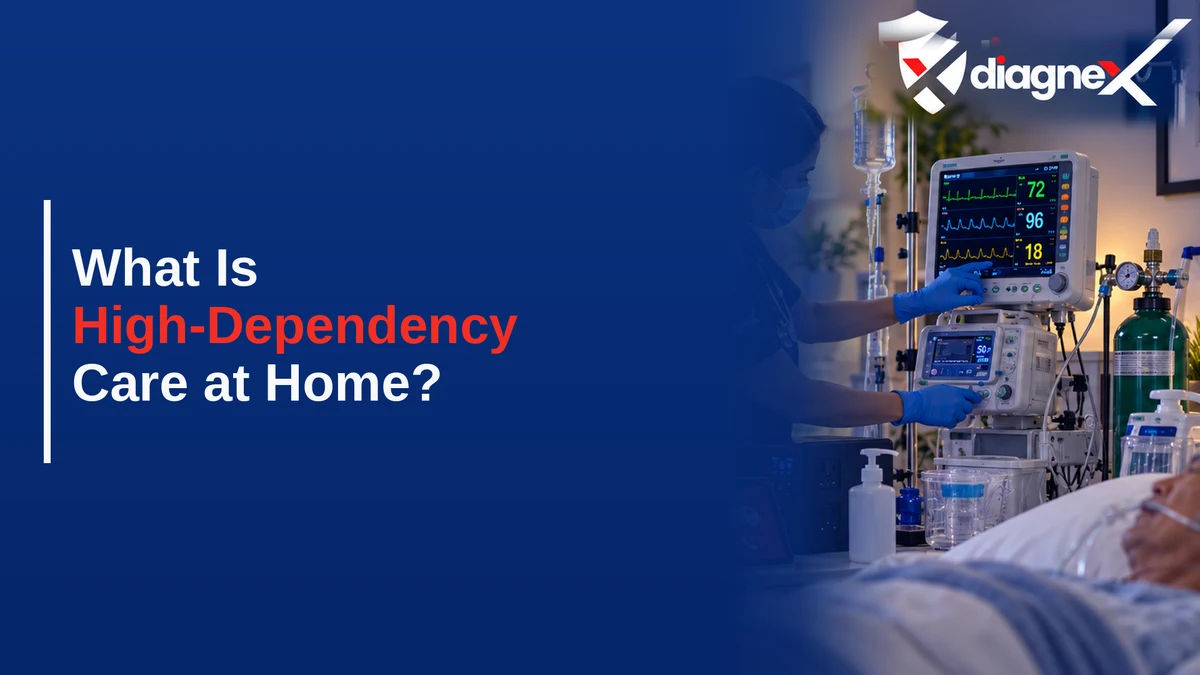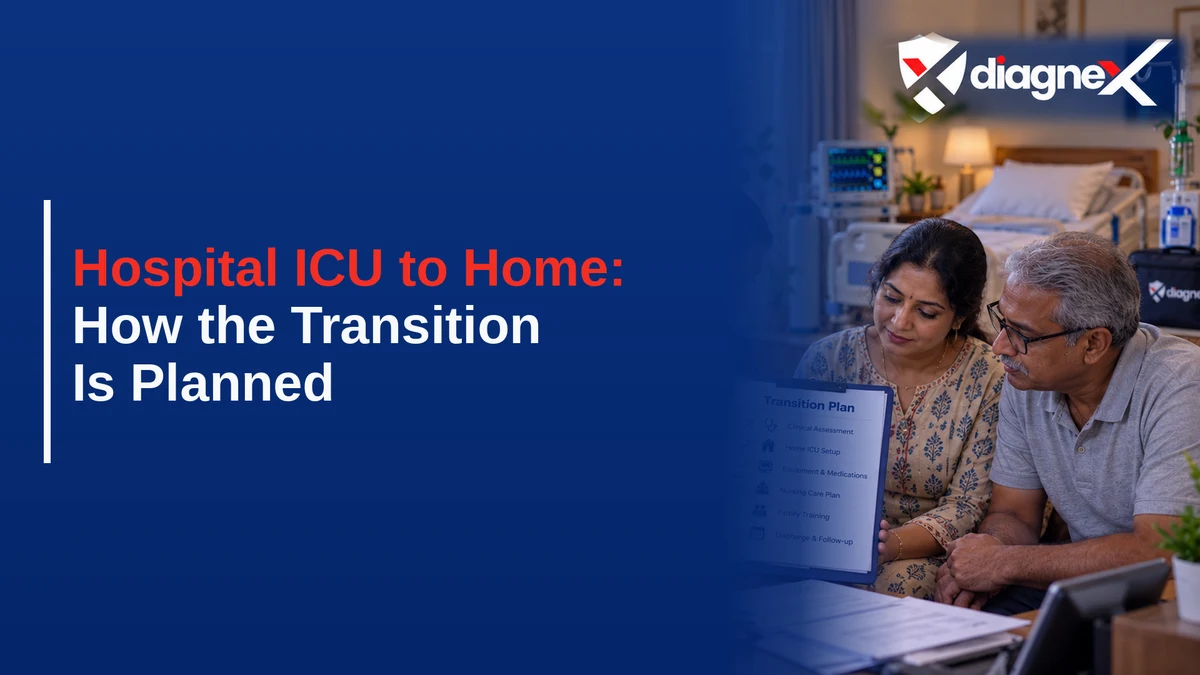
Moving a patient from a hospital ICU to home is not simply a discharge followed by equipment delivery. It is a coordinated transition in which the treating team, home-care team, patient and family need to agree on what care is still required, what can be delivered safely at home and what should happen if the patient's condition changes. A hospital ICU to home transition may be considered when the patient no longer requires the same level of hospital-based critical care but still needs significant medical support, monitoring, nursing or rehabilitation. The exact pathway varies from patient to patient. The safest transitions are planned before discharge, with the home environment, equipment, medicines, nursing, transport, documentation and escalation plan ready before the patient leaves the hospital.
What Does a Hospital ICU to Home Transition Mean?
- Skilled nursing
- Monitoring of prescribed clinical parameters
- Oxygen therapy where prescribed
- Respiratory support where clinically indicated
- Medication administration
- Feeding support
- Wound, catheter or tube care
- Mobility, positioning and pressure care
- Rehabilitation or step-down care
- Follow-up with the treating team
The Transition Begins With Clinical Readiness
The first question is not whether the family can arrange a room at home. It is whether the patient is clinically suitable for the proposed transition. The treating team should consider factors such as: Home preference, cost considerations or equipment availability should not replace clinical assessment.
- Current clinical stability
- Breathing and oxygen requirements
- Need for continuous monitoring
- Medication and infusion needs
- Airway or secretion-management needs
- Nutrition and feeding requirements
- Mobility and dependency
- Risk of sudden deterioration
- Availability of skilled support at home
- Ability to transfer the patient back to hospital if required
1. The Hospital Team Defines the Ongoing Care Needs
- Level of nursing support
- Frequency of monitoring
- Oxygen or respiratory support
- Intravenous or other medicines
- Feeding support
- Wound or device care
- Mobility assistance
- Rehabilitation needs
- Follow-up schedule
2. The Family Receives a Clear Discharge Plan
- Current diagnoses
- Current medicines
- Which medicines were stopped or changed
- Oxygen or respiratory instructions
- Monitoring requirements
- Feeding and hydration plan
- Wound or tube-care instructions
- Mobility and positioning guidance
- Follow-up arrangements
- Patient-specific warning signs
3. A Home ICU Assessment Is Completed
- Usable room space
- Medical bed placement
- Equipment placement
- Electricity and backup power
- Oxygen storage and backup where prescribed
- Ventilation and lighting
- Nursing access around the bed
- Doorways, corridors, lifts and staircases
- Emergency patient-transfer route
4. Equipment Is Matched to the Patient's Current Needs
- Adjustable medical bed
- Multiparameter monitor
- Pulse oximeter
- Oxygen concentrator or cylinders
- Ventilator where clinically indicated
- Non-invasive respiratory support where prescribed
- Suction machine
- Nebuliser
- Infusion or syringe pumps
- Feeding equipment
- Pressure-relieving mattress
- Mobility or transfer aids
5. Equipment Is Installed and Checked Before Arrival
- The device powers on correctly
- Required accessories are present
- Alarms are understood
- Battery condition is known
- Power connections are suitable
- Consumables are available
- Support contacts are documented
6. Nursing Support Is Confirmed
- When nursing support starts
- Expected coverage
- Clinical responsibilities
- Documentation requirements
- Escalation responsibilities
- How the nurse communicates with the treating team
7. Medicines and Consumables Are Prepared
- Medicine name
- Dose
- Route
- Timing
- Storage requirements
- Who will administer the medicine
- Which consumables are needed for each treatment
8. Power Backup Is Planned
- Which devices must remain powered
- Which devices have internal batteries
- Whether UPS or inverter support is required
- Expected backup duration for the actual device load
- What longer-duration backup exists where needed
- When a power problem should trigger hospital transfer
9. Oxygen Backup Is Planned Where Required
- The primary oxygen source
- The prescribed oxygen delivery
- Whether non-electric backup oxygen is required
- Who is trained to change over to backup
- How backup availability is checked
- When insufficient oxygen support requires escalation
10. Transport From Hospital to Home Is Planned
- Appropriate vehicle or ambulance type
- Need for oxygen during transport
- Need for monitoring
- Need for trained personnel during transport
- Equipment travelling with the patient
- Who accompanies the patient
- Who receives the patient at home
11. The Route Into the Home Is Checked
- Building entrance
- Lift size and availability
- Staircase limitations
- Corridor width and turning space
- Bedroom doorway
- Space for stretcher or wheelchair movement
12. A Clinical Handover Takes Place
- Current diagnosis and relevant history
- Reason for recent ICU admission
- Current medicines and recent doses
- Oxygen or respiratory support
- Important tubes, drains or catheters
- Feeding plan
- Monitoring instructions
- Recent clinical concerns
- Patient-specific escalation triggers
- Follow-up plan
13. The Patient Is Settled Into the Home Setup
- Patient positioning
- Oxygen or respiratory support
- Monitoring devices
- Infusion or medication devices
- Feeding equipment
- Tubing and cable routes
- Bedside access
- Emergency equipment and backup
14. The First-Day Care Schedule Is Confirmed
- Medicine timings
- Monitoring schedule
- Feeding schedule
- Position changes
- Airway or suction care where required
- Fluid-balance or output monitoring where prescribed
- Planned doctor communication
15. The Emergency Escalation Plan Is Reviewed Again
- Patient-specific warning signs
- Treating-team contacts
- Equipment-support contacts
- Power-failure plan
- Oxygen-backup plan where relevant
- Ambulance or transport contacts
- Preferred hospital and alternative options
- The route from the patient's room to the building exit
What Is Step-Down Care at Home?
- Ongoing monitoring
- Medication management
- Oxygen or respiratory support
- Nutrition
- Mobility and rehabilitation
- Pressure and skin care
- Recovery of daily function
- Prevention of avoidable complications
Post ICU Care at Home Is More Than Equipment
- Clinical monitoring
- Nursing care
- Medication management
- Respiratory support
- Nutrition
- Mobility and rehabilitation
- Sleep and rest
- Psychological and family support
- Follow-up with doctors
What Happens During the First Few Days at Home?
- Whether the patient's condition remains consistent with the discharge plan
- Whether medicines are being administered as intended
- Whether monitoring is practical and meaningful
- Whether oxygen or respiratory equipment is functioning correctly
- Whether feeding is being tolerated
- Whether mobility and positioning needs are being met
- Whether the family understands its role
- Whether equipment placement needs adjustment
When May a Direct ICU-to-Home Transition Not Be Appropriate?
- The patient remains clinically unstable
- Required monitoring or treatment cannot be delivered reliably at home
- Skilled support is not available
- The home environment cannot support essential equipment
- Power or oxygen continuity cannot be maintained
- Emergency transfer would be impractical
- The treating team recommends continued facility-based care
Questions Families Should Ask Before ICU Discharge to Home
- Why is home care appropriate at this stage?
- What level of support will the patient need at home?
- What must be monitored?
- What equipment is required?
- Who will provide nursing care?
- What medicines and supplies must be ready?
- What power backup is required?
- What oxygen backup is required?
- How will the patient travel home?
- Who receives the patient on arrival?
- What findings should trigger urgent escalation?
- Which hospital should the patient return to if needed?
Hospital ICU to Home Transition Checklist
- Clinical suitability has been assessed
- The discharge plan is clear
- The home environment has been assessed
- The room and bed are ready
- Prescribed equipment is installed and checked
- Nursing support is confirmed
- Medicines and consumables are ready
- Power backup is planned
- Oxygen backup is planned where prescribed
- Transport is arranged
- The route into the home is clear
- The clinical handover is complete
- Medical records are available
- The first-day schedule is understood
- Emergency escalation and hospital transfer are planned
A Successful Transition Is a Coordinated Handover
The transition from hospital ICU to home works best when the patient does not move from one disconnected system to another. The hospital plan, home environment, equipment, nursing, medicines, transport and escalation pathway should fit together before discharge. This reduces the amount of clinical and logistical decision-making that families have to manage after the patient reaches home. Families considering Home ICU / Advanced Care at Home can speak with Diagnex to understand the assessment and care-planning process and discuss appropriate next steps, subject to clinical suitability and service availability.