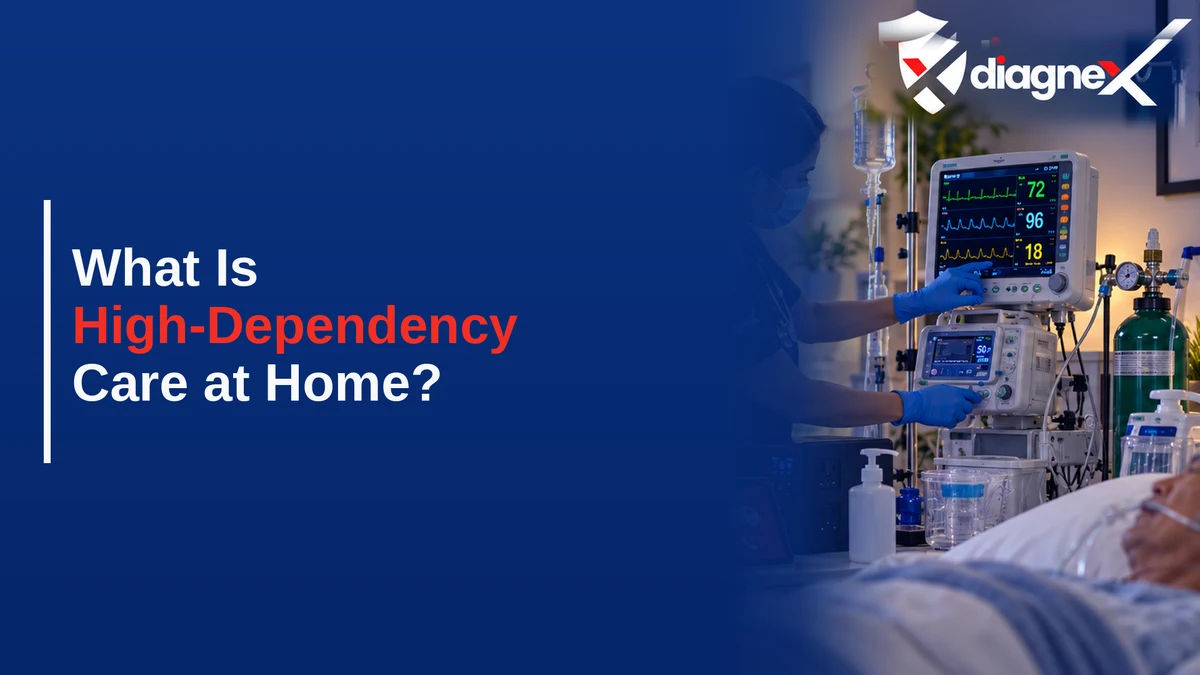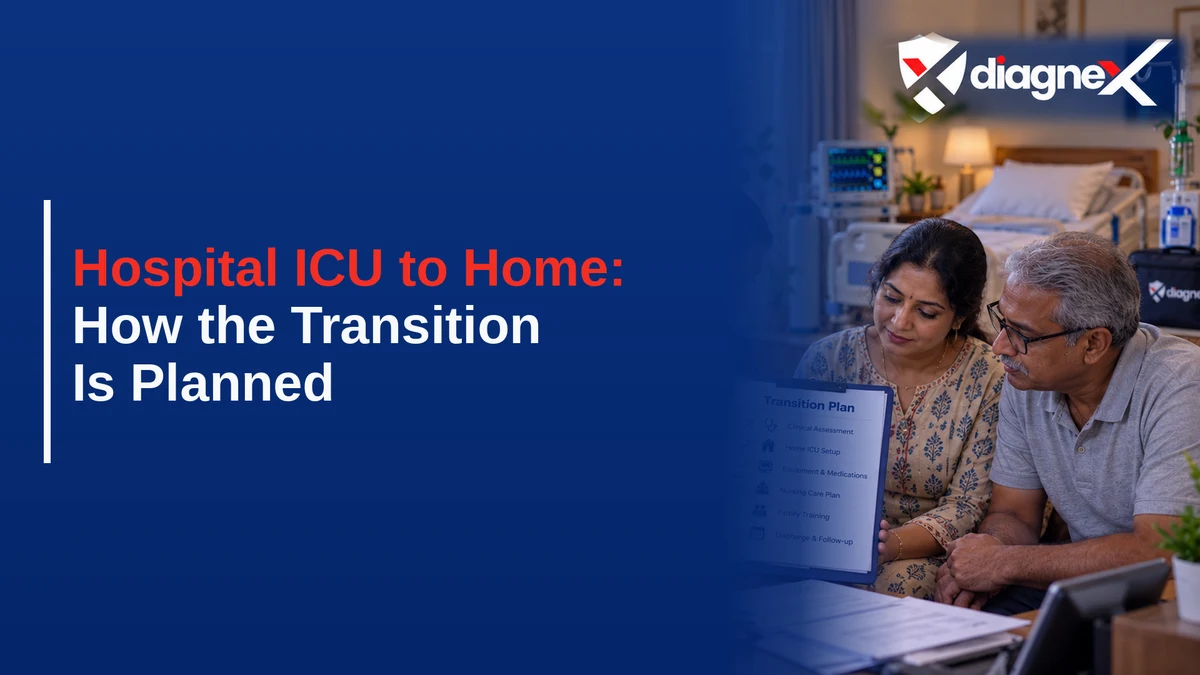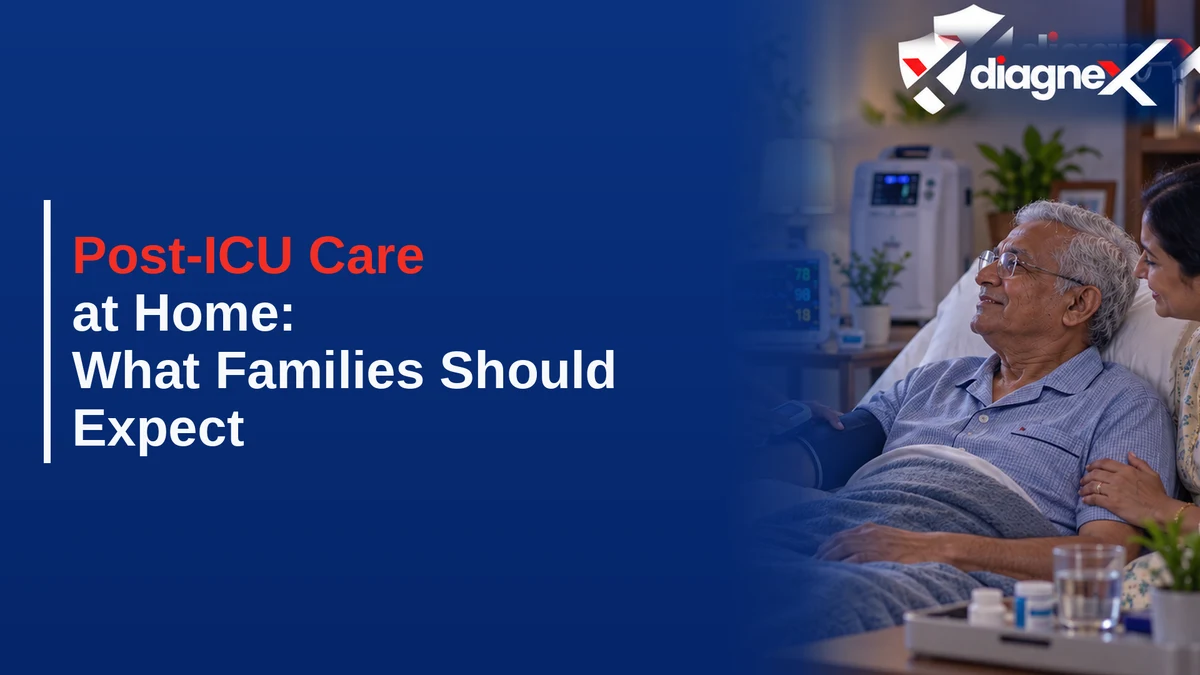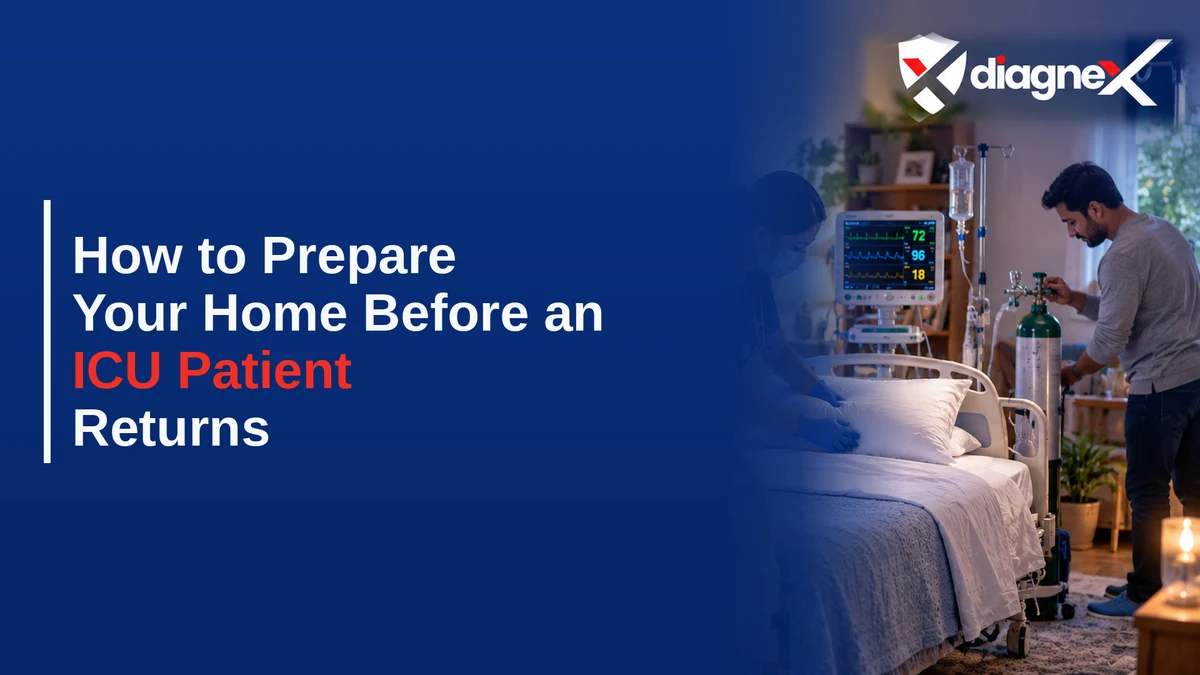
Step-down care at home is a structured form of care for patients who no longer need the same intensity of hospital ICU treatment but still require more support than routine home care. It may be considered after an ICU or high-dependency hospital stay when the patient is clinically stable enough to leave that environment but continues to need nursing, monitoring, medicines, oxygen or respiratory support, feeding assistance, mobility support or rehabilitation. The exact meaning of step-down care can vary between hospitals and care providers. It should therefore be defined around the individual patient's needs rather than treated as a fixed package or a standard level of care.
What Does Step-Down Care at Home Mean?
In simple terms, step-down care is the stage between intensive hospital care and lower-intensity recovery or routine home support. The patient may no longer need continuous hospital ICU infrastructure, but may still require organised medical and nursing support at home. Depending on the patient, this can include: The level of support should be determined by the treating team and adjusted as the patient's condition changes.
- Skilled nursing
- Monitoring of prescribed clinical parameters
- Oxygen therapy where prescribed
- Respiratory support where clinically indicated
- Medication administration
- Feeding support
- Wound, catheter or tube care
- Mobility and positioning support
- Pressure-area care
- Rehabilitation and recovery support
- Doctor follow-up and escalation planning
Step-Down Care Is Not the Same as Full ICU Care at Home
Step-down care and home ICU care can overlap, but they are not necessarily the same thing. A patient requiring intensive respiratory support, multiple infusions, continuous high-acuity monitoring or frequent urgent interventions may need a more complex home ICU or may still require facility-based care. A step-down patient may be more stable and require less intensive support, while still needing structured nursing, monitoring and medical follow-up. The distinction should be based on clinical dependency rather than on the name used for the service.
Who May Need Step-Down Care at Home?
- Are recovering after an ICU admission
- Remain medically dependent but are clinically more stable
- Need oxygen therapy after discharge
- Need ongoing monitoring
- Require skilled nursing procedures
- Have feeding tubes, catheters or wound-care needs
- Have significant weakness or reduced mobility
- Need rehabilitation after critical illness
- Need a structured transition before returning to more independent living
1. Recovery After an ICU Stay
Many patients leave an ICU before they are fully independent. They may still experience weakness, reduced mobility, poor appetite, sleep disruption, ongoing oxygen needs or dependence on family and nursing support. Step-down care can help create a structured recovery environment while the patient continues to improve.
2. Patients Who Still Need Skilled Nursing
- Clinical observations
- Medication administration
- Wound care
- Catheter or tube care
- Feeding support
- Positioning and pressure-area care
- Documentation and escalation of changes
3. Patients on Oxygen Therapy
- The prescribed oxygen delivery
- The primary oxygen source
- Monitoring requirements
- Backup oxygen where clinically required
- Power backup if a concentrator is used
- Escalation instructions if oxygen needs change
4. Patients With Feeding or Nutrition Support
Critical illness can affect swallowing, appetite, strength and nutrition. Some step-down patients may require a prescribed feeding plan, nutritional support or tube feeding. The home plan should define:
- Feeding method
- Feed type and schedule
- Positioning during feeding
- Required consumables
- Who is trained to provide feeding support
- What problems require clinical review
5. Patients With Reduced Mobility
- Assisted repositioning
- Pressure-relieving mattress or supports where indicated
- Wheelchair or commode
- Transfer aids
- Physiotherapy or rehabilitation according to the care plan
- Fall-risk precautions
6. Patients Who Need Continued Monitoring
Some patients no longer need full ICU monitoring but still need regular observation of selected clinical parameters. Depending on the treating team's instructions, this may include: Monitoring should be purposeful. More devices or more frequent measurements do not automatically mean better care.
- Heart rate
- Blood pressure
- Oxygen saturation
- Respiratory rate
- Temperature
- Fluid intake or output where relevant
- Other patient-specific observations
What Does ICU Step-Down Care at Home Include?
Clinical Assessment and Care Planning
Skilled Nursing
Monitoring
Oxygen and Respiratory Support
Medication Management
Nutrition and Feeding
Mobility and Rehabilitation
Pressure and Skin Care
Follow-Up and Escalation
How Is Step-Down Care Different From Routine Home Nursing?
- Closer connection to the recent hospital discharge plan
- Higher clinical dependency
- More structured monitoring
- More complex medicines or devices
- Greater need for escalation planning
- A defined pathway toward lower-intensity care as the patient improves
How Is Step-Down Care Different From Home ICU Care?
The main difference is usually the intensity of clinical support required. A home ICU patient may require more complex or continuous support, such as advanced respiratory care, multiple infusion devices, intensive monitoring or a higher-acuity nursing environment. A step-down patient may still need substantial care but is generally moving toward a lower level of dependency. However, these categories can overlap. The care plan should describe actual needs rather than assuming that every patient fits neatly into one label.
How Is Step-Down Care Different From General Recovery at Home?
General recovery at home may involve rest, medicines, basic assistance and routine follow-up. Step-down care is usually more structured because the patient is still recovering from a significant illness, procedure or critical-care episode and may have ongoing clinical needs. It often includes more formal nursing, monitoring, equipment, rehabilitation or escalation planning than ordinary convalescence.
What Is High Dependency Care at Home?
The term high dependency care at home may be used for patients who need more clinical support than routine home care but do not necessarily require the full intensity of an ICU environment. Because the term is not used identically by every organisation, families should ask what level of nursing, monitoring, equipment, respiratory support and medical oversight is actually included. A patient described as high dependency may require a different setup from another patient with the same label.
How Long Does Step-Down Care Last?
There is no fixed duration. Step-down care may be short-term for a patient who improves quickly, or longer when recovery is slower or dependency remains significant. The duration may be influenced by: The level of care should be reviewed rather than continued automatically at the same intensity.
- Clinical recovery
- Mobility and strength
- Oxygen or respiratory requirements
- Nutrition and feeding independence
- Ability to manage medicines safely
- Need for nursing procedures
- Family support and home environment
How Does a Patient Move From Step-Down Care to Lower-Intensity Care?
- Less frequent monitoring
- Reduced nursing intensity
- Less dependence on equipment
- Greater mobility
- More independent feeding or self-care
- Greater family participation in routine non-clinical support
When Should Step-Down Care Be Re-Escalated?
Step-down care is appropriate only while the patient's needs can be safely managed at that level. The treating team should define patient-specific warning signs that require urgent review or hospital transfer. Escalation may be needed if there is: Families should follow the personalised escalation plan rather than waiting for the patient to become severely unwell.
- New or worsening breathing difficulty
- Increasing oxygen or respiratory support needs
- Reduced consciousness or new neurological change
- Significant changes in monitored vital signs
- New severe pain, bleeding or other acute symptoms
- Failure of essential equipment or inability to maintain power or oxygen support
- Any other red flag defined by the treating team
What Equipment May Be Needed for Step-Down Care at Home?
- Medical bed
- Pulse oximeter or prescribed monitoring equipment
- Oxygen concentrator or cylinders where prescribed
- Suction machine where clinically indicated
- Nebuliser where prescribed
- Feeding equipment
- Infusion equipment where required
- Pressure-relieving mattress
- Wheelchair, commode or transfer aids
What Should Families Prepare Before Step-Down Care Begins?
- The discharge plan is clear
- The patient has been assessed for home suitability
- The room and bed are ready
- Prescribed equipment is installed
- Nursing support is confirmed
- Medicines and consumables are available
- Oxygen and power backup are planned where required
- Feeding and mobility needs are addressed
- Transport into the home is planned
- Emergency contacts and escalation instructions are documented
Questions to Ask Before Choosing Step-Down Care at Home
- Why is step-down care appropriate now?
- What level of nursing is required?
- What needs to be monitored?
- Does the patient need oxygen or respiratory support?
- What equipment is essential?
- What medicines and procedures will continue at home?
- What rehabilitation is planned?
- How often will the care plan be reviewed?
- What signs mean the patient needs a higher level of care?
- What is the hospital-transfer plan?
Step-Down Care at Home Checklist
- Clinical suitability has been assessed
- The discharge plan is available
- The home environment is suitable
- The required bed and equipment are ready
- Skilled nursing is arranged where required
- Medicines and supplies are available
- Monitoring instructions are clear
- Oxygen and power backup are planned where relevant
- Feeding and mobility needs are addressed
- Rehabilitation goals are understood
- Patient-specific red flags are documented
- Emergency transport and hospital transfer are planned
Step-Down Care Should Reduce Support Only When the Patient Is Ready
The purpose of step-down care is not to remove support quickly. It is to match the level of care to the patient's current condition while supporting recovery toward greater independence where possible. A well-planned step-down pathway connects hospital discharge, home nursing, monitoring, equipment, rehabilitation and escalation so that care can become less intensive only when it is clinically appropriate. Families exploring Home ICU / Advanced Care at Home can speak with Diagnex to understand the assessment and care-planning process and discuss appropriate next steps, subject to clinical suitability and service availability.
Frequently Asked Questions
What is step-down care at home?
Who needs ICU step-down care at home?
Is step-down care the same as home ICU care?
Not necessarily. Home ICU care may involve a higher level of clinical dependency and more complex equipment or respiratory support. Step-down care generally reflects a lower-intensity stage of recovery, although the two can overlap.
What is high dependency care at home?
How long does step-down care at home continue?
Does step-down care require a nurse?
What equipment is used in step-down care?
Can step-down care be increased again if the patient worsens?
SEO Details
SEO Title: What Is Step-Down Care at Home? Post-ICU Recovery Explained Meta Description: Learn what step-down care at home means, who may need it after ICU discharge, what support it can include, and how it differs from home ICU and routine home care. Primary Keyword: step down care at home Secondary Keywords: ICU step down care at home, post ICU care, high dependency care at home Suggested URL: /blog/what-is-step-down-care-at-home