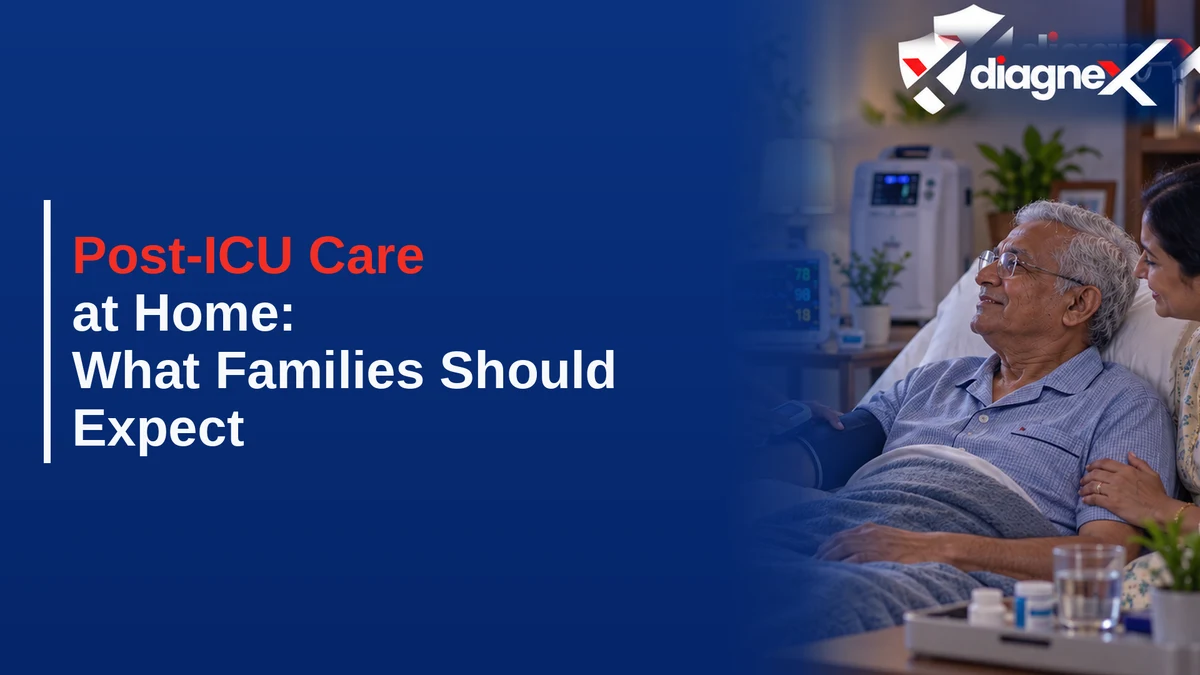
Leaving the ICU is an important step, but it does not always mean that recovery is complete. Many patients return home with weakness, reduced mobility, changes in appetite or sleep, ongoing medicines, oxygen needs, nursing requirements or follow-up plans that continue well beyond discharge. Post ICU care at home is therefore about supporting recovery while continuing the medical, nursing and rehabilitation plan established by the treating team. What families should expect depends on why the patient was admitted to the ICU, how long the illness lasted, the patient's condition at discharge and the level of support still required at home.
What Is Post-ICU Care at Home?
Post-ICU care at home is the period of structured recovery after a patient leaves intensive or high-dependency hospital care and returns home. It may include: Some patients need only a limited period of structured support. Others may remain medically dependent for much longer.
- Skilled nursing
- Monitoring of prescribed clinical parameters
- Medication management
- Oxygen or respiratory support where prescribed
- Nutrition and feeding support
- Wound, catheter or tube care
- Mobility and rehabilitation
- Pressure-area and skin care
- Doctor follow-up
- Emergency escalation planning
Recovery After ICU Can Be Gradual
Families sometimes expect the patient to return home at the same level of strength and independence they had before the illness. In reality, recovery after critical illness can be gradual. A patient may be medically stable enough to leave hospital while still needing considerable help with everyday activities. Changes families may notice can include: The treating team should help families distinguish expected recovery needs from changes that require medical review.
- General weakness
- Reduced stamina
- Difficulty walking or transferring
- Poor appetite
- Changes in sleep
- Dependence on oxygen or medical devices
- Need for assistance with bathing, toileting or feeding
- Need for rehabilitation
1. Expect Weakness and Reduced Stamina
After a serious illness or prolonged hospital stay, patients may tire much more quickly than before. Simple activities such as sitting, standing, walking to the bathroom or eating a meal may require significant effort. The recovery plan may therefore include: Activity should follow the patient's medical and rehabilitation plan rather than being increased aggressively simply to speed up recovery.
- Assisted movement
- Gradual activity progression
- Rest periods
- Physiotherapy or rehabilitation
- Fall-risk precautions
2. Mobility May Need Structured Support
- Wheelchair
- Walker
- Commode
- Transfer aids
- Assistance from trained staff or family
- Positioning support
3. Post-ICU Nursing May Still Be Required
- Checking prescribed vital signs
- Administering medicines
- Managing oxygen or prescribed respiratory support
- Wound care
- Catheter or tube care
- Feeding support
- Repositioning and pressure care
- Documenting observations
- Escalating clinical changes
4. Monitoring May Continue at Home
- Heart rate
- Blood pressure
- Oxygen saturation
- Respiratory rate
- Temperature
- Fluid intake or output where relevant
- Other patient-specific observations
5. Medicines Often Change After an ICU Stay
- Medicine name
- Dose
- Route
- Timing
- Duration where specified
- Storage requirements
- Medicines that were stopped
6. Oxygen May Still Be Required
- The prescribed oxygen delivery method
- The prescribed setting
- The primary oxygen source
- Monitoring instructions
- Backup oxygen where clinically required
- Power backup where an oxygen concentrator is used
- What changes require medical escalation
7. Some Patients May Still Need Respiratory Support
- Equipment
- Power backup
- Monitoring
- Trained professionals
- Airway or secretion care
- Escalation and hospital transfer
8. Appetite and Nutrition May Take Time to Recover
After critical illness, some patients have poor appetite, altered food intake or difficulty meeting nutritional needs. Others may require a prescribed feeding route. The care plan may include: Nutrition changes should follow the treating team's or dietetic plan rather than being improvised solely on the basis of appetite.
- Dietary instructions
- Meal or feeding schedule
- Assisted feeding
- Enteral feeding where prescribed
- Hydration guidance
- Monitoring of tolerance or intake where relevant
9. Swallowing and Feeding Safety May Need Attention
- Allowed food and fluid consistency
- Required feeding position
- Who should assist with feeding
- What symptoms require review
10. Pressure-Area and Skin Care May Be Important
- Regular repositioning
- Skin checks
- Pressure-relieving mattress or cushions where indicated
- Moisture and hygiene management
- Nutrition support
11. Sleep May Be Different After ICU
Patients may return home with disrupted sleep patterns after a period of illness, hospital routines, alarms and nighttime care. Families can support recovery by keeping the room calm, reducing unnecessary nighttime disruption where the care plan allows and maintaining a consistent day-night routine. Persistent or severe sleep problems should be discussed with the treating team rather than managed with unprescribed medicines.
12. Emotional and Cognitive Changes Can Affect Recovery
Some patients may experience confusion, anxiety, low mood, memory problems or difficulty concentrating during recovery after critical illness. Families should report new, persistent or worsening changes to the treating team, particularly when they affect safety, medication use, sleep, mobility or the patient's ability to follow instructions. Sudden confusion or reduced consciousness should be treated according to the patient's escalation plan rather than assumed to be a normal part of recovery.
13. Rehabilitation May Be a Major Part of Post-ICU Care
- Physiotherapy
- Breathing exercises where prescribed
- Assisted walking
- Strength and balance work
- Training for safe transfers
- Gradual return to daily activities
14. Family Support Is Important, but Roles Should Be Clear
- Daily routines
- Comfort
- Nutrition and hydration within the prescribed plan
- Appointment coordination
- Communication with the care team
- Non-clinical mobility support where safe
15. Doctor Follow-Up Should Continue After Discharge
- Clinical recovery
- Medicines
- Oxygen or respiratory requirements
- Nutrition
- Mobility and rehabilitation
- Wounds or medical devices
- Whether nursing intensity can be reduced
- Whether new concerns require investigation
What Should Families Expect During the First Few Days at Home?
- Whether medicines are available and being given correctly
- Whether the patient is tolerating feeding and hydration
- Whether oxygen or respiratory equipment is working as intended
- Whether monitoring instructions are practical
- Whether pain or discomfort is controlled according to the treatment plan
- Whether mobility and positioning needs are being met
- Whether the nurse and family understand the escalation pathway
What Should Families Expect During the First Few Weeks?
- Reduced nursing intensity
- Less frequent monitoring
- Reduced dependence on equipment
- Greater mobility
- More independent feeding or self-care
- Progress in rehabilitation
When Is Post-ICU Care More Like Step-Down Care?
For patients who remain significantly dependent but are moving away from full ICU-level support, the home-care plan may function as step-down care. This means the patient still receives structured nursing, monitoring and medical support while the intensity of care is gradually adjusted as recovery progresses. The label is less important than the actual level of support required.
When Is Post-ICU Care More Like High-Dependency Care?
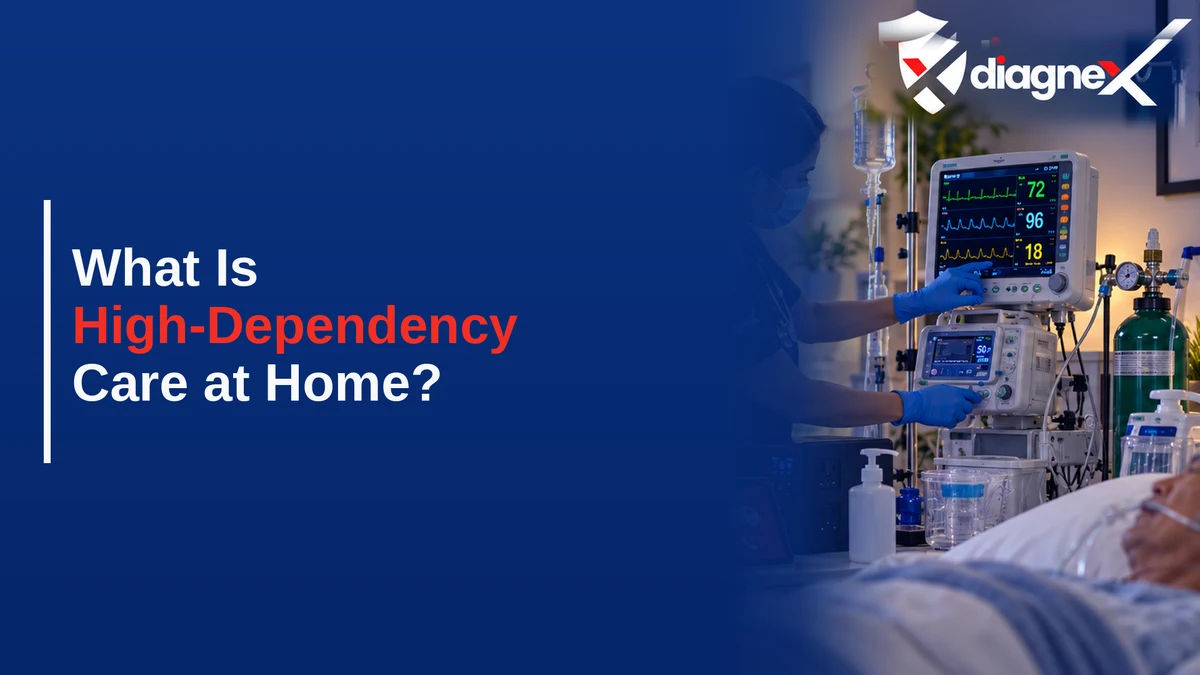
Some patients remain medically dependent after ICU discharge and need closer nursing, more frequent monitoring or multiple medical devices. In such cases, the care plan may resemble high-dependency care at home. The patient may still be stable enough for home care, but the required support is greater than routine recovery assistance.
When May a Patient Still Need Home ICU-Level Care?
Some patients leave hospital with complex ongoing needs that require a more intensive home setup. This may include selected patients who need advanced respiratory support, multiple infusion devices, continuous monitoring or a higher level of bedside clinical dependency. Home ICU-level care should only be considered when the treating team believes the patient's needs can be supported appropriately at home and a clear escalation pathway is available.
Warning Signs Families Should Not Ignore
- New or worsening breathing difficulty
- Increasing oxygen or respiratory-support needs
- Reduced consciousness or sudden confusion
- Significant changes in prescribed vital-sign monitoring
- New severe pain
- Bleeding
- New seizure activity where relevant
- Failure of essential medical equipment
- Inability to maintain prescribed power or oxygen support
- Any other red flag defined by the treating team
What Equipment May Be Needed for Post-ICU Recovery at Home?
- Medical bed
- Pulse oximeter or prescribed monitor
- Oxygen concentrator or cylinders where prescribed
- Respiratory support equipment where clinically indicated
- Suction machine where required
- Nebuliser where prescribed
- Infusion equipment where required
- Feeding equipment
- Pressure-relieving mattress
- Wheelchair, walker, commode or transfer aids
Questions Families Should Ask Before Post-ICU Discharge
- What support will the patient still need at home?
- What should be monitored?
- Is skilled nursing required?
- What medicines have changed?
- Does the patient need oxygen or respiratory support?
- What equipment is required?
- What nutrition or feeding plan should be followed?
- What mobility or rehabilitation support is needed?
- What changes should trigger urgent escalation?
- Who should be contacted with concerns?
- When is follow-up planned?
- What is the hospital-transfer plan if the patient worsens?
Post-ICU Care at Home Checklist
- The discharge plan is clear
- Clinical suitability for the planned home setup has been assessed
- The room and bed are ready
- Prescribed equipment is installed
- Nursing support is confirmed where required
- Medicines and consumables are available
- Monitoring instructions are documented
- Oxygen and power backup are planned where relevant
- Nutrition and feeding needs are addressed
- Mobility and rehabilitation needs are addressed
- Follow-up arrangements are clear
- Patient-specific red flags are documented
- Emergency transport and hospital transfer are planned
Post-ICU Recovery Should Be Reviewed, Not Assumed
Recovery after an ICU stay is rarely a single event. The patient's needs may change from week to week, and the level of home support should change with them. A strong post-ICU care plan connects nursing, medicines, monitoring, nutrition, rehabilitation, equipment and medical follow-up so that support can increase or decrease according to the patient's condition. Families exploring Home ICU / Advanced Care at Home can speak with Diagnex to understand the assessment and care-planning process and discuss appropriate next steps, subject to clinical suitability and service availability.
Frequently Asked Questions
What is post ICU care at home?
What should families expect after ICU discharge?
Is post ICU nursing always required?
No. Some patients require skilled nursing while others need a lower level of support. The decision should be based on the patient's clinical needs, medicines, devices, monitoring and dependency.
How long does post ICU recovery at home take?
There is no fixed recovery period. It varies according to the illness, duration of critical care, age, prior health, mobility and complications. The treating team should review progress and adjust the plan over time.
Does every patient need home ICU care after ICU discharge?
No. Many patients need step-down, high-dependency or routine recovery support rather than full ICU-level care. The appropriate level depends on the patient's current clinical dependency.
Can weakness after ICU discharge be normal?
What should families do if the patient worsens at home?
Can post ICU care become less intensive over time?
Yes. If the patient's condition improves, nursing, monitoring, equipment and other support may be reduced after clinical review. Care should not be reduced solely because a certain number of days have passed.