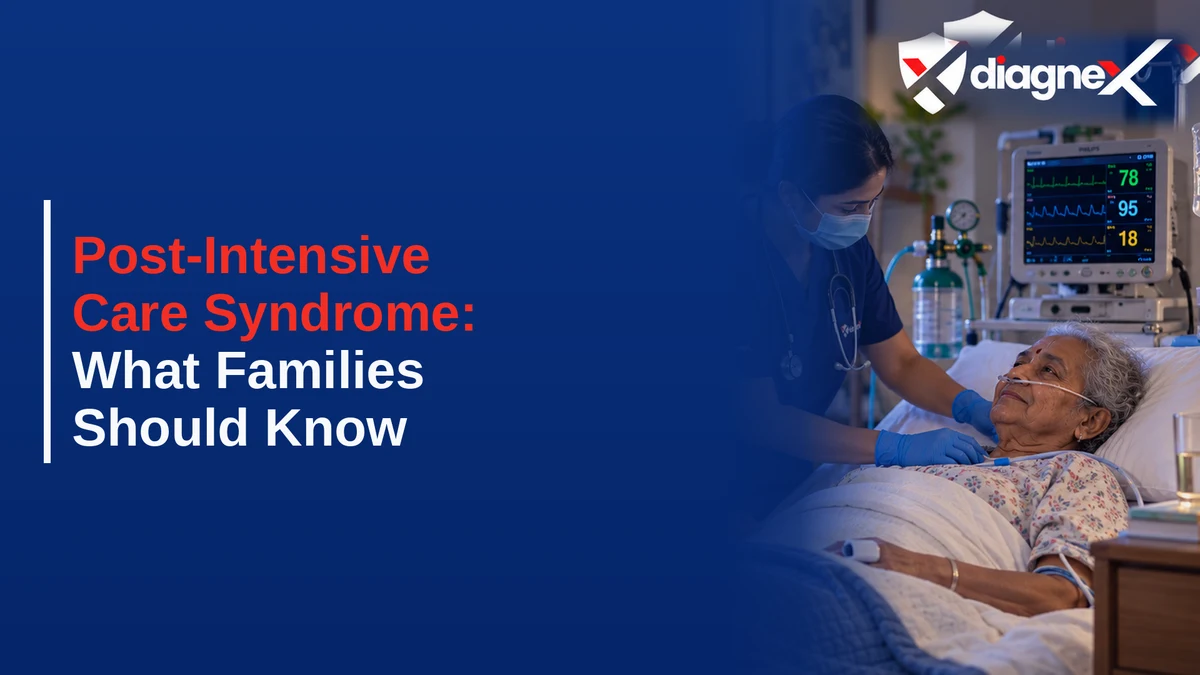
Leaving the ICU does not always mean that the effects of critical illness are over. Some patients continue to experience physical weakness, problems with memory or concentration, anxiety, low mood, sleep disturbance or reduced ability to manage everyday activities after discharge. These ongoing problems may be discussed under the term post-intensive care syndrome, often shortened to PICS. Post-intensive care syndrome home care is not a single treatment package. It is a coordinated recovery approach that may involve medical follow-up, nursing, rehabilitation, nutrition, psychological support and help with daily activities depending on the patient's needs.
What Is Post-Intensive Care Syndrome?
Post-intensive care syndrome is a term used to describe new or worsening problems in one or more areas after critical illness and ICU care. These problems may affect: Not every patient develops the same problems, and not every symptom after ICU discharge is necessarily caused by post-intensive care syndrome. Other medical conditions, medicines, infections, nutritional problems or complications can also affect recovery. For that reason, persistent, worsening or unexpected symptoms should be reviewed by the treating team rather than automatically labelled as PICS.
- Physical strength and function
- Thinking, memory or concentration
- Emotional and psychological wellbeing
Why Can Problems Continue After ICU Discharge?
- Severity of the original illness
- Length of hospital and ICU stay
- Time spent with limited mobility
- Need for ventilation or respiratory support
- Complications during admission
- Nutrition and muscle loss
- Sleep disruption
- Pain and discomfort
- Pre-existing physical or mental health conditions
- The patient's level of function before illness
The Three Main Areas Families May Notice
1. Physical Problems
- Getting in and out of bed
- Standing
- Walking
- Bathing and dressing
- Using the toilet
- Eating
- Climbing stairs
2. Cognitive Problems
- Forgets recent information
- Needs instructions repeated
- Has difficulty following complex conversations
- Becomes mentally tired quickly
- Has difficulty organising medicines or appointments
- Finds previously familiar tasks harder
3. Emotional and Psychological Problems
- Anxiety
- Low mood
- Fear of becoming unwell again
- Irritability
- Sleep disturbance
- Distressing memories of hospital care
- Reduced confidence in returning to normal activities
Post-Intensive Care Syndrome Is Not the Same as Normal Tiredness
Feeling tired after a serious illness can be expected, but PICS refers to a broader pattern of new or worsening problems that may affect function, thinking or emotional wellbeing. Families should avoid using the term as a self-diagnosis for every difficulty after ICU discharge. The treating team should help determine whether symptoms fit expected recovery, require rehabilitation, need further medical investigation or suggest another problem entirely.
ICU-Acquired Weakness and PICS
ICU-acquired weakness can be one physical component of recovery after critical illness, but the terms are not interchangeable. ICU-acquired weakness refers specifically to significant weakness developing during or after critical illness when another cause does not better explain it. Post-intensive care syndrome is broader and can include physical, cognitive and psychological difficulties.
What Does Post ICU Syndrome Care at Home Involve?
- Medical review
- Skilled nursing
- Physiotherapy and rehabilitation
- Nutrition support
- Medication review
- Cognitive support or assessment
- Psychological or mental-health support
- Sleep and routine management
- Assistance with daily activities
- Clear escalation planning
4. Build Recovery Around the Patient's Current Function
- Mobility
- Balance
- Strength
- Ability to transfer
- Ability to eat and drink
- Need for oxygen or devices
- Ability to understand and follow instructions
- Level of independence in daily activities
5. Use Gradual Physical Rehabilitation
- Clinical stability
- Muscle strength
- Balance
- Oxygen or respiratory needs
- Fatigue
- Pain
6. Support Memory and Concentration With Simple Routines
- A written medicine schedule
- A visible daily routine
- One instruction at a time when needed
- Reducing unnecessary noise or competing conversations
- Keeping important items in consistent places
- Using calendars or reminders for appointments
7. Make Sleep Part of the Recovery Plan
- Keeping daytime and nighttime routines distinct
- Reducing unnecessary nighttime disturbance where the care plan allows
- Encouraging appropriate daytime activity rather than prolonged bed rest when safe
- Avoiding unprescribed sleep medicines
8. Review Nutrition During Recovery
- Appropriate meals or feeds
- Protein and energy intake suited to the patient's condition
- Hydration guidance
- Nutritional supplements where recommended
- Enteral feeding where prescribed
9. Keep Medicines Current and Organised
- Medicine name
- Dose
- Route
- Timing
- Duration where specified
- Medicines that were stopped or changed
10. Continue Follow-Up Rather Than Managing Recovery Alone
- Treating doctors
- Nurses
- Physiotherapists
- Nutrition professionals
- Mental-health professionals where appropriate
- Other rehabilitation professionals
How Families Can Help With Physical Recovery
- Helping maintain a safe routine
- Supporting prescribed rehabilitation exercises
- Keeping walking areas clear
- Helping with meals and hydration according to the care plan
- Encouraging rest when needed
- Reporting changes to the care team
How Families Can Help With Cognitive Recovery
- Using clear, simple communication
- Repeating information without rushing the patient
- Keeping medication and appointment information written down
- Allowing mental rest after demanding activities
- Avoiding unnecessary pressure to perform complex tasks quickly
How Families Can Help With Emotional Recovery
- Listening without dismissing concerns
- Keeping expectations realistic
- Recognising small improvements
- Encouraging appropriate social contact without overwhelming the patient
- Helping the patient attend follow-up appointments
- Seeking professional support when symptoms are persistent or severe
Families May Need Support Too
A prolonged ICU admission can also be stressful for family members and caregivers. They may experience: Family wellbeing matters because exhausted or distressed caregivers may find it harder to manage complex home routines. Support from relatives, healthcare professionals or mental-health services may be appropriate when needed.
- Anxiety
- Sleep problems
- Fear of another emergency
- Caregiving fatigue
- Difficulty returning to work or normal routines
- Emotional distress related to the hospital experience
What Symptoms Should Not Be Dismissed as PICS?
- New or worsening breathing difficulty
- Increasing oxygen or respiratory-support needs
- Sudden confusion
- Reduced consciousness
- New severe weakness
- New neurological symptoms
- New severe pain
- Bleeding
- Repeated falls
- Poor feeding or inability to tolerate prescribed nutrition
- Any patient-specific warning sign identified by the treating team
When Should Home Recovery Be Escalated?
- The patient's condition is deteriorating
- Essential oxygen or respiratory support cannot be maintained
- Required monitoring shows a clinically significant change according to the care plan
- The patient cannot safely eat, drink or take essential medicines
- A major medical device fails and backup cannot maintain support
- The treating team advises hospital reassessment
How Long Can Post-Intensive Care Syndrome Last?
There is no single timeline. Some patients improve steadily over a relatively short period, while others continue to have physical, cognitive or emotional problems for much longer. Recovery can depend on: Progress should be reviewed over time rather than judged against a fixed deadline.
- Severity of critical illness
- Length of ICU stay
- Age and prior health
- Mobility before admission
- Complications
- Rehabilitation access
- Nutrition
- Ongoing medical conditions
How to Track Recovery at Home
- Sit or stand with less help
- Walk farther
- Complete more daily activities
- Eat or drink more independently
- Concentrate for longer periods
- Sleep more consistently
- Need less equipment or support after clinical review
Questions Families Can Ask the Treating Team
- Which problems are expected during recovery?
- Which symptoms need medical review?
- Does the patient need physiotherapy or other rehabilitation?
- Should memory or concentration problems be formally assessed?
- When should emotional or sleep problems be referred for professional support?
- What medicines have changed since ICU admission?
- What activity level is safe?
- What nutrition plan should be followed?
- What is the emergency escalation plan?
- When is the next clinical review?
Post-Intensive Care Syndrome Home Care Checklist
- The discharge and follow-up plan is clear
- Physical function has been assessed
- A rehabilitation plan is available where needed
- Medicines are updated and organised
- Nutrition and feeding needs are addressed
- Oxygen or respiratory support is planned where relevant
- Sleep and daily routines are being supported
- Cognitive changes are being monitored
- Emotional symptoms are being taken seriously
- Family and caregiver support is considered
- Patient-specific warning signs are documented
- Emergency contacts and hospital-transfer arrangements are understood
Recovery Should Address the Whole Patient
Post-intensive care syndrome reminds families that recovery after critical illness can involve more than the original diagnosis. A patient may need support with strength, thinking, mood, sleep, nutrition and independence at the same time. The right home-care plan should bring these areas together while keeping medical follow-up and escalation clearly connected. Families exploring Home ICU / Advanced Care at Home can speak with Diagnex to understand the assessment and care-planning process and discuss appropriate next steps, subject to clinical suitability and service availability.
Frequently Asked Questions
What is post-intensive care syndrome?
What are common symptoms of post-intensive care syndrome?
Is every problem after ICU discharge caused by PICS?
No. Other medical conditions, medicines, complications, infections or nutritional problems can also affect recovery. New or worsening symptoms should be clinically assessed rather than automatically attributed to PICS.
Can post-intensive care syndrome be managed at home?
How long does post-intensive care syndrome last?
Can family members be affected after an ICU admission?
Yes. Family members may experience anxiety, sleep problems, caregiving fatigue or emotional distress after a prolonged or severe ICU admission. They may also need support during the recovery period.