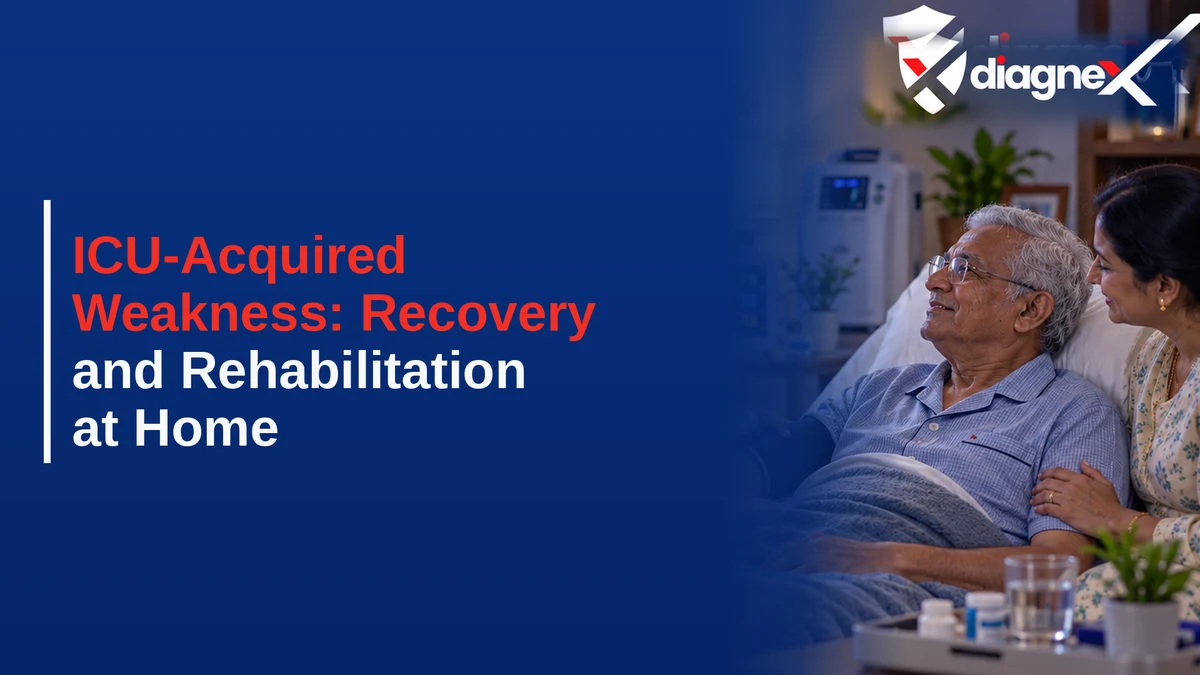
Many patients leave the ICU weaker than they were before becoming critically ill. They may struggle to sit up, stand, walk, climb stairs, use their arms normally or complete basic daily activities without help. In some patients, clinicians may diagnose ICU-acquired weakness. This is a specific clinical condition associated with critical illness and should not be used as a label for every form of weakness after an ICU stay. ICU acquired weakness recovery at home usually requires a structured plan that combines medical follow-up, rehabilitation, safe mobility progression, nutrition, nursing support where needed and clear instructions for when new or worsening weakness requires reassessment.
What Is ICU-Acquired Weakness?
ICU-acquired weakness is a clinical term for new, significant weakness developing during or after critical illness when another cause does not better explain the problem. A patient may have difficulty with: Diagnosis should be made by the treating team. Weakness after ICU discharge can also result from pain, stroke, nerve injury, electrolyte problems, medication effects, malnutrition, anaemia, heart or lung disease, infection and other medical causes.
- Moving in bed
- Sitting independently
- Standing
- Walking
- Lifting the arms
- Transferring from bed to chair
- Managing personal care
Why Can Weakness Develop After Critical Illness?
Critical illness can affect muscle, nerve function, mobility and overall physical reserve. Prolonged bed rest and reduced activity can also contribute to loss of strength. Factors that may influence recovery include: The amount of weakness and the pace of recovery can therefore vary considerably.
- Severity of the critical illness
- Length of ICU and hospital stay
- Time spent with very limited mobility
- Need for ventilation or deep sedation
- Nutrition during illness
- Complications during admission
- Age and health before ICU admission
- Pre-existing mobility limitations
How Is Weakness Assessed Before Home Rehabilitation?
- Ability to move the arms and legs
- Ability to roll or reposition in bed
- Sitting balance
- Ability to stand
- Walking ability
- Need for physical assistance
- Use of a walker, wheelchair or other aid
- Oxygen or respiratory support during activity
- Fatigue and exercise tolerance
1. Begin With Safe Bed Mobility
- Turning in bed
- Moving the arms and legs
- Bridging or assisted repositioning where appropriate
- Moving from lying to sitting
2. Progress to Sitting and Balance
- Sitting at the edge of the bed
- Maintaining balance
- Using the arms while sitting
- Tolerating longer periods out of bed
3. Standing Should Be Introduced Gradually
- Supported standing
- Use of a walker or other prescribed aid
- Short periods of weight bearing
- Practice of safe sit-to-stand transfers
4. Walking Distance Should Increase in Small Steps
- Distance
- Level of assistance
- Walking aid
- Balance
- Fatigue
- Breathing and oxygen needs
5. Home Physiotherapy Should Be Individualised
- Strength
- Balance
- Transfers
- Walking
- Joint movement
- Endurance
- Breathing exercises where prescribed
- Functional tasks
6. Avoid the 'Push Through It' Approach
Severe fatigue after critical illness can limit rehabilitation. More exercise is not always better. The patient may benefit from shorter sessions with planned rest rather than one long session that causes prolonged exhaustion. The rehabilitation team should review the plan if activity causes:
- Marked breathlessness
- Dizziness
- Chest discomfort
- A major drop in function afterward
- Unusual pain
- Inability to recover with expected rest
7. Prevent Falls During Recovery
- Keeping floors and walking paths clear
- Removing loose rugs or avoidable obstacles
- Using prescribed mobility aids
- Providing assistance during transfers where recommended
- Keeping essential items within easy reach
- Using suitable footwear
8. Prepare the Home for Transfers
- Adequate space around the bed
- A stable chair
- A commode where required
- Wheelchair access
- Transfer aids where prescribed
- A clear route to the bathroom
9. Protect Skin While Mobility Is Limited
- Regular repositioning
- Skin checks
- Pressure-relieving mattress or cushions where indicated
- Attention to moisture and hygiene
- Adequate nutrition
10. Nutrition Supports Muscle Recovery
- Adequate meals or prescribed feeds
- Protein appropriate to the patient's medical condition
- Adequate energy intake
- Hydration guidance
- Nutritional supplements where recommended
11. Pain Should Not Be Ignored
- New
- Severe
- Increasing
- Associated with swelling or injury
- Preventing normal rehabilitation activity
12. Oxygen Needs May Affect Rehabilitation
- Whether oxygen is required during activity
- How the patient should be monitored during therapy
- Which symptoms require stopping activity
- When medical review is required
13. Rebuild Daily Activities Alongside Exercises
- Sitting out of bed for meals
- Brushing teeth
- Eating with less help
- Using a commode or bathroom safely
- Dressing
- Walking short household distances
14. Track Progress Over Time
- How much assistance is needed to sit or stand
- How far the patient can walk safely
- How long the patient can remain out of bed
- Whether transfers require fewer people
- Whether the patient can complete more daily activities
- Whether fatigue after activity is improving
15. Expect Recovery to Be Uneven
Recovery after critical illness is not always linear. A patient may have better and worse days because of sleep, pain, medicines, nutrition, infection, medical appointments or the underlying illness. A temporary slower day may not mean recovery has failed, but persistent decline or new symptoms should be assessed.
How Long Does ICU-Acquired Weakness Recovery Take?
- Severity of weakness
- Duration of critical illness
- Age and prior function
- Medical complications
- Nutrition
- Rehabilitation intensity and tolerance
- Ongoing respiratory or organ problems
When Should Weakness Be Reassessed?
- Sudden weakness on one side of the body
- New facial weakness
- New speech difficulty
- Sudden inability to stand or walk compared with recent function
- New severe numbness or loss of sensation
- New severe pain or swelling
- New confusion or reduced consciousness
- Worsening breathlessness
- Any patient-specific red flag identified by the treating team
What Professionals May Be Involved in Recovery?
- Treating doctors
- Physiotherapists
- Nurses
- Nutrition professionals
- Occupational or other rehabilitation professionals where available and clinically appropriate
Questions to Ask About Home Rehabilitation
- Has the patient's weakness been formally assessed?
- What can the patient safely do without assistance?
- Which activities require supervision?
- What walking aid is appropriate?
- How often should physiotherapy occur?
- What level of fatigue is expected?
- Does the patient need oxygen during activity?
- What nutrition plan supports recovery?
- What signs should stop a rehabilitation session?
- What new weakness requires urgent medical review?
ICU-Acquired Weakness Recovery at Home Checklist
- Weakness has been clinically assessed
- The patient's mobility baseline is documented
- A home physiotherapy plan is in place
- Required mobility aids are available
- The home has been made safer for walking and transfers
- Pressure-care needs are addressed
- Nutrition and hydration needs are addressed
- Oxygen instructions are clear where relevant
- Pain management is reviewed
- Falls risk is understood
- Functional progress is being tracked
- Warning signs and emergency contacts are documented
Recovery Should Focus on Function, Safety and Gradual Independence
The purpose of rehabilitation after ICU-acquired weakness is not simply to make the patient exercise more. It is to help rebuild useful strength and independence while protecting the patient from falls, overexertion and avoidable complications. A practical home plan combines medical review, physiotherapy, safe mobility, nutrition, nursing where required and regular reassessment as function improves. Families exploring Home ICU / Advanced Care at Home can speak with Diagnex to understand the assessment and care-planning process and discuss appropriate next steps, subject to clinical suitability and service availability.