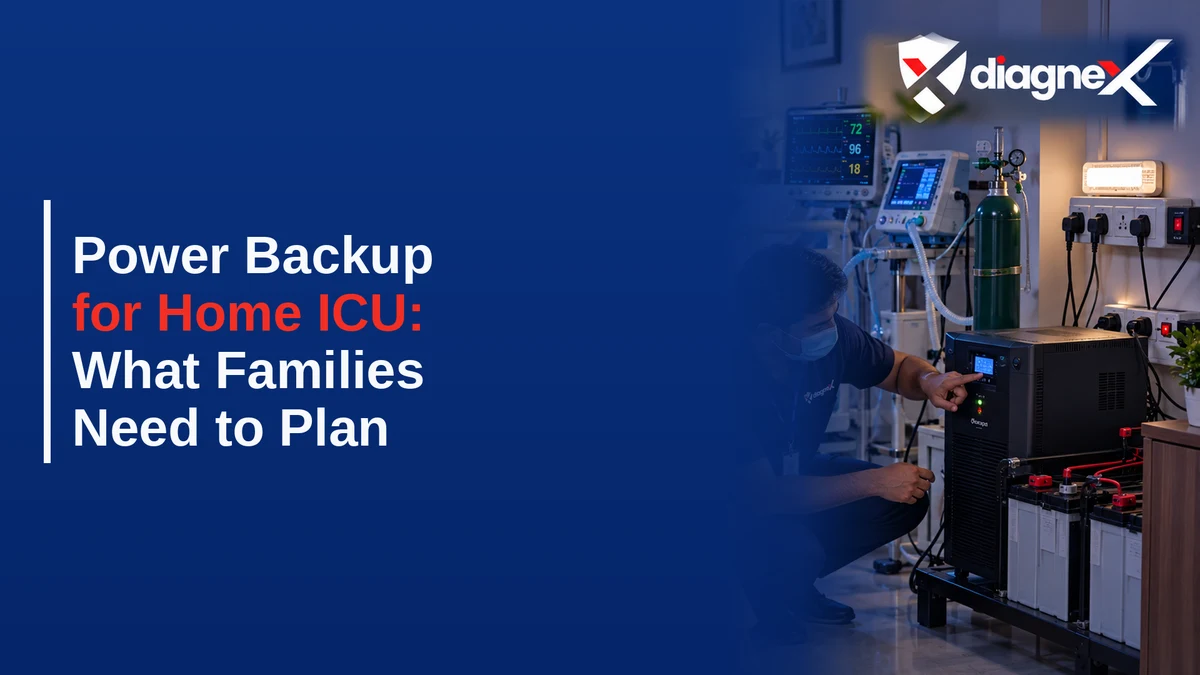
When a patient is receiving ICU-level or advanced care at home, emergencies should not be handled by deciding everything in the moment. The family, nurse and treating team should already know who to contact, what equipment backup is available, which changes require escalation and how the patient will be transferred if home care can no longer safely continue. A home ICU emergency plan is therefore not just a list of phone numbers. It is a practical escalation plan covering clinical deterioration, equipment failure, power or oxygen interruption, ambulance access, hospital transfer and the information that must travel with the patient. The exact plan should be individualised by the treating team because the warning signs and response priorities for one patient may be very different from those of another.
What Should a Home ICU Emergency Plan Cover?
- What changes in the patient's condition require urgent escalation?
- Who should be contacted first?
- Which hospital or clinical team should receive the patient if transfer is required?
- How will an ambulance or transport team reach the patient?
- What happens if electricity fails?
- What happens if oxygen support becomes unavailable?
- What happens if a ventilator, monitor, suction machine or other device fails?
- Which records, medicines and equipment details need to accompany the patient?
- What should family members do while trained clinical help is being arranged?
1. Define the Patient's Escalation Triggers
The most important part of the plan is knowing when the patient's condition has moved beyond the expected home-care situation. The treating team should define patient-specific warning signs and instructions. These may relate to changes in: Families should not rely on one generic threshold or one monitor reading unless the treating team has specifically instructed them to do so.
- Breathing
- Oxygenation
- Level of consciousness
- Blood pressure or heart rate where monitoring is prescribed
- New or worsening pain
- Seizure activity where relevant
- Bleeding
- Urine output or fluid balance where clinically relevant
- Airway secretions or suction requirements
- Any other patient-specific red flag identified by the doctor
2. Write Down the Escalation Sequence
- The nurse currently with the patient
- The treating doctor or designated clinical contact
- The home-care coordination team
- The equipment provider for device-related problems
- The oxygen supplier where relevant
- Local emergency medical services or the planned ambulance provider
- The receiving hospital or hospital team where a transfer pathway has been agreed
3. Keep Emergency Contact Details in More Than One Place
- Treating doctor contact details
- Home-care clinical contact
- Equipment-support contacts
- Oxygen-support contacts where relevant
- Ambulance or emergency transport contacts
- Receiving hospital contact details where applicable
- Key family contacts
4. Decide in Advance Which Hospital the Patient Would Be Taken To
- Which hospital is clinically appropriate for escalation
- Whether the patient's treating team is linked to a particular facility
- The expected route from the home to the facility
- Any known admission or handover process
- Alternative options if the preferred facility cannot receive the patient
5. Plan Ambulance Backup and Patient Transfer
Ambulance backup is a key part of a home ICU escalation plan, especially for patients who cannot travel safely in a private vehicle. Before discharge, families should understand: No provider should be assumed to be immediately available unless that availability has been specifically confirmed. The plan should therefore include more than one practical transport option where appropriate.
- What type of transport may be needed for the patient's condition
- Who will call the ambulance or emergency transport service
- Whether oxygen or other support may be required during transport
- How the patient will be moved from the bed to the vehicle
- Which records and medicines should travel with the patient
- Who will accompany the patient
6. Check the Route From the Bed to the Building Exit
- Bedroom doorway width
- Corridor turns
- Staircases
- Lift dimensions and backup power
- Building entrance access
- The ambulance approach point
7. Prepare a Patient Summary for Emergency Handover
- Primary diagnosis and relevant medical history
- Current treating doctor
- Current medicines and recent doses
- Known allergies
- Current oxygen or respiratory support
- Important devices, tubes or catheters
- Recent clinical observations where relevant
- Relevant recent reports or discharge documents
- Any treating-team instructions that may affect urgent care
8. Keep an Updated Medication List
- Medicine name
- Dose
- Route
- Schedule
- Time of the most recent dose where relevant
- Any medicine that has recently been stopped or changed
9. Prepare for Power Failure
- Which devices must remain powered
- Which devices have internal batteries
- How the UPS or inverter backup behaves
- How long essential backup is expected to support the actual load
- What longer-duration backup exists where required
- When transfer should begin if reliable power cannot be maintained
10. Prepare for Oxygen Interruption
- The primary oxygen source
- The backup oxygen source where prescribed
- Who can switch to the backup source
- The prescribed oxygen setting
- How backup availability is checked
- When hospital transfer should be initiated if oxygen continuity is uncertain
11. Prepare for Ventilator or Respiratory Device Problems
- Which alarms require immediate attention
- What basic checks trained caregivers may perform
- What backup power or battery is available
- What backup respiratory support is part of the prescribed plan, if any
- Who to call for device support
- When the situation requires urgent hospital transfer
12. Prepare for Suction or Airway-Care Problems
- What to do if the suction machine loses power
- Whether a backup suction option is required
- What changes in secretions require clinical escalation
- Who is trained to perform airway suctioning
- When airway concerns require urgent transfer
13. Know What to Do When a Monitor Alarms
- Which alarms are expected or non-urgent
- Which alarms require immediate patient assessment
- What to do if a sensor becomes disconnected
- When a reading should be repeated or verified
- When a clinical change requires escalation regardless of the monitor
14. Prepare an Emergency Transfer Bag
- Copies of key medical records
- Current medication list
- Recent prescriptions or discharge instructions
- Identification and required administrative documents
- Essential patient-specific supplies for transfer
- Required oxygen or device accessories where clinically appropriate
- Contact list
15. Keep Essential Medicines and Consumables Organised
Emergency planning does not mean stockpiling medicines. It means ensuring that prescribed medicines and clinically necessary consumables are organised and available according to the care plan. Families should know: No emergency medicine should be added to the home plan without the treating team's prescription or instruction.
- Where urgent-use prescribed medicines are stored
- Who is authorised or trained to administer them
- Which supplies must remain available
- How replacements are arranged
16. Make Sure Phones and Communication Methods Are Reliable
- Keeping a charged phone available
- Keeping a charger or power bank accessible
- Saving key numbers on more than one family member's phone
- Keeping a printed contact list
- Ensuring the nurse or caregiver knows how to reach the treating team
17. Assign Family Roles Before an Emergency
- Contact the treating team
- Call the ambulance or transport service
- Open the building entrance and guide the transport team
- Collect the patient records and transfer bag
- Accompany the patient
- Update other family members
18. Clarify What Family Members Should Not Do
- Change ventilator settings
- Change oxygen therapy beyond the prescribed contingency instructions
- Adjust infusion-pump programming
- Administer unprescribed medicines
- Perform invasive procedures
- Delay escalation while repeatedly troubleshooting complex medical equipment
19. Review Fire and Environmental Emergencies
- Smoke or fire
- Water leakage near electrical equipment
- Flooding
- A major electrical fault
- A building evacuation
20. Review the Plan After Every Major Change
- Diagnosis or clinical condition
- Oxygen requirements
- Ventilator or respiratory support
- Medicines
- Monitoring requirements
- Home ICU equipment
- Nursing arrangement
- Hospital or treating-team plan
- Ambulance or transport arrangements
Home ICU Escalation Plan: A Simple Structure
Routine concern
Urgent clinical concern
Emergency requiring immediate response
Transfer required
Ambulance Backup: What Families Should Confirm
- What type of ambulance or transport support may be required?
- Is oxygen or respiratory support needed during transport?
- Can a stretcher reach the patient's room?
- Does the building lift accommodate the patient and stretcher?
- What happens if the preferred transport provider is unavailable?
- Who decides which hospital receives the patient?
- Which records should accompany the patient?
Home ICU Emergency Safety Checklist
- Patient-specific red flags are documented
- The escalation sequence is clear
- Treating-team contact details are accessible
- Emergency transport contacts are available
- The preferred hospital and alternatives have been discussed
- The transfer route from bed to building exit has been checked
- Power backup has been planned for essential equipment
- Oxygen backup has been planned where prescribed
- Device-failure instructions are available
- The patient's summary is current
- The medication list is current
- An emergency transfer bag is prepared
- Family roles are assigned
- Communication devices can remain charged
- The plan states when hospital transfer should begin
A Good Emergency Plan Reduces Decision-Making Under Pressure
The purpose of a home ICU emergency plan is not to make families responsible for managing critical illness on their own. It is to make the next step clear when the patient's condition, equipment or home environment becomes unstable. A strong plan connects clinical red flags, trained support, equipment backup, transport readiness and hospital escalation into one coordinated pathway. Families exploring Home ICU / Advanced Care at Home can speak with Diagnex to understand the assessment and care-planning process and discuss appropriate next steps, subject to clinical suitability and service availability.
Frequently Asked Questions
What should be included in a home ICU emergency plan?
Who should decide when a home ICU patient goes to hospital?
Should families have an ambulance number ready?
Yes. Emergency transport contacts should be prepared in advance, particularly for patients who cannot travel safely in a private vehicle. Families should also consider an alternative option if the preferred provider is unavailable.