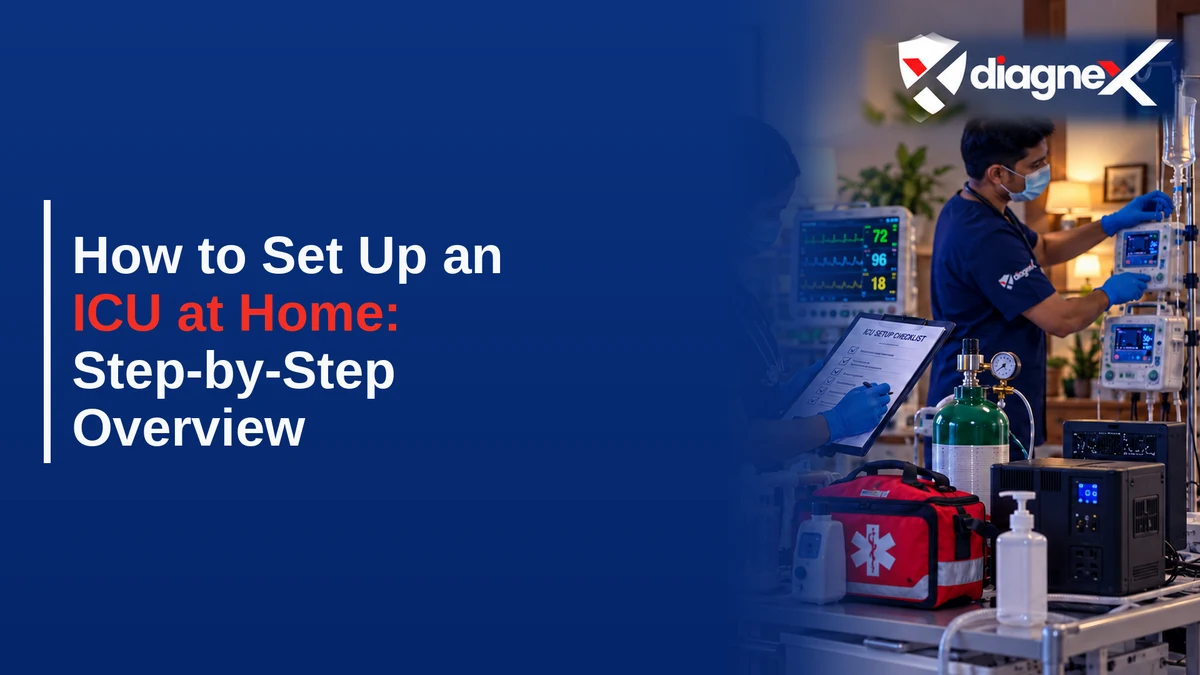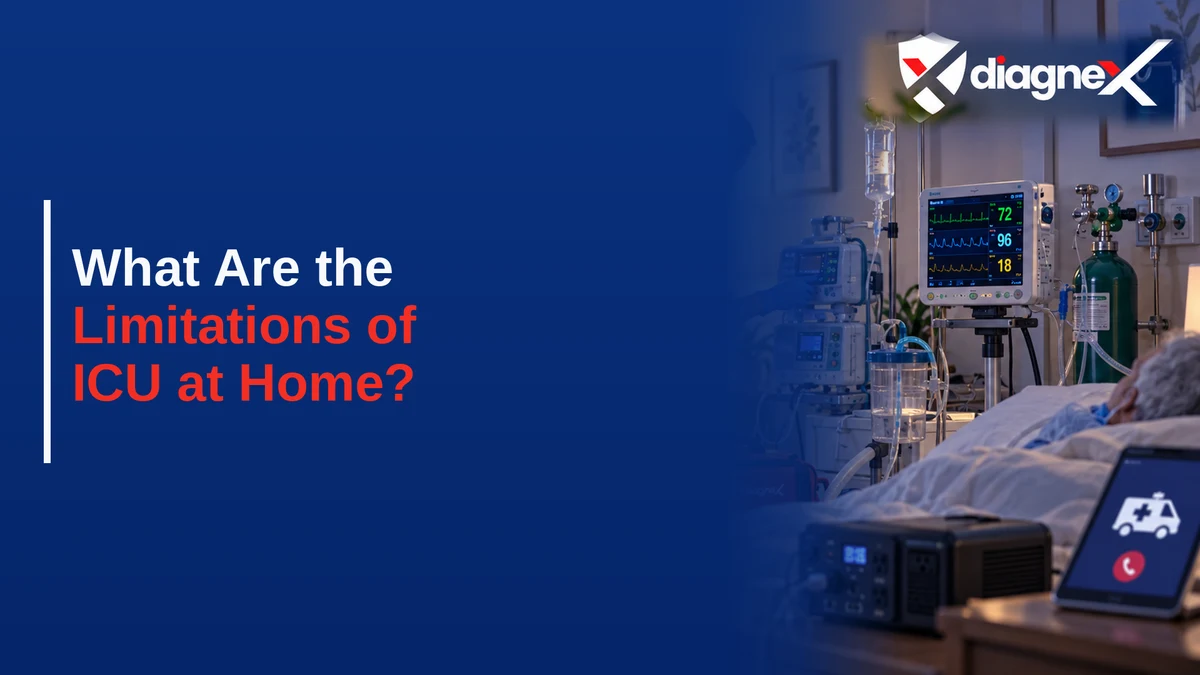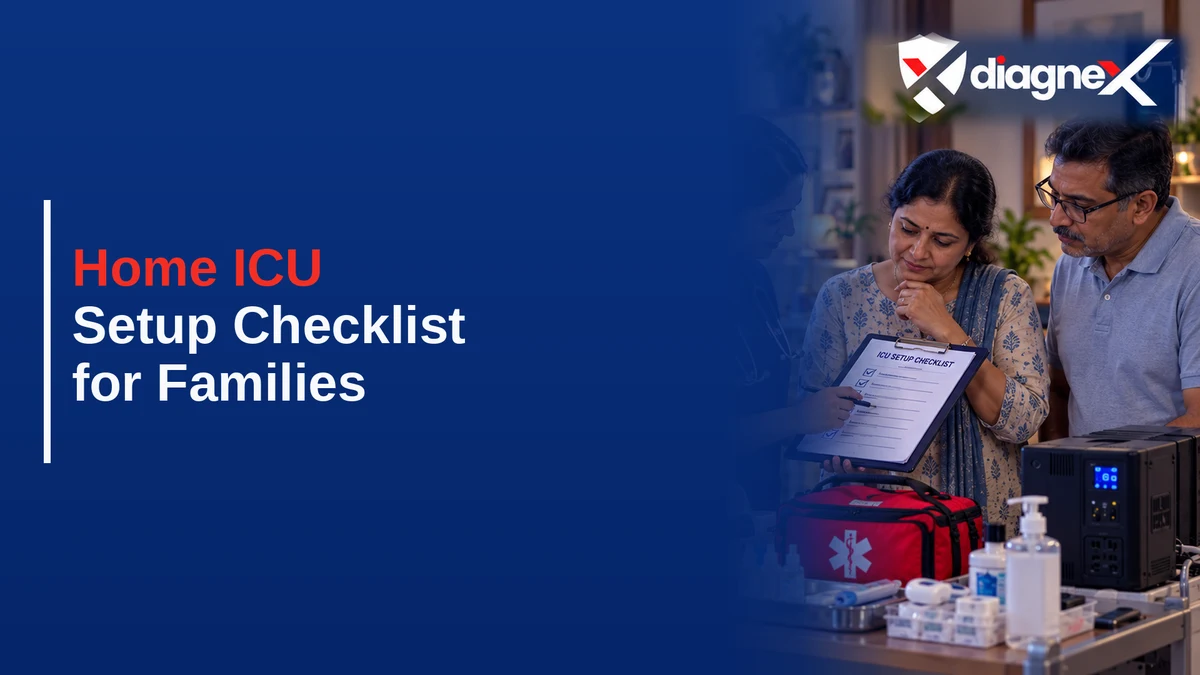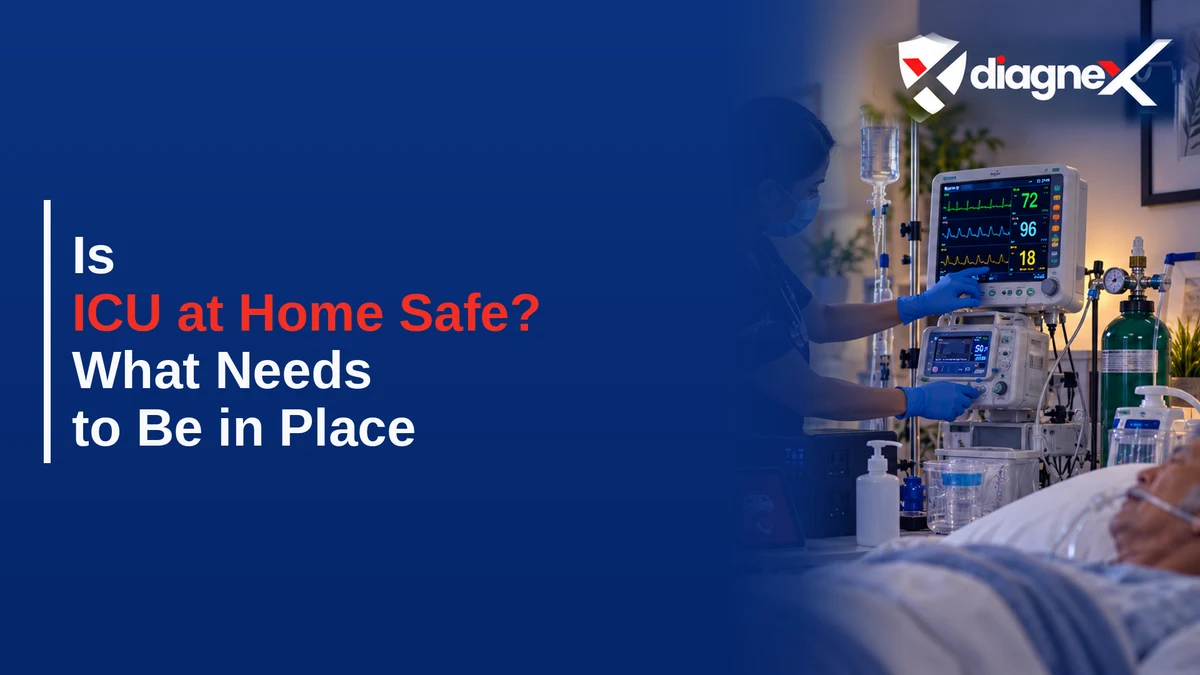
ICU-level or high-dependency care at home can be appropriate for selected patients when the clinical team has confirmed that the patient's needs can be managed safely outside the hospital and the required medical, nursing, equipment and emergency systems are in place. However, an ICU at home is not simply a hospital bed, oxygen cylinder and monitor placed in a bedroom. Safety depends on patient selection, qualified clinical oversight, trained staff, appropriate equipment, medication governance, infection prevention, power and oxygen backup, documentation, reassessment and a clear pathway back to hospital if the patient's condition worsens. The most useful question is therefore not only “Is ICU at home safe?” but “Can this patient's current care needs be delivered reliably at home, and can the team respond quickly if those needs change?”
Is ICU at Home Safe?
For appropriately selected patients, advanced care at home may be delivered safely within a structured clinical programme. The patient should be assessed before transfer, and the home setup should match the level of care that has actually been prescribed. A safe home ICU plan usually depends on: If these elements cannot be maintained reliably, hospital or facility-based care may be safer.
- Clear clinical eligibility
- Doctor-led treatment planning
- Qualified nursing or critical-care support
- Appropriate monitoring
- Patient-specific medical equipment
- Reliable oxygen supply where prescribed
- Power backup for essential devices
- Medication and infusion governance
- Infection-prevention practices
- Emergency transfer and hospital backup
Safety Starts With Patient Selection
- Current medical stability
- Need for continuous monitoring
- Respiratory support requirements
- Oxygen needs
- Frequency of medical interventions
- Medication and infusion requirements
- Nutrition and feeding needs
- Mobility and pressure-injury risk
- Level of nursing support required
- Likelihood of sudden deterioration
1. Clinical Stability Matters
- Rapidly changing vital signs
- Repeated life-threatening deterioration
- A need for immediate bedside diagnostics or procedures
- Uncontrolled bleeding
- Severe or escalating respiratory failure
- Shock or unstable circulation
- Other active conditions requiring hospital-level intervention
2. The Care Plan Must Be Doctor-Led
- Monitoring frequency
- Oxygen or respiratory-support prescription
- Medication schedule
- Nutrition and fluid plan
- Mobility and rehabilitation plan
- Skin and pressure-area care
- Follow-up schedule
- Escalation thresholds
3. Qualified Nursing Support Is Central to Safety
- Monitoring vital signs
- Observing respiratory status
- Administering prescribed medicines within competence
- Managing prescribed feeds and lines
- Supporting hygiene and pressure-area care
- Recognising deterioration
- Documenting care
- Escalating concerns to the medical team
4. Doctor Availability and Clinical Oversight
- Which doctor oversees the home-care plan
- How routine clinical reviews occur
- How nurses escalate concerns
- How treatment changes are authorised
- What happens if urgent medical review is required
5. Monitoring Must Match the Patient's Condition
- Blood pressure
- Pulse
- Oxygen saturation
- Temperature
- Respiratory rate
- Level of consciousness
- Fluid balance
- Blood glucose where prescribed
- Other patient-specific observations
What Equipment May Be Needed for an ICU at Home?
The equipment list should be based on the patient's prescription and level of dependency. Possible equipment may include: Not every patient needs every device. Unnecessary equipment can add complexity without improving care.
- Hospital or medical bed
- Patient monitor
- Oxygen source where prescribed
- Suction equipment
- Nebulisation equipment where prescribed
- Infusion or syringe pumps where clinically required
- Ventilator or other respiratory-support equipment where prescribed
- Feeding equipment where required
- Pressure-relieving mattress
- Emergency equipment specified by the clinical team
6. Medical Bed and Positioning
- Safe patient transfers
- Caregiver access around the bed
- Positioning needs
- Fall risk
- Emergency access to the patient
7. Patient Monitoring Equipment
- Which readings are routinely recorded
- Which changes should be reported
- Who interprets concerning trends
- What happens if the monitor fails
8. Oxygen Supply Must Be Planned, Not Improvised
- Primary oxygen source
- Required flow or delivery method as prescribed
- Backup oxygen source
- How oxygen availability is checked
- What happens if supply is interrupted
9. Oxygen Backup Is Part of the Emergency Plan
- Cylinder backup where appropriate
- Concentrator failure
- Power interruption
- Delivery delays
- Emergency transfer if oxygen cannot be maintained
10. Ventilator Care Requires a Higher Safety Threshold
- Appropriate ventilator equipment
- Trained personnel
- Airway-management plan
- Suction equipment
- Power backup
- Backup respiratory equipment where prescribed
- Clear escalation and transfer planning
11. Suction Equipment and Airway Support
- Who is trained to provide the procedure
- What equipment is required
- How supplies are stored
- What signs require escalation
12. Infusion and Syringe Pumps
- A clear medical order
- Correct pump and consumables
- Qualified administration
- Monitoring for complications
- A process for pump alarms or failure
13. Power Backup Is Essential for Critical Equipment
Home ICU equipment may depend on continuous or reliable electricity. The home plan should define what happens if mains power fails. Equipment that may require backup planning includes: Backup systems should be selected for the actual medical devices in use rather than relying on an unverified household inverter arrangement.
- Ventilator
- Oxygen concentrator
- Patient monitor
- Suction equipment
- Infusion or syringe pumps
- Feeding equipment where relevant
14. Backup Power Needs a Failure Plan
- Which devices are highest priority
- What backup system powers each device
- Who checks backup readiness
- What happens during a prolonged outage
- When hospital transfer becomes necessary
15. Medication Safety Is a Major Part of Home ICU Care
- An up-to-date medication list
- Clear prescribing authority
- Correct storage
- Scheduled administration
- Documentation
- Review after hospital discharge or medication changes
16. High-Risk Medicines Need Clear Governance
- Who may administer them
- What monitoring is required
- How changes are authorised
- What adverse effects require urgent review
17. Infection Prevention Must Remain Consistent
- Hand hygiene
- Cleaning of the care area
- Correct handling of lines, catheters or tracheostomy care where applicable
- Safe storage of sterile or clean supplies
- Equipment cleaning and disinfection
- Safe waste handling
18. Lines, Tubes and Catheters Need Skilled Care
- Who is responsible for routine care
- What signs of infection or malfunction should be reported
- When a device requires professional review
- Where the patient will be taken if a device fails or becomes unsafe
19. Nutrition and Feeding Safety
- Prescribed feeding method
- Positioning
- Feeding schedule
- Tube-care responsibilities
- Recognition of intolerance or complications
20. Pressure-Injury Prevention
- Regular repositioning according to the care plan
- Skin inspection
- Pressure-relieving mattress or surfaces where required
- Nutrition and hydration review
- Wound-care support where required
21. Mobility and Fall Prevention
- Safe transfer techniques
- Appropriate mobility aids
- Assistance for toileting or bathing
- Clear pathways around the bed
- Rehabilitation input where prescribed
22. The Home ICU Room Must Be Practical
- Room size and access
- Ventilation and environmental comfort
- Electrical points
- Space around the bed
- Equipment placement
- Storage
- Cleaning
- Emergency movement of the patient
23. Supplies Must Be Available Before They Are Needed
- Medication and administration supplies
- Suction consumables
- Dressings
- Feeding supplies
- Catheter or line-care supplies
- Personal protective equipment where required
- Oxygen accessories
24. Equipment Maintenance Is Part of Clinical Safety
- Who services each device
- Preventive-maintenance schedule
- How faults are reported
- Whether replacement equipment is available
- When a device failure requires hospital transfer
25. Alarms Should Not Be Silenced Without Understanding the Cause
- Which alarms have a defined response
- Which alarms require technical support
- Which alarms may reflect patient deterioration
- When equipment should not continue to be used
The Home ICU Emergency Plan
- Primary treating doctor or clinical contact
- Nursing escalation pathway
- Technical-support contacts
- Nearest appropriate hospital
- Ambulance or medical-transport plan
- What information and documents travel with the patient
- What equipment or oxygen is needed during transfer
- Who informs the receiving hospital where feasible
26. Families Should Know the Escalation Triggers
- New or worsening severe breathlessness
- Marked drop in oxygen saturation from the patient's expected range
- New chest pain
- Loss of consciousness or major reduction in alertness
- Seizure or major new neurological change
- Uncontrolled bleeding
- Signs of shock or severe circulatory instability
- Major equipment failure affecting essential support
27. Ambulance and Hospital Transfer Must Be Realistic
- How an ambulance will be called
- How quickly the patient can physically leave the home
- Whether a lift can accommodate a stretcher
- Whether stairs or building access create delays
- What respiratory or oxygen support is needed during transfer
28. Backup Hospital Access Is Still Necessary
- Acute deterioration
- Imaging or investigations not available at home
- Emergency procedures
- Surgery
- Uncontrolled symptoms
- Equipment failure that cannot be safely managed at home
29. Documentation Supports Safer Handover
- Vital-sign trends
- Medication administration
- Oxygen or respiratory-support information
- Nutrition and fluid records
- Urine output or other observations where prescribed
- Symptoms or complications
- Communication with doctors
30. Reassessment Is Important Because Patients Change
- Monitoring can be reduced
- Nursing intensity can change
- Equipment is still required
- Rehabilitation can be expanded
- Hospital reassessment is needed
What Makes an ICU at Home Unsafe?
- Patient instability beyond the capability of the home programme
- Insufficient trained staffing
- Unclear doctor oversight
- Missing essential equipment
- No reliable oxygen backup where oxygen is required
- No adequate power backup for essential devices
- Poor infection-prevention practices
- Unreliable medication management
- No practical emergency transfer plan
- Repeated delays in escalation when the patient's condition changes
Who May Not Be Suitable for ICU Care at Home?
- Ongoing severe clinical instability
- Repeated life-threatening events
- Need for immediate invasive procedures
- Uncontrolled bleeding
- Unstable airway or respiratory support needs
- Need for complex hospital-only investigations or interventions
Is ICU at Home the Same as a Hospital ICU?
No. A hospital ICU has immediate access to hospital infrastructure such as multiple specialist teams, emergency procedures, imaging, laboratory services, operating theatres and rapid escalation resources. A home ICU can reproduce selected elements of monitoring and advanced care for suitable patients, but it cannot reproduce every hospital capability. The goal is to deliver the level of care the patient needs at home only when that level can be provided safely.
Is ICU at Home Safer Than Hospital ICU?
There is no universal answer. For a clinically suitable patient who no longer needs hospital-only interventions, home care may reduce travel and provide a familiar environment. For an unstable patient who may need rapid intervention, the hospital may be the safer setting. The appropriate setting depends on the patient's current medical needs, not on a general preference for home or hospital care.
Home ICU Safety for Elderly Patients
- Frailty
- Mobility
- Cognition and delirium risk
- Fall risk
- Nutrition
- Pressure-injury prevention
- Medication burden
- Caregiver and nursing support
Home ICU Safety for Bedridden Patients
- Positioning
- Pressure-area care
- Respiratory care
- Feeding support
- Catheter or line care
- Mobility assistance
- Emergency transfer logistics
What Families Should Check Before Bringing an ICU Patient Home
- The treating doctor has approved the home-care plan
- The patient's current level of care has been clearly defined
- Nursing or critical-care staffing is arranged
- Required equipment is installed and tested
- Oxygen and oxygen backup are arranged where prescribed
- Power backup is appropriate for essential equipment
- Medicines and supplies are available
- Infection-prevention processes are understood
- Clinical and technical support contacts are available
- Ambulance and hospital-transfer plans are defined
Questions to Ask a Home ICU Provider
- Why is this patient considered suitable for ICU-level care at home?
- Which doctor is clinically responsible for the care plan?
- What nursing qualifications and competencies are required?
- What monitoring will be used?
- Which equipment is essential and which is optional?
- How are medicines and infusions governed?
- What is the oxygen backup plan?
- What is the power-backup plan?
- Who maintains the equipment?
- What happens if a critical device fails?
- What warning signs require hospital transfer?
- Which hospital will receive the patient if escalation is needed?
- How is the patient transported safely?
- How often is the care plan reassessed?
Home ICU Safety Checklist
- Clinical suitability has been assessed
- A doctor-led care plan is documented
- Qualified nursing support is arranged
- Required monitoring is available
- Patient-specific equipment is installed and tested
- Oxygen supply and backup are arranged where required
- Power backup is appropriate for essential devices
- Medication management is organised
- Infection-prevention supplies are available
- Clinical consumables are stocked
- Equipment maintenance and replacement support are defined
- Emergency contacts are visible and current
- Ambulance and hospital-transfer arrangements are practical
- The family understands escalation signs
- Ongoing reassessment is planned
Safety Depends on the Whole Care System
An ICU at home can be appropriate for selected patients when the required care can be delivered reliably outside the hospital. Safety depends on much more than equipment: it requires appropriate patient selection, doctor oversight, qualified nursing, monitoring, medication governance, oxygen and power backup, infection prevention, technical support and rapid escalation when the patient's condition changes. Hospital care should remain readily accessible whenever the patient needs diagnostics, procedures or emergency intervention that cannot be delivered safely at home. Families considering Home ICU or Advanced Care at Home can speak with Diagnex to understand the assessment, home-readiness and care-planning process and discuss appropriate next steps, subject to treating-doctor approval, clinical suitability and service availability by locality.
Frequently Asked Questions
Is ICU at home safe?
What equipment is needed for an ICU at home?
Does a home ICU need a doctor?
Does a home ICU need trained nurses?
What is the most important home ICU emergency plan?
What if the power goes out in a home ICU?
What if oxygen runs out at home?
When is hospital ICU safer than home ICU?
SEO Details
SEO Title: Is ICU at Home Safe? What Needs to Be in Place Meta Description: Is ICU at home safe? Learn what must be in place for home ICU care, including patient selection, trained nursing, monitoring, oxygen and power backup, equipment, infection prevention and emergency transfer planning.