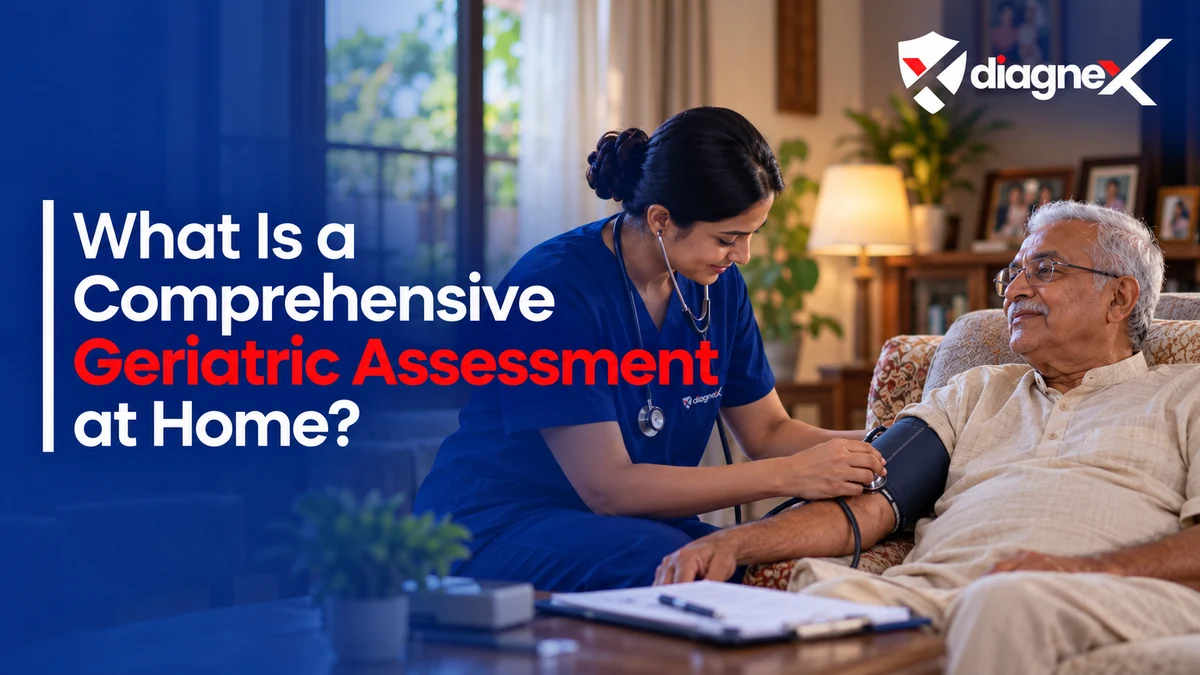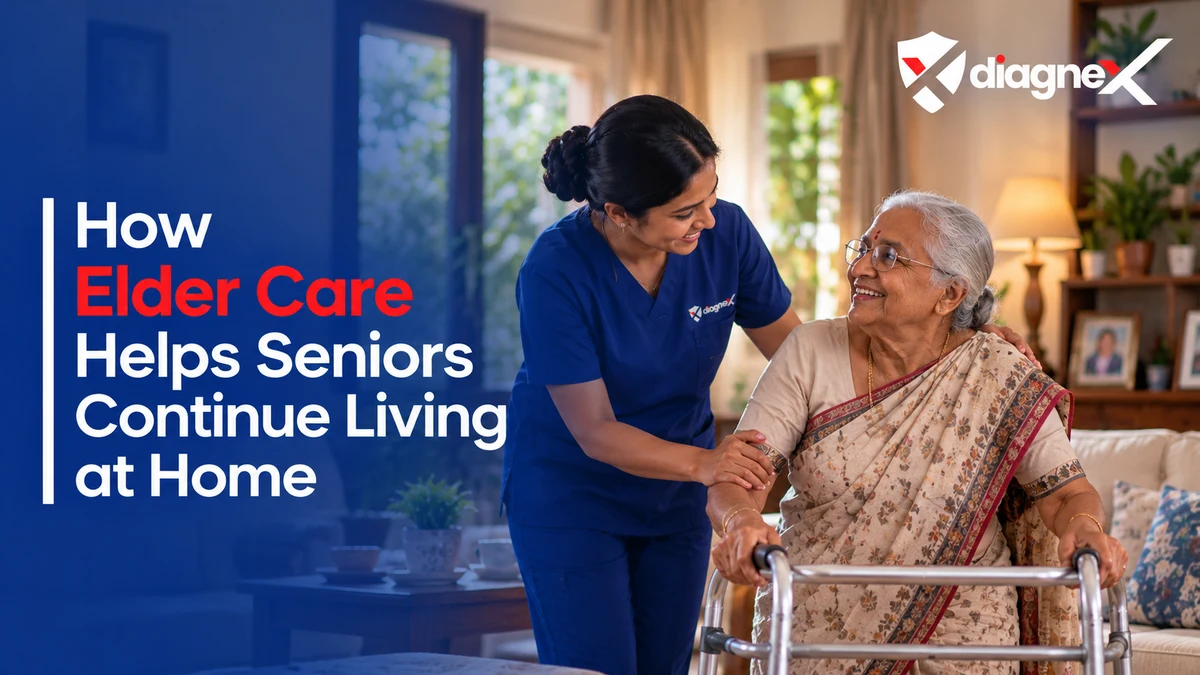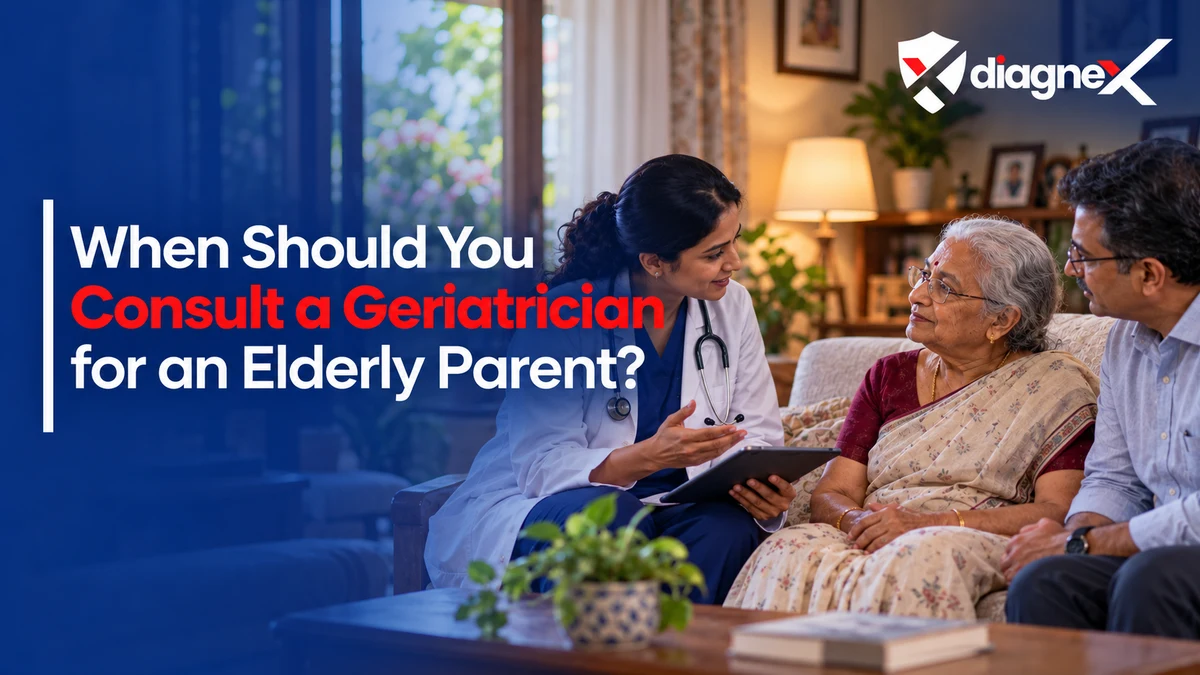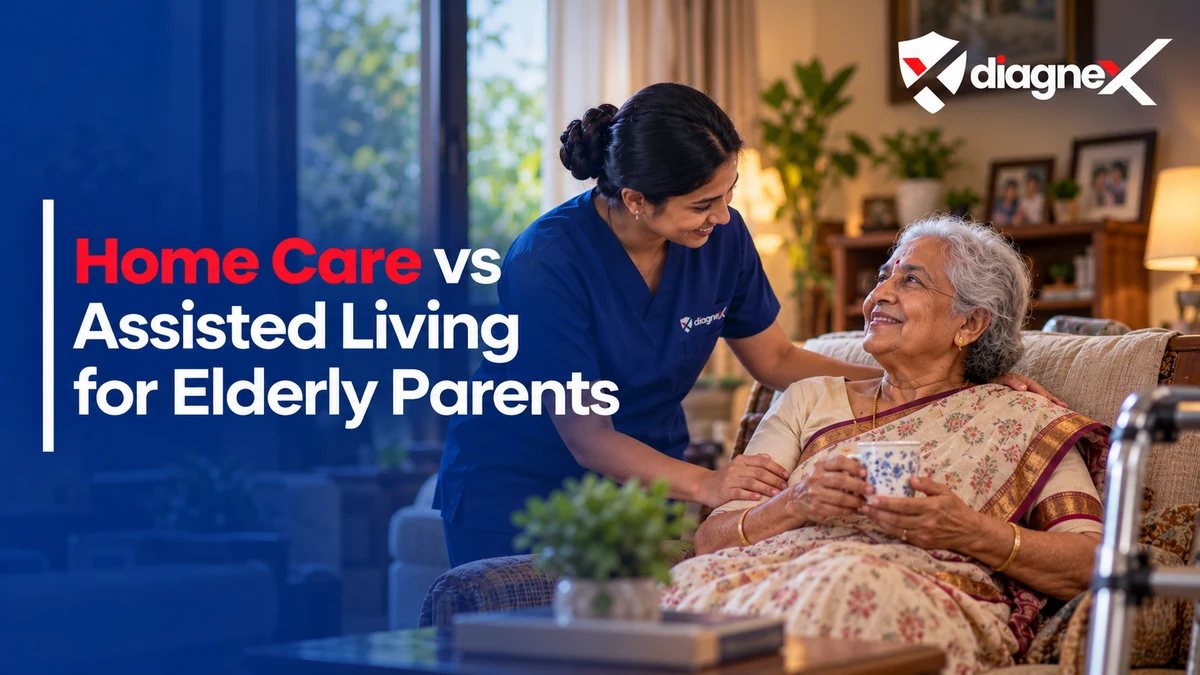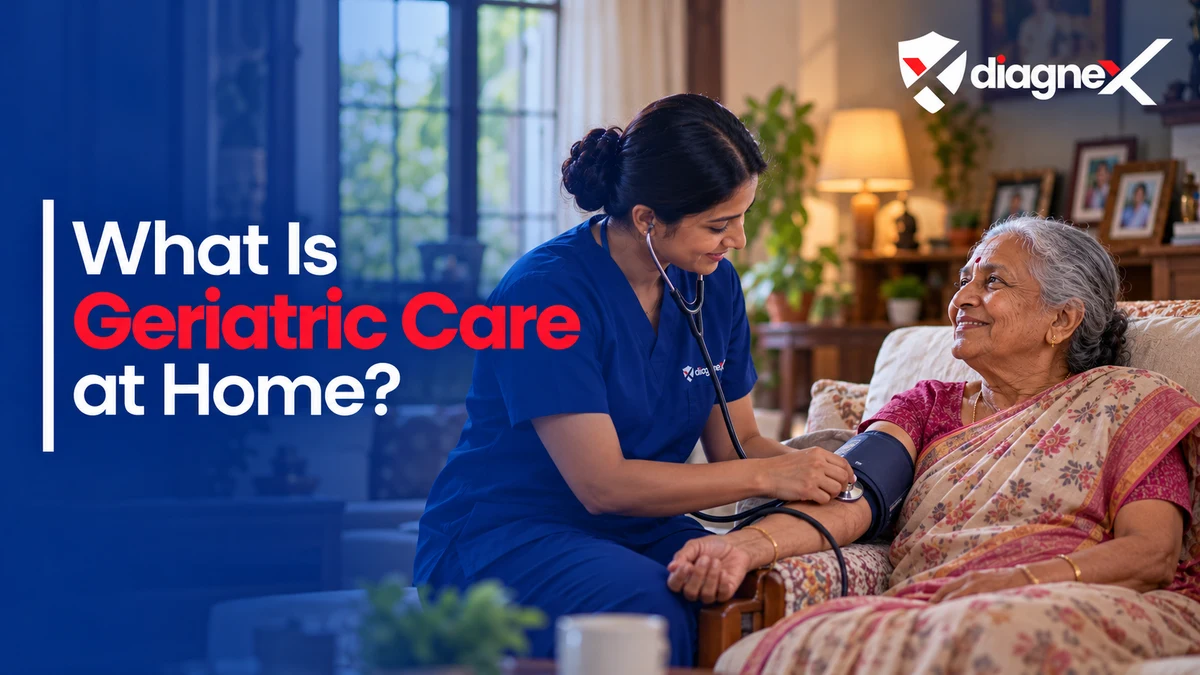
Geriatric care at home is a coordinated approach to supporting the health, function, safety and everyday needs of an older adult in their own home. It is broader than simply hiring a caregiver because it may bring together medical review, nursing, rehabilitation, nutrition, medication support, fall prevention, cognitive assessment and day-to-day caregiving depending on the person's needs. The aim is to help the older person remain as healthy, independent and comfortable as possible while identifying risks early and making sure different parts of care work together.
What Does Geriatric Care Mean?
Geriatric care focuses on the specific health and functional needs that become more common with ageing. Older adults often have several issues at the same time, such as reduced mobility, multiple medicines, chronic conditions, memory changes, falls, poor appetite or difficulty managing daily activities. Geriatric care looks at these problems together rather than treating each one in isolation.
Geriatric home care brings this older-adult-focused approach into the person's home. Depending on assessment, it may include: Not every older person needs all of these services. The care plan should match the person's actual needs.
- Medical review
- Nursing care
- Medication review and support
- Physiotherapy or rehabilitation
- Nutrition support
- Fall-risk assessment
- Cognitive and memory assessment
- Caregiver support
- Home-safety planning
- Coordination between family and healthcare professionals
How Is Geriatric Care Different From General Elder Care?
General elder care often focuses on practical daily support such as bathing, meals, mobility, toileting and companionship. Geriatric care is broader and more clinically coordinated. It considers how medical conditions, medicines, mobility, nutrition, cognition, mood and social support interact. A caregiver may be one part of geriatric care, but geriatric care itself is not the same as caregiver service.
Who May Benefit From Geriatric Home Care?
- Have several chronic conditions
- Take multiple medicines
- Have repeated falls or mobility decline
- Have memory or behavioural changes
- Have recently been hospitalised
- Are losing weight or eating poorly
- Need help with several daily activities
- Live alone with increasing health concerns
- Have family caregivers who need more structured guidance
1. Comprehensive Assessment
- Medical conditions
- Medicines
- Mobility
- Balance
- Memory and cognition
- Mood
- Nutrition
- Vision and hearing
- Ability to manage daily activities
- Home safety
- Family and social support
2. Medical Review for Older Adults
Older adults may be living with several long-term conditions at the same time. Medical review can help families understand which health issues need active treatment, monitoring or follow-up. The doctor may also consider whether new symptoms are related to illness, medication effects, reduced mobility or other age-related factors.
3. Medication Review and Support
- Current medicines
- Duplicate medicines
- Possible side effects
- Missed doses
- Whether the person can manage the schedule independently
4. Nursing Care at Home
- Wound care
- Injections
- Catheter-related care
- Feeding-tube care
- Prescribed clinical monitoring
- Post-operative nursing support
5. Mobility and Fall-Risk Support
- Walking pattern
- Balance
- Muscle strength
- Transfers
- Footwear
- Use of walking aids
- Home hazards
6. Physiotherapy and Rehabilitation
- Strength
- Balance
- Walking
- Transfers
- Functional movement
7. Nutrition and Hydration
- Meal intake
- Weight change
- Hydration
- Ability to prepare food
- Feeding assistance
- Swallowing concerns
8. Cognitive and Memory Assessment
Memory changes, confusion and behavioural changes are common reasons families seek geriatric support. Assessment may help distinguish long-standing cognitive decline from sudden changes that could be caused by illness, medication or another medical problem. New or rapidly worsening confusion should be medically assessed promptly.
9. Mood and Emotional Wellbeing
Older adults may experience loneliness, grief, anxiety, low mood or reduced motivation. Geriatric care should not focus only on physical illness. Families and professionals may need to consider: Persistent or significant emotional changes should be discussed with an appropriate healthcare professional.
- Social contact
- Sleep
- Daily routine
- Interest in activities
- Changes in mood or behaviour
10. Support With Activities of Daily Living
- Bathing
- Dressing
- Toileting
- Meals
- Mobility
- Medication reminders
- Companionship
11. Home-Safety Assessment
- Bathroom safety
- Stairs
- Lighting
- Loose rugs
- Electrical cables
- Bed and chair height
- Accessibility between rooms
12. Vision and Hearing
Reduced vision or hearing can increase isolation, falls, medication errors and communication problems. Families should not assume these changes are simply unavoidable parts of ageing. Appropriate assessment and aids may improve safety and independence.
13. Continence and Toileting
New toileting difficulty, urgency or incontinence can significantly affect daily life. A caregiver may assist with toileting and hygiene, but new symptoms may also require medical assessment. The care plan should address both practical support and the underlying cause where possible.
14. Sleep Problems
- Night-time toileting
- Pain
- Medication timing
- Daytime sleep
- Confusion after dark
- Sleep environment
15. Care After Hospital Discharge
- Medical follow-up
- Nursing
- Medication review
- Physiotherapy
- Nutrition
- Caregiver support
16. Chronic Condition Support
Long-term conditions can affect older adults differently when several are present together. Geriatric care may help coordinate support around conditions such as diabetes, heart disease, respiratory illness, arthritis or neurological problems without focusing on only one diagnosis. The exact plan should follow the treating clinicians' advice.
17. Support for Family Caregivers
- Which problems need medical attention
- Which tasks a caregiver can handle
- When nursing is required
- How mobility should be supported
- How medicines should be organised
- When the care plan needs review
18. Care Coordination
One of the biggest advantages of a geriatric approach is coordination. An older adult may simultaneously need a doctor, nurse, physiotherapist, caregiver and family support. Without coordination, different professionals may work separately and important information can be missed. A coordinated care plan helps everyone understand the main goals, responsibilities and changes in the person's condition.
Geriatric Care at Home vs Caregiver Service
A caregiver service mainly supports everyday living. Geriatric care is broader and may include clinical assessment, medical review, nursing, rehabilitation, nutrition and care coordination. A caregiver may still be a central part of the geriatric care plan, especially when the older person needs regular help with daily activities.
Geriatric Care at Home vs Nursing Care
Nursing is one component of geriatric care. A nurse may provide clinical procedures and professional monitoring, while geriatric care considers the wider picture of function, mobility, cognition, medicines, nutrition and family support. Not every older person who needs geriatric care requires nursing.
Geriatric Care at Home vs Regular Doctor Visits
Regular doctor visits focus on medical diagnosis and treatment. Geriatric care adds a broader functional and practical perspective by asking how health conditions affect the person's ability to live safely and independently. The two should complement each other rather than compete.
Can Geriatric Care Help Seniors Continue Living at Home?
- Medical follow-up
- Caregiver support
- Nursing when needed
- Rehabilitation
- Nutrition
- Home-safety changes
How Do Families Know When Geriatric Care Is Needed?
- Repeated falls
- Increasing weakness
- Multiple medication problems
- Memory changes
- Poor appetite or weight loss
- Repeated hospitalisations
- Difficulty managing daily activities
- Increasing caregiver strain
What Should Families Prepare for a Geriatric Assessment?
- A current medicine list
- Known diagnoses
- Recent discharge summaries
- Details of falls
- Changes in memory or behaviour
- Recent weight or appetite changes
- Current level of independence
- Questions from family caregivers
When Is Home-Based Geriatric Care Not Enough?
Home-based geriatric care has limits. It may not be enough when the older person requires acute hospital treatment, intensive monitoring or another level of care that cannot be safely delivered at home. Families should seek urgent medical attention for serious or sudden symptoms such as severe breathing difficulty, chest pain, loss of consciousness, sudden weakness or other medical emergencies.
The Bottom Line
So, what is geriatric care at home? It is a coordinated approach to elderly health care that looks at the whole person rather than one diagnosis at a time. It may include medical review, nursing, medication management, mobility support, rehabilitation, nutrition, cognitive assessment, fall prevention, caregiver support and home-safety planning. Geriatric home care is especially useful when several health and functional issues overlap and families need a clearer plan for managing them together. The aim is to preserve as much independence as possible while making sure the older person's health, safety and daily support needs are being addressed appropriately.
Frequently Asked Questions
What is geriatric care at home?
Is geriatric care the same as elderly home care?
Not exactly. Elderly home care may focus mainly on practical daily support. Geriatric care is broader and can include medical, nursing, rehabilitation, cognitive, nutritional and functional assessment.