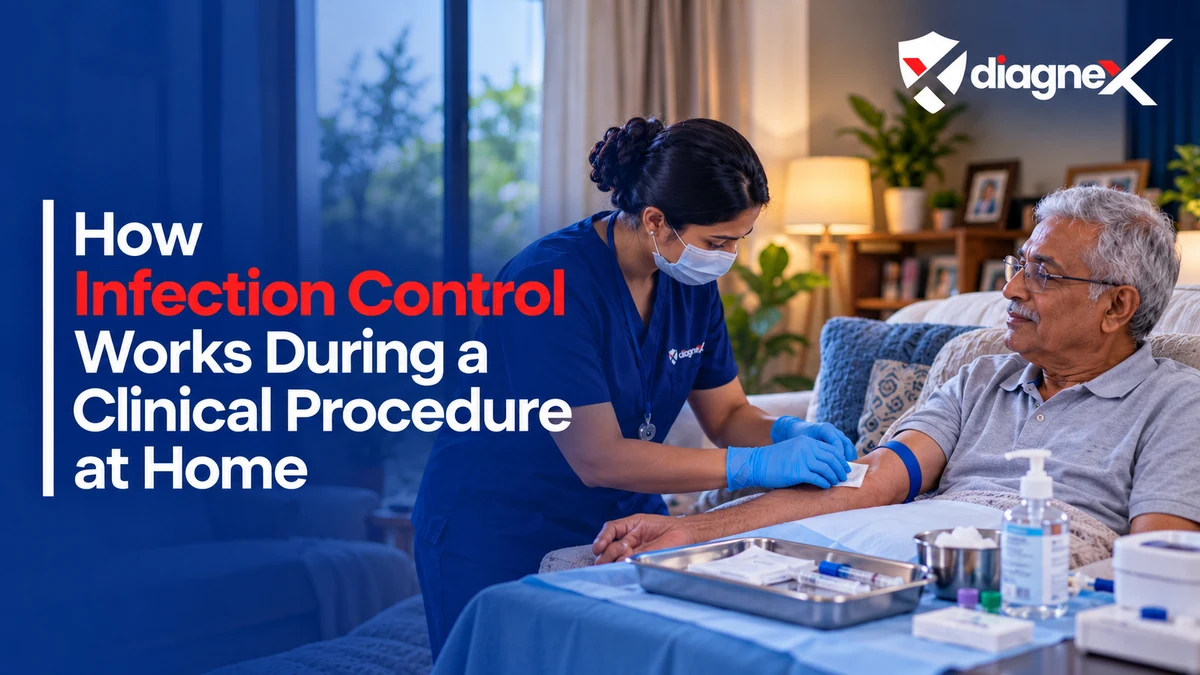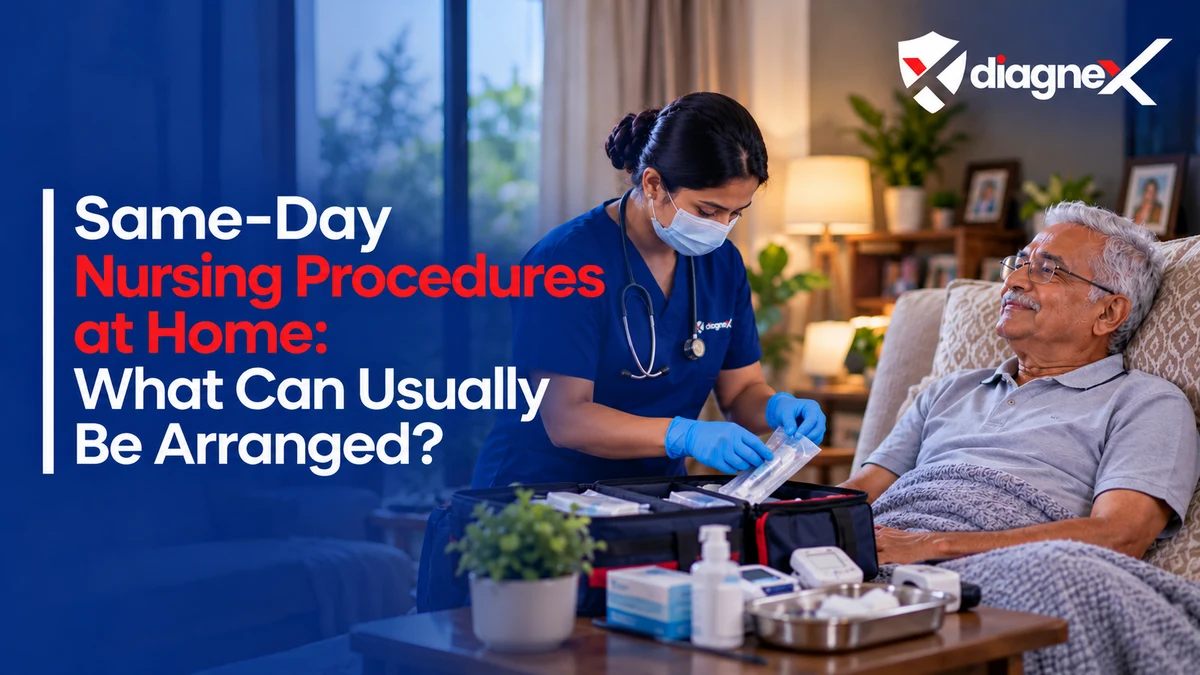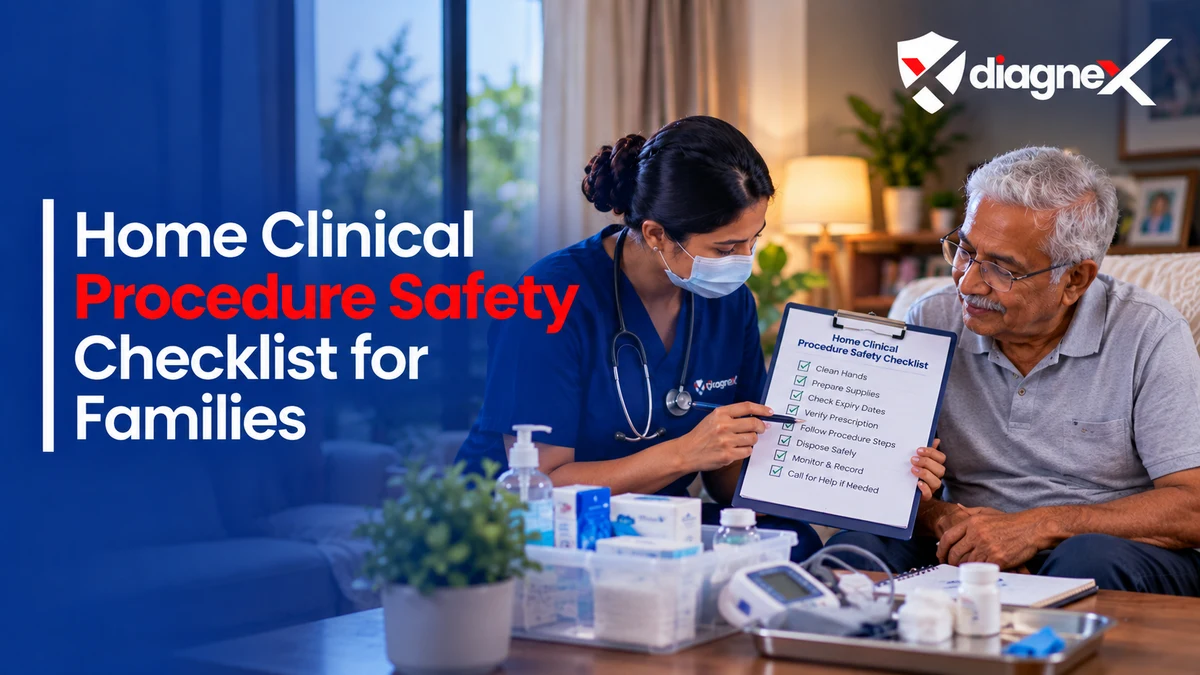
A home procedure safety checklist can help families prepare for a wound dressing, injection, IV-related treatment, catheter procedure, tube-related procedure or another nurse visit at home without trying to become the clinician. The family’s role is not to decide which sterile technique to use or to tell the nurse how to perform the procedure. The useful role is to make sure the basics around the procedure are clear: the right patient, the right treatment, the right professional, the right supplies, a suitable working area, visible infection-control practices, appropriate aftercare and a plan for what happens if something is not as expected.
CDC core infection-prevention practices apply across healthcare settings, including care delivered in homes. These principles include hand hygiene, environmental cleaning, safe injection and medication practices, appropriate use of personal protective equipment and correct handling of reusable medical equipment. Use the checklist below as a practical family guide before, during and after a clinical procedure at home.
The 15-Point Home Procedure Safety Checklist
- Confirm the exact procedure that has been arranged.
- Keep the current prescription, discharge instruction or care plan ready when required.
- Tell the provider about relevant allergies, previous reactions and important changes in the patient’s condition.
- Confirm who will perform the procedure and whether the professional role matches the task.
- Clarify which medicines, consumables and equipment are included and which must be arranged by the family.
- Prepare a clean, dry, well-lit working area with enough space for the professional and equipment.
- Keep children, pets, food and unnecessary household activity away from the procedure area.
- The nurse or clinician should verify the patient and planned procedure before starting.
- Hand hygiene should be performed at the appropriate points in care.
- Supplies used for sterile or aseptic tasks should be intact, appropriate and handled without unnecessary contamination.
- Single-use needles and syringes should be new and should not be reused.
- Personal protective equipment should match the expected exposure risk rather than being used as decoration.
- Used sharps and contaminated waste should be handled safely.
- If the patient’s condition or the procedure no longer looks appropriate for home care, the professional should be willing to pause and escalate.
- Confirm what was done, what to observe, what aftercare is required and who to contact if something changes.
Why Families Need a Home Procedure Safety Checklist
Home healthcare removes the infrastructure of a hospital from the immediate environment. That can make appropriate care more convenient, but it also means safe practice has to be deliberately recreated around the individual procedure. A hospital already has defined clean areas, medical waste systems, hand-hygiene stations, storage processes, emergency teams and standardised equipment. A home may have pets, children, food preparation, clutter, limited space or shared surfaces.
That does not make the home inherently unsafe. CDC guidance specifically recognises home care as a healthcare setting and notes the need for hand hygiene, cleaning and disinfection of equipment, and safe storage of cleaned devices. The important point is that the procedure must be adapted to the environment without lowering the relevant clinical standard.
What This Checklist Can and Cannot Tell You
- Is the planned treatment clear?
- Has the patient’s condition changed?
- Is the correct professional here?
- Are required medicines and supplies ready?
- Is there a clean work area?
- Are infection-control practices visible?
- Is there a plan for waste and sharps?
- Do we know what happens after the procedure?
- Which dressing product is clinically best for a wound.
- Which IV fluid or medicine should be prescribed.
- Whether a catheter should be inserted.
- Which sterile field or aseptic technique is required.
- Whether a treatment should be changed.
- How a nurse should perform a technical procedure step by step.
Before Booking a Clinical Procedure at Home
1. Confirm the Exact Procedure
Avoid booking a vague request such as “send a nurse” when the real requirement is an IV antibiotic, catheter replacement or complex wound dressing. A clear procedure name helps the provider determine: If the family is not sure what the procedure is called, explain the situation rather than guessing. Diagnex’s Find the Right Care pathway allows families to start from the patient’s need instead of choosing a service label on their own.
- Which professional is needed.
- Whether a prescription or clinical instruction is required.
- Which equipment and consumables may be needed.
- Whether home is an appropriate setting.
- Whether special preparation or monitoring is necessary.
2. Confirm the Clinical Direction
Ask what documentation the provider needs before the procedure. This may be: Medication-related procedures such as many injections and IV treatments commonly require a prescription or authorised treatment order. For a detailed explanation, see Do You Need a Doctor's Prescription for a Clinical Procedure at Home?
- A doctor’s prescription.
- A discharge summary.
- A procedure order.
- A wound-care plan.
- A catheter or tube-care plan.
- A continuing treatment plan.
- Another treating-clinician instruction.
3. Tell the Provider What Has Changed
- New fever.
- New severe pain.
- New breathing difficulty.
- New confusion or reduced alertness.
- New bleeding.
- A new rash or suspected allergic reaction.
- Vomiting or inability to take fluids.
- A fall or new injury.
- A major change in blood pressure, glucose or oxygen readings if these are relevant to the care plan.
4. Confirm Who Is Coming
Ask what professional role the visiting person has and whether that role matches the procedure. A nursing procedure should not be assigned to an attendant merely because an attendant is already in the home. Likewise, some diagnostic tests are performed by technicians or phlebotomists rather than nurses. The title alone is not enough; the provider should match the professional’s competence to the task.
5. Clarify Medicines, Consumables and Equipment
- Prescribed medicine.
- Syringes and needles.
- IV cannula and infusion set.
- Dressing kit.
- Sterile or clean gloves.
- Catheter and drainage bag.
- Ryle’s or nasogastric tube supplies.
- Saline or cleaning solution.
- Tape, gauze or dressings.
- Sharps container or waste-management supplies.
6. Ask What Happens If the Procedure Cannot Be Done
- Who is contacted if the prescription is unclear?
- What happens if the patient is more unwell than expected?
- What happens if IV access cannot be obtained?
- What happens if the wound looks significantly worse?
- What happens if the required equipment is unavailable?
- When would the nurse recommend hospital or doctor review?
Preparing the Home Before a Nurse Visit
Choose a Suitable Working Area
- Clean and dry.
- Well lit.
- Large enough for the professional and required equipment.
- Away from food preparation where practical.
- Away from obvious dust, smoke and household clutter.
- Away from pets and unnecessary movement.
- Close enough to the patient that they do not need unsafe transfers.
Keep Pets, Children and Visitors Away From the Procedure Area
Pets can contaminate surfaces or interrupt the procedure. Young children may touch equipment or sharps. Visitors create unnecessary movement around a clean working field. During the actual procedure, keep only the people who need to be present.
Have Hand Hygiene Available
The visiting professional should bring or have access to appropriate hand-hygiene supplies. CDC recommends hand hygiene immediately before touching a patient in relevant circumstances, before aseptic tasks, after exposure to blood or body fluids, after patient contact and after glove removal. Soap and water are required when hands are visibly soiled; alcohol-based hand rub is appropriate in many other clinical situations. Families do not need to instruct the nurse through every hand-hygiene moment, but visible hand hygiene is a reasonable expectation.
Keep Relevant Clinical Information Ready
Have the information that directly relates to the procedure available. This may include: Avoid sending large volumes of medical records through ordinary website forms. Diagnex’s Preparing for Care at Home guide similarly advises families to keep existing medical direction ready and use an appropriate protected workflow when detailed clinical information is required.
- Prescription or clinical order.
- Discharge summary.
- Known allergies.
- Current medicine list.
- Previous wound or catheter instructions.
- Relevant recent readings.
- Treating doctor or hospital contact route.
When the Nurse or Clinician Arrives
Patient and Procedure Verification
- Who the patient is
- What procedure has been arranged
- Whether the prescription or clinical instruction matches the task
- Whether anything important has changed
- Whether the required medicine, device or supplies are correct
A Focused Safety Check
The professional may need to check observations relevant to the procedure. Depending on the situation, this could include: Not every home procedure needs every vital sign measured. The checks should be relevant to the treatment and patient.
- Temperature.
- Pulse.
- Blood pressure.
- Oxygen saturation.
- Blood glucose.
- The wound or device site.
- The IV access site.
- Pain or new symptoms.
- Signs of an allergic or adverse reaction.
Hand Hygiene Before the Procedure
Hand hygiene is one of the simplest observable infection-control practices. CDC’s core practices state that healthcare personnel should clean their hands before aseptic tasks and after glove removal, among other indications. Gloves do not replace hand hygiene.
Clean, Aseptic and Sterile Technique Are Not the Same Thing
Families often search for a “sterile procedure at home,” but not every home procedure requires a fully sterile field. The required method depends on the procedure, device, wound, body site and clinical protocol. A family should not try to decide which technique applies. The useful observation is whether the professional protects critical parts of the procedure from contamination, uses the required sterile supplies when indicated and avoids touching clean or sterile items unnecessarily. MedlinePlus describes sterile technique as the use of steps designed to prevent germs from contaminating care of certain wounds and catheters, including hand hygiene, a clean dry work surface and correctly handled sterile supplies.
- Clean technique
- Aseptic technique
- Sterile technique
What Safe Infection Control Should Look Like During the Visit
1. Supplies Should Be Appropriate and Intact
For sterile or single-use supplies, packaging should generally be intact until the item is needed. A visibly damaged, wet, opened or contaminated package should not be treated as sterile. Expiry and integrity matter for products where these are relevant.
2. Clean and Contaminated Items Should Be Kept Separate
Fresh supplies should not be mixed with used dressings, bloody gauze or contaminated equipment. WHO injection-safety guidance specifically highlights the importance of separating clean and contaminated supplies to reduce cross-contamination. The exact setup can vary by procedure, but used items should not migrate back into the clean preparation area.
3. Needles and Syringes Should Be Single Use
WHO states that injections should be given with sterile equipment and warns against reuse of needles or syringes. For a home injection, the family should reasonably expect a new sterile needle and syringe to be opened for the patient. A single-use device should not be reused simply because it appears clean.
4. Personal Protective Equipment Should Match the Risk
Gloves, masks, eye protection, gowns or aprons may be needed depending on the procedure and the likelihood of contact with blood, body fluids or respiratory secretions. CDC recommends selecting personal protective equipment based on the expected exposure. Not every home visit requires full protective clothing. Excessive PPE does not automatically mean safer care; appropriate PPE is the goal.
5. Reusable Equipment Should Be Cleaned Appropriately
Items such as stethoscopes, monitoring devices or other reusable equipment can move between patients. CDC specifically notes that reusable patient-care equipment used in home care needs appropriate cleaning and disinfection and safe handling between uses. Families should not see visibly contaminated equipment being moved from one patient to another without appropriate processing.
6. Sharps Should Be Managed Safely
Used needles and other sharps should not be left on a bedside table, placed loosely in a household bag or handed around unnecessarily. WHO recommends immediate disposal of used sharps into an appropriate puncture-resistant sharps container at the point of use. Families should ask how sharps and contaminated waste will be handled after the procedure rather than assuming ordinary household disposal is appropriate.
7. Medication Checks Should Be Visible
For medicine-related procedures, the clinician should have enough information to verify the correct patient, medicine, dose, route and timing. A family should feel able to ask: These questions are not an invitation to direct the treatment. They are simple ways to reduce misunderstandings.
- What medicine is being given?
- What dose is being administered?
- What route is being used?
- Is this what the prescription says?
- Is this the scheduled dose?
What Families Should Check Before the Clinician Leaves
Confirm What Was Done
- What procedure was completed.
- Whether anything unexpected was found.
- Whether the patient tolerated the procedure as expected.
- Whether the next visit is required.
- Whether any medicine or device instructions have changed.
Ask What to Watch For
The warning signs depend on the procedure. After tube care: displacement concerns, vomiting, coughing during feeding, breathing difficulty or inability to use the tube as instructed. The clinician should explain which changes need routine follow-up and which require urgent review.
- After an injection: rash, swelling, breathing difficulty, severe dizziness or another reaction
- After IV therapy: pain, swelling, redness, leaking, fever or symptoms of an adverse reaction
- After wound dressing: increasing pain, swelling, bleeding, discharge, fever or wound opening
- After catheter care: pain, leakage, blockage, blood in urine, fever or poor drainage
Confirm Who to Contact
- Who to contact with a routine question.
- Who to contact if the procedure-related problem worsens.
- Whether the treating doctor needs an update.
- When to go to a hospital.
- When to call emergency services.
Ask About Documentation
- The procedure performed.
- Relevant observations.
- Medicine administered.
- Device details.
- Wound findings.
- Vital signs where relevant.
- Patient response.
- Any concern that was escalated.
- Next-step instructions.
Procedure-Specific Safety Checks
Wound Dressing at Home
Before: Confirm the wound-care instruction or discharge plan. Check that required dressings and supplies are available. Tell the nurse about fever, new severe pain, bleeding or major wound changes. During:
Expect hand hygiene and a clean or sterile process appropriate to the wound. Fresh dressings should remain protected from contaminated waste. The nurse should observe the wound rather than simply covering it. After: Ask what changes should trigger medical review. Confirm when the next dressing or review is due. Know what to do if the dressing becomes soaked, loose or contaminated.
Injection at Home
- Confirm the prescription
- Check medicine name, dose and route
- Tell the professional about known allergies or previous reactions
During: A new sterile needle and syringe should be used. The nurse should verify the patient and medicine before administration. Safe sharps disposal should be available. After: Ask whether observation is needed. Know which reactions require urgent attention.
IV Cannulation or IV Therapy at Home
- Confirm the medical order or prescription
- Clarify the fluid or medicine, dose, rate and duration where relevant
- The IV site should be prepared using the appropriate aseptic process
- The medicine or fluid should match the authorised treatment
- The site and patient should be observed for relevant complications
Urinary Catheter Procedure at Home
- Confirm the clinical indication or catheter plan
- Tell the professional about difficult previous catheterisation, bleeding, obstruction or urological history
- CDC recommends aseptic insertion using sterile equipment for indwelling urinary catheters
- The procedure should be performed by a person trained in correct insertion technique
- After: The drainage system should function as intended
- The family should know what to do if there is blockage, leakage, blood, severe pain or fever
Ryle's or Nasogastric Tube Procedure
Before: Confirm the treating-clinician instruction or established tube plan. Clarify whether this is insertion, replacement, feeding support or another defined task. Share any history of difficult insertion or complications. During:
The professional should follow the appropriate procedure and verification process for the planned task. The tube should not be treated as a routine household item simply because the patient is at home. After: Caregivers should understand the approved feeding or medication plan. Concerns about displacement, vomiting, coughing during feeding or respiratory symptoms need review.
Blood Sample Collection at Home
- Confirm the requested tests and any fasting or timing instructions
- Tell the phlebotomist or clinician about difficult venous access, fainting history or other relevant concerns
During: The patient should be correctly identified. Single-use collection equipment should be used. Samples should be labelled correctly and handled through the appropriate laboratory pathway. After: Know how and when results will be available. Urgent or abnormal results still need an appropriate clinician to interpret and act on them.
Common Infection-Control Mistakes Families Should Not Normalise
- No hand hygiene before an invasive or aseptic task.
- Reusing a needle or syringe.
- Using visibly damaged or already-open sterile packaging without explanation.
- Placing clean supplies directly among used dressings or contaminated waste.
- Leaving used sharps loose in the home.
- Using visibly dirty reusable equipment.
- Administering an injection or IV medicine without confirming the treatment.
- Continuing a procedure despite major new symptoms without reassessment.
- Throwing contaminated clinical waste into ordinary household areas without a clear process.
- Treating gloves as a substitute for hand hygiene.
What Families Should Not Try to Do Themselves
A safety checklist should not accidentally encourage families to perform invasive care without training. Do not attempt to: Some patients and caregivers are formally trained to perform selected tasks at home. Follow the training and care plan given by the treating team rather than general internet instructions.
- Insert an IV cannula.
- Start an IV infusion.
- Insert a urinary catheter.
- Insert a Ryle’s or nasogastric tube.
- Administer an unfamiliar injection.
- Change a prescription medicine dose.
- Create your own sterile field for an invasive procedure.
- Reuse single-use clinical equipment.
- Flush, manipulate or remove a device unless you have been specifically trained and authorised to do so.
When the Procedure Should Be Paused
- The patient is much more unwell than expected.
- The prescription or clinical instruction is unclear.
- The wrong medicine, dose, route or device appears to have been supplied.
- Required sterile or clean supplies are unavailable.
- The procedure cannot be performed safely in the home environment.
- There is significant bleeding.
- There are signs of a severe allergic reaction.
- The nurse identifies a complication that needs a higher level of care.
- The patient refuses or withdraws consent.
When Hospital or Emergency Care Should Take Priority
A home procedure is for planned care, not emergency response. Seek urgent medical attention for: In India, call 112 or go to the nearest appropriate emergency facility when emergency care is required. Do not wait for a scheduled nurse visit if the patient may be seriously unwell.
- Severe breathing difficulty.
- Chest pain.
- Loss of consciousness.
- New stroke-like symptoms.
- Uncontrolled bleeding.
- A seizure.
- A severe allergic reaction.
- Rapidly worsening confusion.
- Another sudden major deterioration.
How to Choose a Provider for a Nurse Visit at Home
A credible home-care provider should be able to explain its process in practical terms. Ask: Avoid choosing solely on the lowest visit fee or fastest promised arrival. A home procedure is a clinical service, not a delivery transaction.
- How do you confirm patient suitability?
- Who will perform the procedure?
- What qualification or professional role is required?
- Do you need a prescription or clinical instruction?
- What equipment and consumables are included?
- How are infection-control practices handled?
- How are sharps and clinical waste managed?
- What documentation is created?
- What happens if the procedure cannot be completed?
- How do you escalate concerns to the treating team or hospital?
How Diagnex Approaches Home Procedure Safety
Diagnex’s current service directory includes clinical-procedure enquiries such as wound dressing at home, nursing injections, IV cannulation, catheterisation, Ryle’s tube insertion, blood sample collection and selected monitoring or diagnostic services. The service list does not mean that every procedure is automatically appropriate for every patient or immediately available in every locality. Suitability, prescription requirements, professional responsibility and local availability are confirmed for the specific requirement.
If you are unsure what service fits, use Find the Right Care rather than guessing. For the broader list of procedures that may be suitable outside hospital, read Which Medical Procedures Can Be Done Safely at Home? For the step-by-step nurse visit workflow, read How Does a Nurse Visit for a Home Procedure Work? For prescription and clinical-authorisation requirements, read Do You Need a Doctor's Prescription for a Clinical Procedure at Home? For deciding whether the procedure belongs at home at all, read When Should a Procedure Be Done at Home vs in a Hospital?
Frequently Asked Questions
What is a home procedure safety checklist?
How clean does the home need to be for a clinical procedure?
What is a sterile procedure at home?
Some home procedures require sterile supplies or sterile technique, while others use clean or aseptic technique. The required method depends on the procedure. Families should not decide the technique themselves; the professional should apply the appropriate clinical protocol.
Should a nurse wash or sanitise hands before a home procedure?
Should gloves always be worn during a nurse visit at home?
Can needles or syringes ever be reused?
What should happen to used needles after a home injection?
Should families check the medicine before an injection or IV?
What if the nurse does not perform hand hygiene?
When should a home procedure be stopped and moved to hospital care?
The Bottom Line
The safest home procedure is not simply the one completed without incident. It is one where the treatment is clear, the patient is suitable, the right professional is present, infection-control practices match the procedure, supplies are appropriate, the patient is observed properly and everyone knows what happens next. Families do not need to supervise the clinician. They do need enough visibility to recognise whether the care process is organised, whether important safety questions have been answered and whether the team knows when home care should stop. Use the checklist to prepare, ask better questions and understand what good clinical care at home should look like.
Sources and Medical References
This article provides general health information and is not a substitute for patient-specific medical advice, diagnosis or treatment. Families should not use this checklist to direct or independently perform invasive clinical procedures. Clinical decisions should be made by appropriately qualified treating professionals.