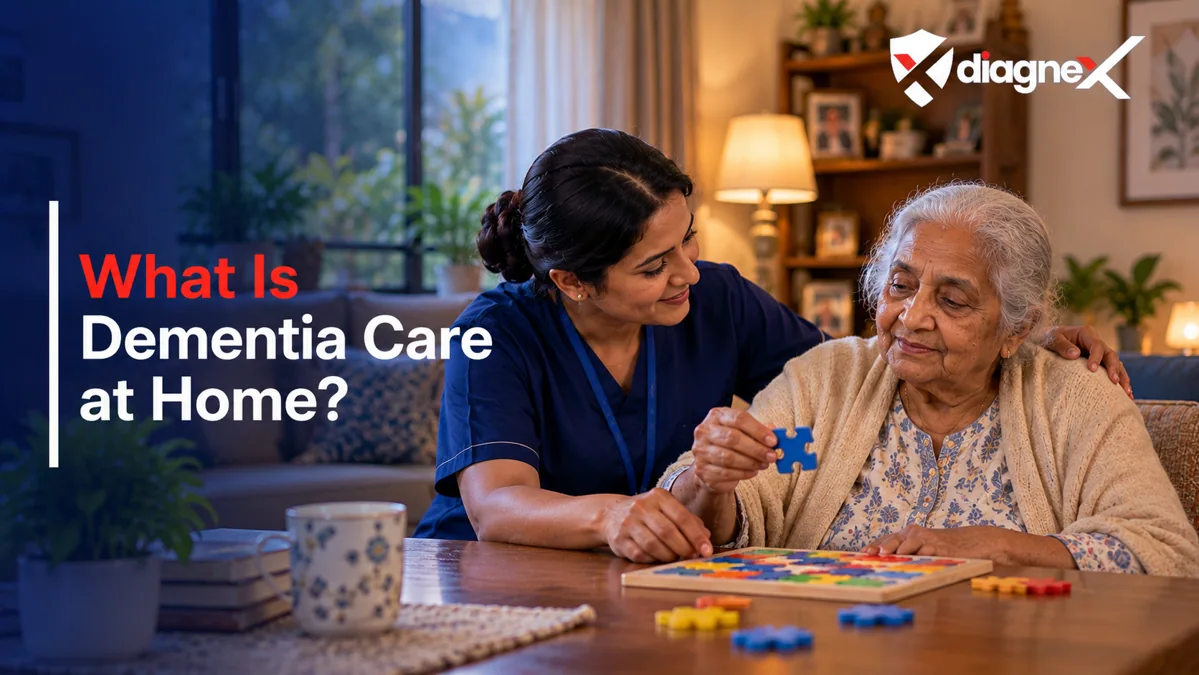
Activities for people with dementia at home work best when they are familiar, enjoyable and matched to the person's current abilities. The aim is not to keep the person busy every minute or test their memory. Good activities can provide structure, companionship, movement, confidence and a sense of purpose.
For related context, read How to Care for a Person with Dementia at Home and Night Care for a Person with Dementia.
For related context, read How to Care for a Person with Dementia at Home and Night Care for a Person with Dementia.
The National Institute on Aging recommends adapting activities to what the person can still do, helping them get started when needed and watching for frustration. The Alzheimer's Association similarly advises using familiar interests and daily-life tasks rather than expecting the person to learn complicated new activities.
The best activity is often one that feels meaningful to the person. Folding clothes, watering plants, listening to favourite songs or sorting familiar objects may be more engaging than a formal puzzle if those tasks connect with the person's past interests and daily life.
Why Activities Matter in Dementia Care
Dementia can gradually reduce initiative, confidence and the ability to start activities independently. A person may appear uninterested when they actually need help beginning.
Meaningful activity can give the day structure and support social connection. The Alzheimer's Association notes that activities can enhance quality of life and may reduce behaviours such as wandering or agitation when they are chosen appropriately.
What Is Dementia Care at Home? explains how activities fit alongside routines, supervision, personal care and safety in a broader home-care plan.
Start With the Person's Past Interests
A useful starting point is the person's life before dementia. Think about work, hobbies, household roles, music, faith, family traditions, gardening, cooking, sport or craft interests.
The Alzheimer's Association recommends relating activities to past work and familiar interests. A former office worker may enjoy sorting papers or organising simple items, while someone who loved gardening may respond better to watering plants than to a word game.
The activity does not need to reproduce the old role perfectly. It only needs to feel recognisable and worthwhile.
Match the Activity to Current Ability
An activity that was easy a year ago may become frustrating if memory, language, vision or movement have changed.
The National Institute on Aging recommends matching activities to what the person can currently do. Simplify steps, prepare materials in advance and offer support without taking over completely.
Success matters more than difficulty. The person should finish feeling included rather than corrected or tested.
Keep Activities Simple and Flexible
Long instructions and complicated rules can make an activity feel like work.
Break tasks into one or two steps and demonstrate rather than explaining everything verbally. If the person loses interest, shorten the activity or switch to something calmer. For more on the practical service arrangements, review dementia care at home before deciding what information the care team needs.
Flexibility is important because energy and attention can vary from day to day.
Use Familiar Household Tasks as Activities
Daily household tasks can provide a strong sense of usefulness because they are familiar and naturally connected to home life.
The National Institute on Aging suggests activities such as folding laundry, setting the table, washing dishes, sweeping or sorting items. These tasks can be simplified according to ability.
The goal is participation, not perfect household work. If towels are folded unevenly or cutlery is placed in the wrong order, correcting every detail may remove the benefit of the activity.
Try Simple Sorting Activities
Sorting can be calming and repetitive. Socks, large buttons, postcards, photographs, coloured objects or safe household items can be grouped by type or colour.
Choose large, safe objects and avoid items that could be swallowed. The caregiver can begin the first few items and let the person continue if they understand the pattern.
This type of mental stimulation for elderly adults is often easier than memory quizzes because it uses recognition and movement without demanding exact recall.
Use Music as a Familiar Cue
Music can support mood, memory and social connection. Familiar songs may still feel meaningful even when conversation has become difficult.
The National Institute on Aging recommends singing, listening to music and discussing familiar artists or songs. The person may enjoy tapping a rhythm, humming or simply listening.
Choose music that the person has enjoyed before. Loud or unfamiliar music can increase agitation rather than reduce it.
Look Through Family Photographs
Photographs can create conversation without turning the activity into a memory test.
Instead of asking, "Who is this?" repeatedly, the caregiver can make simple comments such as, "This was taken at a family wedding," and allow the person to respond if they want.
The purpose is connection and enjoyment, not proving whether the person remembers every name or date.
Read Together
Reading can remain enjoyable even when longer books become difficult.
Short newspaper articles, devotional readings, poems, familiar stories or large-print material may work well. A caregiver can read aloud if the person no longer follows text independently.
If comprehension is limited, listening and sharing the moment can still be meaningful.
Use Simple Puzzles Carefully
Puzzles can provide cognitive stimulation, but difficulty should be adjusted.
Large-piece jigsaw puzzles, matching cards or simple shape activities may be more appropriate than complex crosswords in later stages. If the person becomes frustrated, the task is too difficult or poorly timed.
Cognitive activities for elderly adults should support confidence rather than expose what the person can no longer do.
Try Art Without Focusing on the Final Result
Drawing, colouring, painting or arranging craft materials can be enjoyable even when the person no longer follows detailed instructions.
Use safe, easy-to-hold materials and protect clothing or surfaces if needed. The caregiver can participate alongside the person.
Avoid judging the result. The value lies in expression, movement and companionship.
Gardening Can Be a Strong Home Activity
Watering plants, touching soil, trimming safe leaves or looking at flowers can be familiar and calming for someone who previously enjoyed gardening.
The National Institute on Aging includes gardening among useful home activities for people with Alzheimer's disease.
Supervision may be needed around tools, chemicals, uneven ground or hot weather.
Include Cooking in a Safe Way
Cooking can connect with strong memories and daily routines.
The person may help wash vegetables, stir ingredients, mix batter or set out utensils while the caregiver handles knives, heat and other hazards. The National Institute on Aging suggests adapting cooking tasks so the person can participate safely.
Kitchen safety should always reflect the person's current judgement and coordination.
Use Food Preparation as Sensory Engagement
Even when full cooking is no longer safe, food-related activity can still be meaningful.
The person may smell familiar spices, help choose fruit, stir a cold mixture or arrange simple snacks. These activities involve touch, smell, sight and social interaction.
Avoid tasks with choking, burn or knife risks when supervision is limited.
Encourage Safe Walking
Walking can provide movement, routine and a change of scenery.
A short supervised walk indoors, in a corridor, garden or safe outdoor area may be useful depending on mobility. The route should be familiar and free of major fall hazards. If the family is considering support at home, the Diagnex guide to home nursing explains the service pathway and its limits.
If walking ability has declined or the person is falling, Physiotherapy at Home may be relevant before increasing activity.
Use Seated Movement for People With Limited Mobility
Not every activity needs to involve standing or walking.
Simple seated movements, reaching for a soft ball, clapping to music or guided arm movements may help someone who is less mobile. The activity should stop if there is pain, dizziness, breathlessness or marked fatigue.
A physiotherapist can help families choose safer movement when the person also has frailty, arthritis, stroke-related weakness or recent falls.
Include Companionship as an Activity
Companionship itself is meaningful. A person does not always need a structured task.
Sitting together over tea, looking out of a window, talking about familiar topics or listening to music can provide connection. The National Institute on Aging notes that visitors remain important even when the person no longer remembers who visited.
How to Choose a Dementia Caregiver at Home explains why patience, communication style and consistency matter when companionship is part of the care plan.
Keep Social Visits Small and Calm
Large gatherings can be tiring or confusing.
The Alzheimer's Association advises considering smaller groups when a large social event becomes overwhelming. Visits are often more successful when they are shorter and occur at a time of day when the person is usually alert.
One calm visitor may provide more meaningful companionship than a room full of people.
Plan Activities for the Best Time of Day
Many people with dementia have better attention and energy at certain times of day.
The Alzheimer's Association recommends considering time of day when planning activities. Bathing, walking or more demanding tasks may work better in the morning for one person and after lunch for another.
If agitation usually increases in the evening, schedule calmer activities before that period.
Adapt Activities When Sundowning Is Present
A person who becomes restless later in the day may benefit from a quieter transition into the evening.
Familiar music, folding towels, looking at photographs or a short supervised walk may be more suitable than a noisy social activity.
What Is Sundowning in Dementia? explains how lighting, fatigue, routine and overstimulation can affect late-day behaviour.
Use Activities to Redirect Agitation
A familiar task can sometimes help when the person is restless or repeatedly focused on something distressing.
The activity should not feel like a distraction imposed on them. It should connect naturally with their interests and current ability.
How to Handle Agitation in Dementia at Home explains why reducing stimulation, checking for pain and using meaningful redirection may help.
Avoid Correcting the Person During Activities
Activities lose their value if every mistake is corrected.
If the person sorts objects incorrectly, forgets a step or tells the same story again, the caregiver can gently support without turning the activity into a lesson.
The aim is participation, confidence and enjoyment.
Know When to Stop an Activity
Watch for signs of frustration, fatigue or overstimulation.
If the person becomes tense, repeatedly says no, pushes materials away, looks confused or becomes more agitated, stop or simplify the activity. The National Institute on Aging specifically advises watching for frustration and helping the person feel successful.
A shorter activity that ends well is better than a longer one that creates distress.
Do Not Force Participation
Some days the person may prefer to watch rather than participate.
The National Institute on Aging notes that observing can still be enjoyable. A person may listen to music while someone else folds laundry or watch a family member garden without joining in.
Choice remains important even when communication is limited.
Build Activities Into the Daily Routine
Activities are easier to sustain when they are linked to everyday life rather than treated as a separate programme.
A short walk after breakfast, folding clothes in the afternoon and music before dinner can create predictable structure. Familiar repetition may be more successful than constantly introducing new activities.
Memory & Dementia Care can help families think about routines, supervision and meaningful engagement together.
How Activities Change as Dementia Progresses
In earlier stages, the person may continue hobbies with small adjustments. In middle stages, simpler and more repetitive activities often work better. In later stages, sensory experiences, music, touch, familiar voices and simple companionship may become more appropriate.
The Alzheimer's Association recommends adjusting activities to the person's stage and current abilities rather than stopping all engagement. For care planning beyond this article, compare medical caretaker support with the instructions already given by the treating professional.
The activity should evolve with the person.
What if the Person No Longer Starts Activities?
Loss of initiative does not always mean loss of interest.
A caregiver may need to place the materials in front of the person, begin the first step or invite them gently. The National Institute on Aging recommends helping the person get started when needed.
If the person consistently shows no interest, try a different activity rather than pushing harder.
Activity Safety Checklist
Before starting, caregivers can check: • Is the activity familiar or understandable? • Does it match the person's current physical and cognitive ability? • Are sharp, hot, toxic or swallowable objects removed? • Is the area well lit and free of fall hazards? • Is the person rested enough to participate? • Does the task allow success without constant correction? • Can the caregiver stop or simplify it if frustration appears? • Is supervision adequate for the level of risk?
How to Arrange Dementia Support With Diagnex
To arrange dementia support at home, share the person's diagnosis if known, current memory and behaviour concerns, mobility, daily routine, level of supervision required, preferred activities and locality.
Diagnex can review whether the requirement fits Memory & Dementia Care, another elder-care pathway or a rehabilitation service such as Physiotherapy at Home when mobility is also a concern.
For service coordination, use the Diagnex Contact page.
Frequently asked questions
What activities are good for someone with dementia at home?
Familiar household tasks, music, simple sorting, photographs, reading, gardening, art, safe walking and companionship can all be useful when they match the person's interests and current abilities.
Do cognitive activities help dementia?
Cognitive activities can support engagement and enjoyment, but they should not be presented as a test. Matching difficulty to ability is more important than making the task challenging.
How long should a dementia activity last?
There is no fixed duration. Stop or simplify the activity when the person becomes tired, frustrated or distracted. Short successful sessions are often better than long ones.
What activities can reduce restlessness?
A supervised walk, familiar household task, music, simple sorting or another meaningful activity may help some people when boredom or lack of structure is contributing to restlessness.
Should a person with dementia be corrected during activities?
Usually not for harmless mistakes. The purpose is engagement and confidence, not perfect performance or memory testing.
What if the person refuses an activity?
Do not force participation. Try again later, simplify the activity or offer a different option. Watching can also be meaningful if the person appears comfortable.
Are physical activities safe for people with dementia?
They can be, when matched to mobility and medical condition. People with falls, frailty, pain or neurological limitations may need physiotherapy or medical guidance before increasing activity.
References and further reading
This article provides general education and does not replace an individual dementia or rehabilitation assessment. Activity guidance was cross-checked against current National Institute on Aging recommendations on adapting activities for people with Alzheimer's disease and Alzheimer's Association guidance on choosing meaningful activities and maintaining engagement.
Related Diagnex services and guides
Explore the Elder Care service pathway and the Elder Care article library for more information.
Diagnex publishes general healthcare information to support care planning. Individual decisions about diagnosis, prescriptions and treatment remain with the treating professional. Read our medical content policy and editorial standards.