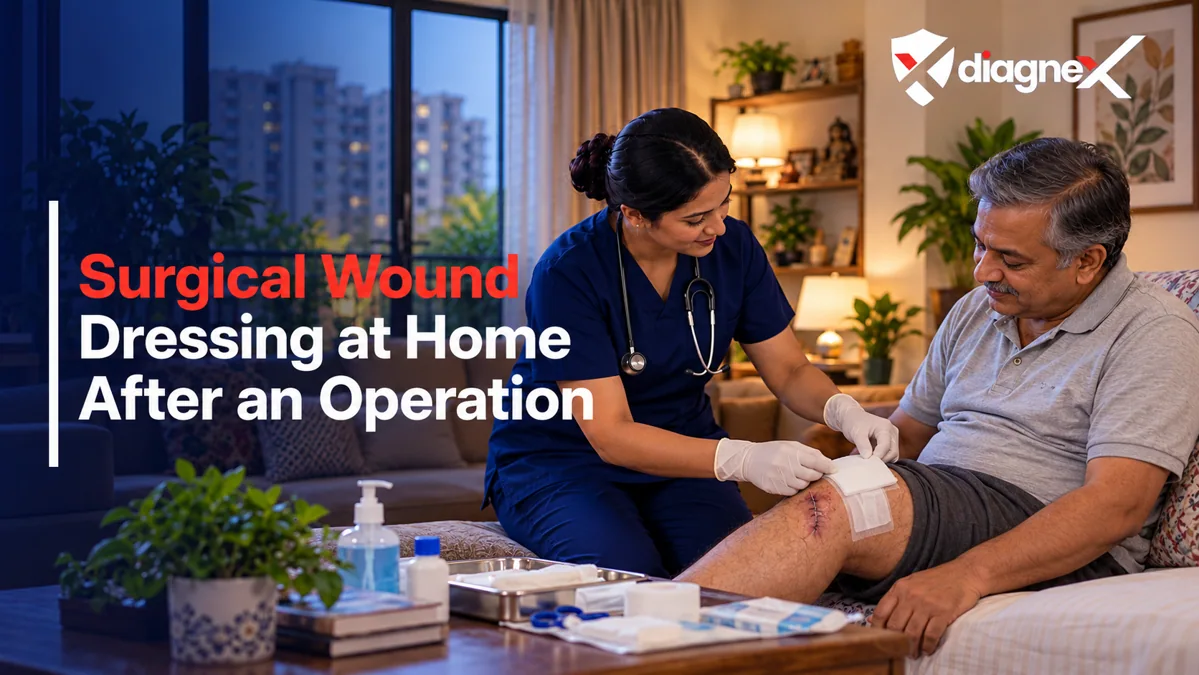
An infected wound needs more than a fresh bandage. Dressing can protect the wound, manage drainage, and support an existing treatment plan, but it does not by itself treat the underlying infection.
For related context, read Wound Dressing at Home Cost: What Influences the Price? and Iron Infusion at Home: What Requires Clinical Review?.
For related context, read Wound Dressing at Home Cost: What Influences the Price? and Iron Infusion at Home: What Requires Clinical Review?.
Infected wound dressing at home may be appropriate when the wound has already been assessed, the patient is clinically stable, and a doctor or treating clinician has provided a clear plan for wound care, antibiotics, drainage, debridement, or follow-up where needed. A wound care nurse can then support dressing changes, observe the wound, document progress, and escalate concerning changes.
The important point is that a worsening infected wound should not be managed as a routine home dressing problem. Increasing redness, swelling, pain, pus, foul odour, fever, wound enlargement, or a decline in the patient's general condition can signal that medical review is needed.
What Does an Infected Wound Look Like?
Wound infection can present in different ways depending on the type of wound, the bacteria involved, the patient's health, and how long the wound has been present.
Common wound infection signs can include: • increasing redness around the wound; • warmth or swelling; • worsening pain or tenderness; • pus-like, cloudy, yellow, green, or foul-smelling drainage; • increasing wound size or depth; • bleeding that is new or difficult to control; • delayed healing; • fever or chills; • red streaks extending away from the wound; • increasing weakness or a general feeling of being unwell.
The Centers for Disease Control and Prevention lists redness and pain around a surgical wound, cloudy drainage, and fever among common signs of surgical-site infection. MedlinePlus also advises contacting a healthcare provider for worsening redness, pain, swelling, bleeding, increasing drainage, bad odour, or a wound that is becoming larger or deeper.
Can an Infected Wound Be Dressed at Home?
Yes, selected infected wounds can be dressed at home when the infection has been medically assessed and a treatment plan is in place. The dressing visit should support that plan, not replace it.
Home dressing may be appropriate when: • the patient is stable; • the wound has already been assessed; • the treating professional has advised a dressing method; • prescribed antibiotics or other treatment have been started where required; • there is a clear review plan; • the patient does not have signs of severe or rapidly spreading infection.
Diagnex's Wound Care and Dressing service is the most relevant pathway when a patient needs professional wound dressing at home.
Why Medical Review Matters Before Repeated Home Dressing
An infected wound may need more than cleaning and dressing. Depending on the cause and severity, treatment may involve antibiotics, drainage of pus, removal of dead tissue, wound cultures, imaging, blood tests, or surgery.
MedlinePlus notes that staph infections may require drainage by a healthcare provider and that patients should not try to drain an infection themselves. For surgical-site infections, the CDC notes that antibiotics may be required and that some patients need additional surgery. For more on the practical service arrangements, review wound care at home before deciding what information the care team needs.
This is why repeated home dressing without medical review can be unsafe when the wound is worsening. The healthcare team needs to know whether the infection is superficial, deep, spreading, related to poor circulation, associated with diabetes, or complicated by another medical problem.
What Happens During Infected Wound Dressing at Home?
The exact process depends on the wound and the treatment plan. A home nurse may review the previous instructions, assess the wound, perform the prescribed dressing procedure, and document changes.
Before the Dressing
The nurse may review: • how and when the wound developed; • previous surgery or injury; • the current dressing plan; • prescribed antibiotics; • known medical conditions; • pain and fever history; • drainage or odour; • recent wound changes; • previous wound measurements or photographs if available.
A clean, well lit area should be prepared before the procedure. The Home Clinical Procedure Safety Checklist for Families can help families prepare for repeated clinical visits at home.
During the Dressing
The old dressing is removed carefully. The wound and surrounding skin are checked for redness, swelling, tenderness, drainage, bleeding, tissue changes, odour, and signs that the wound is becoming larger or deeper.
The wound is then cleaned and redressed according to the prescribed method. The correct dressing depends on wound type, drainage, tissue condition, infection status, and the treatment plan.
If the wound contains dead tissue, debridement may be part of the clinical plan. This is different from routine home dressing and should only be performed by an appropriately trained professional when indicated. Diagnex's Wound Debridement pathway may be relevant when this has been advised.
After the Dressing
The nurse should document important findings and explain when the next dressing or medical review is due. The patient or caregiver should know what changes require earlier contact with the treating team.
Used dressings should be discarded safely, and hands should be cleaned before and after wound care. Diagnex's guide on How Infection Control Works During a Clinical Procedure at Home explains the wider principles of clean preparation and safe handling.
When Is a Wound Care Nurse Helpful?
A wound care nurse can be helpful when repeated dressing changes are required, the patient has difficulty travelling, the wound needs ongoing observation, or the patient has recently returned home after hospital treatment.
The nurse can support: • prescribed wound dressing; • observation and documentation; • infection-control practices; • wound measurements where appropriate; • caregiver education; • escalation of concerning changes; • coordination with the treating clinician.
If the patient needs regular nursing beyond a single dressing procedure, Home Nursing Services may be more appropriate than isolated procedure visits.
Which Wound Infection Signs Need Prompt Medical Review?
Some wound changes should not wait until the next routine dressing visit.
Prompt medical review is important if there is: • increasing redness, warmth, or swelling; • worsening pain; • pus-like or foul-smelling drainage; • new or increasing bleeding; • fever or chills; • wound enlargement or increased depth; • new black or discoloured tissue; • red streaks extending from the wound; • increasing weakness; • new confusion, especially in an older or medically frail patient; • no improvement despite treatment.
A Doctor at Home consultation may be useful in selected situations, but urgent or severe symptoms may require hospital assessment instead.
When the Situation May Be Urgent
Urgent medical assessment may be needed if the patient is acutely unwell, has a high fever, rapidly spreading redness, severe pain, low blood pressure symptoms, persistent vomiting, confusion, significant bleeding, tissue that is rapidly turning dark, or an infection that appears to be spreading quickly.
MedlinePlus notes that severe soft-tissue infections can be life-threatening and advises immediate medical attention for signs of infection around a skin injury.
The priority in these situations is medical assessment, not completing another routine dressing.
Can Antibiotics Be Started Without Seeing a Doctor?
No. Antibiotics should be prescribed based on clinical assessment. Not every wound needs antibiotics, and the correct treatment depends on the type and severity of infection. If the family is considering support at home, the Diagnex guide to home nursing explains the service pathway and its limits.
Using leftover antibiotics, sharing antibiotics, or starting medication without professional advice can lead to inappropriate treatment and may contribute to antibiotic resistance.
If antibiotics have already been prescribed, they should be taken exactly as directed. A wound that continues to worsen despite treatment should be reviewed again.
Should Pus Be Drained at Home?
Do not squeeze, cut, puncture, or attempt to drain a wound or abscess yourself. Some infected wounds need professional drainage, but this should be done by an appropriately trained healthcare professional in the correct setting.
Trying to drain a wound at home can spread infection, cause bleeding, damage tissue, and delay proper treatment.
Should Antiseptic Be Applied to an Infected Wound?
The wound should be cleaned according to the treating plan. Do not assume that stronger antiseptic means better infection control.
Some antiseptics or topical products can irritate tissue or interfere with healing when used inappropriately. Antibiotic creams, powders, herbal products, and other substances should not be added unless the treating clinician has recommended them.
The safest approach is to use the wound care method prescribed for that specific wound.
How Often Should an Infected Wound Dressing Be Changed?
There is no universal schedule. Dressing frequency depends on wound drainage, dressing type, infection severity, wound location, tissue condition, and the clinical plan.
Some dressings may stay in place for a defined period. Others may need more frequent changes if drainage is heavy or the dressing becomes wet, loose, contaminated, or saturated.
MedlinePlus advises following the healthcare provider's instructions for dressing changes and contacting the provider when drainage increases, changes colour, becomes foul smelling, or the wound worsens.
Why Infection Control During Home Dressing Matters
An infected wound can contaminate hands, surfaces, dressings, and reusable items. Good infection-control practice protects both the patient and other people in the home.
Important measures include: • washing hands before and after wound care; • using gloves as instructed; • preparing supplies on a clean surface; • avoiding unnecessary contact with the wound; • keeping clean supplies separate from used materials; • placing used dressings into a closed waste bag; • not sharing towels or wound care items; • cleaning reusable equipment according to instructions.
Home dressing should be organised so that clean and used materials do not become mixed.
What If the Wound Is Not Healing?
A wound that is not healing may have an underlying problem that dressing alone cannot solve. Possible contributing factors can include ongoing infection, poor circulation, diabetes, pressure, repeated trauma, foreign material, inadequate nutrition, or deeper tissue involvement.
The wound should be reassessed if it remains unchanged or worsens despite appropriate care. In some cases, wound culture, vascular assessment, debridement, imaging, or specialist review may be needed.
This is particularly important for diabetic foot wounds, pressure ulcers, surgical wounds, and wounds in patients with circulation problems.
Infected Surgical Wounds Need Particular Attention
An infected surgical wound may involve the skin, deeper tissues, an organ space, or implanted material. The CDC advises patients to contact their healthcare provider if there is redness and pain around the surgical site, drainage, or fever.
Patients with an infected post-operative wound should keep their surgeon or treating team informed. If ongoing nursing is required after hospital discharge, Post-Hospital Nursing may also be relevant.
Preparing for an Infected Wound Dressing Visit
Before arranging infected wound dressing at home, keep the following information ready: • the cause of the wound; • how long the wound has been present; • whether it has been assessed by a doctor; • current medicines and antibiotics; • the dressing method advised; • whether there is fever, redness, swelling, odour, or increasing pain; • whether drainage is increasing or changing; • relevant conditions such as diabetes or poor circulation; • previous wound reports, measurements, or photographs if available; • the date of the next medical review.
This information helps the healthcare team understand whether the request is suitable for routine home dressing or whether further medical assessment is needed first. For care planning beyond this article, compare surgery dressing at home with the instructions already given by the treating professional.
How to Arrange Infected Wound Dressing at Home With Diagnex
If an infected wound has already been assessed and home dressing has been advised, share the wound location, clinical instructions, current treatment, dressing plan, locality, and any recent changes in symptoms.
Diagnex can review the requirement and route the enquiry to the appropriate Clinical Procedures at Home or nursing pathway based on the requested care, professional requirement, locality, and available clinical information.
For service coordination, use the Diagnex Contact page.
Frequently asked questions
Can an infected wound be dressed at home?
Yes, selected infected wounds can be dressed at home when the patient is stable, the wound has been medically assessed, and there is a clear treatment and follow-up plan.
What are the main signs of wound infection?
Common signs include increasing redness, warmth, swelling, pain, pus-like or foul-smelling drainage, fever, increasing wound size, and delayed healing.
Can a wound care nurse treat the infection?
A nurse can support the prescribed wound care plan, monitor the wound, and escalate concerns. Diagnosis, antibiotic prescribing, drainage decisions, and major treatment changes remain with the appropriate clinician.
Should I squeeze pus out of an infected wound?
No. Do not squeeze, cut, or drain an infected wound yourself. Professional drainage may be required in some cases.
Does every infected wound need antibiotics?
No. The need for antibiotics depends on the type and severity of infection. A clinician should assess the wound and decide whether antibiotics or another treatment is required.
What if the wound gets worse after starting antibiotics?
Contact the treating clinician promptly. Worsening redness, swelling, pain, drainage, fever, or general illness despite treatment may require reassessment or a change in management.
When should an infected wound be taken to hospital?
Hospital assessment may be needed for rapidly spreading infection, high fever, severe pain, confusion, low blood pressure symptoms, persistent vomiting, significant tissue damage, or when the patient is medically unstable.
References and further reading
This article provides general education and does not replace individual medical assessment. Clinical points were cross-checked against current guidance from the Centers for Disease Control and Prevention and MedlinePlus.
Related Diagnex services and guides
Explore the Clinical Procedures service pathway and the Clinical Procedures article library for more information.
Diagnex publishes general healthcare information to support care planning. Individual decisions about diagnosis, prescriptions and treatment remain with the treating professional. Read our medical content policy and editorial standards.