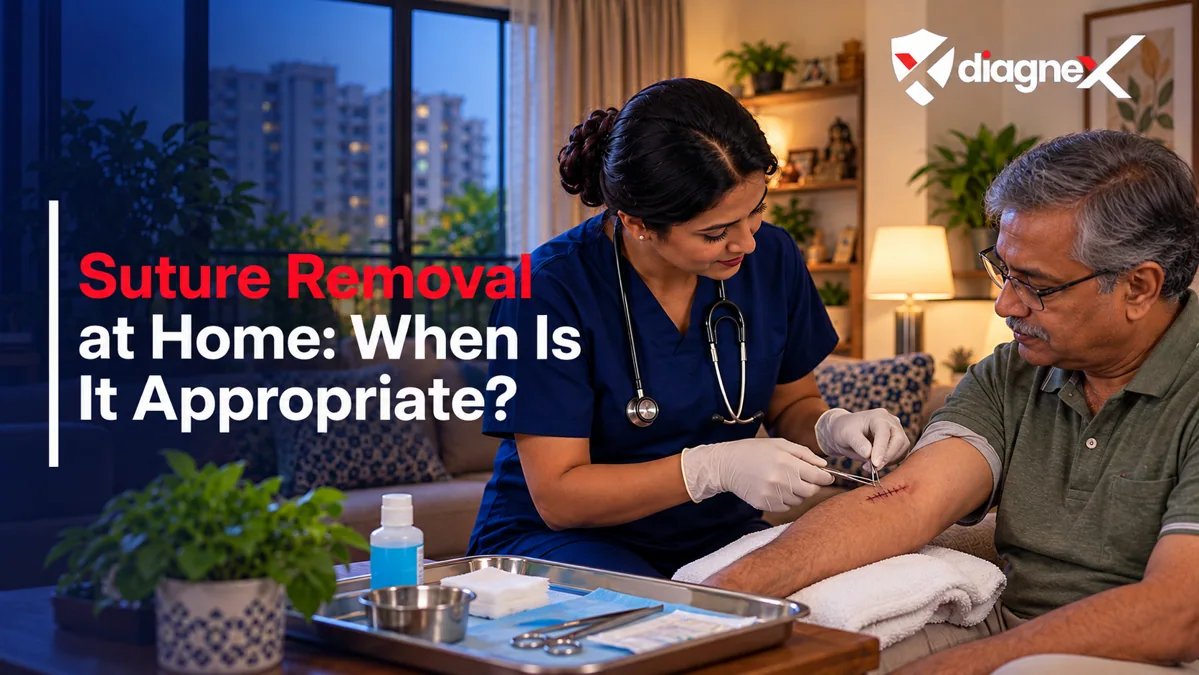
Suture removal at home can be appropriate when the wound is healing well, the treating doctor or surgeon has advised that the stitches can be removed, and a qualified healthcare professional is available to perform the procedure safely.
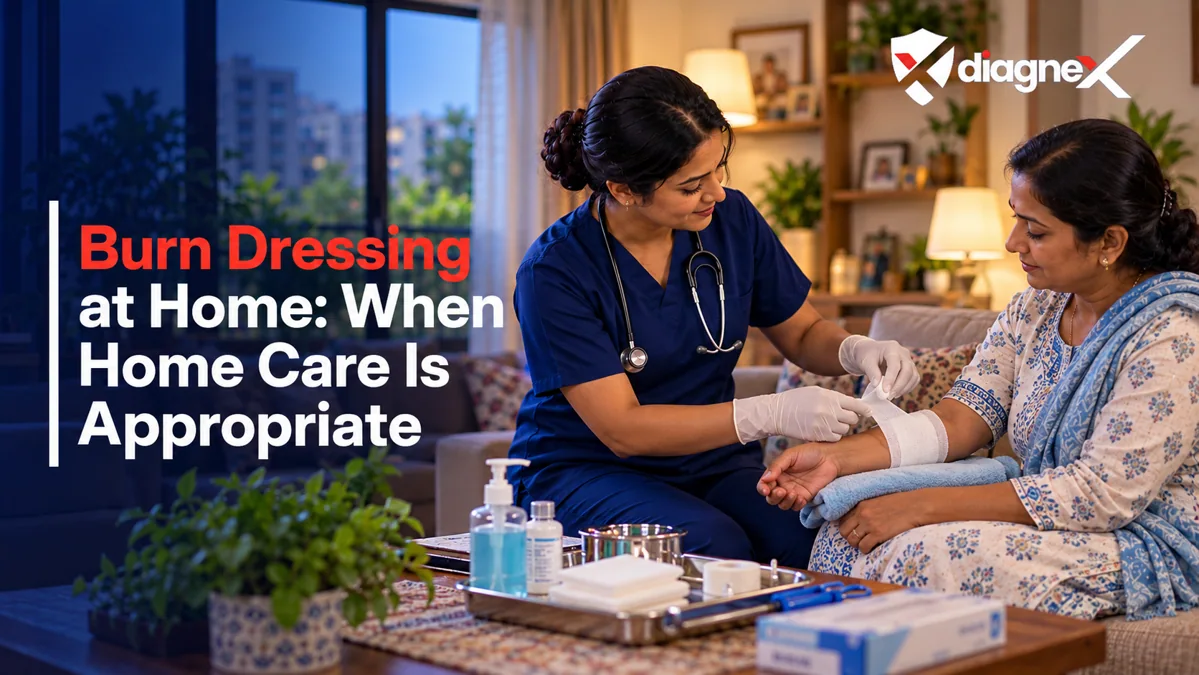
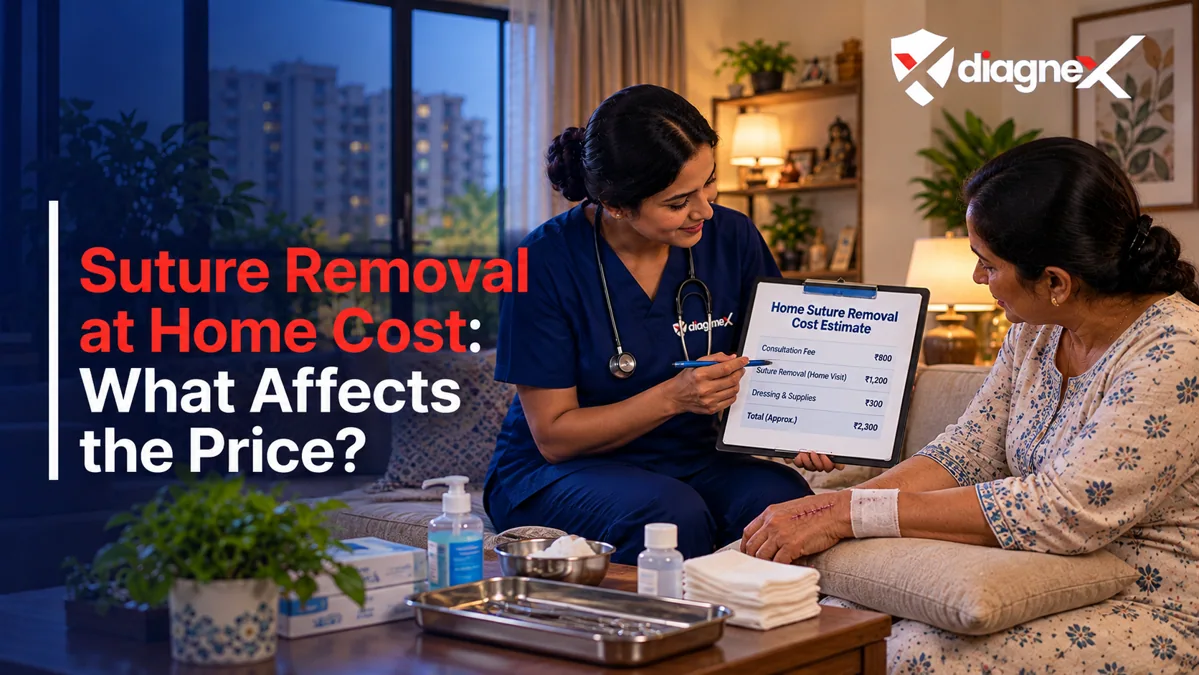
For related context, read Burn Dressing at Home: When Home Care Is Appropriate and Suture Removal at Home Cost: What Affects the Price?.
For related context, read Burn Dressing at Home: When Home Care Is Appropriate and Suture Removal at Home Cost: What Affects the Price?.
The timing is important. Removing stitches too early can allow the wound to reopen. Leaving them in for too long can make removal more difficult and may increase local skin irritation or scarring in some cases.
For this reason, stitch removal at home should not be based only on the number of days since surgery or injury. The wound location, type of procedure, healing progress, infection risk, tension on the wound, and the instructions given by the treating team all matter.
What Is Suture Removal?
Sutures are used to bring wound edges together while healing begins. Some sutures are absorbable and do not need removal. Others are non-absorbable and must be removed after the wound has gained enough strength.
Suture removal involves checking the wound first, cleaning the area as required, cutting the suture material in the correct place, and removing each stitch carefully so that contaminated external material is not unnecessarily pulled through the skin.
Diagnex's Suture and Staple Removal service is the most directly relevant pathway for patients who have been advised to have stitches or staples removed at home.
When Is Suture Removal at Home Appropriate?
Home removal may be suitable when: • the treating professional has advised removal; • the patient is clinically stable; • the wound edges appear closed and supported; • there is no major redness, swelling, pus, bleeding, or wound separation; • the patient has difficulty travelling to a clinic; • the wound location can be accessed safely at home; • the nurse has the required instructions and supplies.
The final decision should depend on the wound, not convenience alone.
When Should Stitches Not Be Removed at Home?
Stitch removal should be delayed or medically reviewed if there are signs that the wound may not be ready.
Examples include: • the wound edges are separating; • there is increasing redness or swelling; • pus-like or foul-smelling drainage is present; • the wound is bleeding; • pain is increasing rather than improving; • fever is present; • the wound is under significant tension; • there is uncertainty about whether the sutures are absorbable; • the surgeon has asked to review the wound before removal.
MedlinePlus advises contacting a healthcare provider if there is redness, pain, pus, fever, wound opening, or if stitches come out too soon. citeturn245474search0
How Long Do Stitches Usually Stay In?
There is no single removal time for every wound. The timing depends on the body area, depth of the wound, surgical procedure, wound tension, blood supply, and healing progress. For more on the practical service arrangements, review surgery dressing at home before deciding what information the care team needs.
Some surgical discharge instructions describe removal around one to two weeks, but other wounds may require earlier or later removal. MedlinePlus notes that non-dissolvable stitches or staples may be removed within a broader range depending on the wound and clinical plan.
The safest approach is to follow the date or review plan provided by the treating clinician rather than using a general internet timetable.
Why the Wound Location Matters
Different parts of the body heal at different rates and experience different amounts of tension and movement.
For example: • facial wounds may heal relatively quickly; • scalp wounds are managed differently from limb wounds; • joints are exposed to repeated movement; • feet and lower legs may heal more slowly in some patients; • abdominal and chest incisions may experience tension with movement or coughing.
This is why stitch removal timing should be individualised.
What Does a Nurse Check Before Removing Sutures?
A nurse should assess the wound before removing any stitch.
The review may include: • whether the wound edges are closed; • redness and swelling; • drainage or odour; • bleeding; • local tenderness; • wound separation; • signs of infection; • whether all sutures are visible and accessible; • whether the removal date matches the treating plan; • whether the patient has diabetes, poor circulation, or another condition that may delay healing.
If the wound does not appear ready, the nurse should not simply continue because the planned removal date has arrived.
What Happens During Suture Removal at Home?
Before the Procedure
The nurse may review the discharge summary, operation details, removal instructions, allergies, wound history, and current symptoms.
A clean and well-lit working area should be prepared. Families can also review the Home Clinical Procedure Safety Checklist for Families before the visit.
During the Procedure
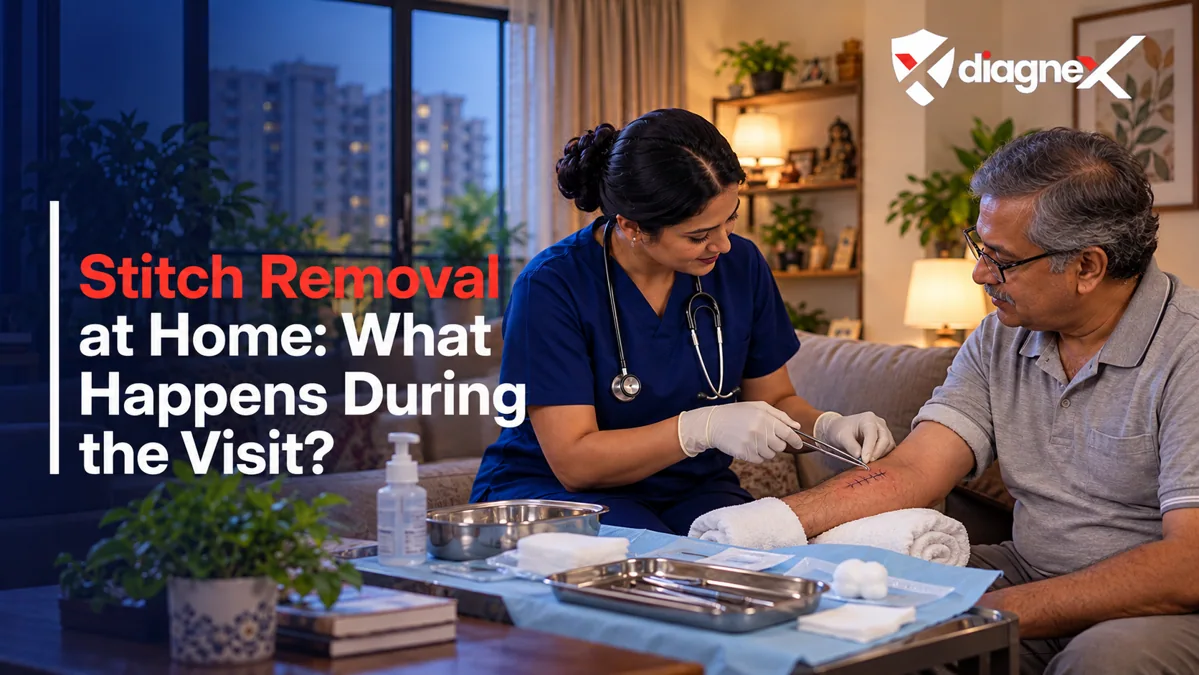
The wound is observed first. The area may be cleaned according to the clinical plan. Each non-absorbable stitch is then cut and removed carefully using appropriate sterile or clean instruments.
The nurse should avoid pulling external contaminated suture material through the wound unnecessarily.
If the wound begins to separate, bleeds unexpectedly, or appears infected, the procedure may need to stop and the treating clinician may need to be contacted.
After the Procedure
After removal, the wound may be left uncovered or supported with adhesive strips or a light dressing depending on the wound and the treating plan.
The patient should know how to protect the area, when bathing is allowed, and which changes need review.
For broader post-operative support, Post-Operative Care at Home may be relevant when the patient needs more than a single procedure visit.
Does Suture Removal Hurt? Most people feel pulling, pinching, or mild discomfort rather than severe pain. Sensation varies with wound location, healing, skin sensitivity, and whether the sutures have become embedded.
Severe pain during removal is not something to ignore. The nurse should pause and reassess rather than forcing the stitch out.
What If the Wound Starts to Open During Removal?
If the wound edges begin to separate, further removal may need to stop. The nurse may support the area temporarily and contact the treating clinician for guidance.
Wound reopening can require adhesive strips, redressing, medical review, or another closure plan depending on the extent. If the family is considering support at home, the Diagnex guide to home nursing explains the service pathway and its limits.
A wound that is already separating before removal should be medically reviewed first.
Can Staples Also Be Removed at Home?
Yes, selected surgical staples can also be removed at home when the treating team has advised removal and the wound is healing appropriately.
Staple removal requires a specific sterile staple remover. It should not be attempted with household tools.
The same safety principles apply: assess the wound first, remove only when appropriate, and stop if there is wound separation, bleeding, or another concern.
What Is the Difference Between Dissolvable and Non-Dissolvable Stitches?
Dissolvable sutures are designed to break down naturally and usually do not need routine removal. Non-dissolvable sutures remain in place until a healthcare professional removes them.
Patients should not assume the stitch type based on colour or appearance. If the discharge instructions are unclear, the treating team should confirm whether removal is required.
The NHS advises patients to ask when and where stitches will be removed, or how long dissolvable stitches are expected to take to dissolve. citeturn245474search2
How Should the Wound Be Cared for Before Suture Removal?
Follow the wound-care instructions provided after surgery or injury.
General principles include: • keeping the area clean; • keeping it dry for the period advised; • changing dressings as instructed; • avoiding pulling or scratching the sutures; • limiting activities that place excessive tension on the wound; • watching for redness, pain, drainage, fever, or wound opening.
MedlinePlus advises keeping sutured wounds clean and dry initially and following the provider's instructions for wound checks and removal. citeturn245474search0
How Should the Wound Be Cared for After Suture Removal?
Even after the stitches are removed, the wound does not immediately regain full strength.
The patient may still need to: • avoid stretching the wound excessively; • keep the area clean; • use adhesive strips if advised; • avoid friction or trauma; • follow bathing instructions; • monitor for reopening or infection.
Activity restrictions should follow the treating surgeon's or doctor's advice.
Warning Signs After Suture Removal
Contact the treating professional if there is: • wound separation; • increasing redness; • swelling; • increasing pain; • pus-like or foul-smelling drainage; • bleeding that does not stop; • fever; • new numbness or tingling; • a sudden change in the patient's general condition.
MedlinePlus specifically advises review for redness, pain, pus, fever, persistent bleeding, numbness, or a wound that splits open. citeturn245474search0
Can Family Members Remove Stitches at Home?
It is safer for non-absorbable suture removal to be performed by a qualified healthcare professional unless the treating clinician has specifically instructed otherwise.
Family members may not be able to judge whether the wound is ready, whether all sutures have been removed, or whether a wound is beginning to separate.
Attempting removal with household scissors or tweezers can also increase contamination and injury risk.
When Is a Home Nurse Helpful for Suture Removal?
A home nurse can be useful when the patient has limited mobility, has recently undergone surgery, needs wound review before removal, or requires dressing support afterward.
For patients who also need repeated medicines, wound care, monitoring, drain care, or mobility assistance, Home Nursing Services may be more appropriate than arranging isolated procedures.
How to Prepare for a Suture Removal Visit
Before the nurse arrives, keep the following ready: • discharge summary or procedure note; • stitch removal date or instructions; • wound location; • current dressing plan; • list of medicines; • allergy information; • details of any redness, swelling, drainage, fever, or increasing pain; • the treating surgeon's or doctor's contact details if available.
Do not remove the dressing early unless instructed if the nurse may need to inspect drainage or wound condition first. For care planning beyond this article, compare wound care at home with the instructions already given by the treating professional.
How to Arrange Suture Removal at Home With Diagnex
If a treating professional has advised suture or staple removal, share the procedure details, wound location, removal date, current wound condition, locality, and any recent symptoms.
Diagnex can review the requirement and route the enquiry to the appropriate Suture and Staple Removal, Clinical Procedures at Home, or nursing pathway based on the procedure, professional requirement, locality, and available clinical information.
For service coordination, use the Diagnex Contact page.
Frequently asked questions
Can stitches be removed at home?
Yes, selected non-absorbable stitches can be removed at home when the treating professional has advised removal and the wound is healing appropriately.
How many days after surgery are stitches removed?
The timing varies by wound location, procedure, healing, and tension on the wound. Follow the date or review plan given by the surgeon or treating clinician.
What happens if stitches are removed too early?
The wound may reopen because it has not gained enough strength. This can delay healing and may require further treatment.
What happens if stitches stay in too long?
Removal may become more difficult, and local irritation or stitch marks may become more noticeable. The correct timing should follow the clinical plan.
Can dissolvable stitches be removed?
They usually do not need routine removal, although a clinician may occasionally trim or manage a remaining suture if it is causing a problem.
Can a nurse remove surgical staples at home?
Yes, selected staples can be removed at home when the wound is ready and the treating team has advised removal.
Should stitches be removed if the wound is red or draining pus?
The wound should be medically reviewed first. Redness, pus, worsening pain, swelling, or fever can indicate infection or poor healing.
References and further reading
This article provides general education and does not replace the removal instructions provided by the treating surgeon or clinician. Clinical points were cross-checked against current MedlinePlus and NHS patient guidance.
Related Diagnex services and guides
Explore the Clinical Procedures service pathway and the Clinical Procedures article library for more information.
Diagnex publishes general healthcare information to support care planning. Individual decisions about diagnosis, prescriptions and treatment remain with the treating professional. Read our medical content policy and editorial standards.