Yes, selected cancer patients can receive high-dependency or critical-care-level support at home, but only when the treating oncology and medical teams consider the patient stable enough for care outside hospital and the required support can be delivered safely.
For related context, read Critical Care at Home for COPD Patients and Neuro Critical Care at Home: What It Can Involve.
For related context, read Critical Care at Home for COPD Patients and Neuro Critical Care at Home: What It Can Involve.
The purpose of home critical care varies. Some patients are recovering from a serious complication or hospital stay and need step-down nursing, oxygen, wound care, mobility support or rehabilitation. Others have advanced cancer and need palliative critical care focused on comfort, symptom relief, dignity and the patient's own goals.
Home critical care does not replace emergency oncology, surgery, radiology, blood transfusion, invasive procedures or hospital treatment for unstable complications. The safest model is a patient-specific home plan connected to the oncology team and a clear route back to hospital when necessary.
What Can Critical Care at Home Mean for a Cancer Patient?
There is no single standard cancer home ICU package.
A patient may need frequent nursing observation, oxygen, respiratory equipment, complex medicines, wound or drain care, catheter support, pressure-area prevention, feeding support, pain control, mobility assistance or palliative symptom management.
The Home ICU pathway may be relevant when a medically stable patient still needs advanced nursing or equipment at home.
The First Question Is Whether the Patient Is Stable Enough for Home
A cancer diagnosis alone does not determine suitability for home critical care.
The treating team should consider the current complication, vital signs, oxygen needs, infection risk, bleeding risk, level of consciousness, pain, mobility, nutrition, devices and how quickly the patient could deteriorate.
A patient who still needs rapid diagnostics, transfusion, surgery, invasive procedures or continuous hospital-level intervention should remain in hospital.
Cancer-Related Emergencies Still Belong in Hospital
Some complications require urgent hospital assessment regardless of whether the person usually receives care at home.
Examples include severe breathing difficulty, major bleeding, new neurological weakness, collapse, suspected sepsis, uncontrolled vomiting with dehydration, rapidly worsening confusion or severe pain that cannot be controlled with the home plan.
Home critical care should make escalation more organised, not create a reason to delay it.
Palliative Care Can Be Part of Cancer Critical Care at Home
Palliative care is especially important for people with advanced cancer who have complex symptoms or a high care burden.
The 2024 ASCO palliative-care guideline recommends early involvement of specialist palliative care for patients with advanced solid tumours and hematologic malignancies, particularly when physical, psychosocial or spiritual distress is present.
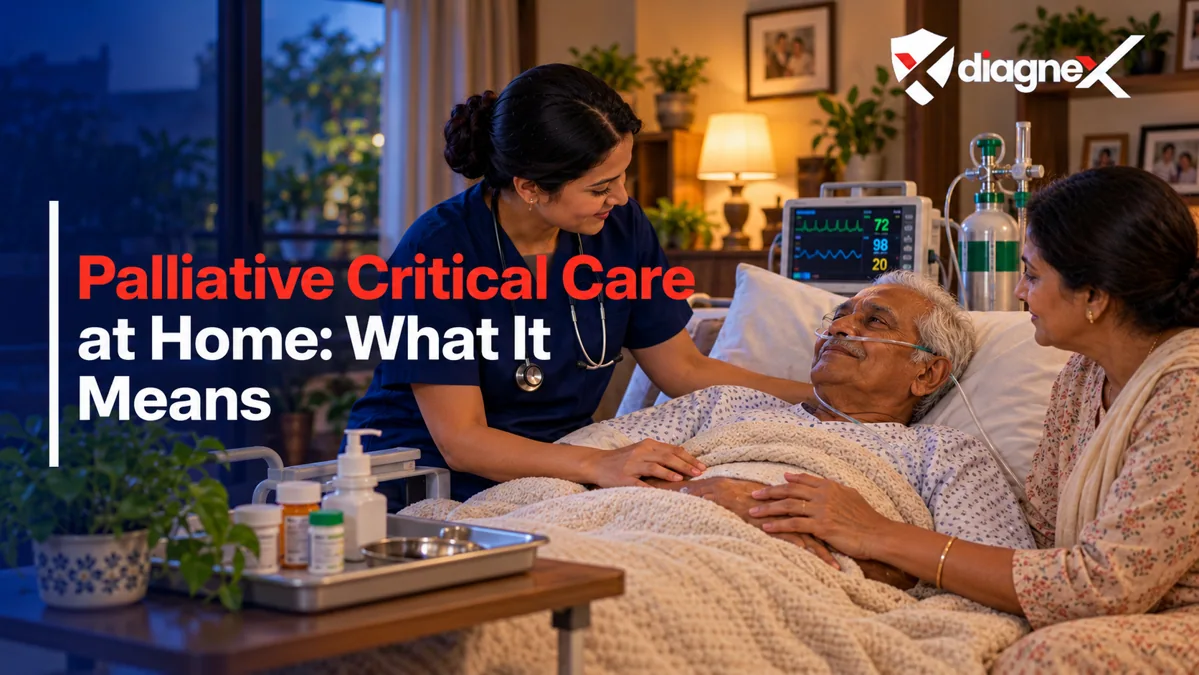
Palliative Critical Care at Home: What It Means explains how symptom relief, active treatment and goals-of-care decisions can be combined in the home setting.
Palliative Care Does Not Mean All Cancer Treatment Stops
A patient can receive palliative care while continuing cancer-directed or life-prolonging treatment.
The important question is whether each treatment still matches the person's goals and offers meaningful benefit relative to its burden.
For some patients, the home plan focuses on recovery and continued oncology treatment. For others, the emphasis shifts toward comfort and reducing repeated hospital admissions.
Goals of Care Should Be Clear to the Home Team
The patient, family and treating clinicians should agree on what the home-care plan is trying to achieve.
This may include maintaining comfort, completing rehabilitation, continuing selected treatment, avoiding unnecessary hospitalisation, staying alert enough to interact with family, or remaining at home through the end of life.
Nurses and caregivers should not have to make major escalation decisions without written clinical guidance.
Infection Risk Can Be Higher During Cancer Treatment
Chemotherapy and some other cancer treatments can reduce white blood cells and make infections more dangerous.
The National Cancer Institute warns that infections during cancer treatment can be life-threatening and require urgent medical attention. Signs can include fever, chills, cough, sore throat, diarrhea, urinary symptoms, mouth sores or redness around a catheter.
The patient's oncology team should provide the exact fever and infection instructions that apply to the current treatment cycle. For more on the practical service arrangements, review home nursing before deciding what information the care team needs.
Fever During Neutropenia Should Not Be Watched Casually at Home
A patient who is neutropenic may deteriorate quickly from infection even when early symptoms seem mild.
NCI identifies a temperature of 38°C or higher as a possible sign of infection during cancer treatment and advises contacting the healthcare team for infection symptoms.
Families should follow the oncology team's emergency instructions rather than waiting for the fever to rise further.
Sepsis Requires Urgent Escalation
Cancer patients can be at increased risk of severe infection because of treatment, catheters, wounds, low white-cell counts or the cancer itself.
Rapid breathing, low blood pressure, new confusion, marked weakness, reduced urine output or rapidly worsening infection symptoms can indicate serious deterioration.
A home ICU plan cannot safely substitute for hospital sepsis treatment when the patient is unstable.
Central Lines and Ports Need Careful Observation
Many cancer patients use a port, PICC line or another central venous catheter for treatment.
The home team should follow the oncology service's line-care protocol. Redness, swelling, pain, drainage, fever or difficulty using the line should be reported promptly.
Line flushing, dressing changes and medication administration should be performed only by trained personnel according to the prescribed protocol.
Bleeding Risk May Change During Treatment
Cancer treatment can lower platelet counts or affect clotting.
The National Cancer Institute advises patients to report persistent bleeding, blood in urine or stool, vomiting blood, severe headache, vision change, confusion or unusual sleepiness when thrombocytopenia is a concern.
Major or uncontrolled bleeding requires urgent hospital assessment.
Blood Clot Risk Is Also Increased in Cancer
Cancer and some cancer treatments increase the risk of venous thromboembolism.
The CDC identifies cancer, hospitalisation, surgery, chemotherapy, hormonal therapy, catheters and prolonged immobility among risk factors for blood clots.
New one-sided limb swelling, chest pain, sudden breathlessness, coughing blood or collapse needs urgent medical assessment.
Breathlessness Can Have Many Causes in Cancer
Breathlessness may result from infection, pleural effusion, pulmonary embolism, anaemia, heart problems, tumour effects, lung involvement or treatment-related injury.
This is why increasing breathlessness should not automatically be treated by simply turning up the oxygen.
The cause matters because some complications require drainage, imaging, transfusion, anticoagulation or other hospital treatment.
Oxygen Support Should Be Prescribed
Some cancer patients need oxygen because of documented hypoxaemia, lung disease, pneumonia or other respiratory complications.
The flow, device and target should be prescribed by the treating team. A rising oxygen requirement is a reason for reassessment.
Respiratory Care at Home may be relevant when oxygen, suction, NIV or other respiratory support is part of the home plan.
Pleural Effusion May Need More Than Oxygen
Cancer can cause fluid to collect around the lungs, which may worsen breathlessness.
A patient with increasing breathlessness, chest discomfort or a rapidly rising oxygen need may require hospital or specialist assessment to determine whether pleural drainage or another intervention is needed.
Home oxygen does not remove pleural fluid or treat its cause.
New Facial or Neck Swelling With Breathlessness Needs Prompt Review
Some cancers can compress major veins in the chest and cause swelling of the face, neck or arms along with cough or breathlessness.
The National Cancer Institute describes these as important features of superior vena cava syndrome.
New upper-body swelling with respiratory symptoms should be reported promptly because imaging and cancer-specific treatment may be required.
Pain Control Is Central to Cancer Care at Home
Cancer pain may arise from the tumour, bone disease, nerve involvement, surgery, wounds or treatment side effects.
The home plan should include regular pain assessment, scheduled medicines where prescribed, rescue treatment for breakthrough pain and a route to clinical review when pain changes.
Uncontrolled new pain can sometimes signal a complication rather than simply progression of known cancer.
Opioid Medicines Require a Clear Plan
Opioids can be appropriate for cancer pain and, in some palliative situations, severe breathlessness.
The dose, timing, rescue dose and side-effect plan should be prescribed. Constipation, drowsiness and nausea may need active management.
Families should not independently increase doses or combine sedating medicines when symptoms are worsening.
New Back Pain With Weakness Can Be an Oncological Emergency
Cancer can sometimes compress the spinal cord.
New severe back pain accompanied by limb weakness, numbness, difficulty walking or new bladder or bowel dysfunction requires urgent medical assessment.
These symptoms should not be managed at home as ordinary cancer pain because delayed treatment can lead to permanent neurological damage.
Nausea and Vomiting Can Become a Critical-Care Problem
Cancer, chemotherapy, bowel obstruction, medicines, infection and metabolic problems can all cause nausea or vomiting.
A patient who is repeatedly vomiting may become dehydrated, lose the ability to take essential medicines or develop aspiration risk.
Persistent vomiting with abdominal distension, severe pain, confusion or reduced urine output needs prompt review. If the family is considering support at home, the Diagnex guide to bedridden patient care at home explains the service pathway and its limits.
Nutrition Goals Should Match the Stage of Illness
Some cancer patients need intensive nutritional support during treatment or recovery, while others with advanced illness may have reduced appetite despite appropriate care.
The oncology and nutrition teams should decide whether the goal is rebuilding strength, maintaining weight, supporting treatment tolerance or primarily promoting comfort.
Families should avoid forcing food when eating causes distress, choking or significant nausea.
Swallowing Problems Need Assessment
Head and neck cancers, neurological complications, surgery, weakness or radiation effects can make swallowing difficult.
Coughing during meals, repeated choking, a wet voice, recurrent chest infection or prolonged mealtimes should prompt review.
If oral intake is unsafe, the treating team should guide texture changes, tube feeding or other options.
Feeding Tubes Can Continue at Home
Some patients return home with a nasogastric or gastrostomy tube.
The plan should specify feed, water, medicines, positioning, tube care and what to do if the tube blocks or becomes displaced.
Family members should not attempt tube replacement or use improvised methods to clear a blockage.
Wounds and Tumour-Related Skin Problems May Need Skilled Care
Cancer patients may have surgical wounds, pressure injuries, radiation-related skin damage or fungating wounds.
The goals may include healing, infection control, pain relief, odour control, bleeding control and protecting surrounding skin.
Home Nursing may be relevant when regular wound care, dressings or other skilled clinical procedures are required.
Drains and Stomas Need a Written Care Plan
A patient may leave hospital with a surgical drain, nephrostomy, biliary drain, chest drain or stoma depending on the cancer and treatment.
Each device has different care requirements and warning signs.
Sudden loss of drainage, heavy bleeding, dislodgement, new severe pain, fever or rapidly increasing leakage should be reported according to the specialist plan.
Anaemia Can Worsen Fatigue and Breathlessness
Cancer and treatment can cause anemia.
Marked fatigue, dizziness, palpitations or breathlessness may prompt blood testing and, in selected cases, transfusion or other treatment.
A home ICU cannot substitute for blood transfusion when the oncology team determines that hospital or transfusion-centre treatment is needed.
Kidney Function and Electrolytes May Need Follow-Up
Cancer treatment, dehydration, infection, urinary obstruction and the cancer itself can affect kidney function and electrolytes.
Some patients need scheduled blood tests after discharge.
Reduced urine output, worsening confusion, persistent vomiting, marked weakness or increasing swelling should be reported.
Delirium and Confusion Should Not Be Dismissed
New confusion can be caused by infection, medicines, dehydration, high calcium, low oxygen, organ dysfunction, brain involvement or other complications.
In advanced cancer, delirium can also occur near the end of life.
The clinical team should decide which causes should be investigated and treated according to the patient's goals and overall condition.
Mobility Can Decline After Cancer Treatment or ICU
Weakness may follow prolonged admission, surgery, chemotherapy, infection, weight loss or critical illness.
Patients may need help with transfers, walking, bathing and toileting even when the main cancer complication is improving.
Patient Care at Home may be relevant when the person needs substantial help with daily activities in addition to clinical nursing.
Pressure-Injury Prevention Matters in Bedbound Patients
A very weak or bedbound cancer patient may be at high risk of pressure injury.
The plan may include a pressure-relieving mattress, regular skin inspection, repositioning, moisture management and nutritional support.
Bedridden Patient Care at Home may be relevant when extensive positioning, hygiene and pressure-area support are needed.
Rehabilitation Can Still Matter in Cancer Care
Cancer rehabilitation can focus on strength, transfers, walking, fatigue management, breathing, function and independence.
Rehabilitation goals should match the person's prognosis, treatment plan and priorities.
Even in advanced cancer, rehabilitation can sometimes help a patient transfer more safely, spend time out of bed or reduce caregiver burden.
Home Critical-Care Nursing Should Match the Actual Risks
The nurse may need skills in oxygen support, central-line care, wound care, feeding tubes, drains, catheters, symptom assessment, pain medicines, pressure care and recognising oncology emergencies.
General nursing experience alone may not cover every oncology-specific task.
The care plan should state which procedures can safely be done at home and which require the oncology centre or hospital.
Not Every Cancer Patient Needs 24-Hour Nursing
A patient recovering after a complication may need scheduled skilled visits plus family support, while another patient may need continuous nursing because of respiratory support, severe weakness or complex palliative symptoms.
The nursing level should reflect current dependency and risk rather than the cancer stage alone.
Care intensity should be reviewed as the patient's condition changes.
A Doctor Should Remain Involved in Home Critical Care
The home nursing team needs a clinician who can review new symptoms, adjust medicines, interpret test results and decide when hospital care is required.
Doctor at Home may be relevant for selected home medical reviews when clinically appropriate and available, but oncology-specific decisions should remain connected to the treating oncology team.
Families should know which clinician to call during routine hours and which service covers urgent problems. For care planning beyond this article, compare medical equipment on rent with the instructions already given by the treating professional.
Home Critical Care Should Remain Connected to Oncology
Home care does not replace scheduled oncology review, imaging, blood tests or cancer treatment.
The oncology team should remain informed about major changes, new symptoms, infection, bleeding, worsening pain or changes in treatment tolerance.
A clear handover reduces the risk that home care and cancer treatment become disconnected.
Family Caregivers Need Clear Boundaries
Families can help with meals, positioning, communication, basic mobility and observation, but they should not be expected to perform procedures they have not been trained to do.
Complex line care, injections, suction, medication changes and device management may require professional support.
Palliative-care teams can also support family caregivers when the emotional or practical burden becomes high.
When Hospital Transfer Should Still Be Considered
Urgent hospital assessment is needed for: • fever or rapidly worsening infection symptoms during cancer treatment, especially when neutropenia is possible; • severe or rapidly worsening breathlessness; • a rapidly increasing oxygen requirement; • major or uncontrolled bleeding; • new severe back pain with weakness, numbness or bladder or bowel dysfunction; • new confusion, severe drowsiness or collapse; • chest pain, coughing blood or signs of pulmonary embolism; • persistent vomiting with dehydration or inability to take essential medicines; • severe uncontrolled pain despite the prescribed rescue plan; • new facial or neck swelling with significant breathing difficulty; • failure of essential respiratory or medical equipment when safe support cannot be maintained.
The individual oncology and palliative-care plan should always take priority.
When Remaining at Home May Be the Intended Plan
For a patient receiving comfort-focused palliative care, some deterioration may be expected and may not automatically trigger hospital transfer.
The response should follow the documented goals of care. Severe distress still requires urgent clinical attention, but the palliative team may manage symptoms at home when hospital treatment would not match the patient's preferences.
This distinction should be discussed before a crisis rather than decided for the first time during one.
A Practical Cancer Critical-Care-at-Home Checklist
Families can confirm: • The oncology team agrees that home care is appropriate. • The current cancer status and active treatment plan are documented. • Infection and fever instructions are written down. • Blood-count, bleeding and transfusion follow-up needs are clear. • Oxygen and respiratory-support instructions are documented when relevant. • Pain and rescue-medicine plans are available. • Central lines, drains, stomas, wounds or feeding tubes have specific care instructions. • Nutrition and swallowing needs have been assessed. • Mobility, pressure-care and rehabilitation needs are coordinated. • Palliative-care goals have been discussed when relevant. • Nursing competencies and staffing levels are confirmed. • Required equipment has been installed and tested. • Backup power and oxygen are available when essential. • Oncology follow-up, blood tests and imaging are scheduled. • Emergency contacts and hospital-transfer arrangements are written down. • Family caregivers know which symptoms require immediate escalation.
How to Arrange Critical Care at Home for a Cancer Patient With Diagnex
To plan cancer patient critical care at home, share the oncology discharge plan, current diagnosis and treatment status, oxygen needs, medicines, infection risk, blood-count concerns, pain plan, lines or drains, wound and feeding needs, mobility, nursing requirements, equipment needs, palliative-care goals if applicable and locality.
Diagnex can review whether the requirement fits Home ICU, Home Nursing, Patient Care at Home, Bedridden Patient Care at Home, Respiratory Care at Home, Doctor at Home or another appropriate care pathway based on the treating team's plan and the patient's current stability. Exact staffing, equipment and service availability are confirmed for the specific locality and care requirement.
For service coordination, use the Diagnex Contact page.
Frequently asked questions
Can a cancer patient receive critical care at home?
Yes, selected medically stable patients can receive high-dependency nursing and equipment support at home when the oncology and treating teams agree that the required care can be delivered safely outside hospital.
Is home critical care only for terminal cancer?
No. It may be used for step-down recovery after a serious complication, support during advanced illness, or palliative and end-of-life care depending on the patient's condition and goals.
Can cancer treatment continue while a patient receives palliative care?
Yes. Palliative care can be provided alongside cancer-directed treatment when that treatment remains appropriate and matches the patient's goals.
Why is fever important during cancer treatment?
Some cancer treatments cause neutropenia, which can make infections dangerous very quickly. Fever or other infection symptoms should be managed according to the oncology team's urgent-care instructions.
When is 24-hour nursing needed for a cancer patient?
It may be needed when the patient has continuous respiratory support, complex devices, severe weakness, high symptom burden or frequent clinical needs that cannot be managed safely with intermittent visits.
Can oxygen be provided at home to a cancer patient?
Yes, when it is prescribed for a defined clinical need. Rising oxygen requirements or worsening breathlessness should prompt reassessment because cancer-related breathlessness has many possible causes.
When should a cancer patient receiving home critical care return to hospital?
Severe breathlessness, fever with possible neutropenia, major bleeding, collapse, new neurological deficits, suspected blood clot, uncontrolled pain or another sudden major deterioration should trigger urgent assessment according to the oncology and palliative-care plan.
References and further reading
This article provides general education and does not replace an oncologist, palliative-care specialist, treating doctor or hospital discharge plan. Clinical points were cross-checked against the 2024 ASCO Palliative Care for Patients With Cancer guideline update, current National Cancer Institute guidance on infection and neutropenia and on treatment-related bleeding, and current CDC guidance on cancer-associated venous thromboembolism.
Related Diagnex services and guides
Explore the Home ICU service pathway and the Home ICU article library for more information.
Diagnex publishes general healthcare information to support care planning. Individual decisions about diagnosis, prescriptions and treatment remain with the treating professional. Read our medical content policy and editorial standards.