
Clinical Procedures: guides for patients and families.
Browse Diagnex Clinical Procedures articles on injections, IV care, nursing procedures, infection control and home treatment safety.
Find answers to common care questions.
50 articles · Page 2 of 5
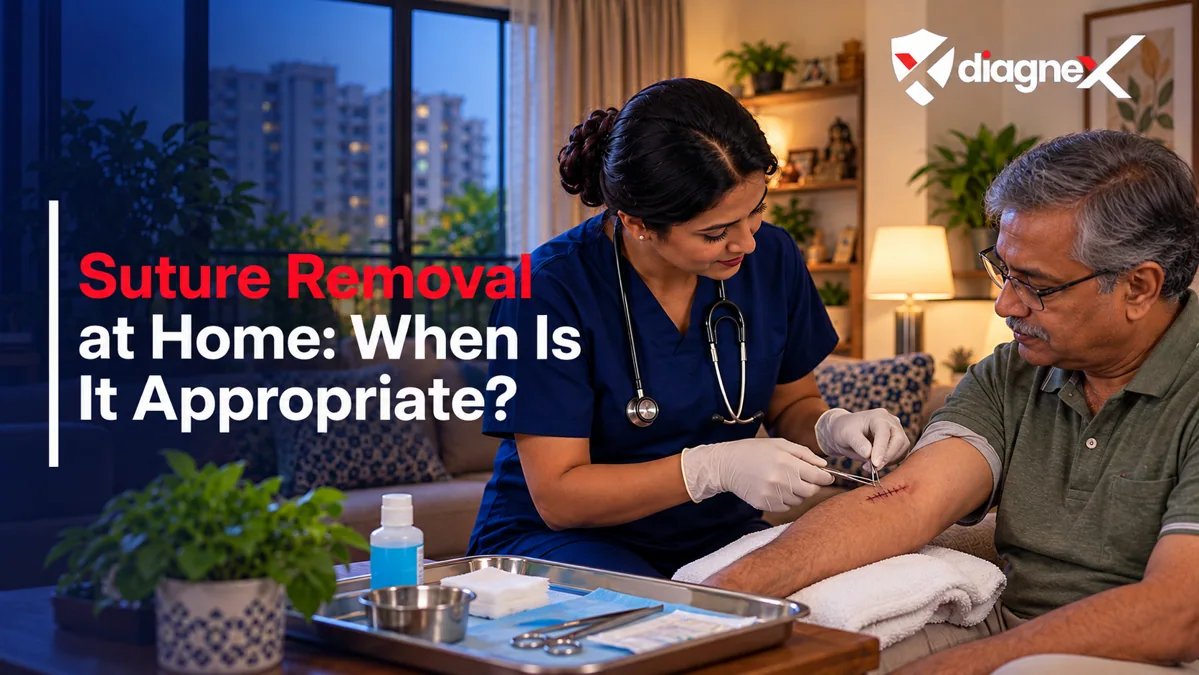
Suture Removal at Home: When Is It Appropriate?
Suture removal at home can be appropriate when the wound is healing well, the treating doctor or surgeon has advised that the stitches can be removed, and a qualified healthcare professional is available to perform the procedure safely.
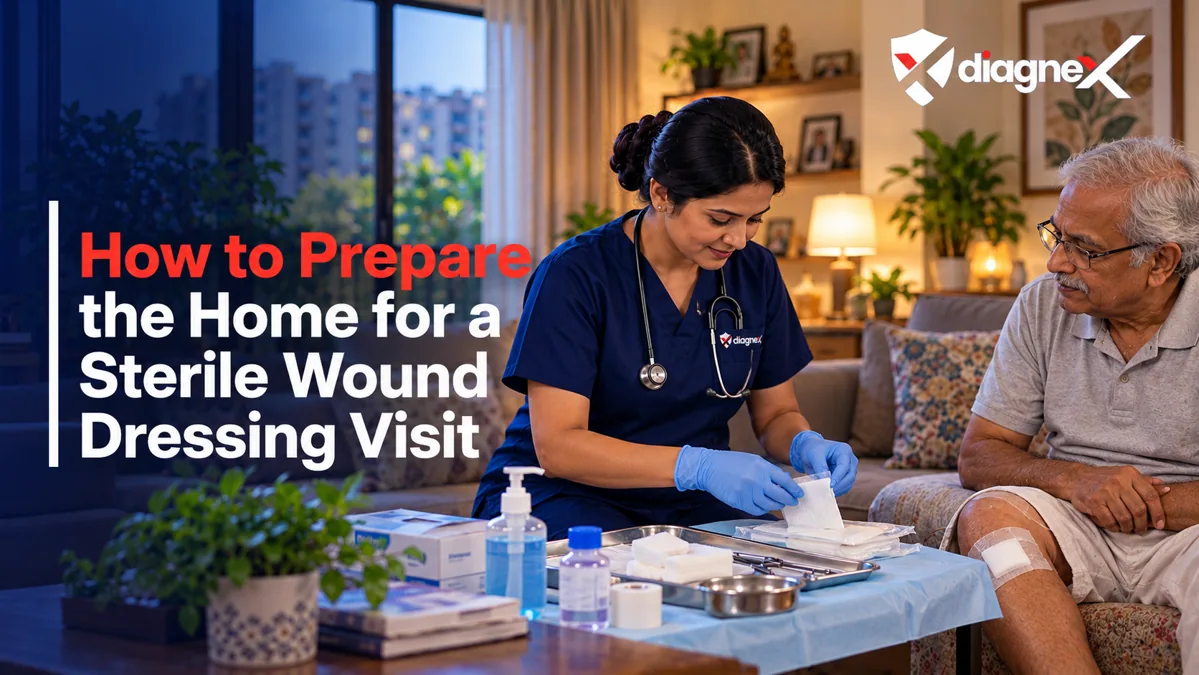
How to Prepare the Home for a Sterile Wound Dressing Visit
Preparing the home before a wound dressing visit can make the procedure safer, more efficient, and less stressful for the patient and family. The goal is not to turn the home into a hospital. It is to create a clean, organised area where the nurse can work without unnecessary interruptions or contam
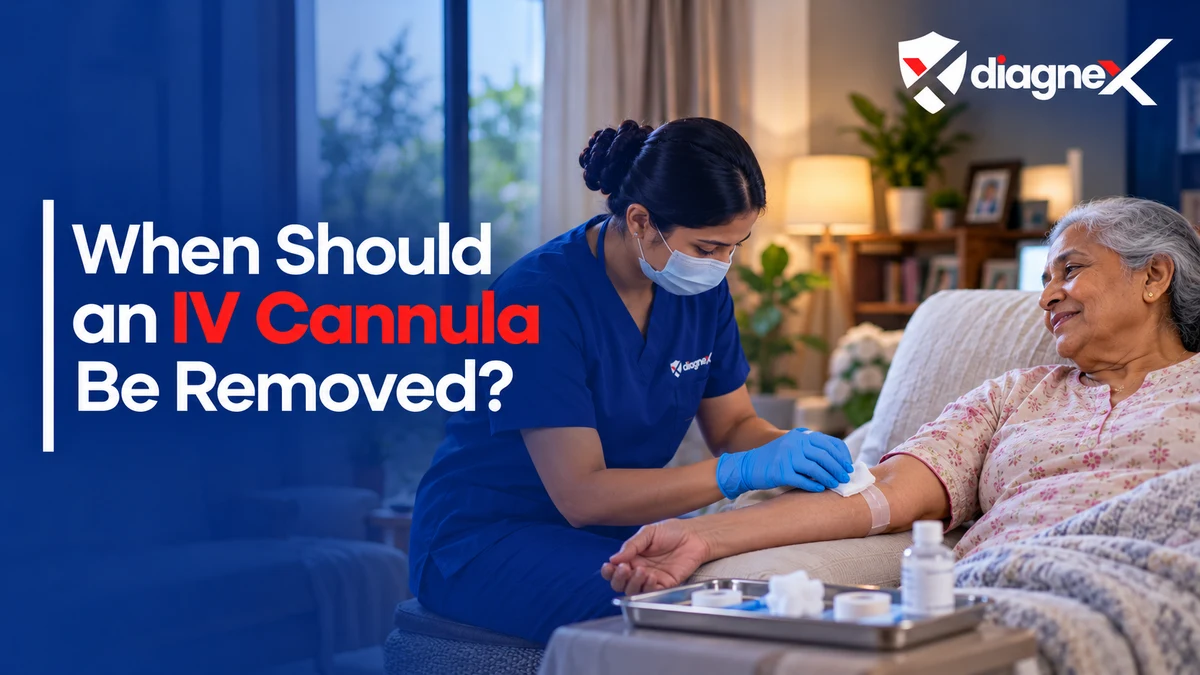
When Should an IV Cannula Be Removed?
An IV cannula should be removed when it is no longer clinically needed, when the prescribed IV treatment is complete, or when the cannula develops a problem such as pain, phlebitis, suspected infection, infiltration…
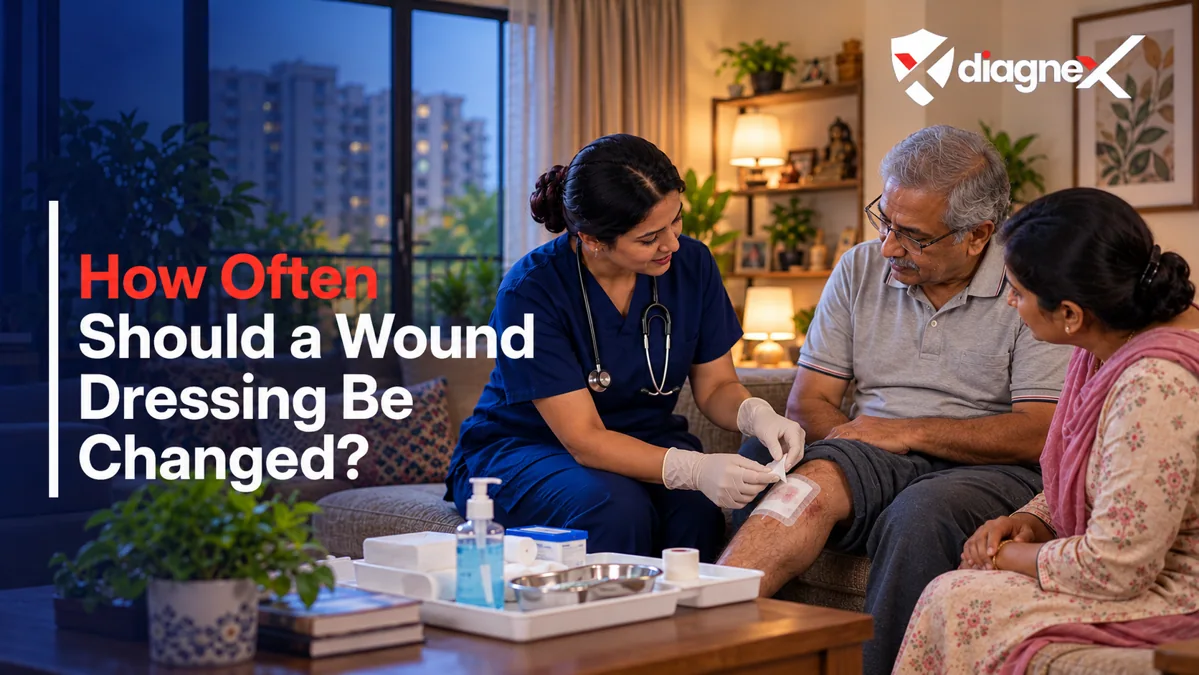
How Often Should a Wound Dressing Be Changed?
There is no single dressing schedule that is correct for every wound. Some wounds need daily dressing, while others can remain covered for several days depending on the dressing product, amount of drainage, wound type, infection risk, and the treating professional's instructions.

Wound Dressing at Home Cost: What Influences the Price?
The cost of wound dressing at home can vary significantly because not every wound requires the same level of nursing time, dressing material, frequency of visits, or clinical supervision. A simple post-procedure dressing may be relatively straightforward, while a deep bedsore, diabetic foot wound, i
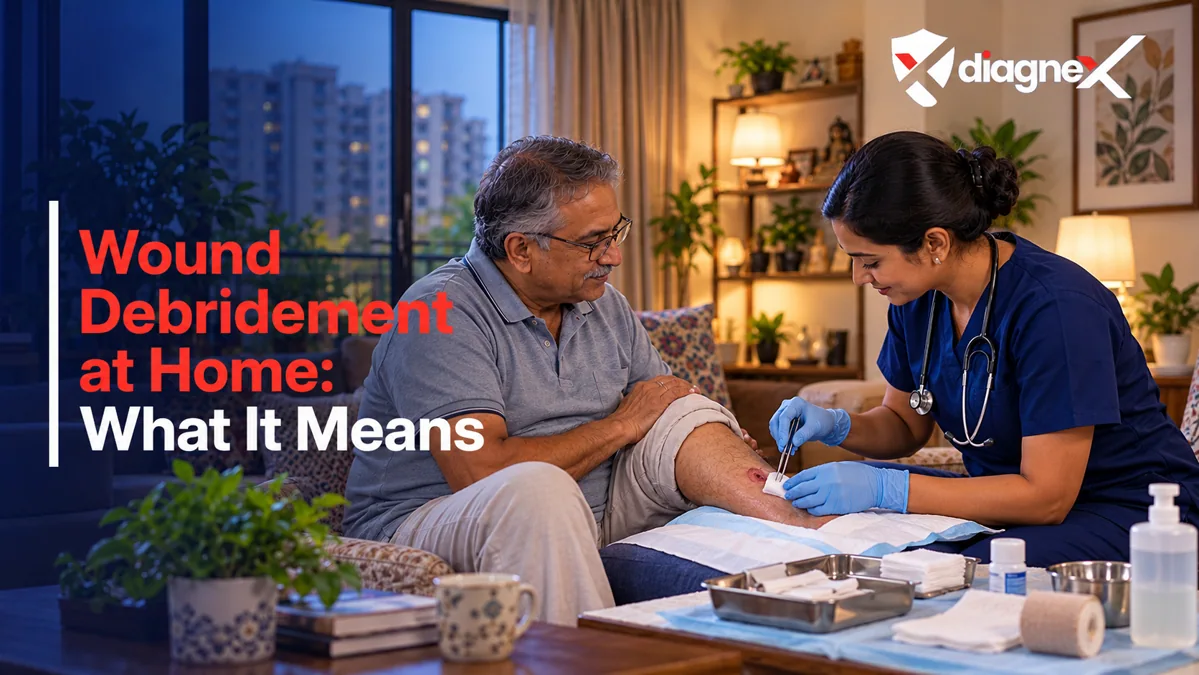
Wound Debridement at Home: What It Means
Wound debridement is the removal of dead, damaged, or contaminated tissue from a wound so that the wound can be assessed more clearly and managed appropriately. It is used in selected wounds, not every wound, and it should be performed only when there is a clear clinical reason.

Infected Wound Dressing at Home: Warning Signs That Need Medical Review
An infected wound needs more than a fresh bandage. Dressing can protect the wound, manage drainage, and support an existing treatment plan, but it does not by itself treat the underlying infection.
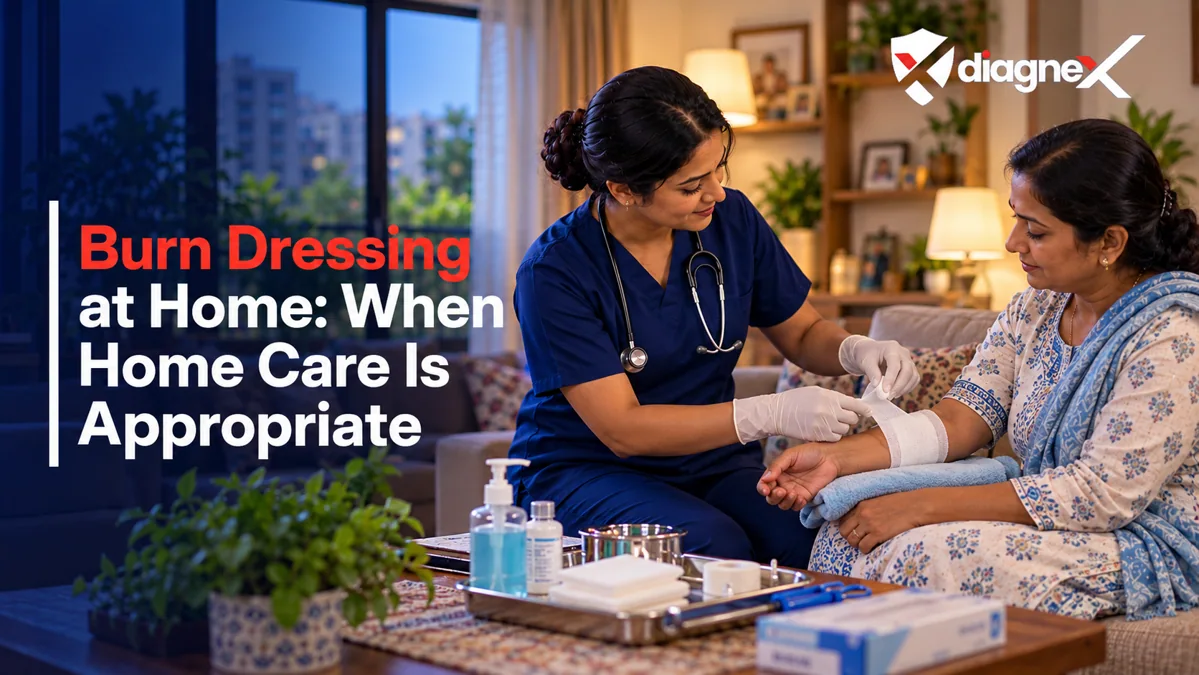
Burn Dressing at Home: When Home Care Is Appropriate
A burn may look simple at first, but the depth, size, location, cause, and the patient's general condition all affect how it should be managed. Some small, superficial burns can heal with basic home care, while deeper or more extensive burns need medical assessment and, in some cases, specialist bur

Diabetic Foot Dressing at Home: Why Regular Wound Review Matters
A foot wound in a person with diabetes needs more than a clean dressing. Diabetes can affect sensation, circulation, immunity, and wound healing, which means a small blister, cut, or ulcer may worsen without causing the amount of pain a person would normally expect.
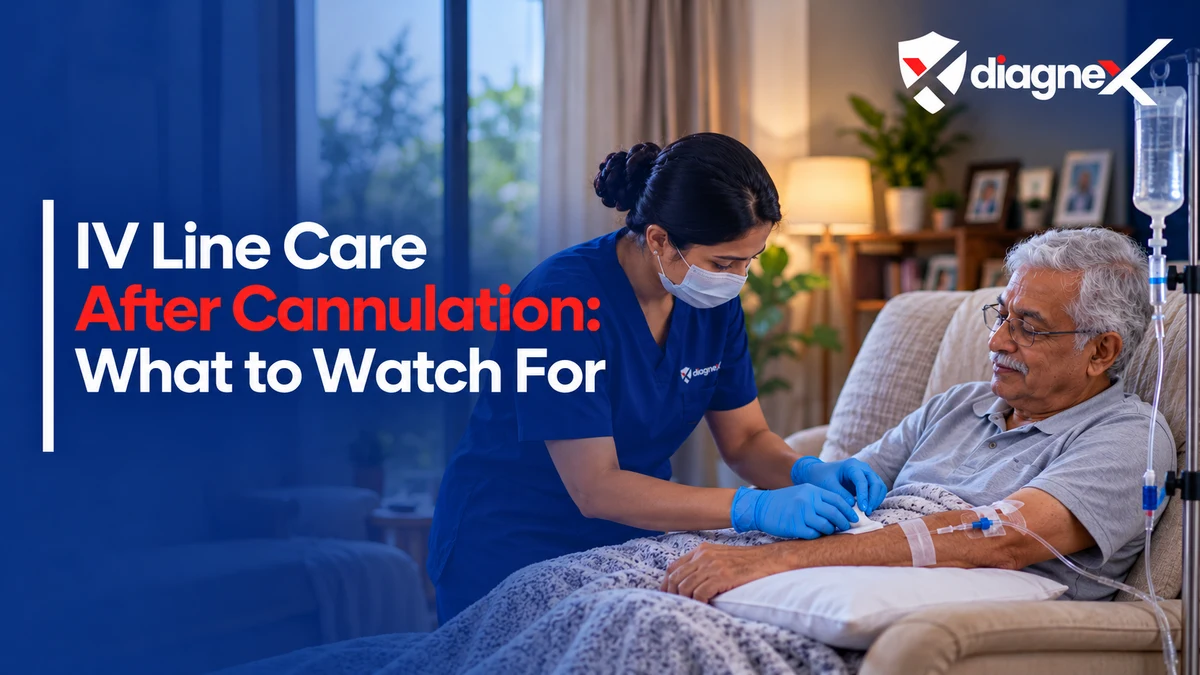
IV Line Care After Cannulation: What to Watch For
IV line care at home begins after the cannula has been inserted.

Long-Duration IV Infusions at Home: What Families Should Plan
A long-duration IV infusion at home can allow selected patients to receive prescribed medicine, fluids or nutrition over several hours - or sometimes continuously - without remaining in hospital for the full treatment.

Iron Infusion at Home: What Requires Clinical Review?
An iron infusion at home may be considered for selected patients with a confirmed need for intravenous iron, but it requires more clinical review than a routine saline drip or simple nurse IV visit.
