
Home ICU articles.
Browse Diagnex Home ICU articles on suitability, setup, equipment, safety, post-ICU recovery and advanced care planning at home.
All Home ICU guides.

Home ICU Equipment Rental Cost: What Affects Pricing?
Home ICU equipment rental cost depends on much more than the name of the machine. The same type of equipment can cost differently depending on rental duration, city, model, clinical specification, availability, delivery, installation, deposits, service support, consumables and whether backup equipme

What Is Included in a Home ICU Package?
A home ICU package is not one fixed bundle that suits every patient. It is a patient-specific combination of equipment, nursing, clinical support, supplies and coordination designed around the treating doctor's plan and the level of care that can be delivered safely at home.
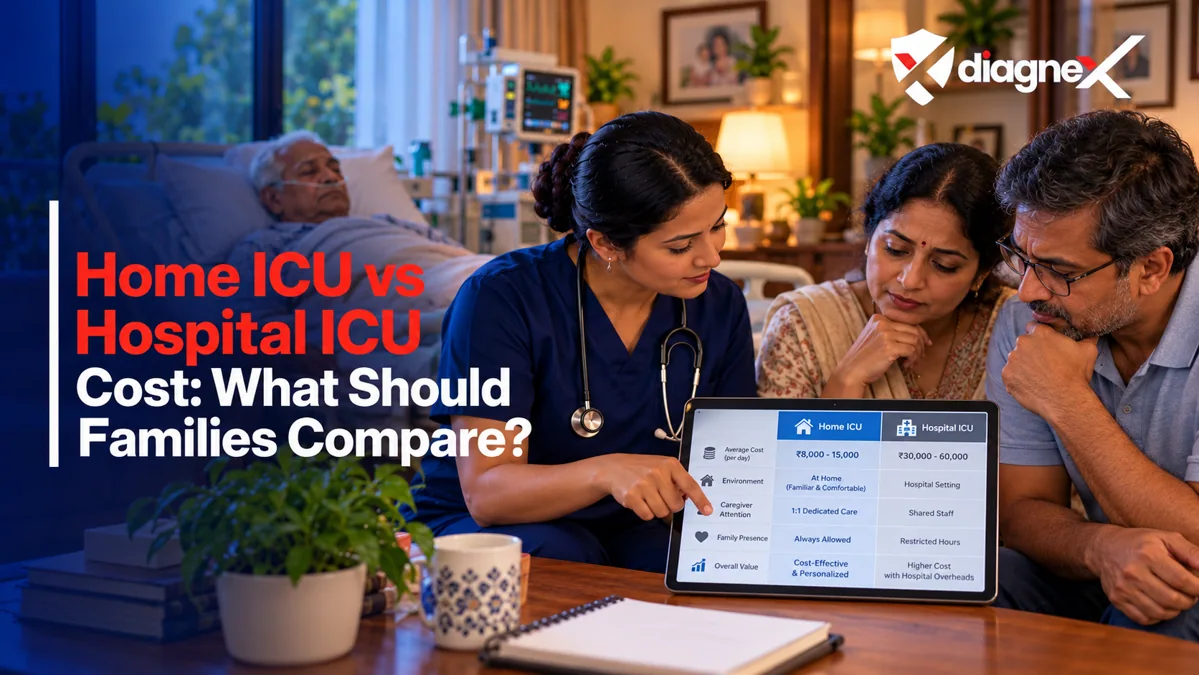
Home ICU vs Hospital ICU Cost: What Should Families Compare?
Comparing home ICU cost vs hospital ICU cost is not as simple as comparing one daily room charge with one monthly equipment package.
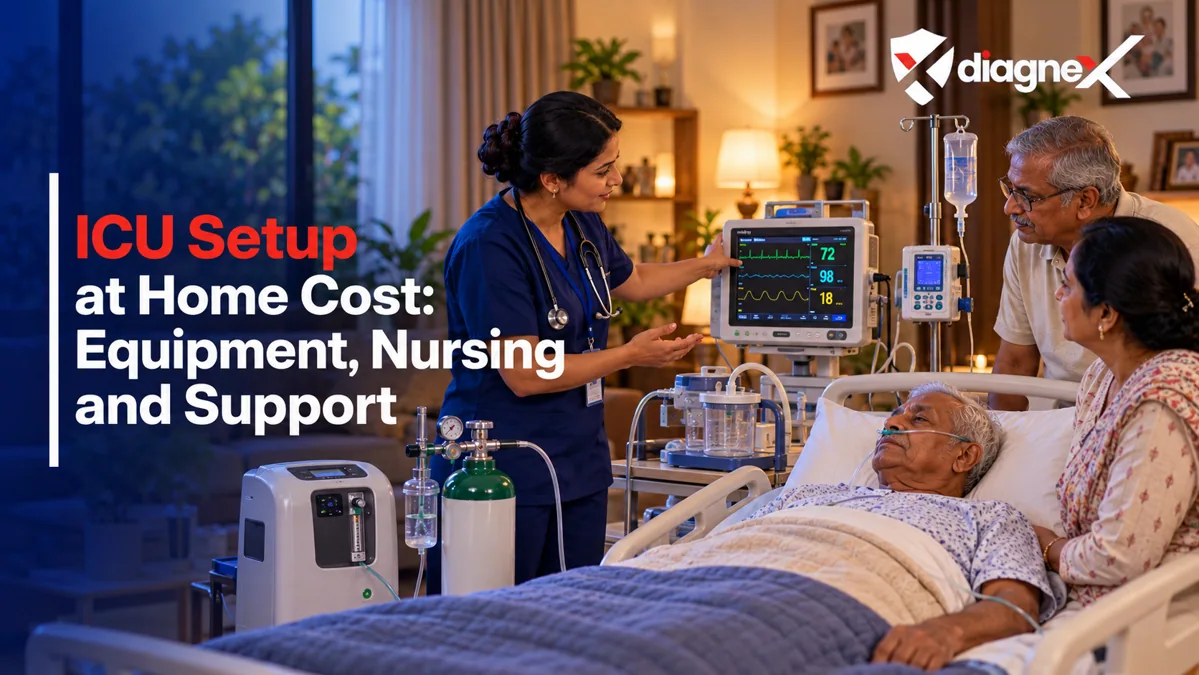
ICU Setup at Home Cost: Equipment, Nursing and Support
ICU setup at home cost is made up of more than equipment rental. The final amount usually combines the hospital bed, monitoring, oxygen or ventilatory support, suction, infusion equipment, nursing, doctor or physiotherapy visits, consumables, delivery, setup, taxes and any deposits.
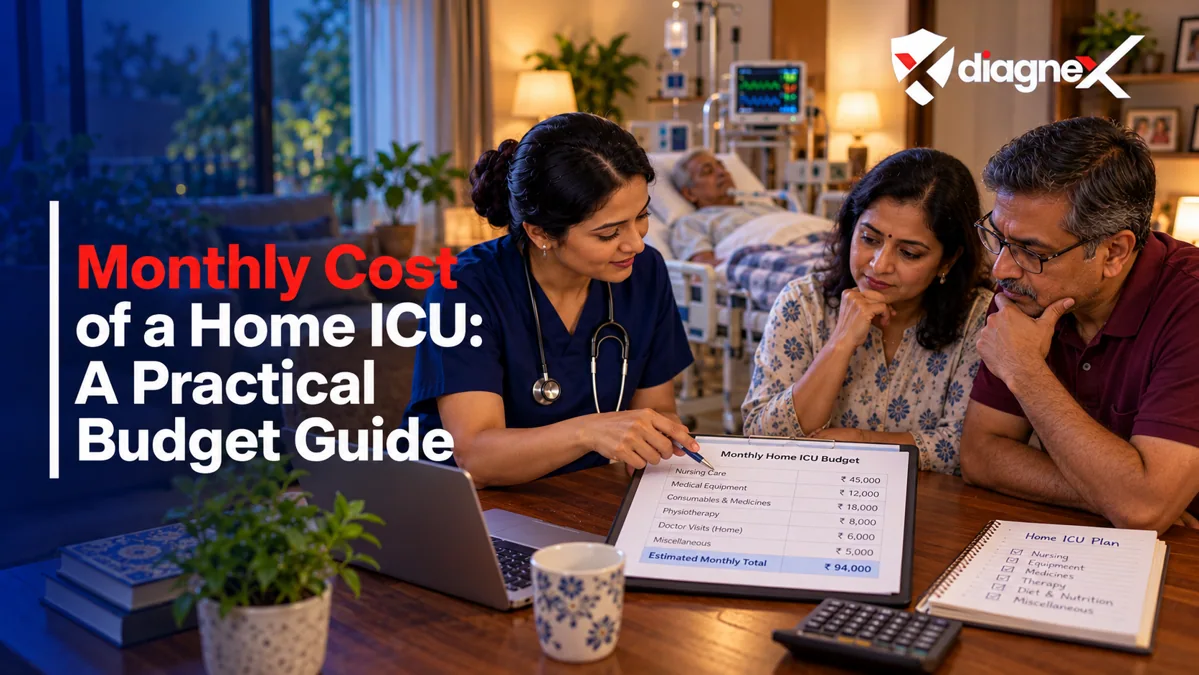
Monthly Cost of a Home ICU: A Practical Budget Guide
The monthly amount depends on the patient's nursing hours, staff skill level, equipment, respiratory support, consumables, doctor visits, rehabilitation, tests, city, taxes and how the care plan changes during the month.
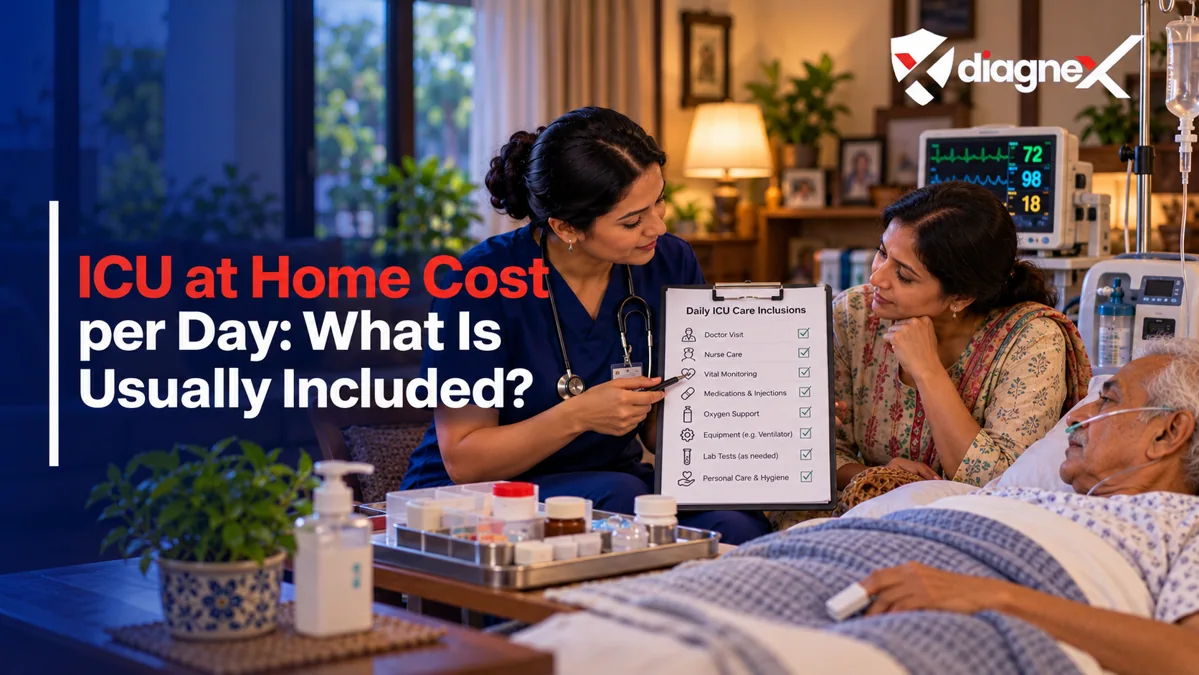
ICU at Home Cost per Day: What Is Usually Included?
ICU at home cost per day is not one fixed tariff because the daily amount depends on nursing intensity, equipment, respiratory support, consumables, city and how long the setup is booked.

Home ICU Cost in India: What Determines the Price?
Home ICU cost in India is not one fixed daily or monthly number because the final price depends on the patient's clinical needs, nursing hours, equipment, respiratory support, consumables, location and duration of care.

Can Critical Care Be Provided at Home for Cancer Patients?
Yes, selected cancer patients can receive high-dependency or critical-care-level support at home, but only when the treating oncology and medical teams consider the patient stable enough for care outside hospital and the required support can be delivered safely.

Palliative Critical Care at Home: What It Means
Palliative critical care at home is a care approach for people with serious or life-limiting illness who still have complex medical needs but whose care plan gives strong priority to comfort, dignity, symptom relief and the person's own goals.
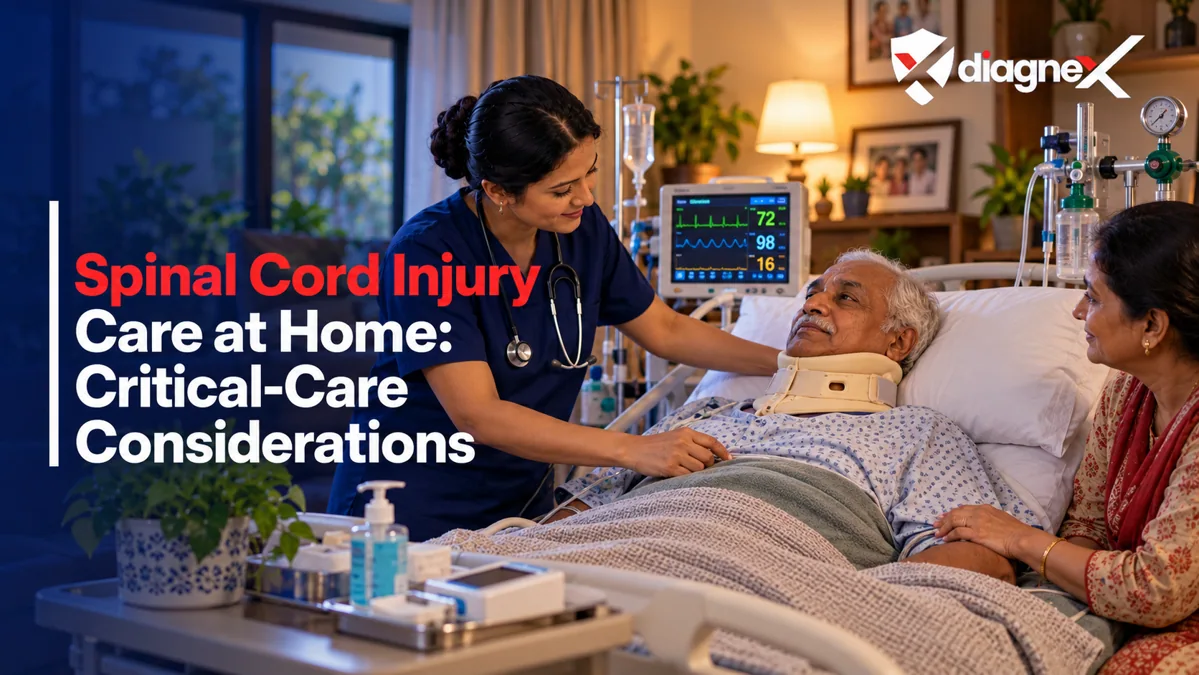
Spinal Cord Injury Care at Home: Critical-Care Considerations
Spinal cord injury care at home can range from rehabilitation and assistance with daily activities to high-dependency nursing, respiratory support, catheter care, bowel management, pressure-injury prevention and emergency monitoring.
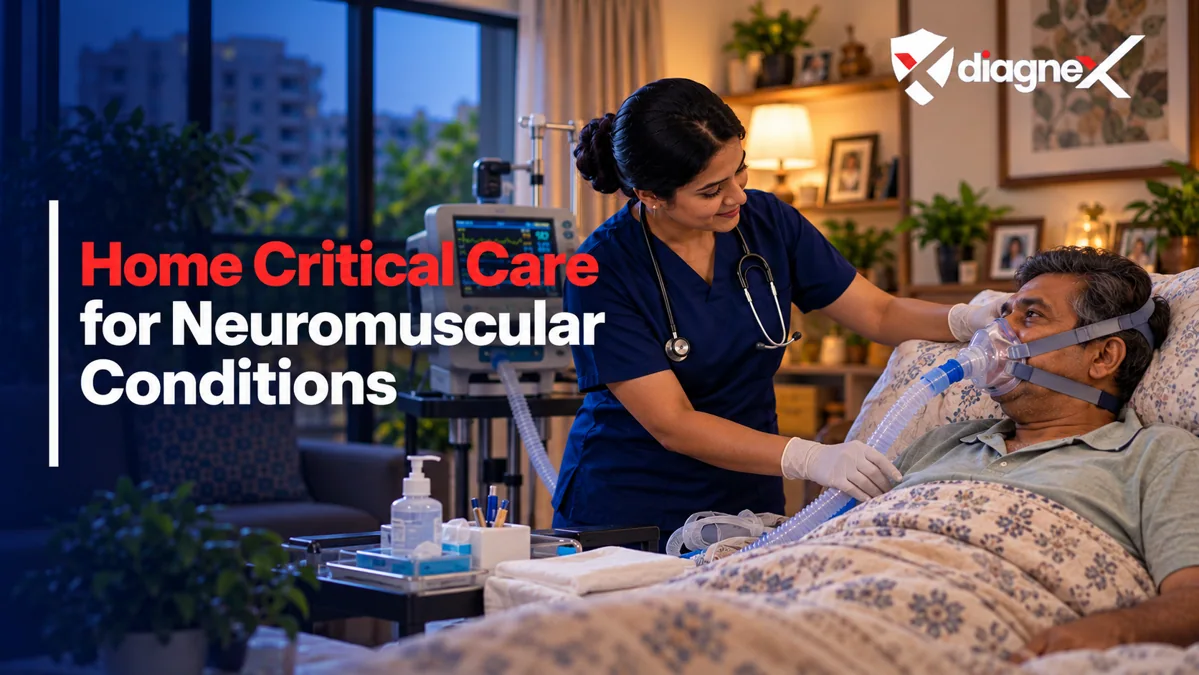
Home Critical Care for Neuromuscular Conditions
Home critical care for neuromuscular conditions can involve long-term respiratory support, skilled nursing, secretion management, feeding support, mobility assistance and emergency planning for people whose breathing muscles have become weak.
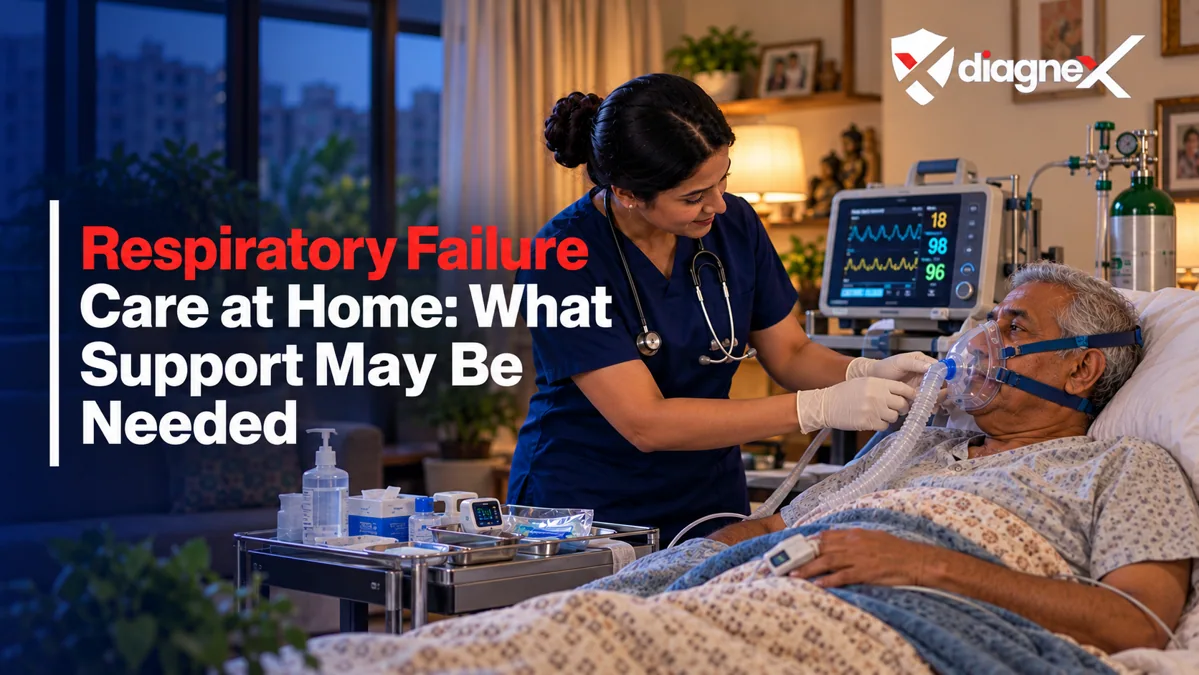
Respiratory Failure Care at Home: What Support May Be Needed
Respiratory failure care at home can be considered only for selected patients whose condition is stable enough for treatment outside hospital and whose respiratory support plan has already been defined by the treating team.

Critical Care at Home for COPD Patients
Critical care at home for a person with chronic obstructive pulmonary disease can be appropriate only in selected situations. The patient should be sufficiently stable for care outside hospital, and the respiratory plan should be defined by the treating pulmonologist or hospital team.

Home ICU After Sepsis: Recovery Needs at Home
Home ICU after sepsis may be considered for selected patients who are stable enough to leave hospital but still need more medical, nursing or rehabilitation support than routine home recovery.

Home ICU After Severe Pneumonia: What Families Should Discuss
Home ICU after severe pneumonia may be considered for selected patients who are stable enough to leave hospital but still need more respiratory and nursing support than ordinary home recovery.

Home ICU After Major Surgery: A Step-Down Care Guide
Home ICU after major surgery can be considered for selected patients who are stable enough to leave hospital but still need more clinical support than ordinary home recovery.
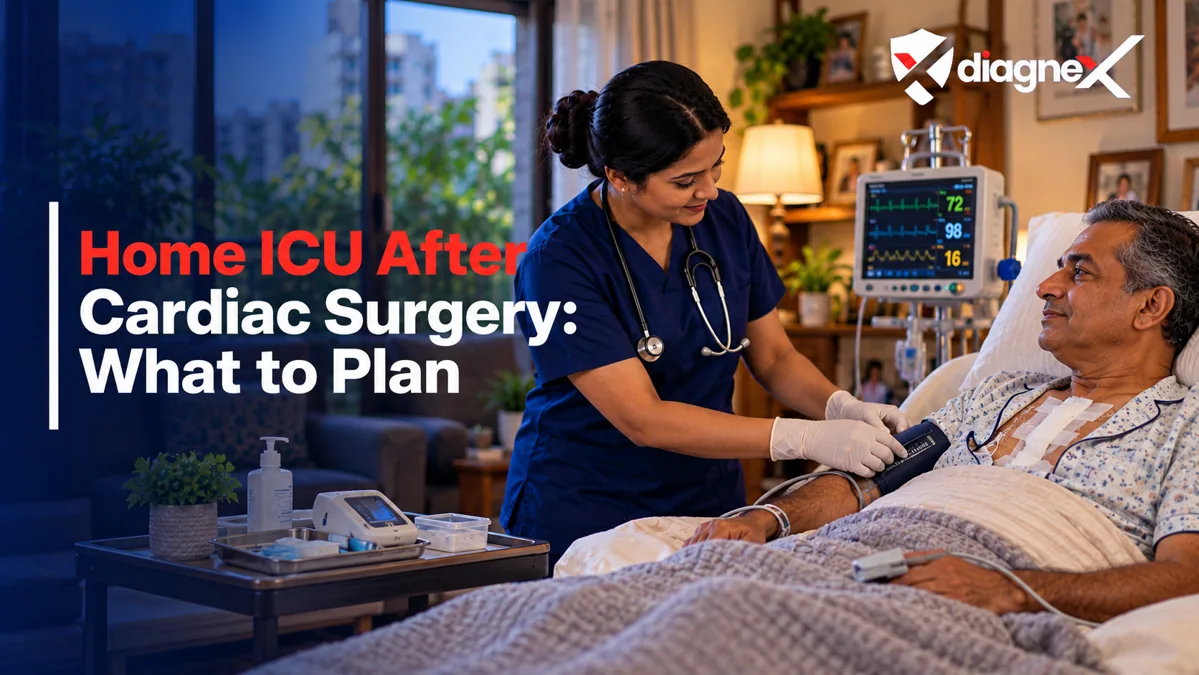
Home ICU After Cardiac Surgery: What to Plan
Home ICU after cardiac surgery may be considered for selected patients who are stable enough to leave hospital but still need substantial nursing, monitoring, oxygen, wound care, medication support or rehabilitation at home.

Neuro Critical Care at Home: What It Can Involve
Neuro critical care at home describes a high-dependency home-care arrangement for selected patients recovering from serious neurological illness or injury who are stable enough to leave hospital but still need substantial nursing, monitoring, respiratory support, medical devices or rehabilitation.
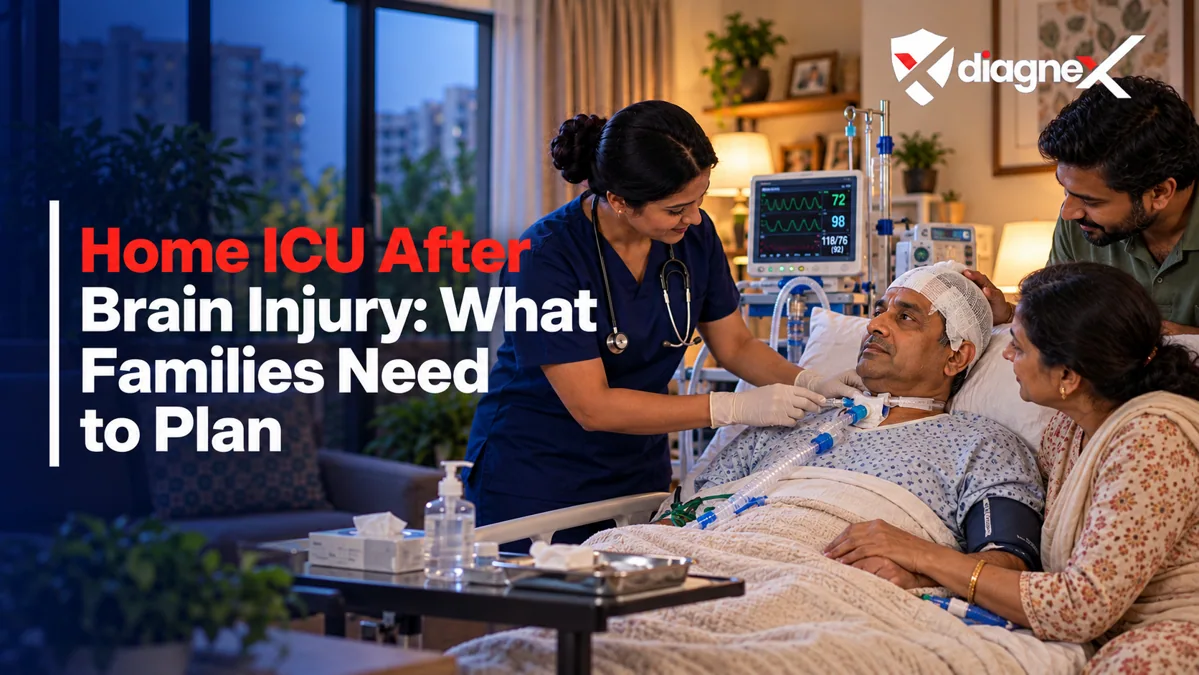
Home ICU After Brain Injury: What Families Need to Plan
A home ICU after brain injury is not appropriate for a patient who is still neurologically unstable or needs emergency imaging, neurosurgery, intracranial-pressure management or rapid changes in treatment. New loss of consciousness, worsening responsiveness, repeated vomiting, new weakness, unequal
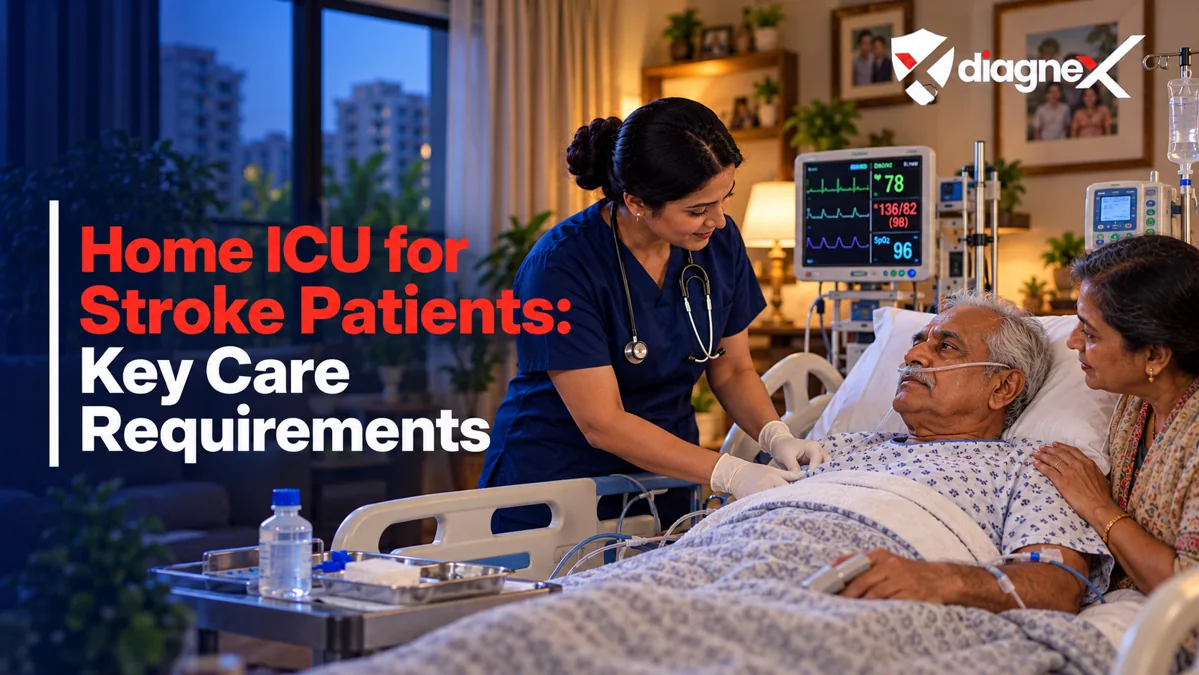
Home ICU for Stroke Patients: Key Care Requirements
A home ICU for a stroke patient is not the right setting for an acute stroke or a person whose neurological condition is still unstable. New facial weakness, arm or leg weakness, speech difficulty, severe new headache, loss of consciousness, seizures, worsening breathing or a sudden change in respon
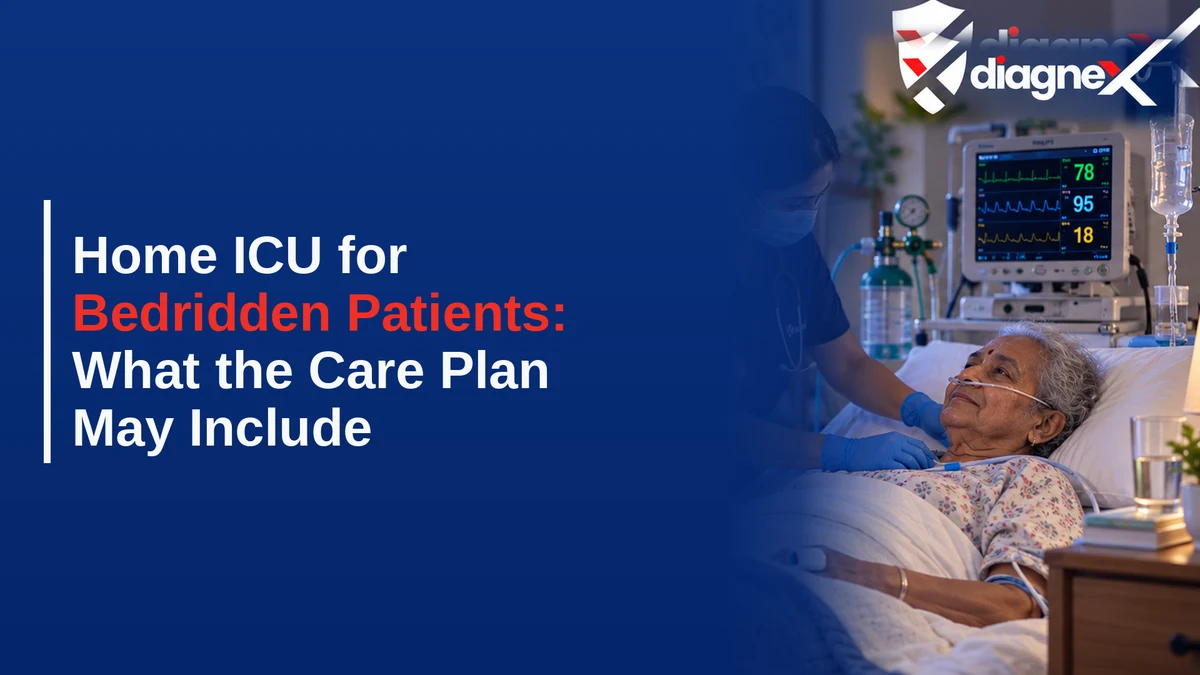
Home ICU for Bedridden Patients: What the Care Plan May Include
A bedridden patient may need much more than a medical bed at home. Limited mobility can affect skin health, breathing, nutrition, hygiene, circulation, toileting, comfort and the person's ability to respond if something…
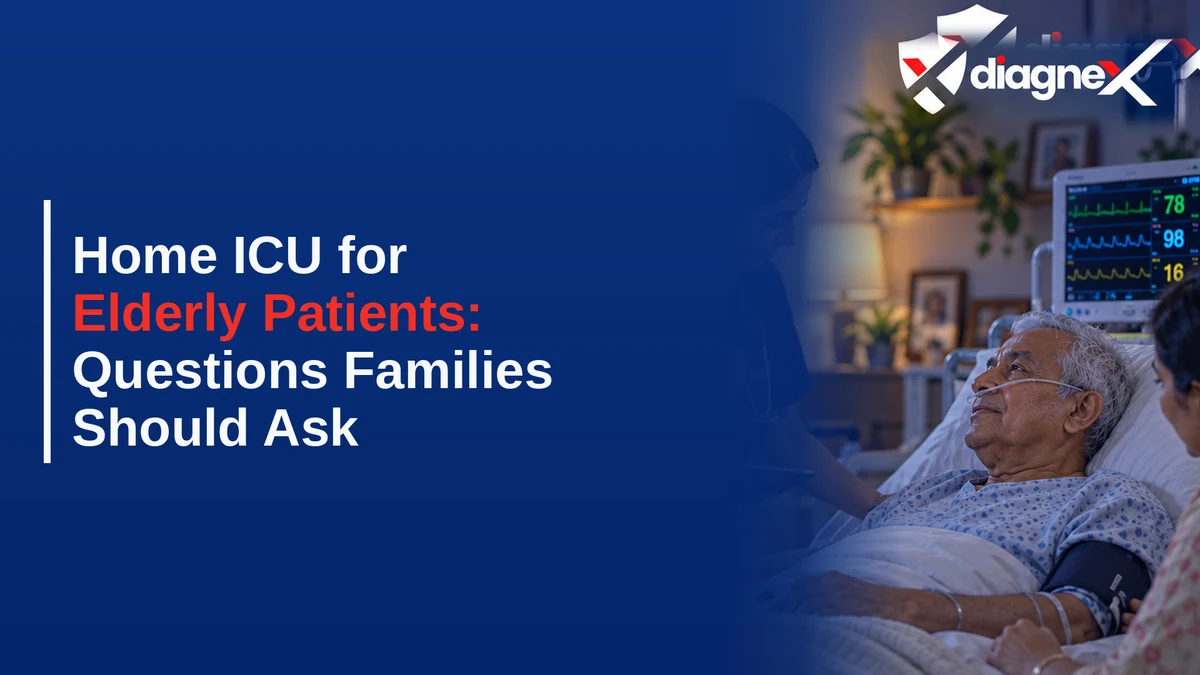
Home ICU for Elderly Patients: Questions Families Should Ask
When an older adult remains medically dependent after an ICU stay or serious illness, families may be asked to consider whether advanced care can continue at home. A home ICU for elderly patients may be appropriate for…
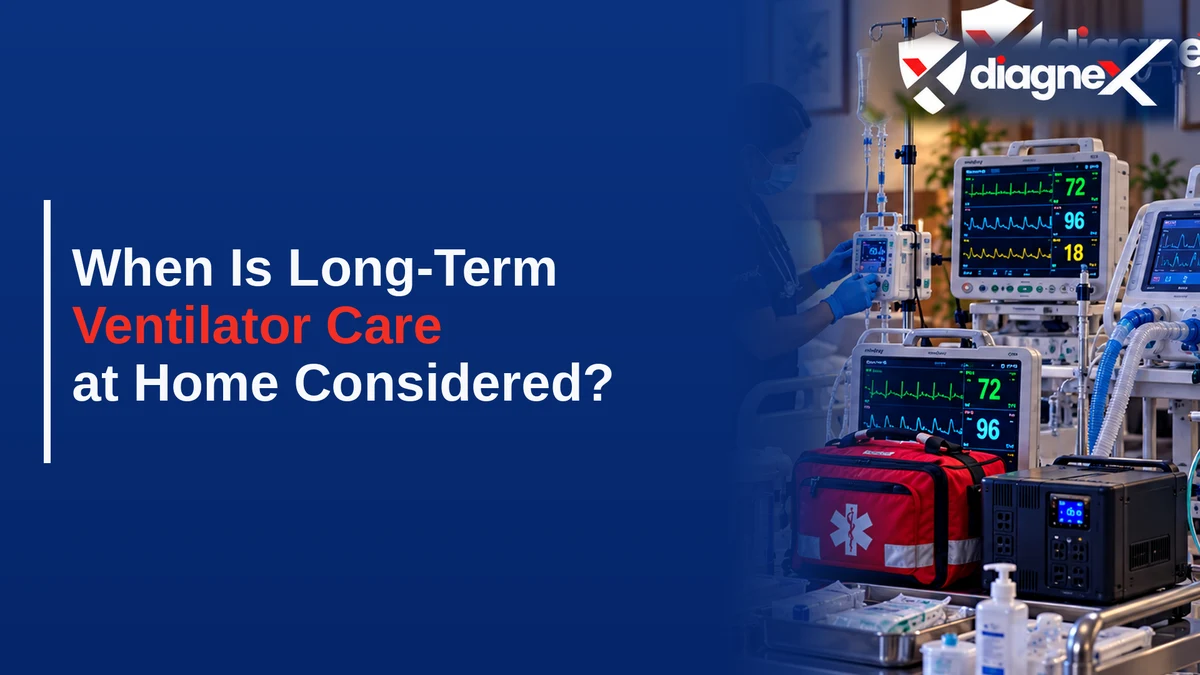
When Is Long-Term Ventilator Care at Home Considered?
Long-term ventilator care at home may be considered for selected patients who continue to need mechanical or other prescribed ventilatory support after the acute hospital phase has passed.
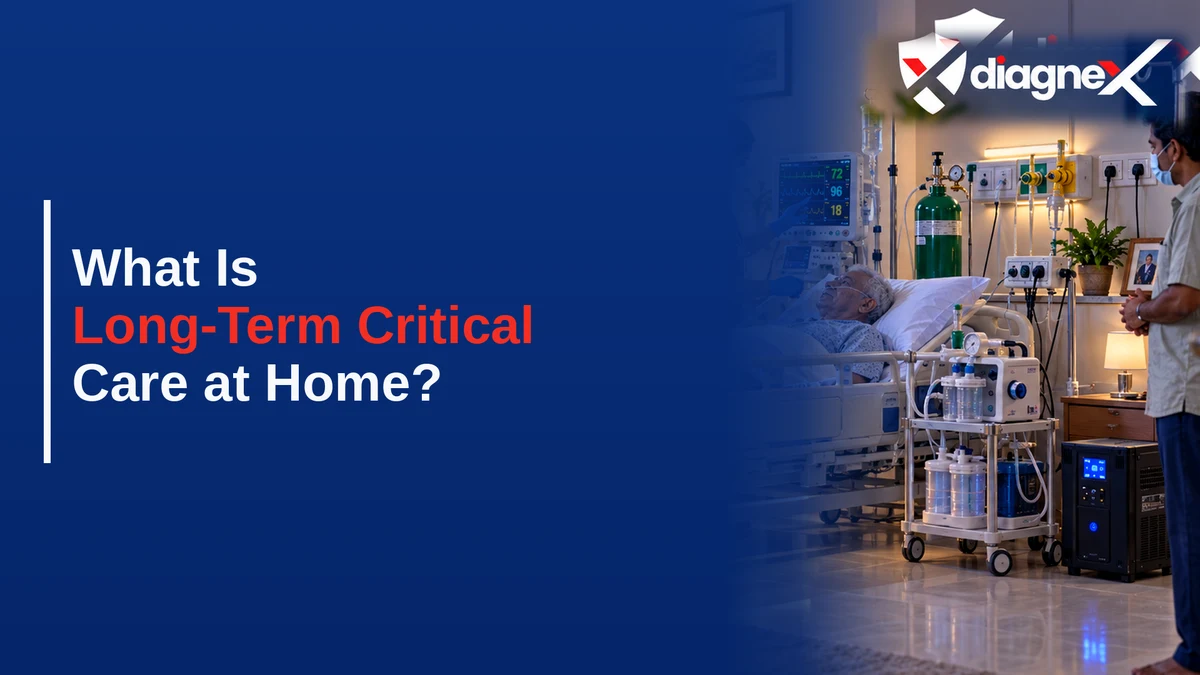
What Is Long-Term Critical Care at Home?
Long-term critical care at home generally describes ongoing, higher-dependency care for a patient who remains medically complex after the acute hospital phase.
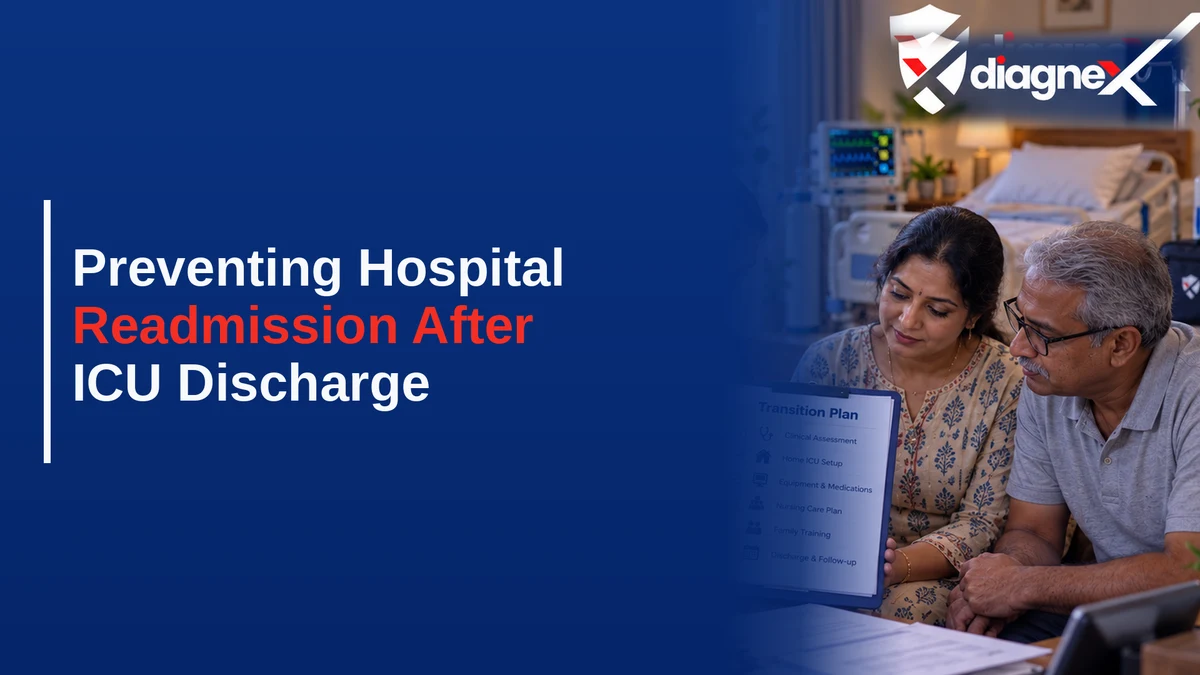
Preventing Hospital Readmission After ICU Discharge
Returning home after an ICU stay is an important milestone, but the early recovery period can still involve significant clinical risk. Medication changes, infection, weakness, poor intake, breathing problems, equipment…
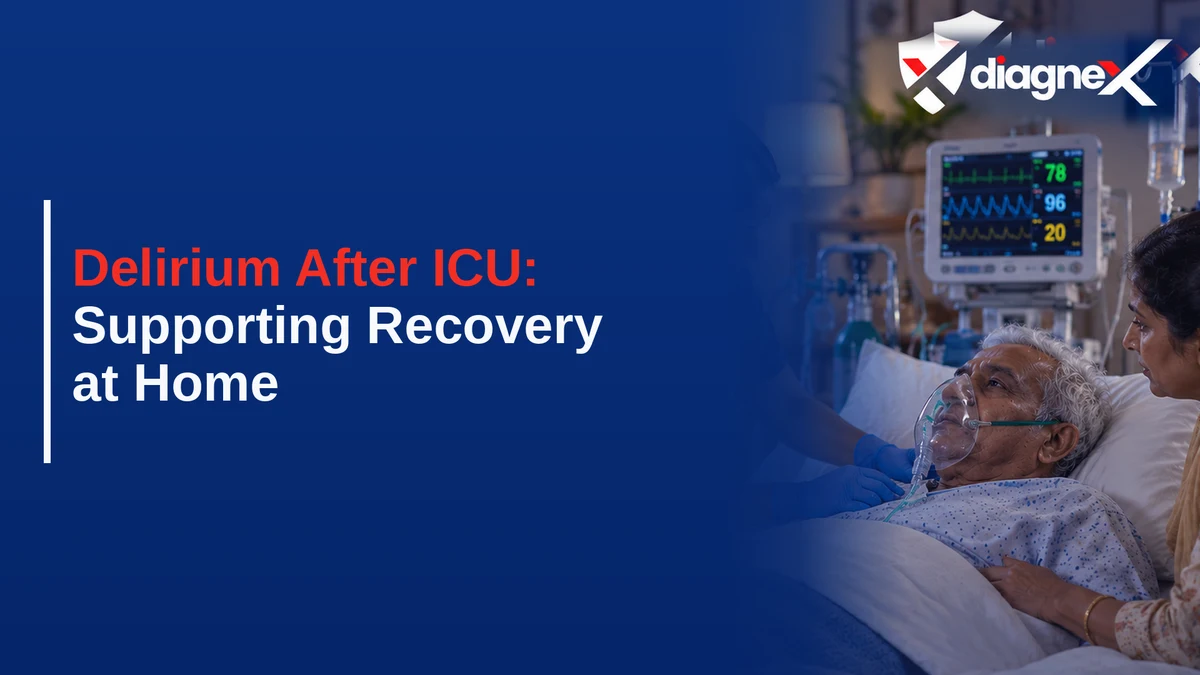
Delirium After ICU: Supporting Recovery at Home
Some patients return home after an ICU stay with lingering confusion, poor attention, altered sleep, memory difficulties or changes in behaviour. Families may hear the term delirium used during the hospital stay and…
ICU-Acquired Weakness: Recovery and Rehabilitation at Home
Many patients leave the ICU weaker than they were before becoming critically ill. They may struggle to sit up, stand, walk, climb stairs, use their arms normally or complete basic daily activities without help.

Post-Intensive Care Syndrome: What Families Should Know
Leaving the ICU does not always mean that the effects of critical illness are over. Some patients continue to experience physical weakness, problems with memory or concentration, anxiety, low mood, sleep disturbance or…

Post-ICU Recovery at Home: A Practical Guide
Recovery after an ICU stay can continue for weeks or longer after the patient returns home. Even when the acute illness has improved, many people remain weak, easily fatigued, less mobile, dependent on family or nursing…
Post-ICU Care at Home: What Families Should Expect
Leaving the ICU is an important step, but it does not always mean that recovery is complete. Many patients return home with weakness, reduced mobility, changes in appetite or sleep, ongoing medicines, oxygen needs…
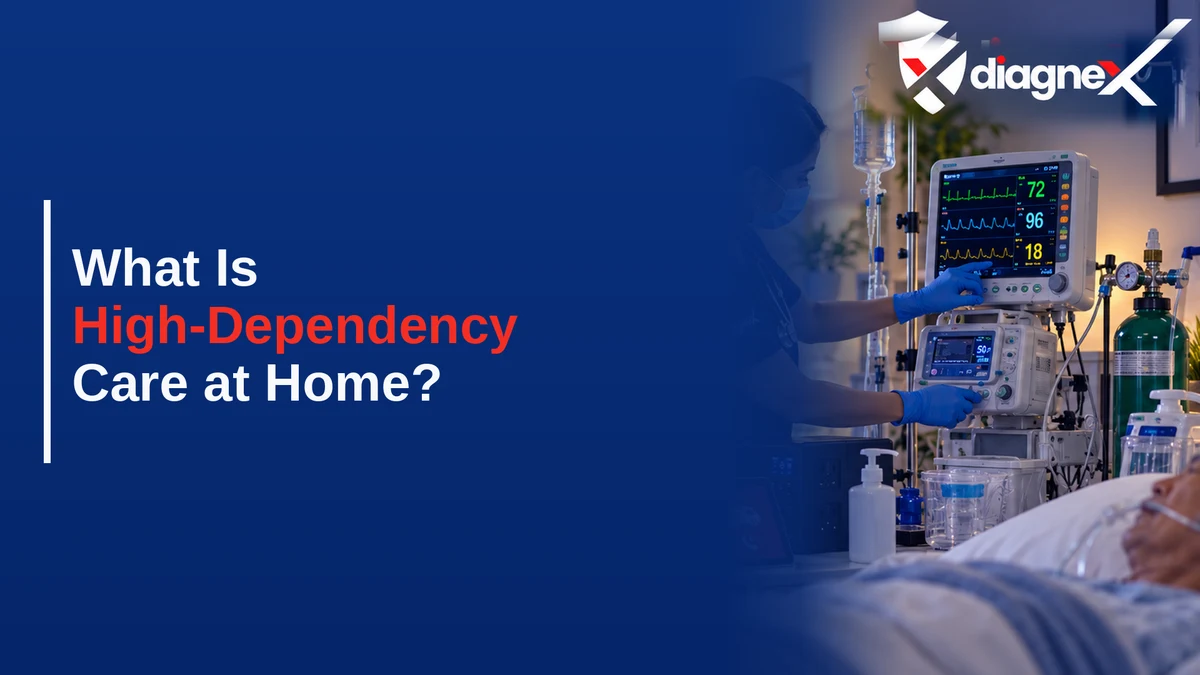
What Is High-Dependency Care at Home?
In practical terms, high-dependency care at home refers to a structured level of support for a patient who remains medically dependent and requires closer observation or more skilled care than a person receiving routine…

What Is Step-Down Care at Home?
In simple terms, step-down care is the stage between intensive hospital care and lower-intensity recovery or routine home support.
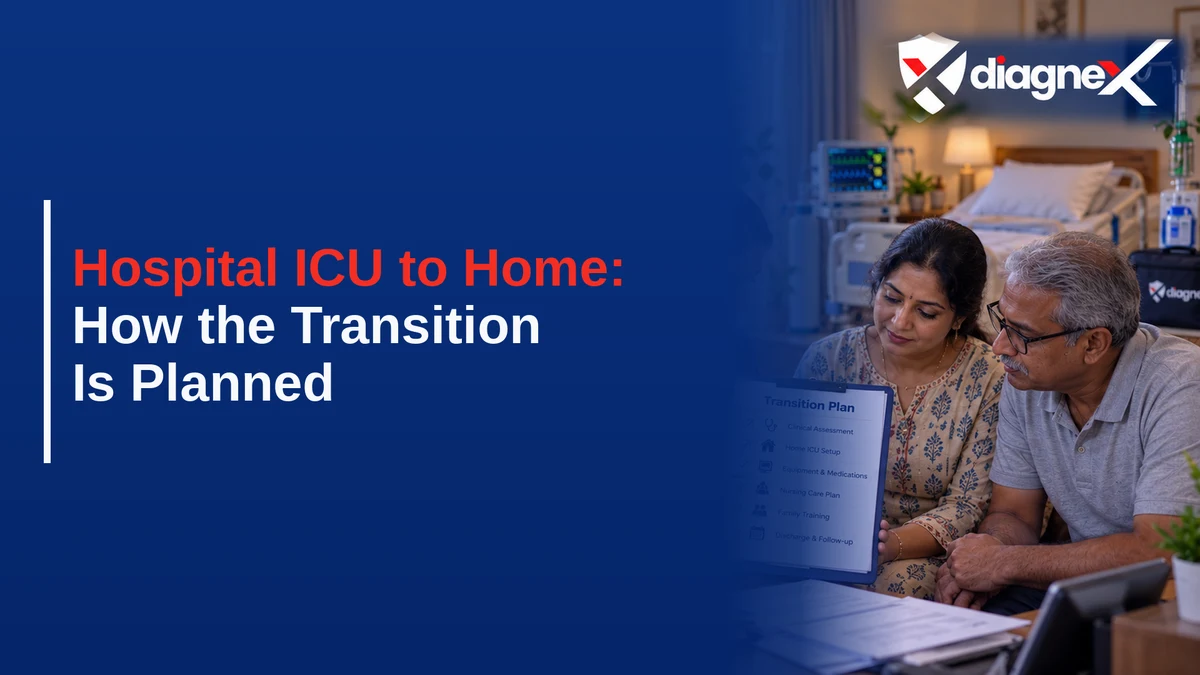
Hospital ICU to Home: How the Transition Is Planned
Moving a patient from a hospital ICU to home is not simply a discharge followed by equipment delivery. It is a coordinated transition in which the treating team, home-care team, patient and family need to agree on what…
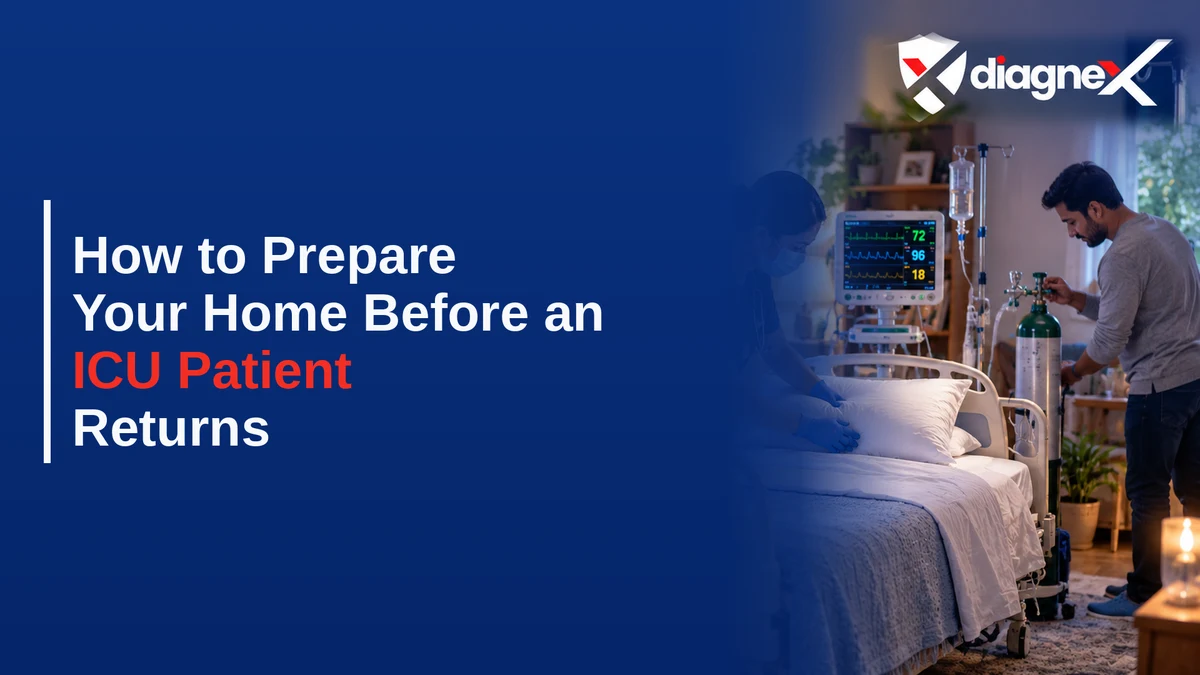
How to Prepare Your Home Before an ICU Patient Returns
Bringing an ICU patient home after hospital discharge requires more preparation than arranging a bed and a few medical devices. The home needs to be ready for the patient's current clinical needs, prescribed equipment…

Home ICU Emergency Plan: What Should Be Prepared in Advance?
When a patient is receiving ICU-level or advanced care at home, emergencies should not be handled by deciding everything in the moment. The family, nurse and treating team should already know who to contact, what…
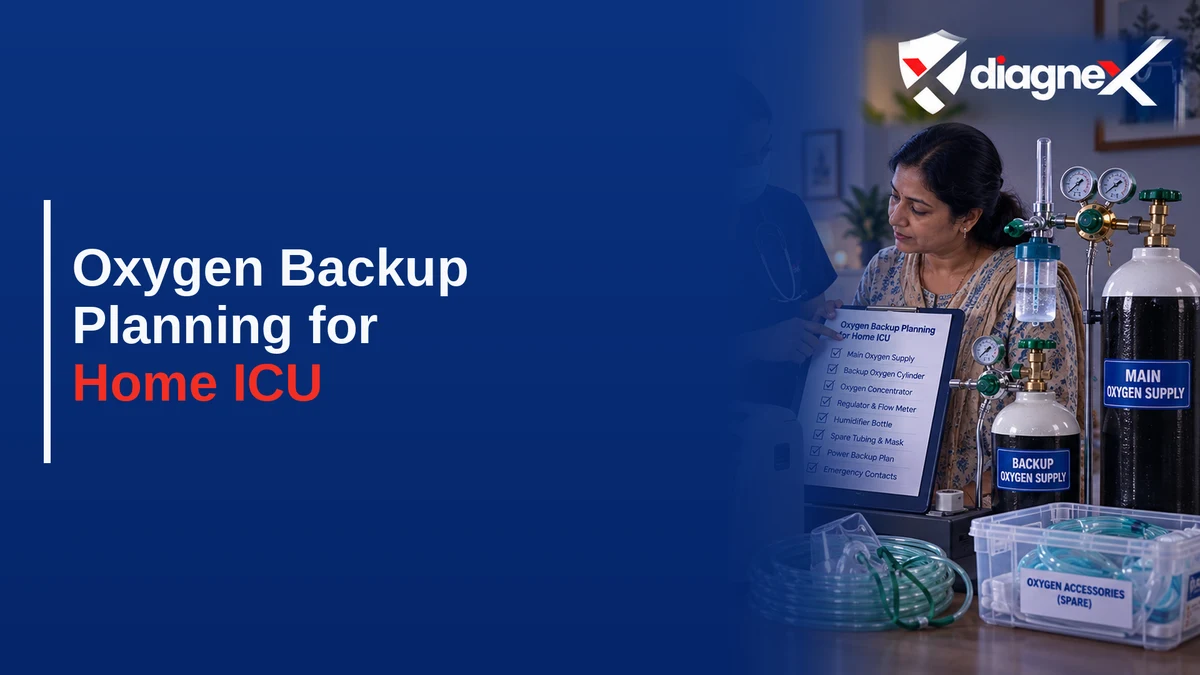
Oxygen Backup Planning for Home ICU
For a patient who has been prescribed oxygen at home, backup planning is an important part of a home ICU or advanced-care setup. An oxygen concentrator may depend on electricity, a cylinder may eventually run out, and…
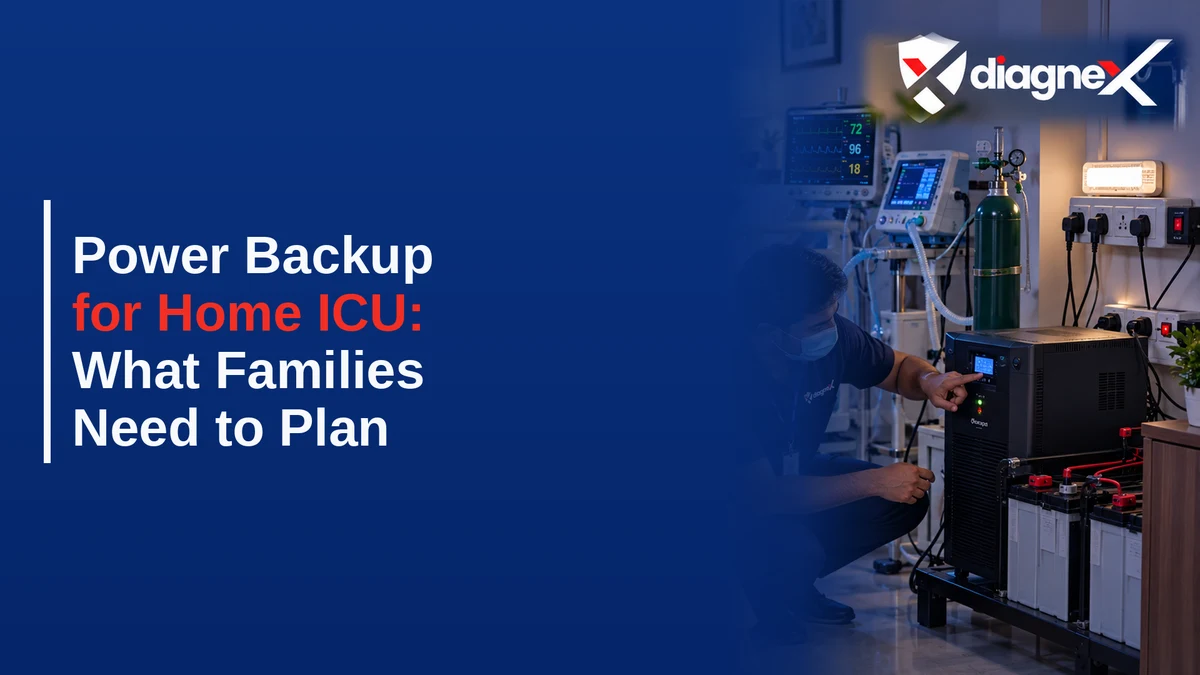
Power Backup for Home ICU: What Families Need to Plan
When a patient depends on electrically powered medical equipment at home, a power cut can become more than an inconvenience. Ventilators, oxygen concentrators, monitors, suction machines, infusion pumps and other devices…

How Much Space Is Needed for a Home ICU?
Families planning ICU-level or advanced care at home often want a simple answer to one question: how much space is required for a home ICU? In practice, there is no single room-size number that applies safely to every…
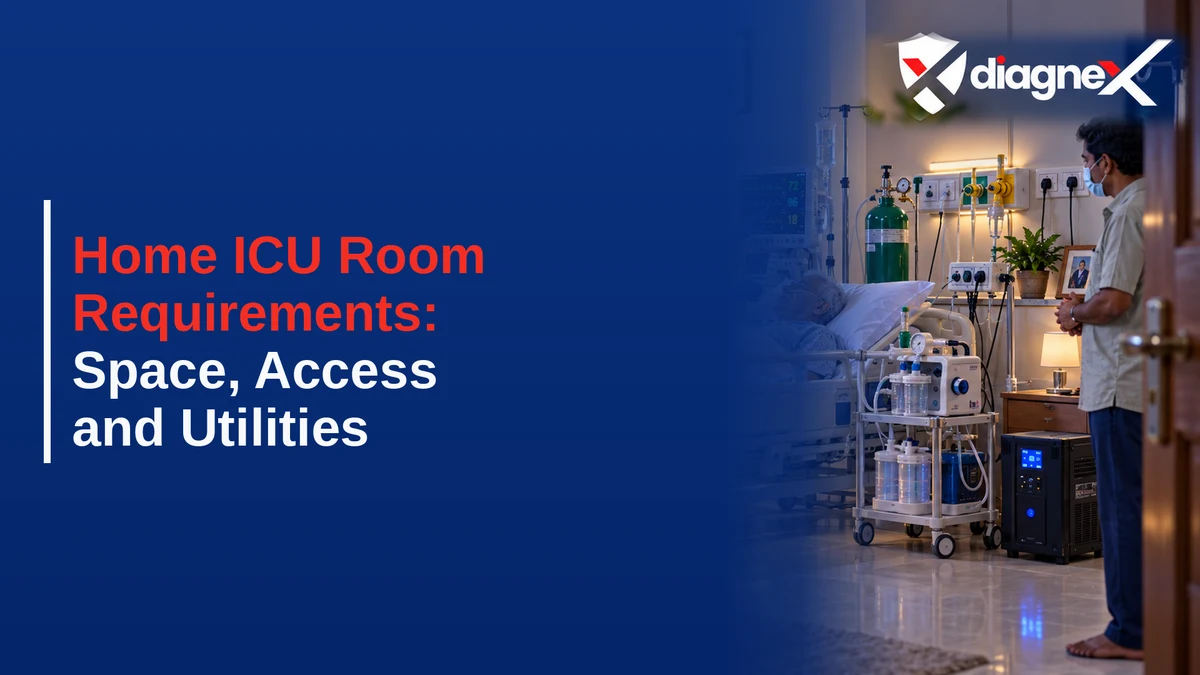
Home ICU Room Requirements: Space, Access and Utilities
Preparing a room for ICU-level or advanced care at home involves more than placing a medical bed in a bedroom. The space must allow healthcare professionals to reach the patient safely, accommodate prescribed equipment…
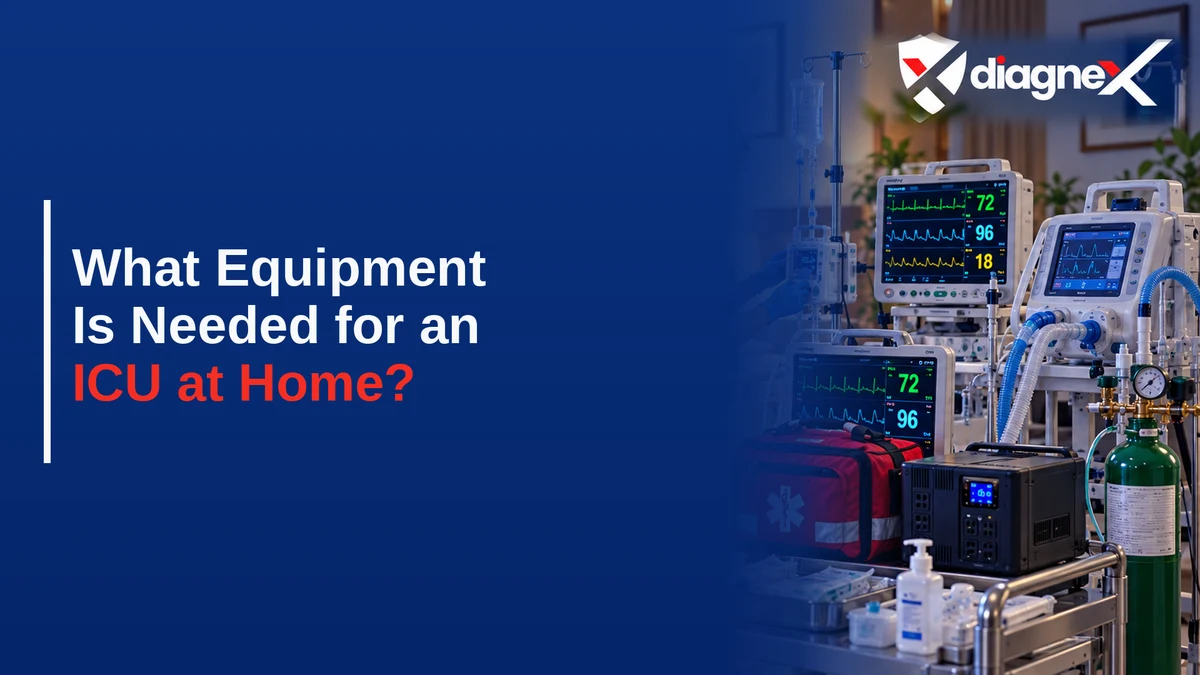
What Equipment Is Needed for an ICU at Home?
Setting up an ICU at home may involve equipment for monitoring, oxygen support, respiratory care, medication delivery, patient positioning and other clinical needs. However, there is no single home ICU equipment list…
Home ICU Setup Checklist for Families
Setting up an ICU at home involves much more than bringing medical equipment into a bedroom. The home environment must be assessed for safety, space, power supply, infection control, accessibility and the level of…
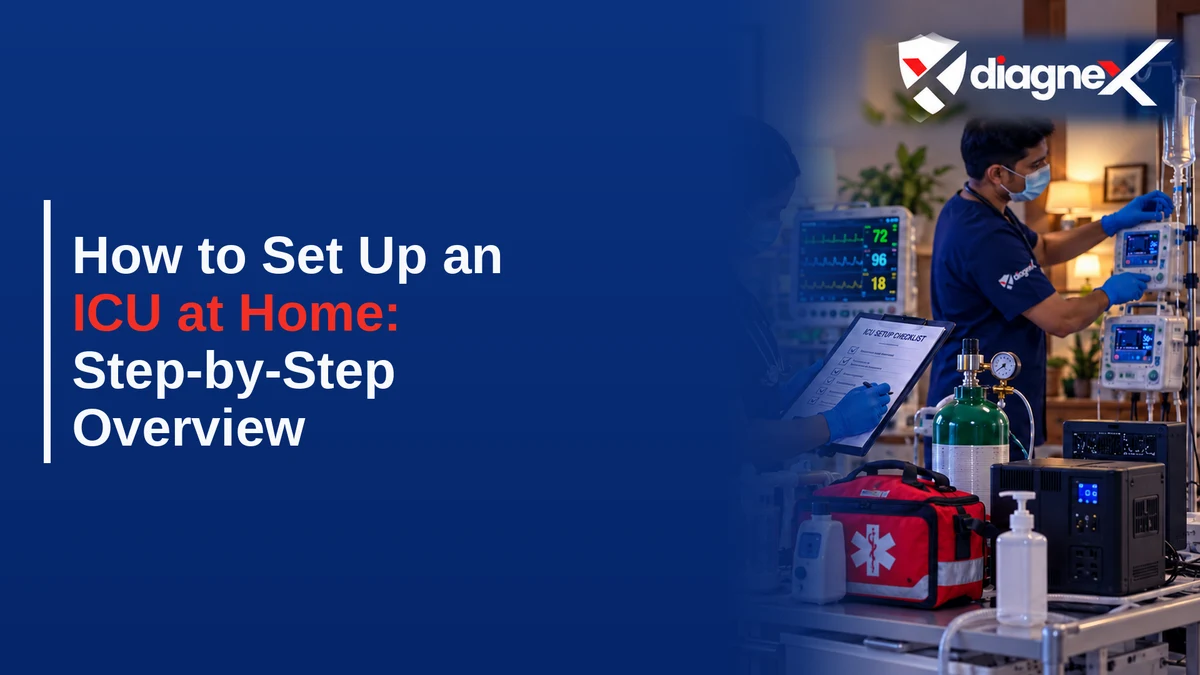
How to Set Up an ICU at Home: Step-by-Step Overview
Setting up an ICU at home is not mainly an equipment-shopping exercise.
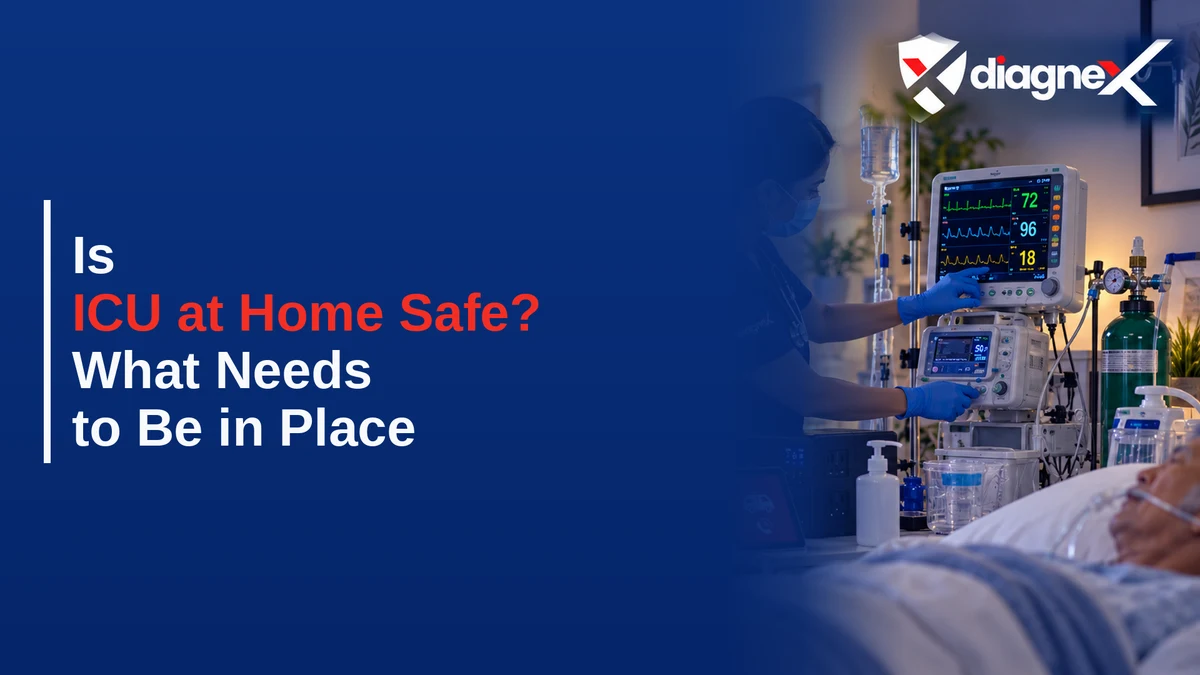
Is ICU at Home Safe? What Needs to Be in Place
ICU-level or high-dependency care at home can be appropriate for selected patients when the clinical team has confirmed that the patient's needs can be managed safely outside the hospital and the required medical…
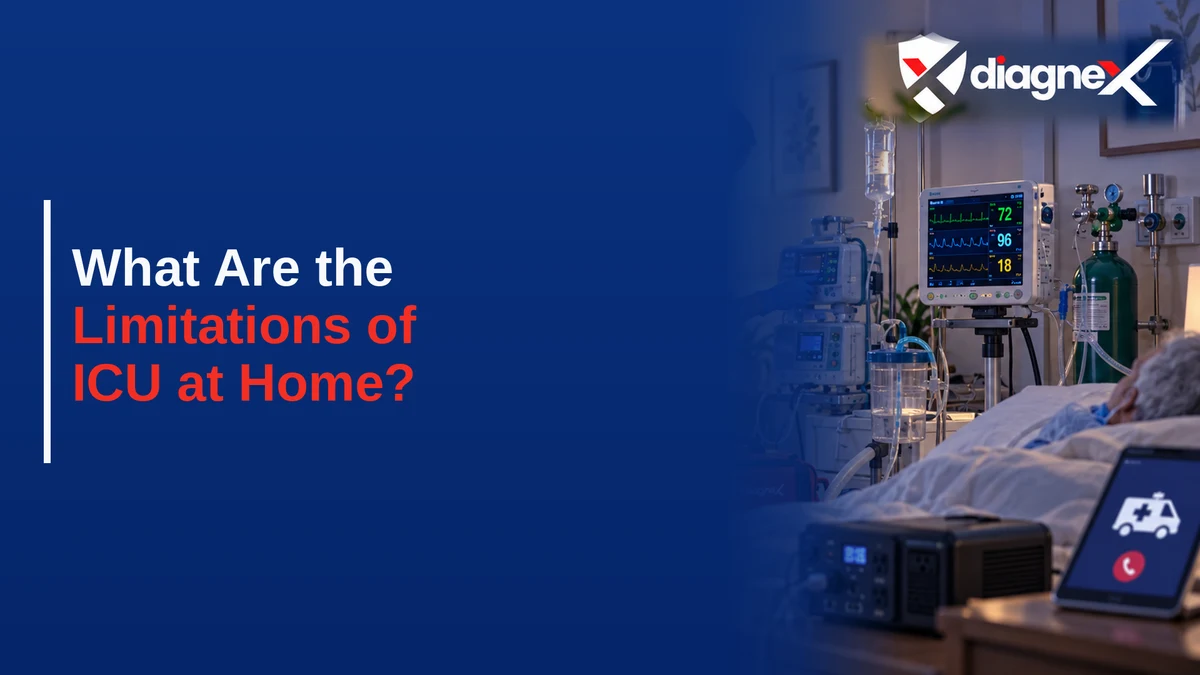
What Are the Limitations of ICU at Home?
The main limitation of ICU at home is that a home cannot automatically reproduce the full hospital system around an intensive-care bed.
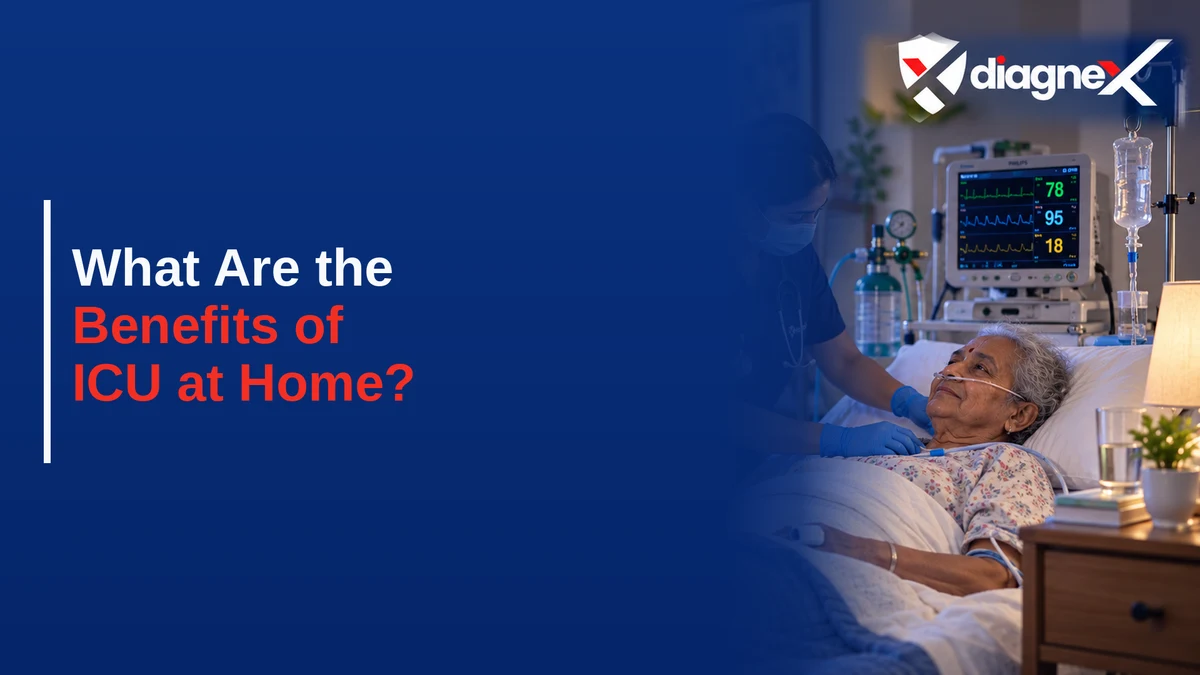
What Are the Benefits of ICU at Home?
The main benefit of ICU at home is not that it turns a house into a hospital ICU.
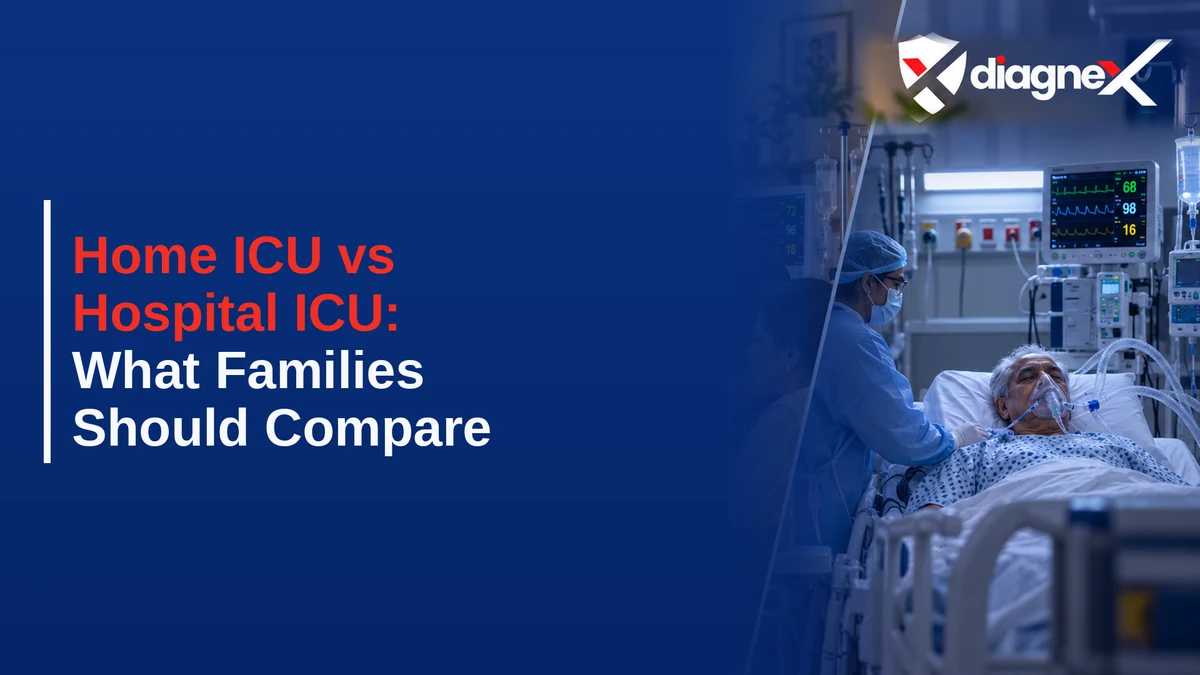
Home ICU vs Hospital ICU: What Families Should Compare
Home ICU and hospital ICU can overlap in some visible ways. Both may involve trained nurses, oxygen, ventilatory support, monitors, infusion pumps, suction equipment, wound or catheter care and repeated clinical…
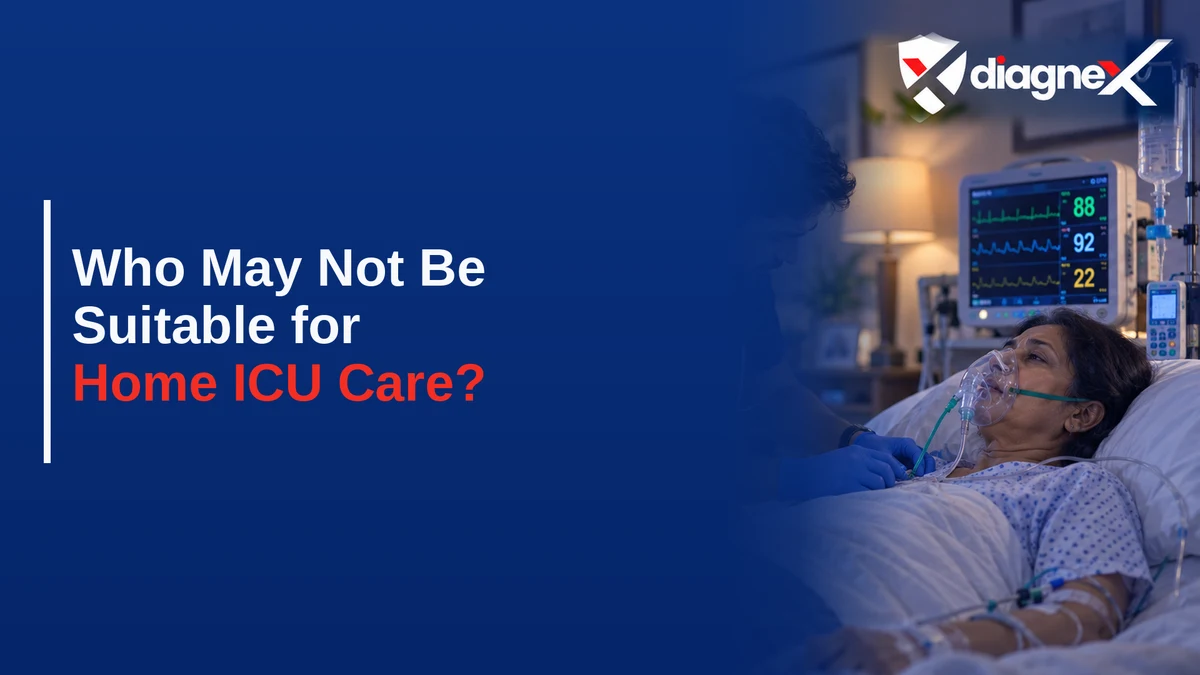
Who May Not Be Suitable for Home ICU Care?
Home ICU care can support selected patients who need advanced nursing, monitoring, respiratory support or medical equipment at home. But some patients are safer in a hospital ICU because their condition is too unstable…

Who Is Suitable for ICU Care at Home?
ICU care at home may be suitable for selected patients who still need advanced nursing, monitoring, respiratory support, medical equipment or repeated clinical procedures but are stable enough that their required care…
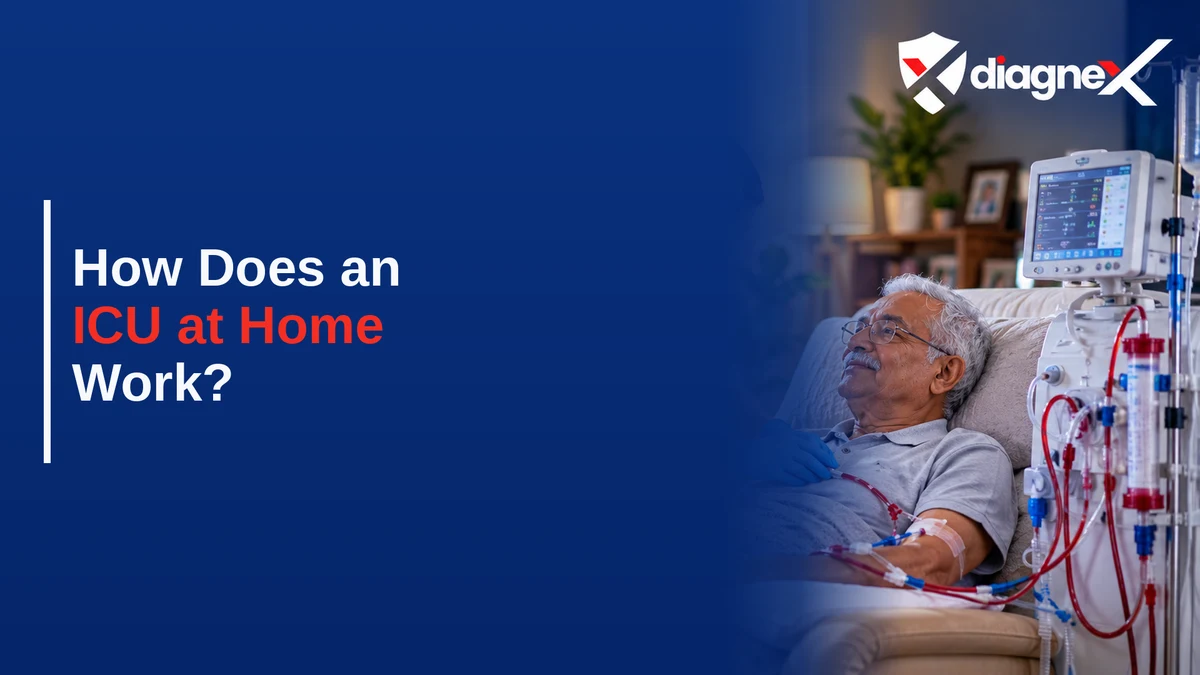
How Does an ICU at Home Work?
An ICU at home works by moving selected parts of high-acuity care - such as trained nursing, monitoring, oxygen or ventilatory support, suction, infusion equipment and repeated clinical procedures - into the patient’s…
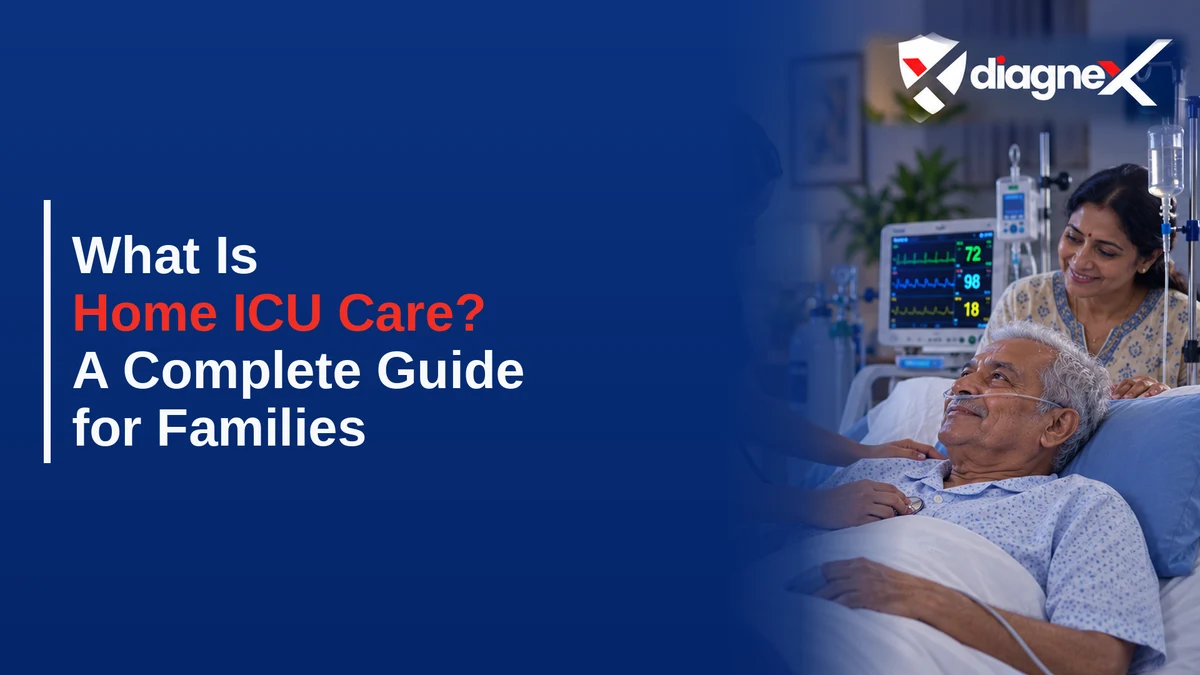
What Is Home ICU Care? A Complete Guide for Families
Home ICU care is a structured form of advanced care at home for selected patients who still need significant nursing, monitoring, respiratory support, medical equipment or repeated clinical procedures but do not…
